Atlantic Halibut
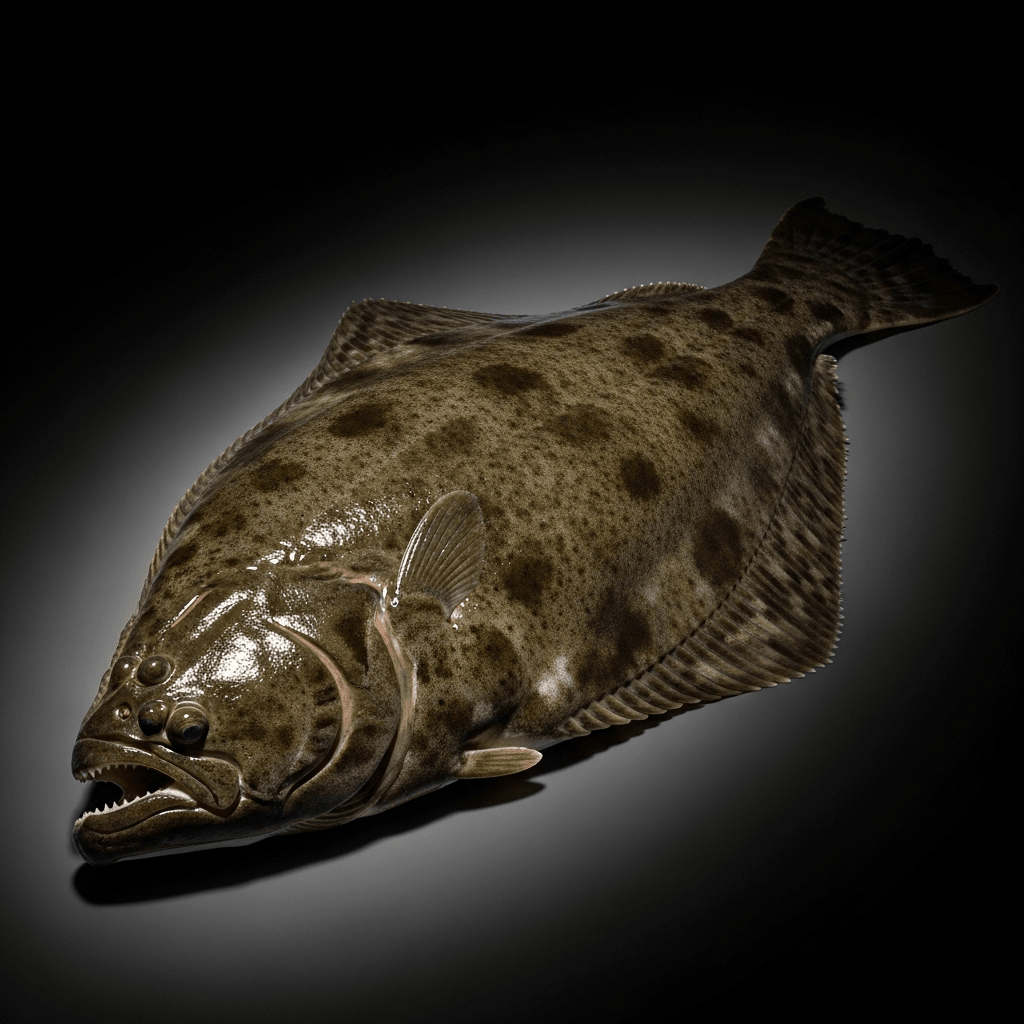
The Atlantic Halibut (Hippoglossus hippoglossus) is the largest flatfish of the North Atlantic, recognized for its massive size, distinctive diamond-shaped body, and commercial importance.
The Atlantic Halibut (Hippoglossus hippoglossus) is the largest flatfish of the North Atlantic, recognized for its massive size, distinctive diamond-shaped body, and commercial importance.
First described by Carl Linnaeus in 1758, the Atlantic Halibut is native to the North Atlantic Ocean. It has no domesticated lineage, existing solely as a wild species long studied and harvested in European and North American waters.
The Atlantic Halibut belongs to the family Pleuronectidae within the genus Hippoglossus. It is a member of the flatfish group, characterized by its unique asymmetry and eye placement.
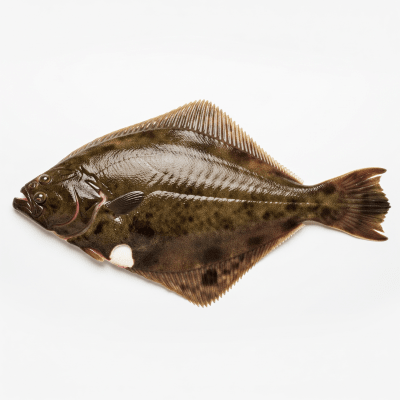
This species features a large, flattened, diamond-shaped body with both eyes positioned on the right side after metamorphosis. Its coloration ranges from dark brown to olive on the eyed side, contrasting with a pale underside. Adults can grow up to 4.7 meters long and weigh over 320 kilograms.
Atlantic Halibut are demersal predators inhabiting sandy, gravelly, or muddy sea bottoms, typically between 200 and 700 meters deep. They feed on fish, cephalopods, and crustaceans. Their slow growth and late maturity make them vulnerable to overfishing, but they remain a prized target for commercial fisheries.
Bring this kind into your world illustrated posters, mugs, and shirts.

Archival print, museum-grade paper
Buy Poster
Stoneware mug, dishwasher safe
Buy Mug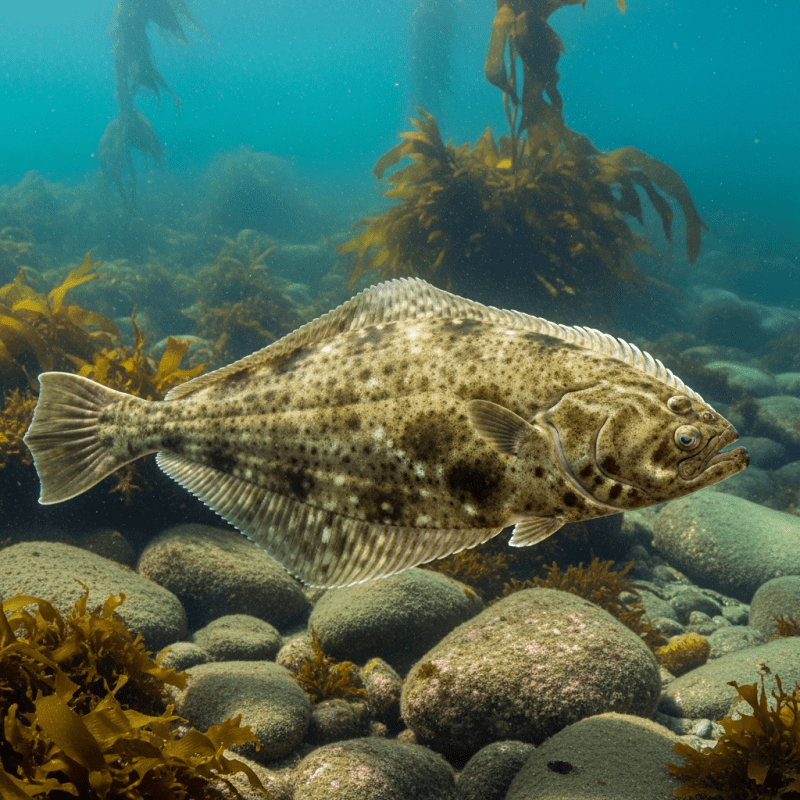
Soft cotton tee, unisex sizes
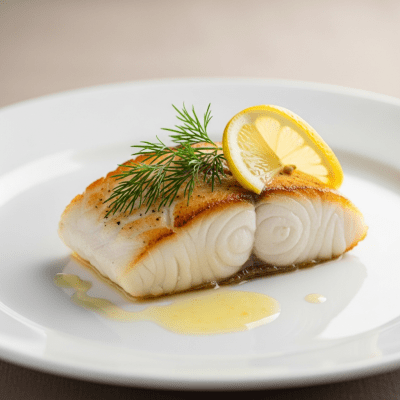
Buy ShirtEsteemed for its firm, white flesh and mild flavor, Atlantic Halibut has long been a valued food fish in Northern Europe and North America. It features prominently in upscale cuisine and seafood markets, symbolizing both culinary luxury and the challenges of sustainable fishing.
The Atlantic Halibut dwells on the ocean floor of the North Atlantic, favoring depths from 50 to 2,000 meters but most commonly found between 200 and 700 meters. It prefers sandy, gravelly, or muddy substrates where it can ambush prey.
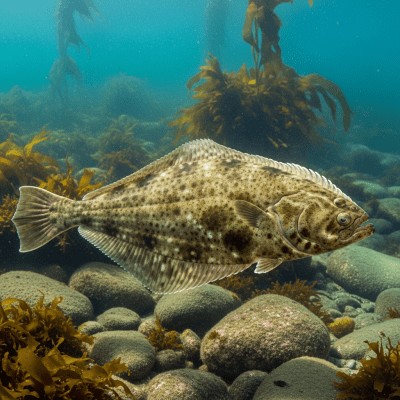

As a predatory flatfish, the Atlantic Halibut feeds primarily on fish, cephalopods such as squid, and various crustaceans. It hunts by lying camouflaged on the seabed, striking opportunistically at passing prey.
Atlantic Halibut reach sexual maturity between 7 and 17 years, depending on sex and region. Their slow growth and late maturity contribute to their vulnerability. Specific spawning habitats are not well documented but generally occur in deep marine environments.
Wild Atlantic Halibut remain the primary source for commercial use, though experimental aquaculture programs exist in Norway and Canada. Growth rates in captivity are slow, and yield is limited. Fishing is regulated through quotas and seasonal closures to protect declining populations.
Due to slow growth and late maturity, Atlantic Halibut populations have declined significantly from overfishing. Conservation efforts include strict catch limits and protected seasons. Despite these measures, the species remains vulnerable and requires ongoing management to ensure recovery.