Lamprey
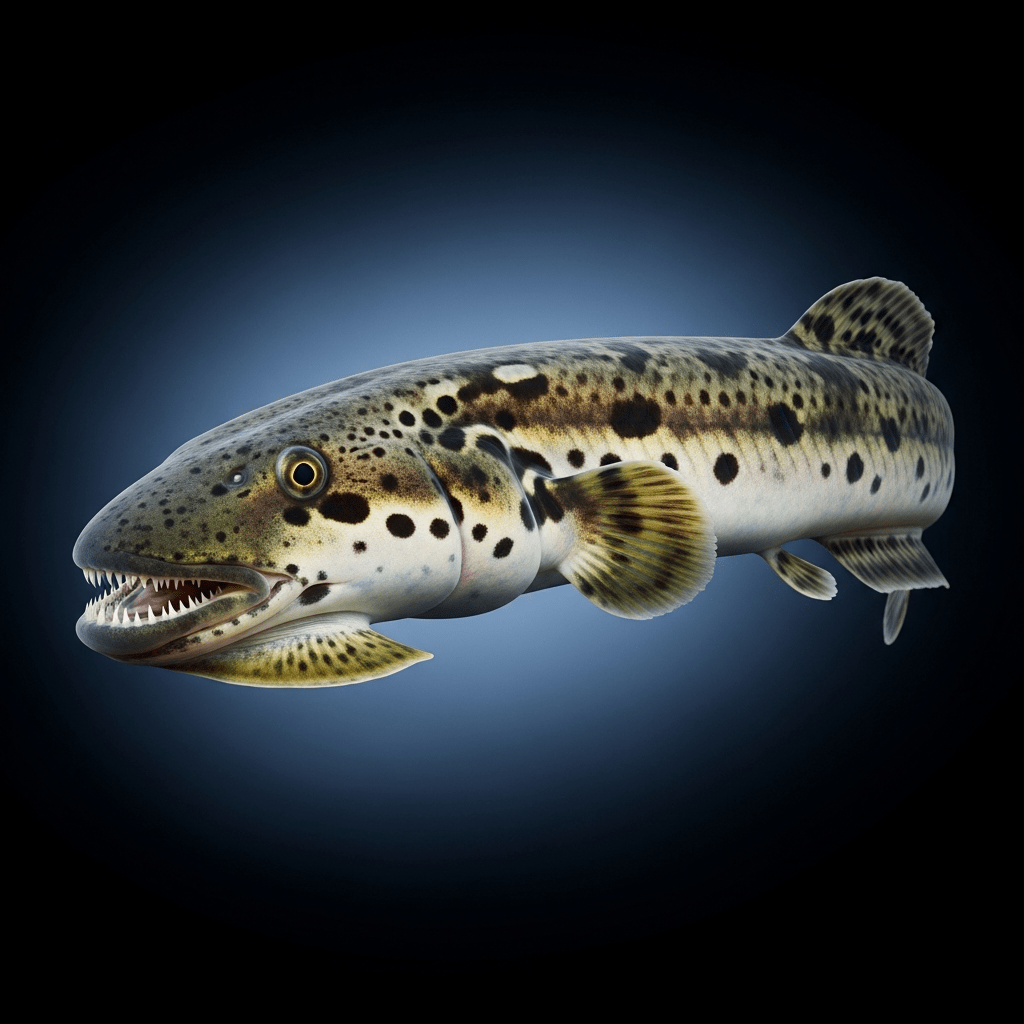
Lampreys are jawless, eel-like aquatic vertebrates distinguished by their circular sucking mouths lined with keratinized teeth, representing one of the most primitive living fish lineages.
Lampreys are jawless, eel-like aquatic vertebrates distinguished by their circular sucking mouths lined with keratinized teeth, representing one of the most primitive living fish lineages.
The lamprey lineage dates back over 360 million years to the Devonian period. The sea lamprey, Petromyzon marinus, was first formally described by Linnaeus in 1758. These fish have remained wild with no domesticated strains, though some conservation and control programs manage their populations.
Lampreys belong to the superclass Cyclostomata and order Petromyzontiformes, placing them among jawless fish (Agnatha). This basal group is distinct from jawed vertebrates and represents an early branch in fish evolution.
Lampreys have elongated, scaleless, eel-like bodies typically gray, brown, or olive on top with lighter undersides. Their most striking feature is a round oral disc lined with concentric rows of keratinous teeth. They lack jaws, paired fins, and true vertebrae, possessing instead a cartilaginous skeleton.
Adult lampreys exhibit diverse behaviors: parasitic species attach to host fish using their toothed mouths to feed on blood and bodily fluids, while non-parasitic species do not feed as adults. They may be anadromous, migrating between marine and freshwater environments, or reside entirely in freshwater. Larvae live burrowed in sediment for extended periods before metamorphosis.
Bring this kind into your world illustrated posters, mugs, and shirts.
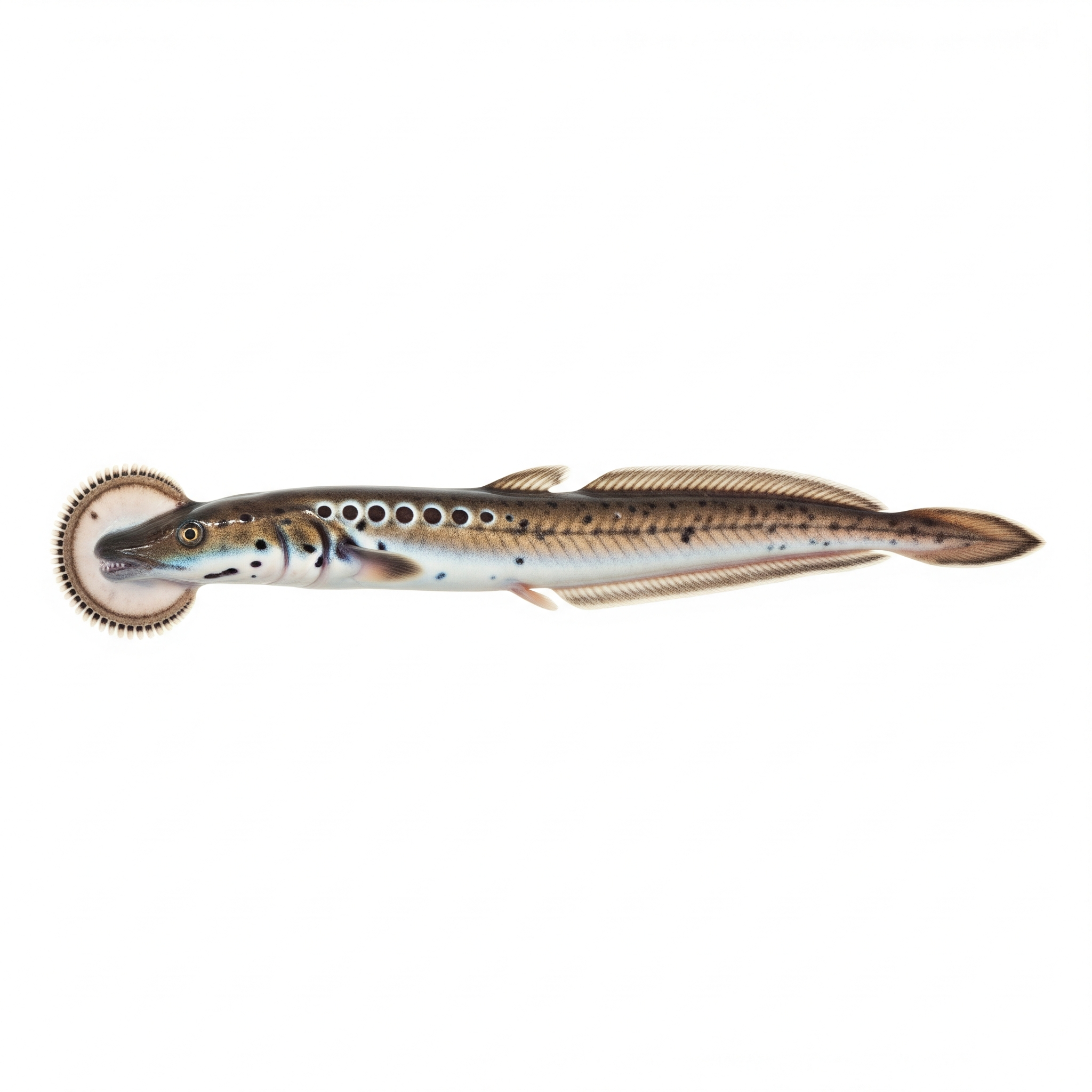
Archival print, museum-grade paper
Buy Poster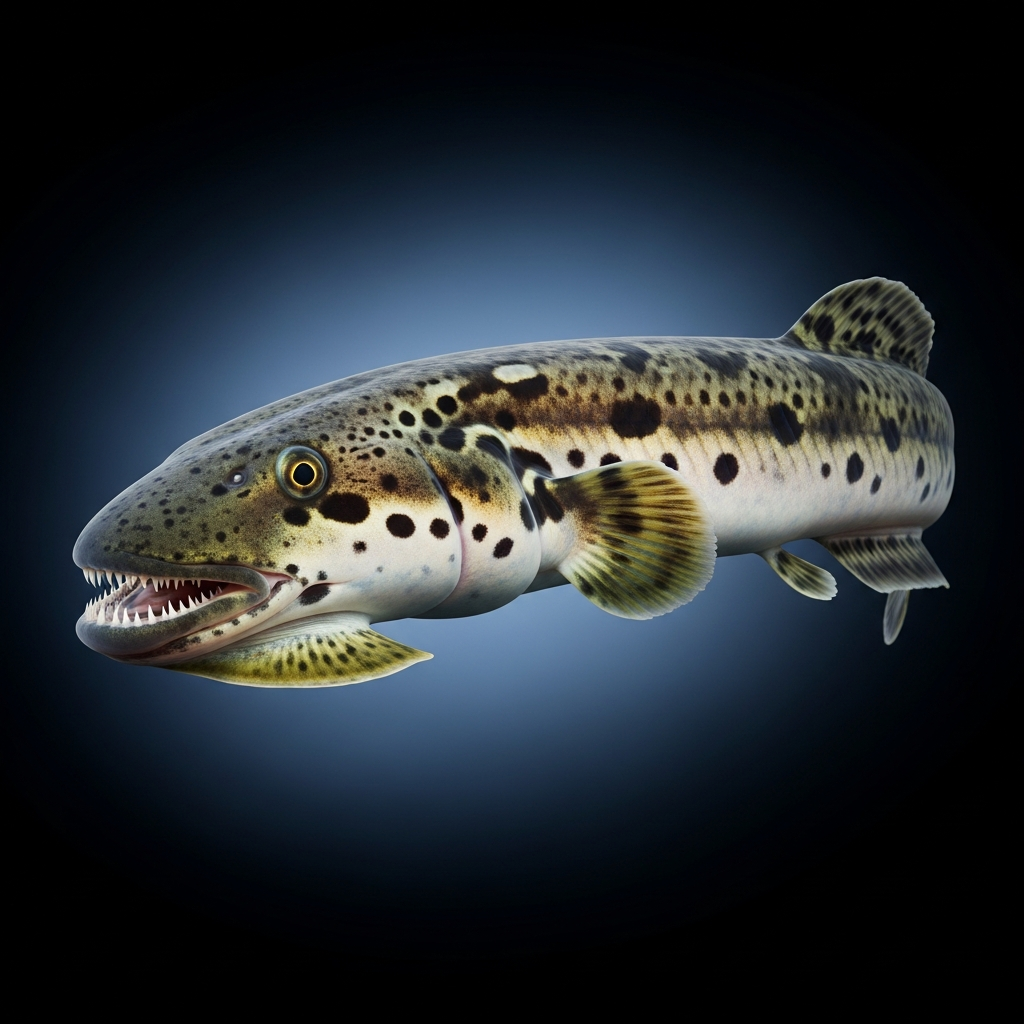
Stoneware mug, dishwasher safe
Buy Mug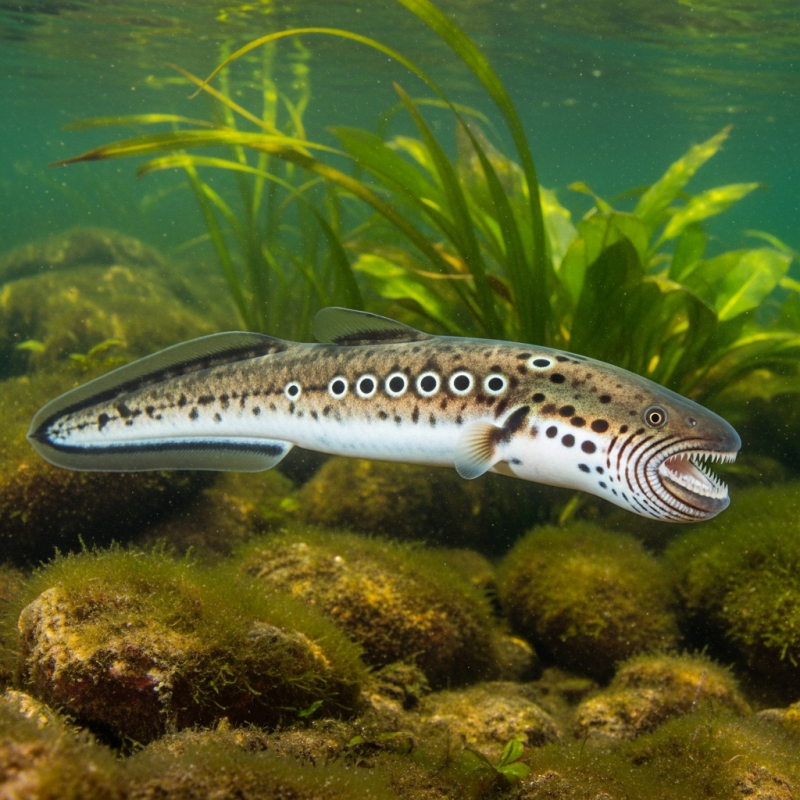
Soft cotton tee, unisex sizes
Buy ShirtLampreys hold varied cultural roles. In parts of Europe, they are considered a delicacy featured in traditional dishes such as lamprey pie and stews. Conversely, in North America, especially the Great Lakes region, lampreys are viewed as invasive pests causing ecological and economic harm. Their cultural significance thus ranges from heritage food to nuisance species depending on region.
Lampreys inhabit freshwater rivers and coastal marine environments across Europe, North America (notably the Great Lakes), and other temperate regions. Their distribution includes both anadromous species migrating between sea and rivers and freshwater-resident species.
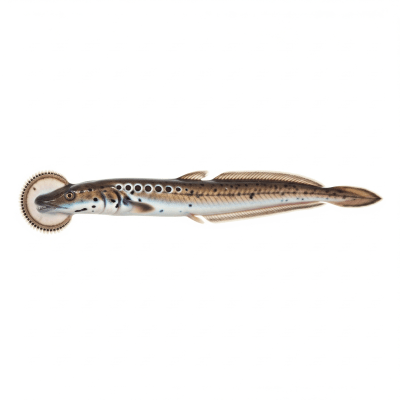
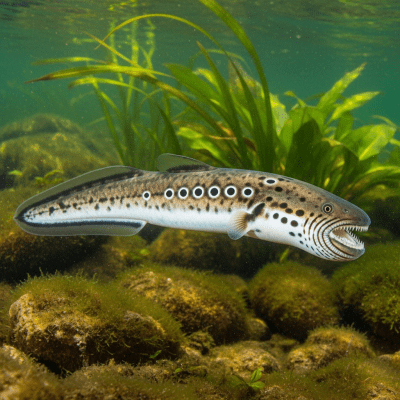
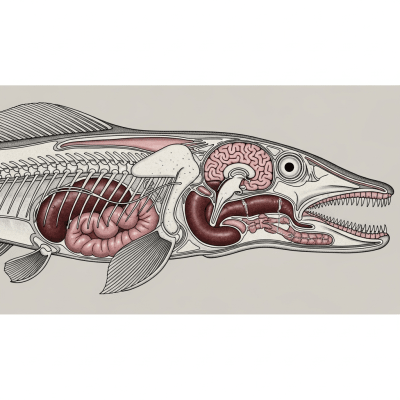

Parasitic lampreys feed by attaching to host fish with their toothed oral discs, consuming blood and bodily fluids. Non-parasitic species typically do not feed as adults. Larvae filter feed while buried in sediment during their prolonged juvenile stage.
Lampreys reproduce in gravelly streams where adults spawn and then die. Their life cycle includes a lengthy larval phase known as the ammocoete, during which they live buried in sediment and filter feed. After metamorphosis, they emerge as adults, either parasitic or non-parasitic, completing their life cycle.
Lampreys are not cultivated or farmed commercially. Harvesting is limited and regulated, primarily for traditional culinary uses in Europe. Control programs, such as those by the Great Lakes Fishery Commission, focus on managing invasive sea lamprey populations rather than farming.
While some lamprey species are invasive pests, others are native and occasionally protected. Threats include habitat disruption and chemical control measures. Conservation efforts balance controlling invasive populations with protecting native species and their habitats.