Origin Story

First described in 1818 by Constantine Samuel Rafinesque, the Channel Catfish naturally inhabits the central and eastern United States, southern Canada, and northern Mexico. Its domestication began in the mid-20th century, driven by U.S. agricultural research institutions such as Auburn University and the USDA Catfish Genetics Research Unit, which developed strains optimized for growth, disease resistance, and fillet quality.

Classification

The Channel Catfish belongs to the family Ictaluridae and the genus Ictalurus. It is classified scientifically as Ictalurus punctatus, fitting within the broader group of North American freshwater catfish known for their sensory barbels and bottom-dwelling habits.

Appearance or Form

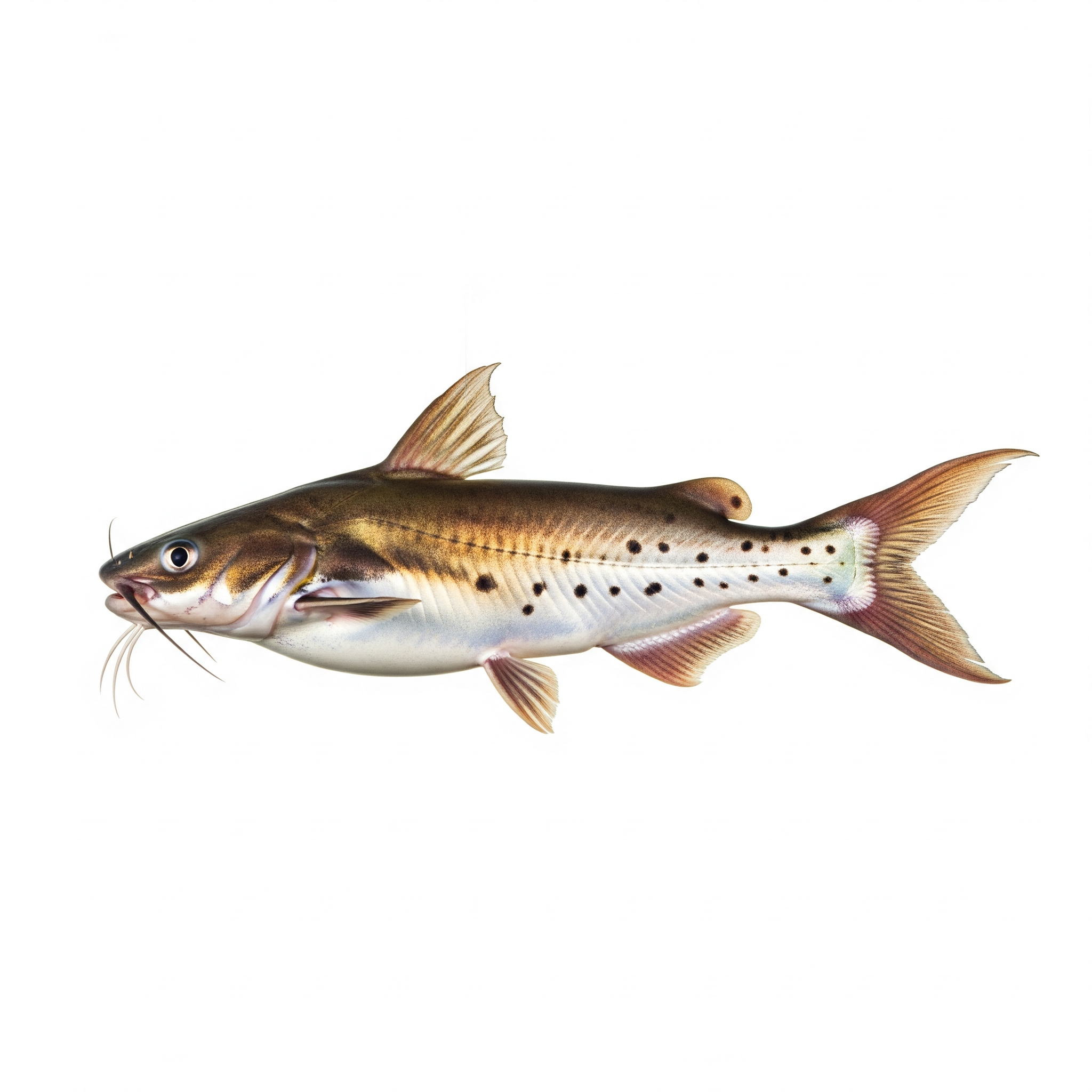
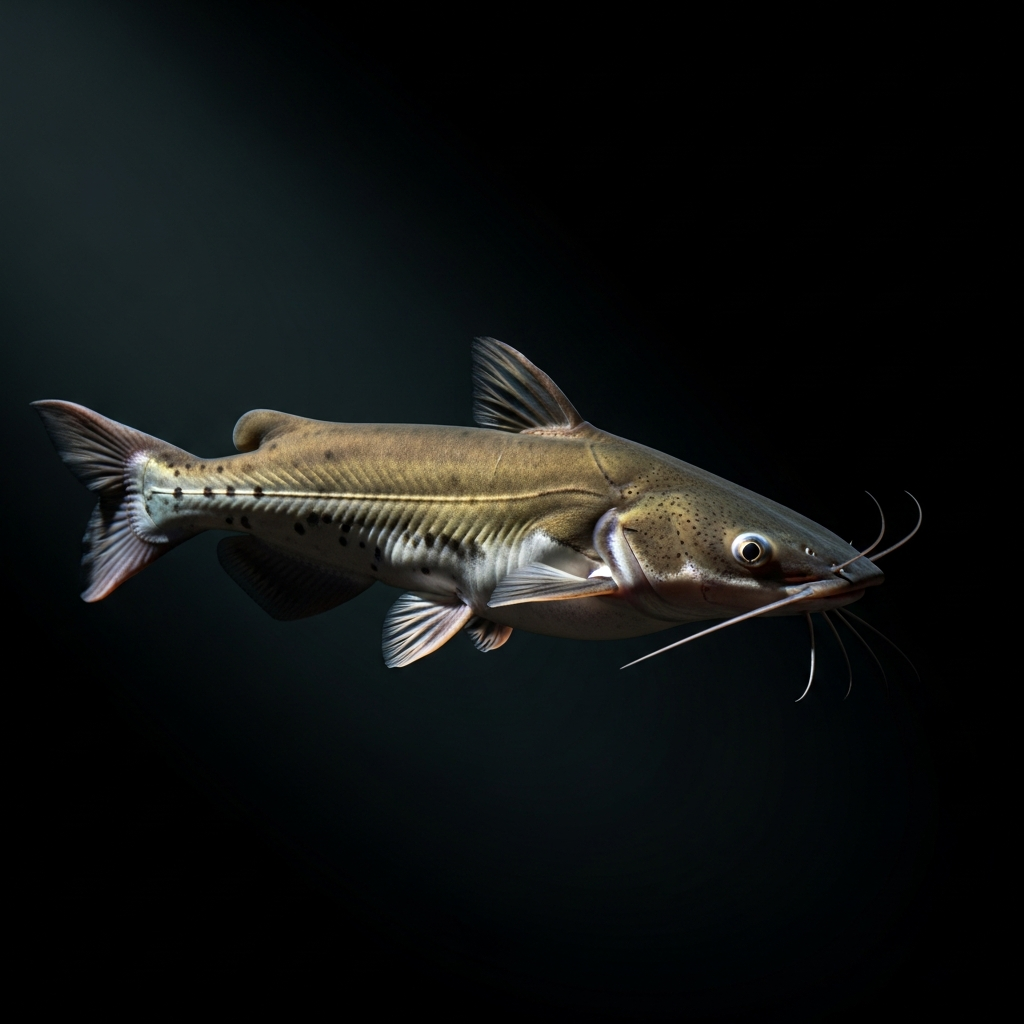
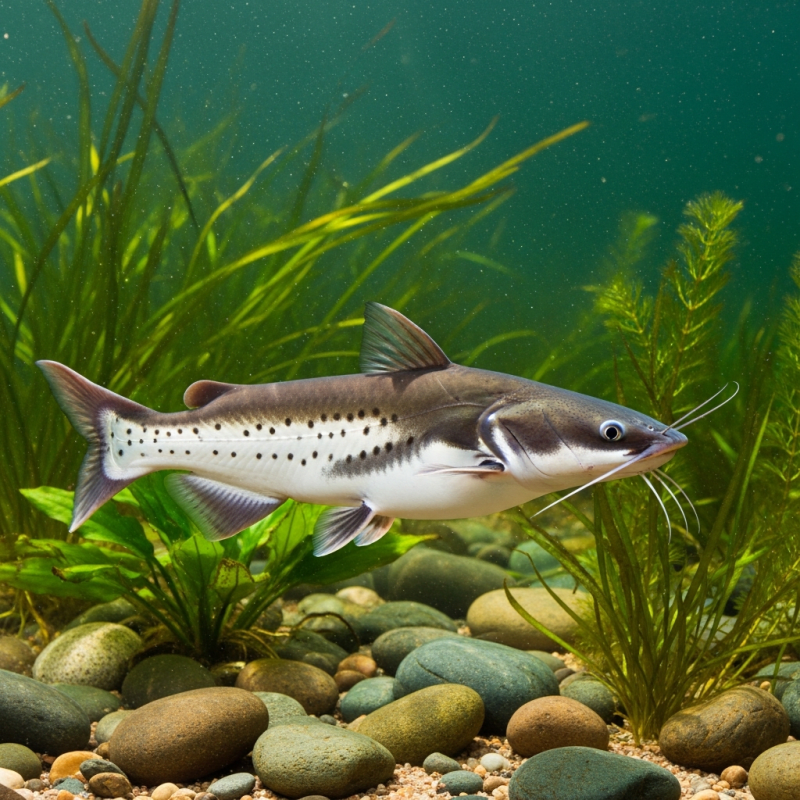
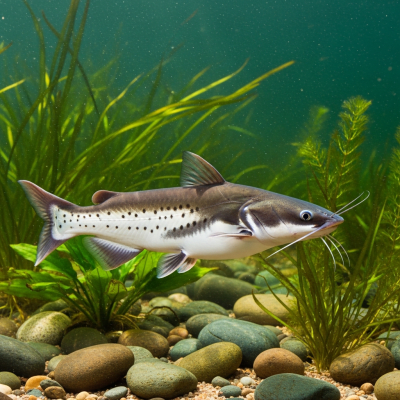
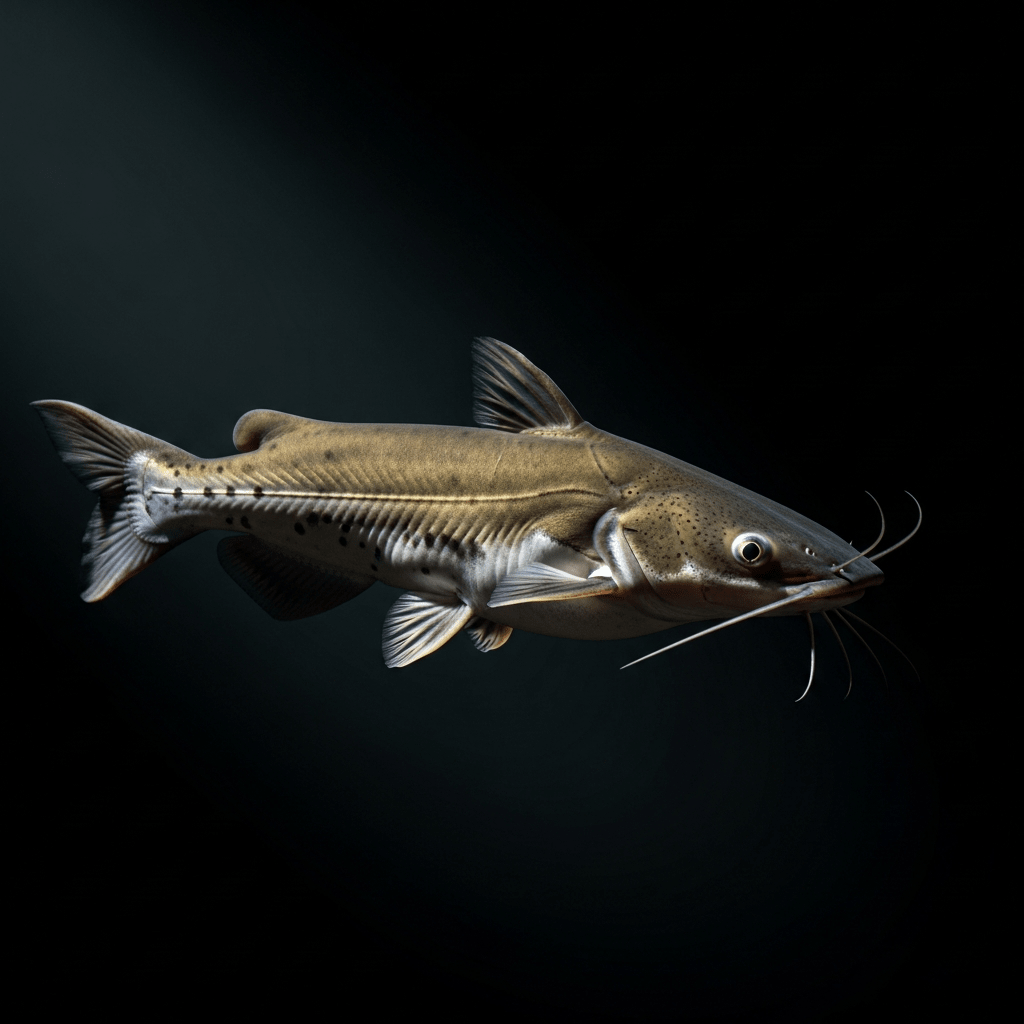
This species features a slender, elongated body with a deeply forked caudal fin and four pairs of sensory barbels surrounding the mouth. Its coloration varies from olive-brown to bluish-gray on the back, fading to a lighter belly, with juveniles and young adults displaying small black spots along their sides. Adults typically measure 30 to 60 centimeters in length and weigh between 0.5 and 2.5 kilograms, though some can grow over one meter and weigh up to 20 kilograms.

Behavior or Usage

Channel Catfish are omnivorous bottom feeders, consuming insects, crustaceans, small fish, and plant matter. They thrive in freshwater lakes, rivers, and reservoirs, showing high tolerance to varying water quality and moderate resistance to common diseases. Humans widely utilize them for food and sport, appreciating their rapid growth and adaptability in aquaculture, as well as their spirited fight when caught recreationally.

Merchandise & Prints

Bring this kind into your world � illustrated posters, mugs, and shirts.

Channel Catfish Channel Catfish Poster

Channel Catfish Poster

Archival print, museum-grade paper

Channel Catfish Channel Catfish Mug

Channel Catfish Mug

Stoneware mug, dishwasher safe

Channel Catfish Channel Catfish Shirt

Channel Catfish Shirt

Soft cotton tee, unisex sizes

Attributes & Insights

Taxon-Specific Insights

🌍Cultural Significance

In North American culture, especially in the southern United States, the Channel Catfish holds a cherished place both as a staple food and a favored game fish. Its mild-flavored, firm white flesh features prominently in regional cuisines, often fried, grilled, or stewed. Recreational anglers prize it for its size and spirited resistance, making it a symbol of freshwater fishing traditions.

📌Notable Facts

  • The Channel Catfish is the most commonly farmed catfish species in the United States.
  • It possesses four pairs of sensitive barbels that help detect food in murky waters.
  • Selective breeding programs have produced strains with enhanced growth rates and disease resistance.
  • Market-size fish are typically reached within 18 to 24 months under optimal conditions.
  • Juveniles display distinctive small black spots along their sides, which fade as they mature.

🌍Habitat And Distribution

The Channel Catfish inhabits freshwater environments such as lakes, rivers, and reservoirs throughout the central and eastern United States, extending into southern Canada and northern Mexico. It prefers waters with temperatures between 25 and 30°C and requires dissolved oxygen levels above 5 mg/L to thrive.

Visual Variations

High-resolution studio photograph of a single Channel Catfish, belonging to the taxonomy fish
Underwater scene featuring a single Channel Catfish
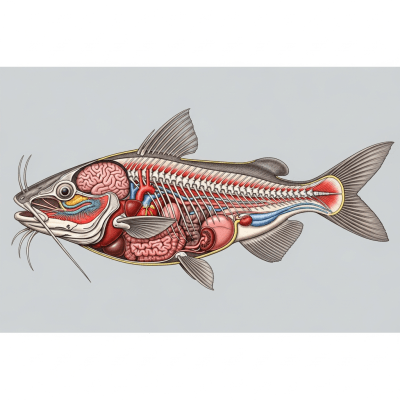
Detailed anatomical illustration of a Channel Catfish, part of the taxonomy fish
A culinary presentation featuring a prepared dish made with Channel Catfish, of the taxonomy fish

Composition & Context

Taxon-Specific Insights

🍽️Diet And Feeding

As an opportunistic omnivore, the Channel Catfish feeds primarily on insects, crustaceans, small fish, and plant material. Using its sensitive barbels, it locates food along the bottom substrates of its freshwater habitats, adapting its diet to available resources.

🍼Reproduction And Life Cycle

Reproduction occurs in late spring to early summer, when females lay adhesive eggs in secluded cavities. Males guard and aerate the eggs until hatching, ensuring higher survival rates. This reproductive strategy supports population stability in their native freshwater ecosystems.

🎣Aquaculture And Fishing

The Channel Catfish is extensively farmed in the United States, with selective breeding programs producing strains optimized for rapid growth, disease resistance, and fillet yield. Intensive pond systems yield between 2,000 and 4,000 kilograms per hectare annually, with even higher production possible in recirculating aquaculture systems. Commercially, the fish is sold fresh, frozen, or processed into fillets and value-added products. Recreational fishing also remains popular due to the species’ size and fighting ability.

⚠️Conservation Status

Currently, the Channel Catfish faces no significant conservation threats and maintains stable populations across its native range. Its adaptability, widespread distribution, and successful aquaculture practices contribute to its secure status, although monitoring continues to ensure disease outbreaks and habitat changes do not impact wild stocks.

Faq

Q: What does the Channel Catfish eat?
The Channel Catfish is omnivorous, feeding on insects, crustaceans, small fish, and plant material.

Q: How large can Channel Catfish grow?
They typically reach 30–60 cm in length and 0.5–2.5 kg in weight, but can grow up to 1 meter and 20 kg.

Q: Where is the Channel Catfish naturally found?
It is native to freshwater habitats across the central and eastern United States, southern Canada, and northern Mexico.