
Japanese Eel
The Japanese eel (Anguilla japonica) is a migratory, catadromous fish native to East Asia, known for its elongated, serpentine body and complex life cycle involving long-distance oceanic spawning migrations.
The Japanese eel (Anguilla japonica) is a migratory, catadromous fish native to East Asia, known for its elongated, serpentine body and complex life cycle involving long-distance oceanic spawning migrations.
First described scientifically by Temminck and Schlegel in 1846, the Japanese eel was identified from specimens collected in Japan and later found throughout East Asia. It has no known artificial breeding origin, with wild populations forming the basis of both natural and aquaculture stocks.
The Japanese eel belongs to the family Anguillidae within the genus Anguilla. It is part of a group of catadromous eels that spend most of their lives in freshwater but migrate to the ocean to spawn.
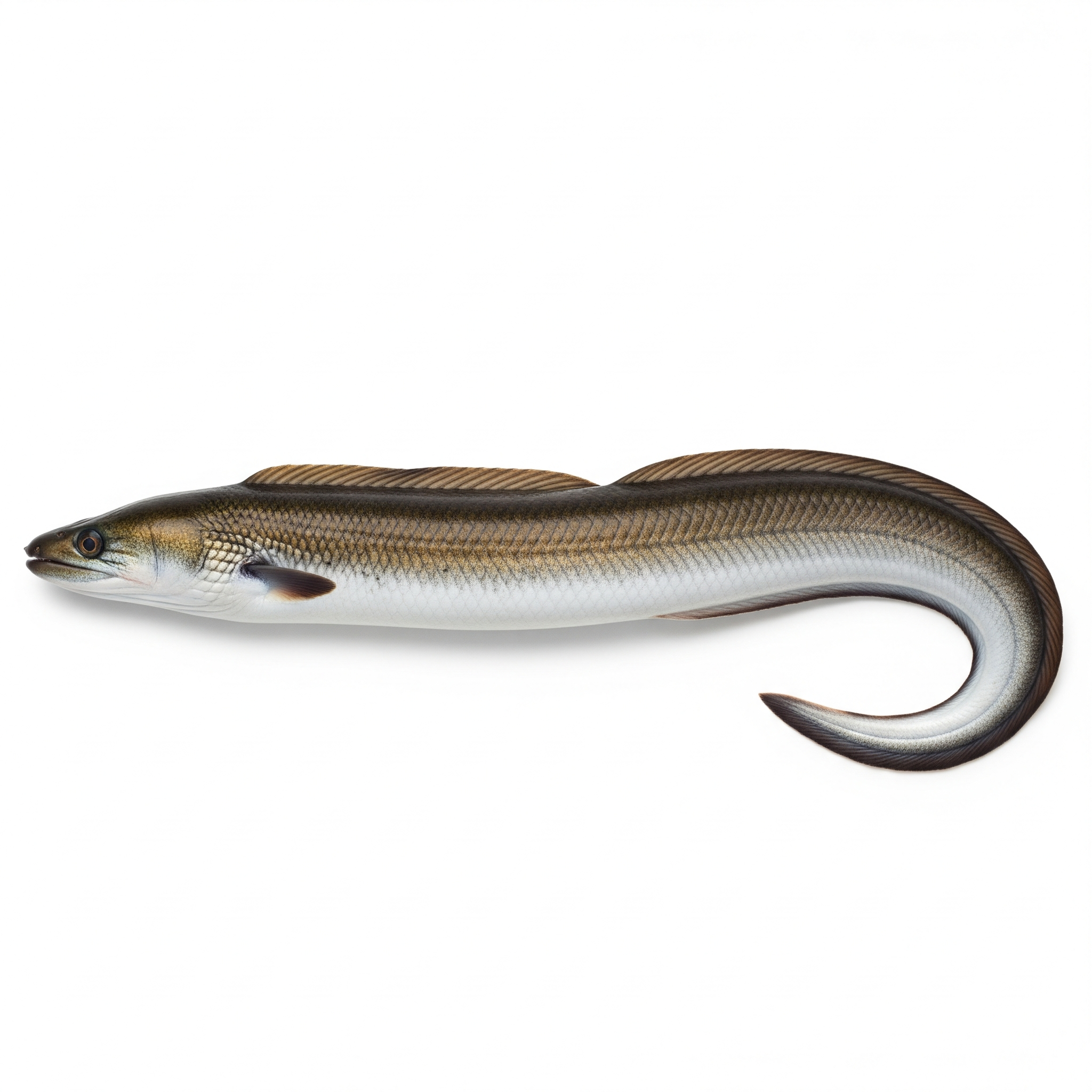
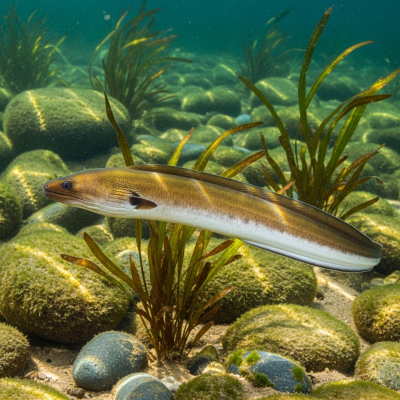
This species features a long, slender, cylindrical body reaching 60 to 80 centimeters typically, with a maximum length up to 1 meter. Its smooth skin is dark brown to olive on the back, fading to pale yellow or white underneath. The dorsal, caudal, and anal fins form a continuous fin fringe, and pelvic fins are absent, giving it a distinctive serpentine silhouette.
The Japanese eel is catadromous, living in freshwater rivers, lakes, and estuaries before migrating to the western Pacific Ocean near the Mariana Islands to spawn. It is nocturnal, often burrowing in mud or sand during the day. Its unique life cycle and flavorful flesh make it highly valued in East Asian cuisine, especially in Japan where it is grilled as "unagi."
Bring this kind into your world illustrated posters, mugs, and shirts.
Archival print, museum-grade paper
Buy Poster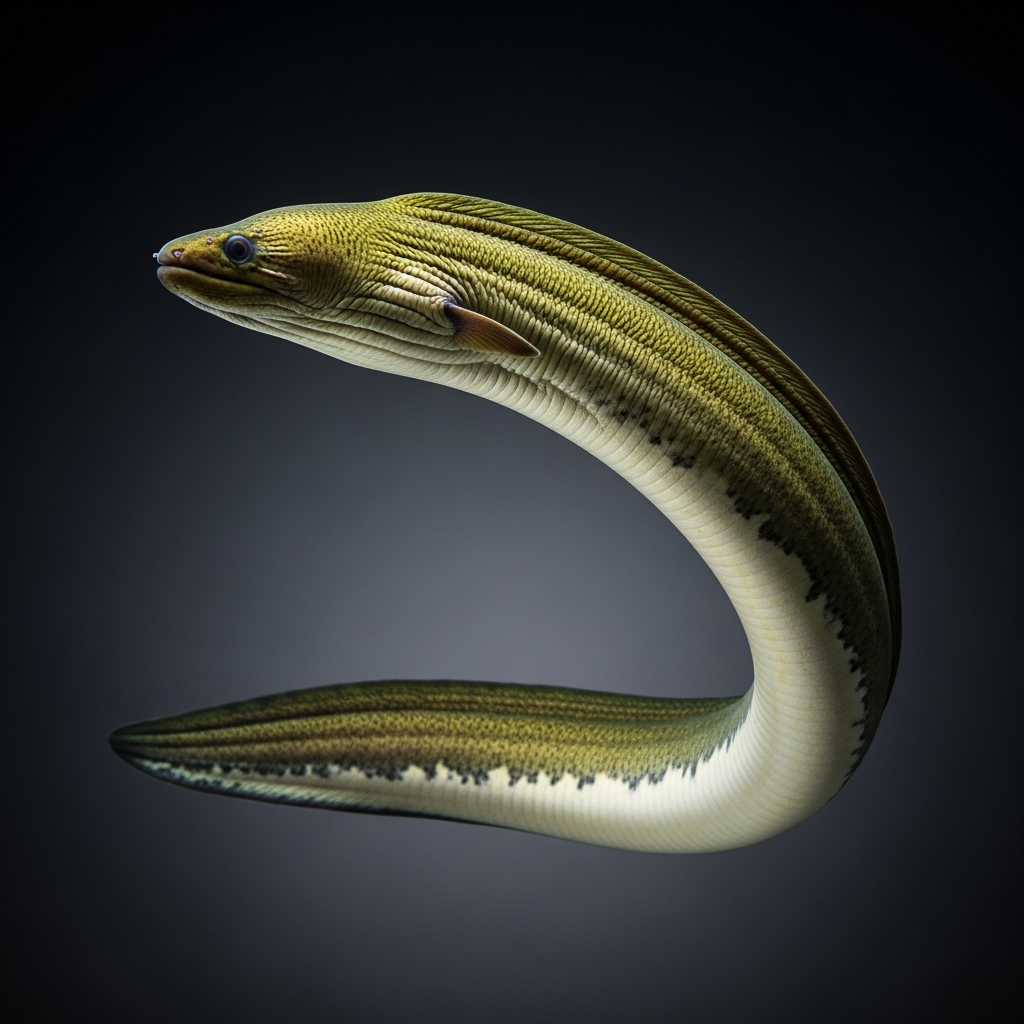
Stoneware mug, dishwasher safe
Buy Mug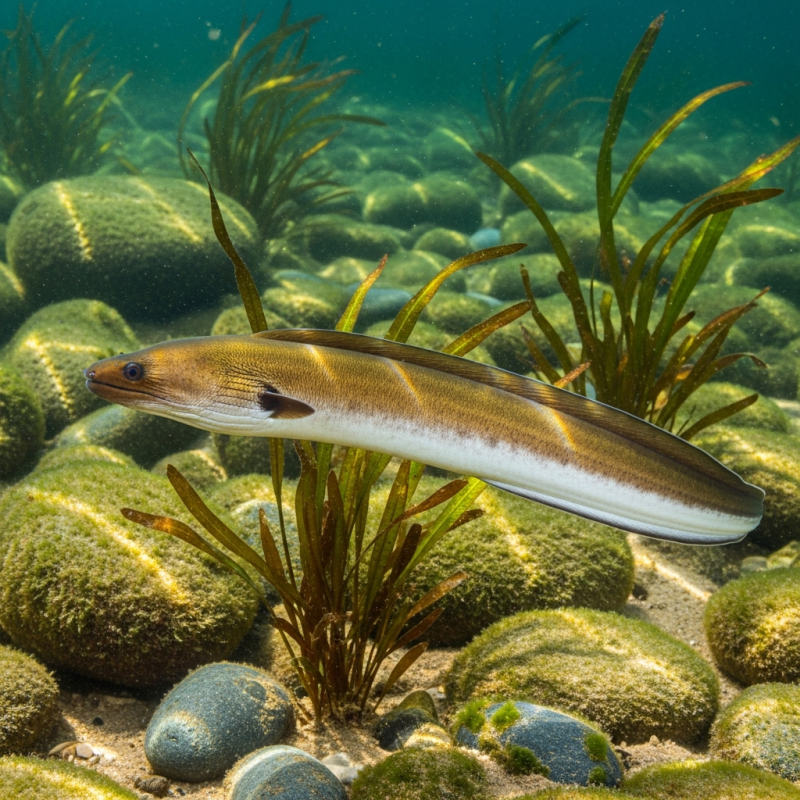
Soft cotton tee, unisex sizes
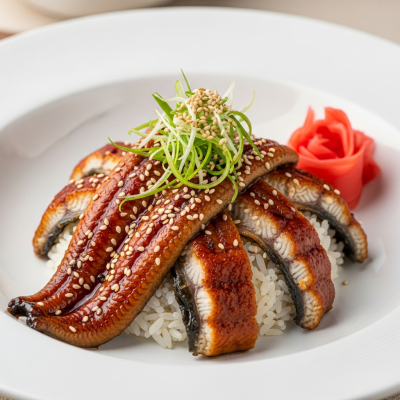
Buy ShirtIn East Asia, the Japanese eel holds great culinary and cultural importance. In Japan, it is celebrated as "unagi," a delicacy prepared in dishes like kabayaki and unadon. Its presence in traditional cuisine underscores its role as a keystone species, symbolizing both sustenance and seasonal culinary heritage.
The Japanese eel inhabits freshwater rivers, lakes, and estuaries across East Asia, including Japan, China, and Korea. For spawning, adults migrate to oceanic waters near the Mariana Islands in the western Pacific, completing a remarkable catadromous life cycle.
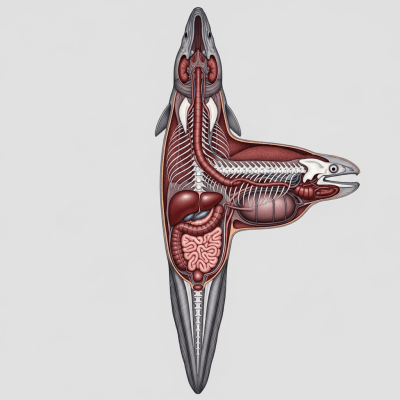
While specific diet details are limited, Japanese eels are carnivorous, feeding primarily at night. They consume a variety of aquatic organisms and use their slender, flexible bodies to hunt and burrow in sediment to find food.
The Japanese eel’s reproductive strategy is catadromous: adults mature in freshwater but migrate thousands of kilometers to oceanic spawning grounds near the Mariana Islands. After spawning, larvae called leptocephali drift with currents before transforming into transparent glass eels that return to freshwater habitats to grow and mature.
Japanese eel aquaculture relies heavily on capturing wild glass eels, as captive breeding remains challenging. Farming occurs mainly in Japan, China, and Taiwan, where eels are grown in freshwater ponds or tanks. Growth rates vary with habitat and food availability, and production yields fluctuate due to dependence on wild recruitment.
The Japanese eel faces significant conservation challenges from overfishing, habitat loss, and pollution. Its complex life cycle and reliance on wild glass eels for aquaculture make population management difficult. Increased regulation and sustainable sourcing efforts aim to protect this ecologically and culturally vital species.