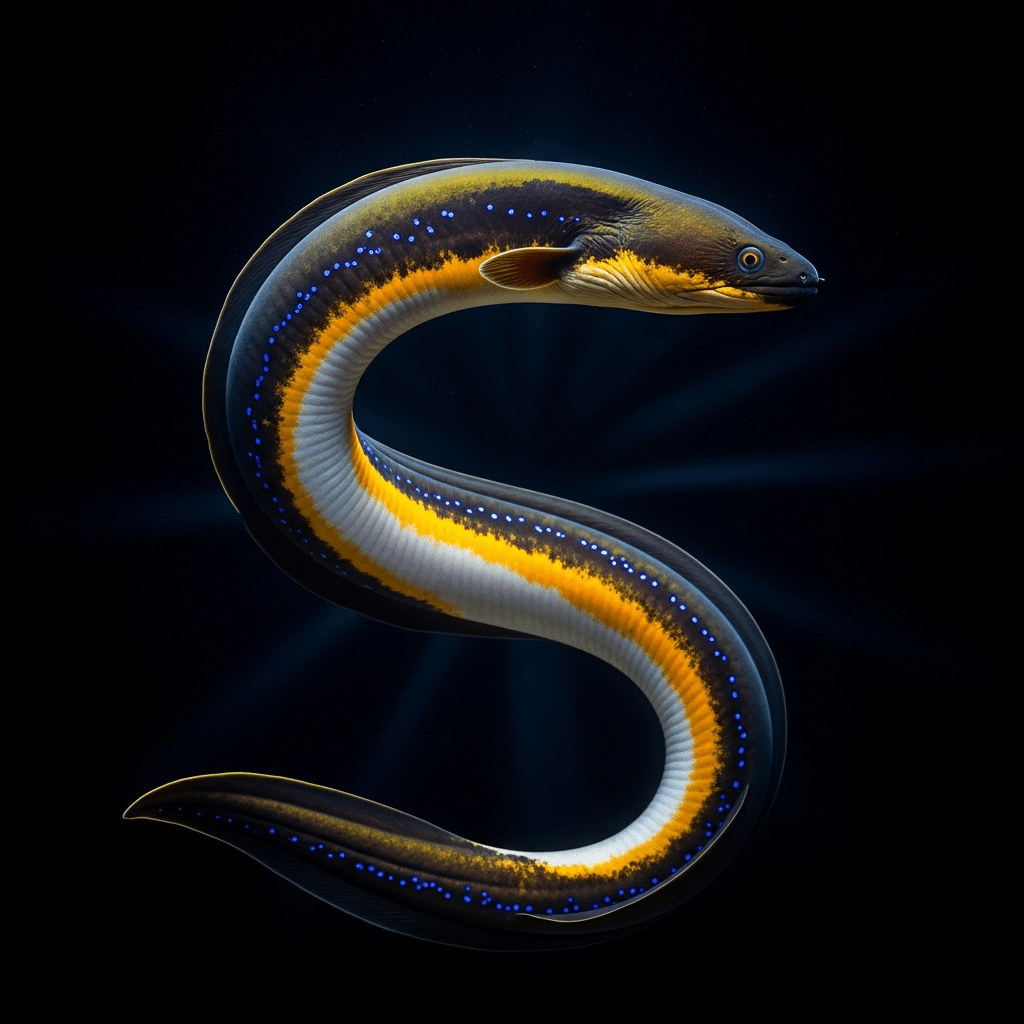
Electric Eel
The electric eel (Electrophorus electricus) is a freshwater fish famed for its remarkable ability to generate powerful electric shocks, used for hunting, navigation, and defense.
The electric eel (Electrophorus electricus) is a freshwater fish famed for its remarkable ability to generate powerful electric shocks, used for hunting, navigation, and defense.
First described by Carl Linnaeus in 1766, the electric eel is native to the Amazon and Orinoco river basins of South America. It remains a wild species with no known domesticated strains or captive breeding history.
Belonging to the family Gymnotidae and genus Electrophorus, the electric eel is a unique member of the freshwater knifefish group, distinguished by its electric organs and elongated body.
The electric eel has an elongated, cylindrical, and snake-like body lacking pelvic fins, with a long anal fin running nearly its entire length. Its coloration ranges from dark gray to brown on the back, fading to a lighter shade underneath. Notably, about 80% of its body length consists of specialized electric organs, and it breathes air through a highly vascularized mouth lining.
Electric eels use their electric discharges—both high-voltage shocks up to 600 volts and low-voltage pulses—for hunting prey, navigating murky waters, and deterring predators. As obligate air breathers, they surface regularly to gulp air. Their slow growth and large size make them challenging to keep in captivity, and they are primarily studied for their unique bioelectrical abilities.
Bring this kind into your world illustrated posters, mugs, and shirts.

Archival print, museum-grade paper
Buy Poster
Stoneware mug, dishwasher safe
Buy Mug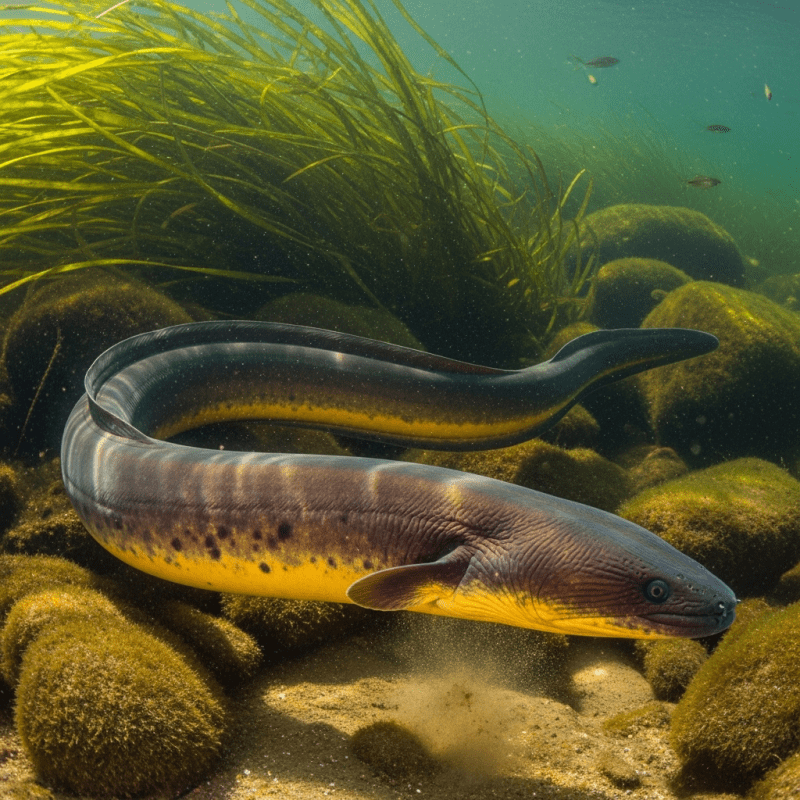
Soft cotton tee, unisex sizes
Buy ShirtWhile the electric eel holds little culinary or commercial value, it has captured human imagination through scientific research and public aquarium displays. Its extraordinary electric capabilities have inspired studies in neurobiology and electrophysiology, making it a symbol of nature's electrical wonders.
Electric eels inhabit freshwater environments characterized by hypoxic, muddy waters within the Amazon and Orinoco river basins of South America. Their adaptations allow them to thrive in low-oxygen conditions where many other fish struggle.
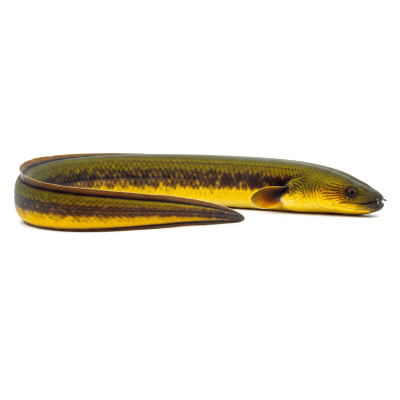
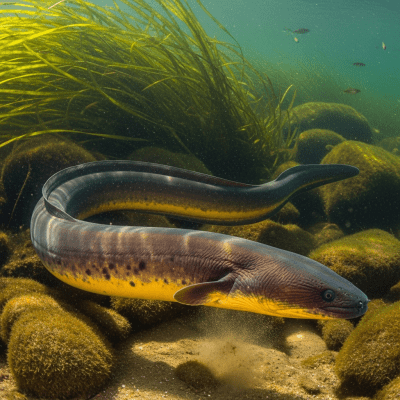
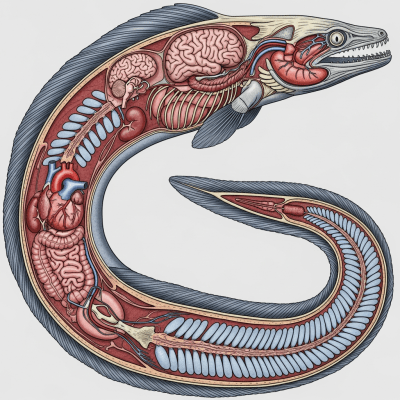

Electric eels use their electric shocks to stun prey, which typically includes fish and small aquatic animals. Their ability to deliver both high- and low-voltage pulses aids in locating and incapacitating food in murky waters.
Electric eels are oviparous, with males believed to construct nests during the rainy season for spawning. Detailed reproductive behaviors remain poorly documented, but they are thought to have a slow growth rate and a lifespan exceeding 15 years in the wild.
Electric eels are not farmed commercially and have no recognized aquaculture strains. Their large size, specialized habitat needs, and potential danger make them unsuitable for typical fish farming or commercial fishing.
While electric eels face threats from habitat loss and water pollution, their current population trends are not well documented. Their reliance on specific freshwater habitats makes them vulnerable to environmental changes, underscoring the importance of preserving their native ecosystems.