Bluefin Tuna
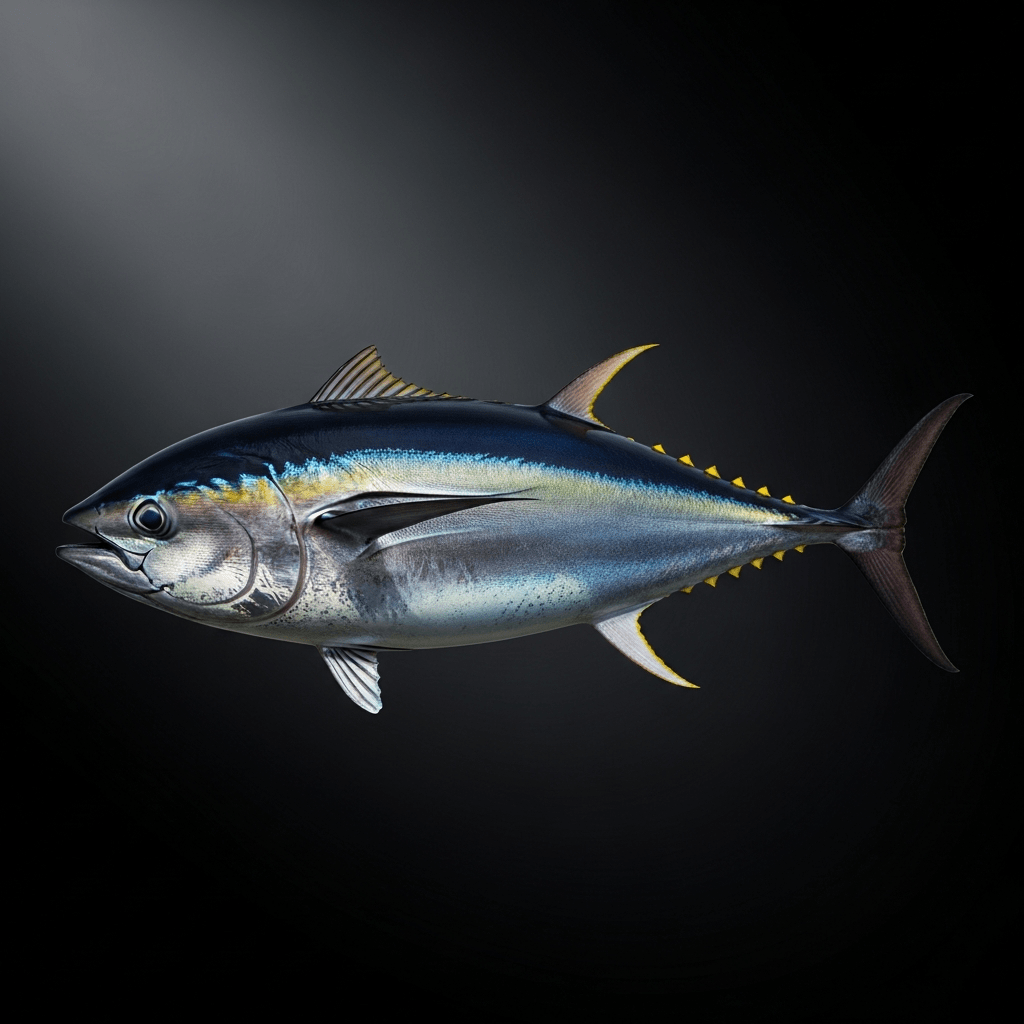
The Bluefin Tuna (Thunnus thynnus) is a large, fast-swimming pelagic fish known for its streamlined body, metallic blue coloration, and prized status in global seafood markets.
The Bluefin Tuna (Thunnus thynnus) is a large, fast-swimming pelagic fish known for its streamlined body, metallic blue coloration, and prized status in global seafood markets.
First described by Carl Linnaeus in 1758, the Bluefin Tuna is native to the Atlantic Ocean and Mediterranean Sea. While no domesticated breeds exist, experimental aquaculture and ranching efforts began in the late 20th century in countries like Japan, Spain, and Australia.
Belonging to the family Scombridae and genus Thunnus, the Bluefin Tuna is part of a group of large, migratory bony fish renowned for their speed and endurance in open oceans.
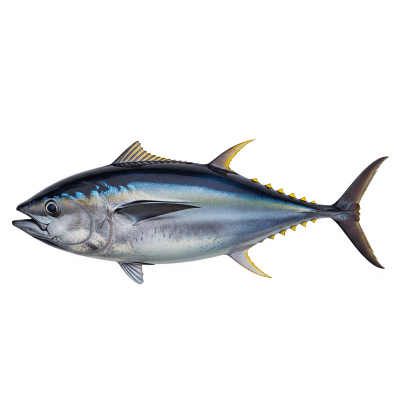
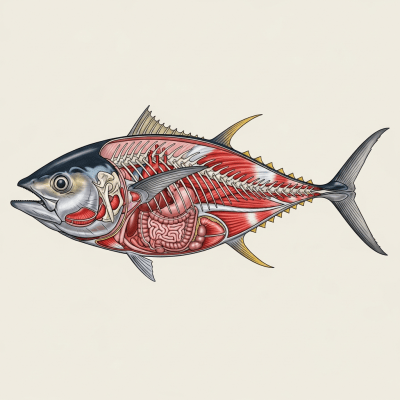
The Bluefin Tuna has a fusiform, torpedo-shaped body designed for swift swimming. Its dorsal side shines with metallic blue hues, contrasting with silvery ventral sides. Distinctive features include two dorsal fins, finlets trailing between the second dorsal and caudal fins, and retractable pectoral fins. This species is endothermic, allowing it to regulate body temperature above the surrounding water.
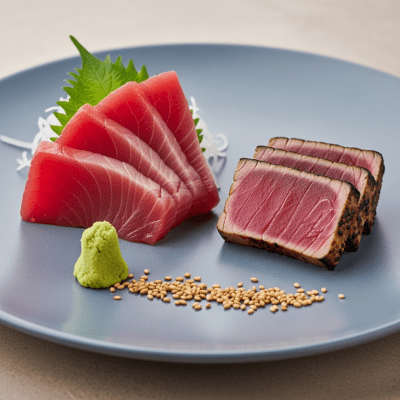
As an apex predator, the Bluefin Tuna feeds on fish, squid, and crustaceans, using speed and endurance to traverse vast ocean distances. It is highly valued by humans, especially in sushi and sashimi cuisine, where its fatty belly cut, known as "otoro," is considered a delicacy. Commercially, it is caught using purse seines, longlines, and traps, with some juveniles captured for fattening in sea pens.
Bring this kind into your world illustrated posters, mugs, and shirts.
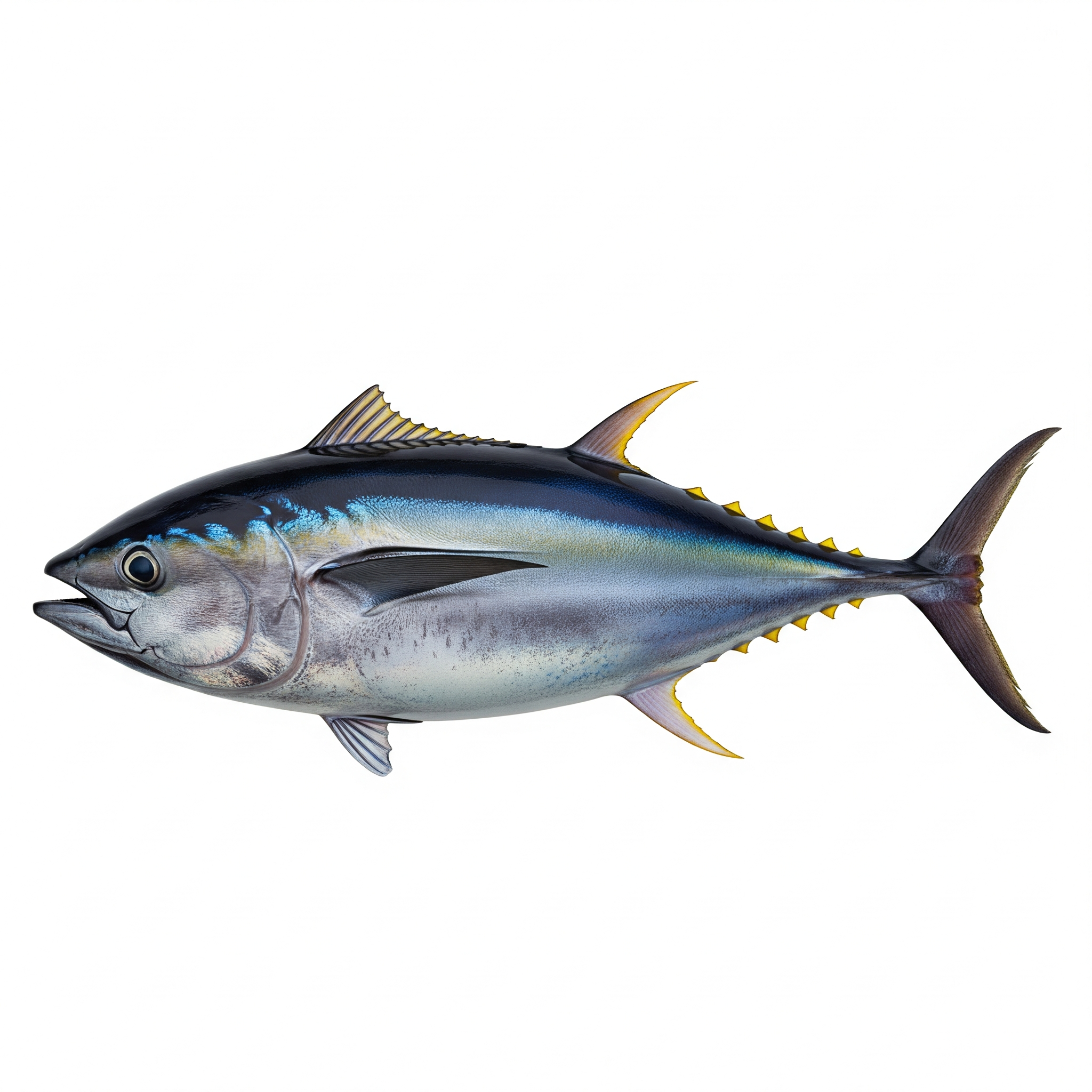
Archival print, museum-grade paper
Buy Poster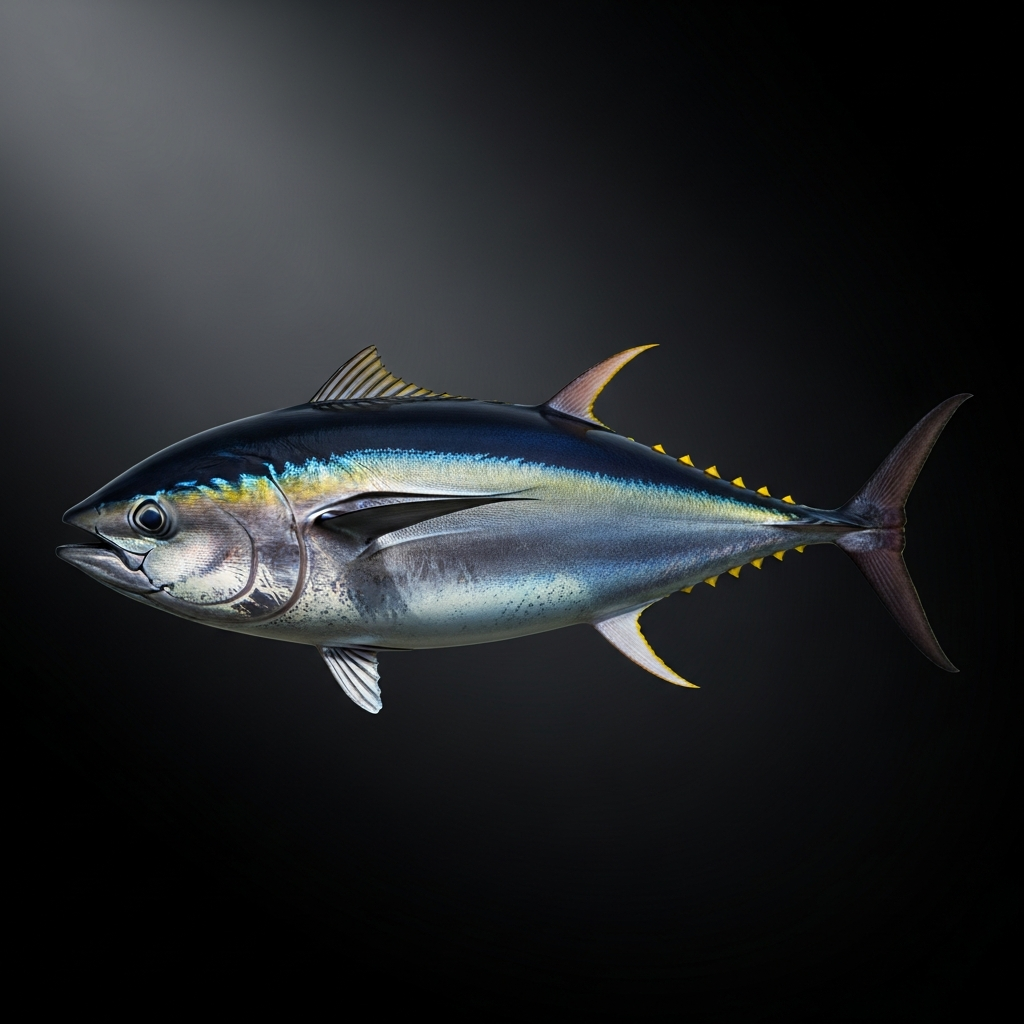
Stoneware mug, dishwasher safe
Buy Mug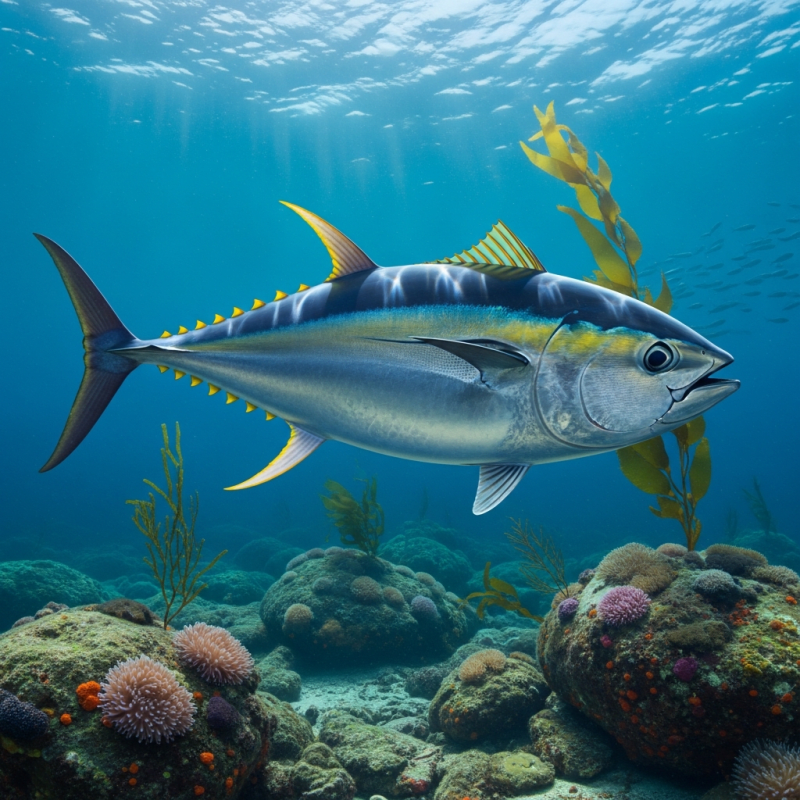
Soft cotton tee, unisex sizes
Buy ShirtThe Bluefin Tuna holds a prestigious place in culinary traditions, particularly in Japan, where it symbolizes luxury seafood. It features prominently in cultural auctions, culinary competitions, and is celebrated as an emblem of high-quality sushi and sashimi worldwide.
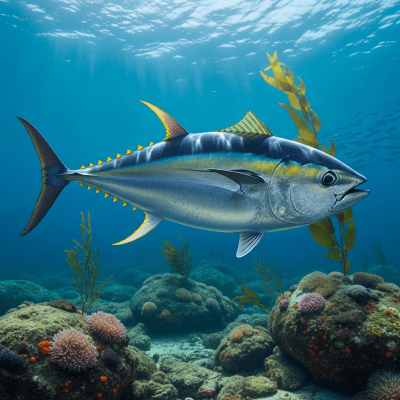
Bluefin Tuna are marine, pelagic fish inhabiting open ocean waters primarily in the Atlantic Ocean and Mediterranean Sea. They undertake long-distance migrations across these regions, favoring oceanic environments suited to their high-speed swimming and endothermic physiology.
As apex predators, Bluefin Tuna feed on a diet of fish, squid, and crustaceans. Their speed and endurance enable them to hunt effectively across vast oceanic ranges, making them dominant hunters in their marine ecosystems.
Bluefin Tuna reach sexual maturity between 4 and 8 years of age. Spawning occurs in specific oceanic areas such as the Gulf of Mexico and the Mediterranean Sea, where females release millions of eggs per season. The species has a lifespan of up to 40 years, with juveniles growing rapidly during early life stages.
Commercial fishing of Bluefin Tuna employs methods like purse seines, longlines, and traps. Some operations capture juveniles to fatten them in sea pens, a practice known as ranching. Experimental aquaculture efforts have been initiated since the late 20th century, focusing on breeding and rearing techniques to supplement wild stocks.
Bluefin Tuna populations face significant threats from overfishing due to their high market value. They are sensitive to handling stress and require careful management to prevent decline. International regulations, including quotas and trade controls, aim to protect the species and promote sustainable fishing practices.