Atlantic Mackerel
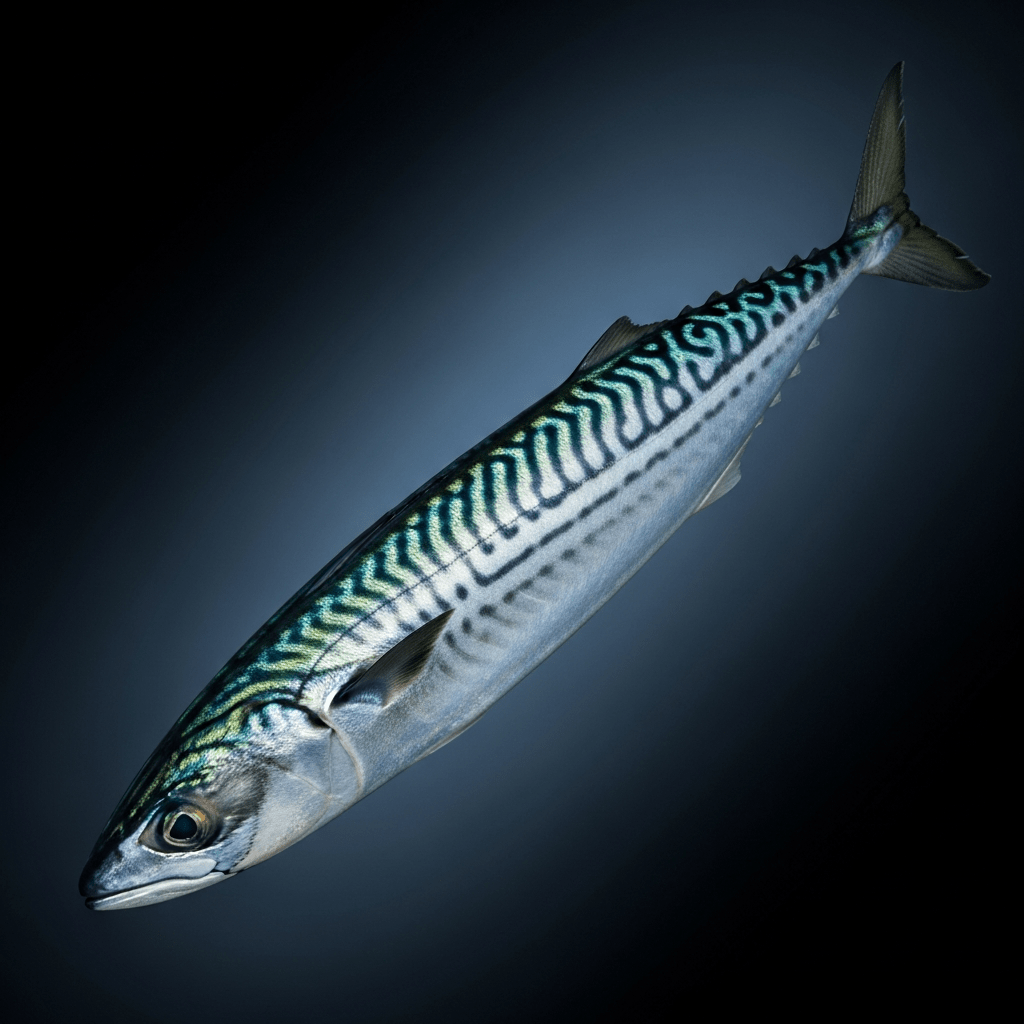
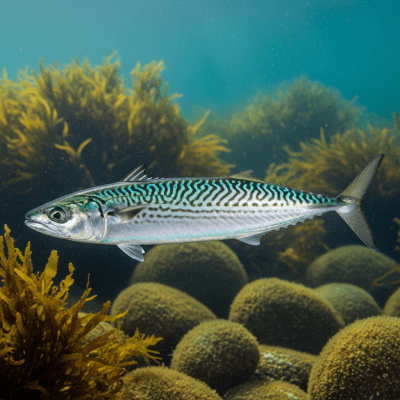
The Atlantic mackerel (Scomber scombrus) is a fast-swimming, pelagic marine fish known for its striking iridescent blue-green coloration and distinctive wavy stripes, playing a vital role in North Atlantic ecosystems and fisheries.
The Atlantic mackerel (Scomber scombrus) is a fast-swimming, pelagic marine fish known for its striking iridescent blue-green coloration and distinctive wavy stripes, playing a vital role in North Atlantic ecosystems and fisheries.
First formally described by Carl Linnaeus in 1758, the Atlantic mackerel is the type species of the genus Scomber. It naturally inhabits the North Atlantic, with no recorded history of domestication, existing as a wild species throughout its range.
Belonging to the family Scombridae, the Atlantic mackerel is classified within the genus Scomber and species scombrus. This family includes other important pelagic fish such as tunas and bonitos, all adapted for swift swimming in open waters.
The Atlantic mackerel has a streamlined, fusiform body designed for speed, typically measuring 30–40 cm in length and weighing up to 3.4 kg. Its dorsal surface shimmers with metallic blue-green hues marked by 20 to 30 dark, wavy stripes, contrasting with a silvery white belly. Notable features include two dorsal fins, a deeply forked tail, and the absence of a swim bladder, which necessitates constant swimming.
This species is highly migratory and forms large schools, moving seasonally between feeding and spawning grounds. It is prized commercially for its oily, omega-3-rich flesh, consumed fresh, smoked, salted, canned, or frozen. Additionally, Atlantic mackerel serves as bait in other fisheries, highlighting its multifaceted utility.
Bring this kind into your world illustrated posters, mugs, and shirts.
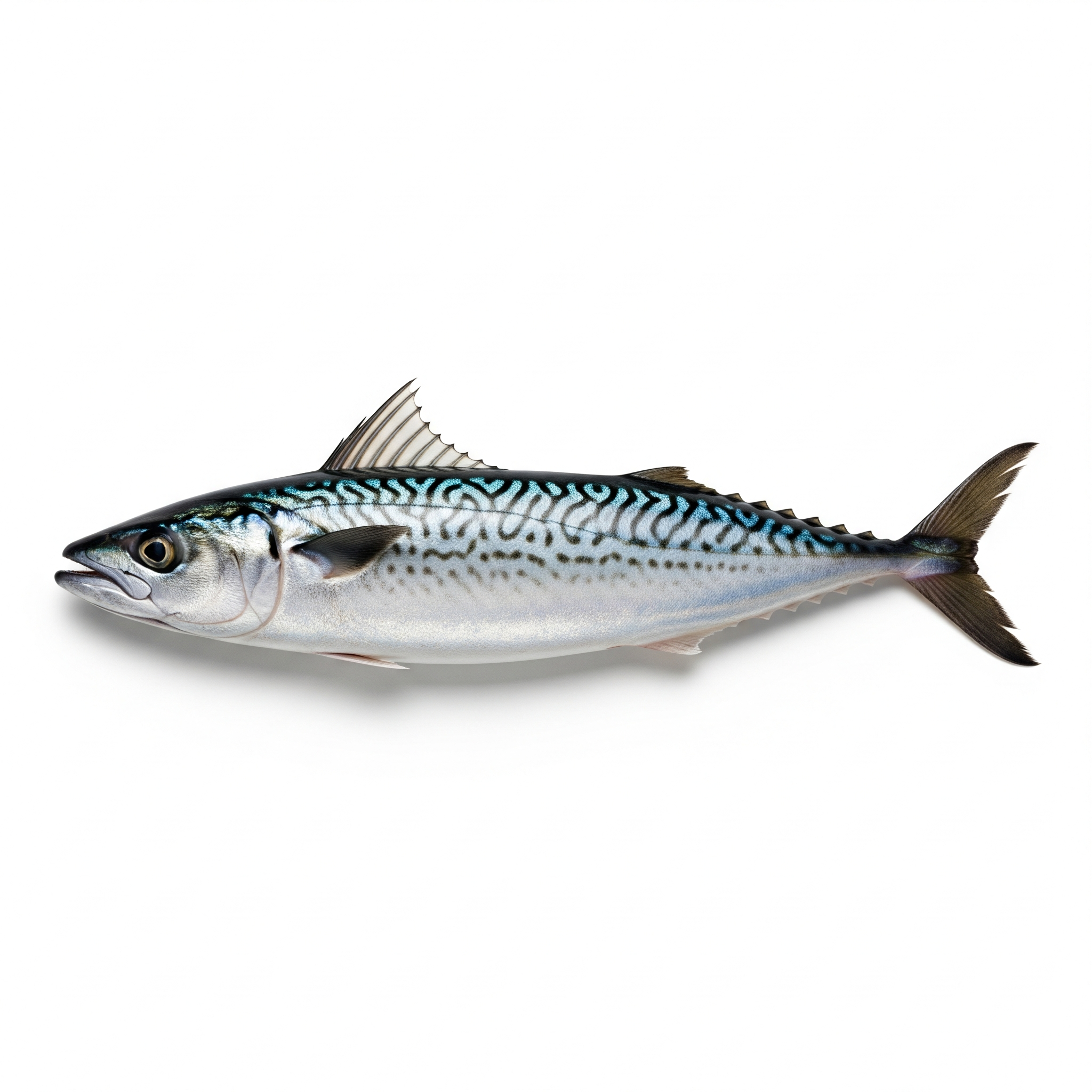
Archival print, museum-grade paper
Buy Poster
Stoneware mug, dishwasher safe
Buy Mug
Soft cotton tee, unisex sizes
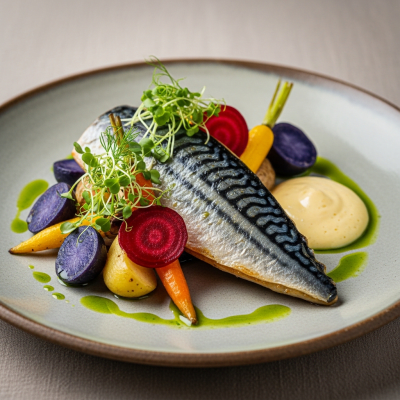
Buy ShirtAtlantic mackerel holds cultural importance in traditional cuisines across Norway, the United Kingdom, Portugal, and Japan. Its presence in regional dishes and markets underscores its longstanding role in the culinary heritage and fishing communities of these areas.
Atlantic mackerel occupies pelagic zones of the North Atlantic, migrating seasonally between feeding and spawning areas. It thrives in open marine waters, forming large schools that facilitate both survival and reproduction.

While specific diet details are not provided, Atlantic mackerel, as a pelagic predator, typically feeds on smaller fish, plankton, and invertebrates, using swift swimming to capture prey in open waters.
Atlantic mackerel reach sexual maturity between 2 and 3 years of age. Spawning occurs in spring and summer, releasing pelagic eggs and larvae into the marine environment, where early life stages develop before joining adult schools.
Atlantic mackerel is primarily wild-caught using purse seines, trawls, and gillnets. It exhibits rapid growth rates but lacks established aquaculture strains or breeding programs, relying on natural populations for commercial harvests.
The species is resilient to moderate fishing pressures but remains vulnerable to overexploitation and environmental changes. Sustainable management and certifications like MSC are increasingly important to ensure healthy population levels.