Red Snapper
The Red Snapper (Lutjanus campechanus) is a vibrant marine fish prized for its bright red coloration, firm flesh, and significant role in commercial and recreational fisheries across the western Atlantic Ocean.
The Red Snapper (Lutjanus campechanus) is a vibrant marine fish prized for its bright red coloration, firm flesh, and significant role in commercial and recreational fisheries across the western Atlantic Ocean.
First described by Felipe Poey in 1860, the Red Snapper originates from the western Atlantic, primarily inhabiting the Gulf of Mexico and southeastern United States coastal waters. This species has no history of domestication or artificial breeding, with all populations tracing back to wild marine stocks.
Belonging to the family Lutjanidae, the Red Snapper is classified within the genus Lutjanus and species campechanus. This places it among a diverse group of snappers known for their predatory habits and importance in marine ecosystems.
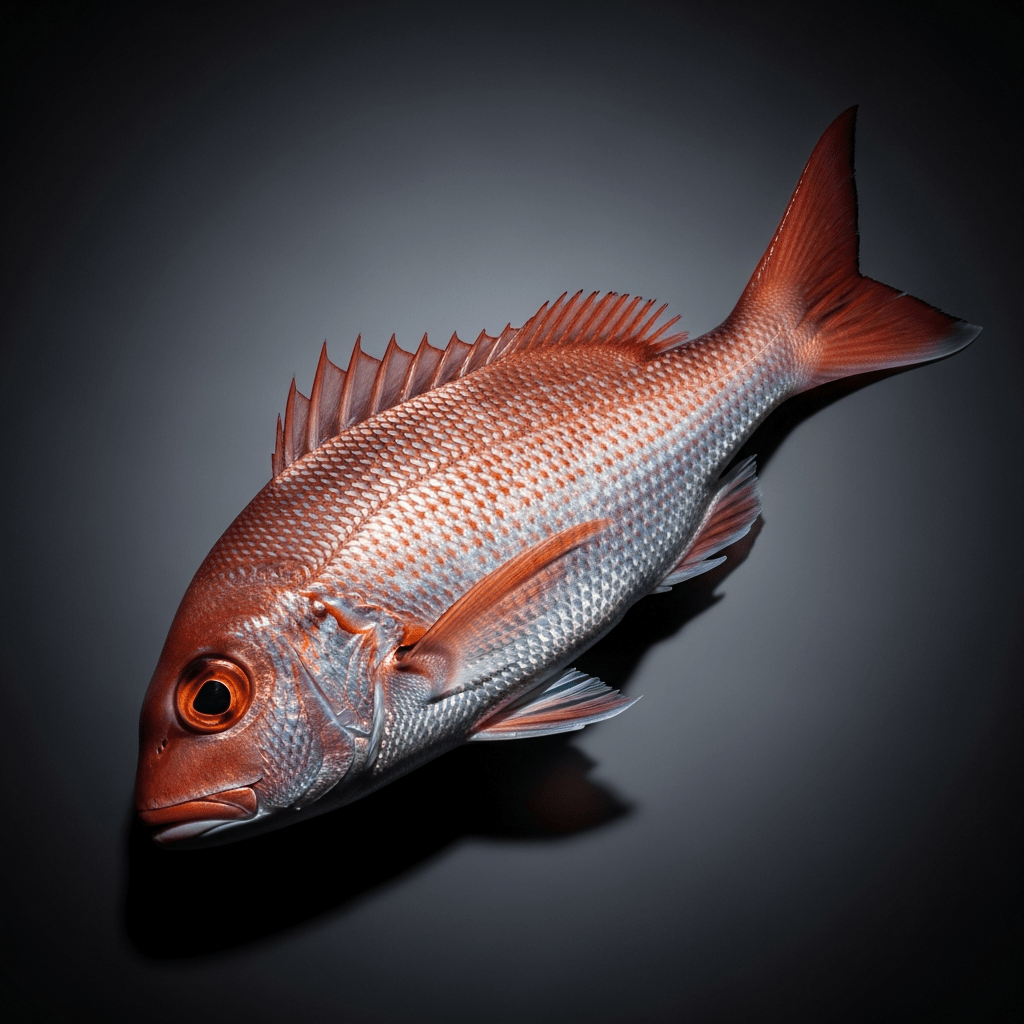
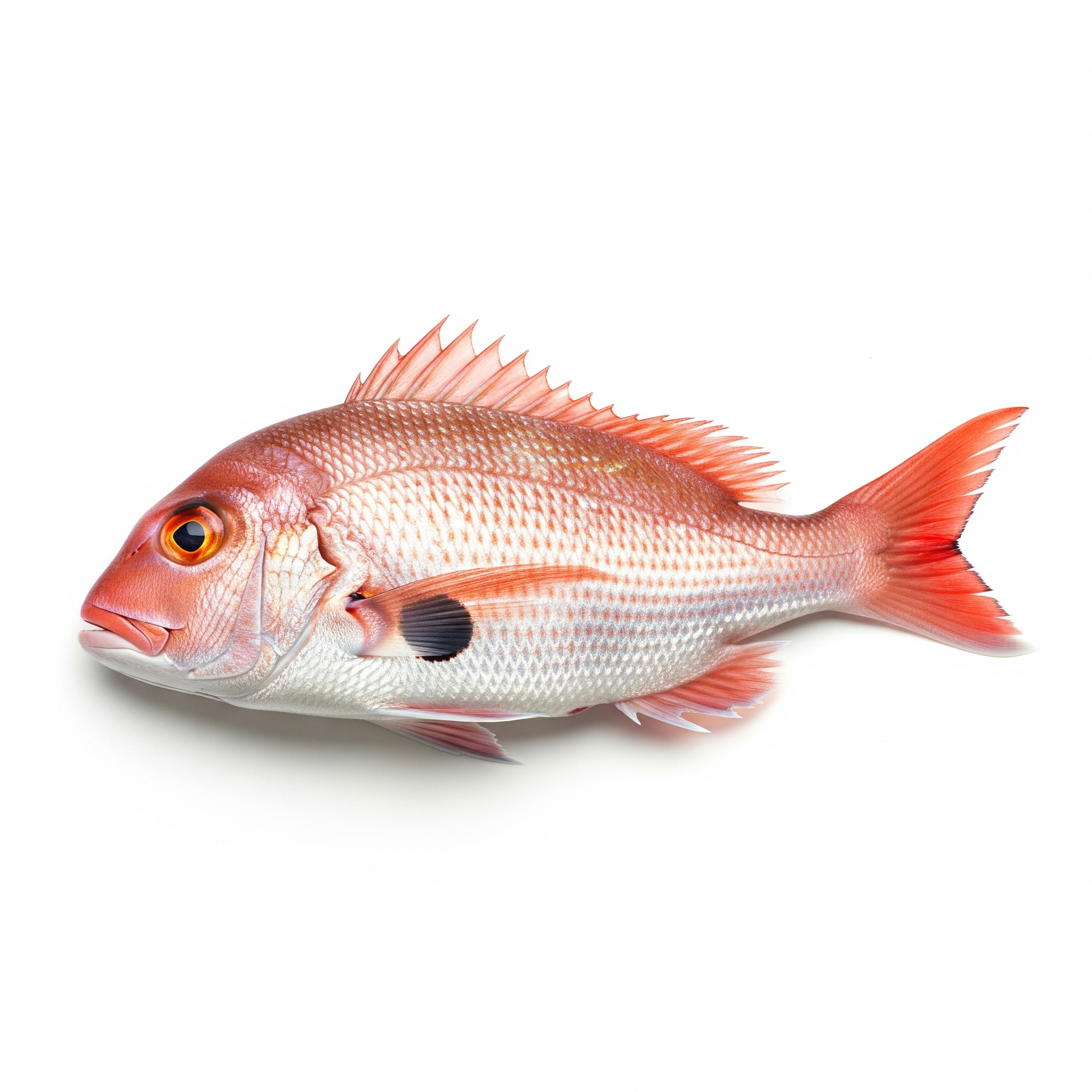
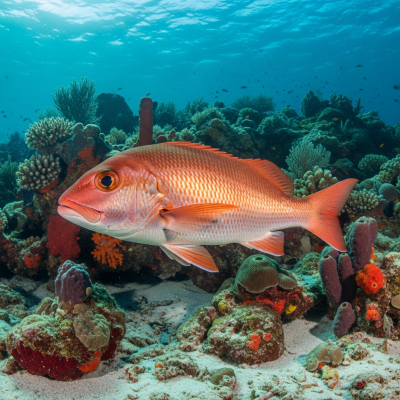
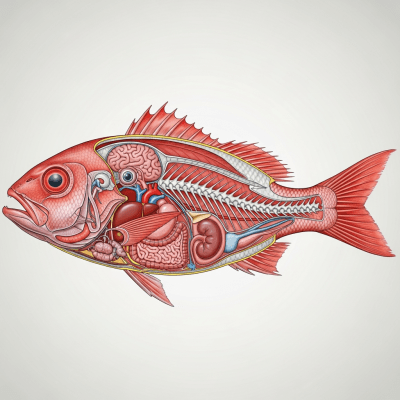
The Red Snapper features a deep, robust body with a pointed snout and a continuous dorsal fin composed of 10 spines and 14 soft rays. Its striking coloration ranges from bright red to pinkish hues on the back and sides, fading to lighter shades underneath. Juveniles often display a distinctive dark spot below the anterior dorsal fin. Notable physical traits include large canine teeth and a slightly forked tail fin. Adults typically measure between 60 and 100 centimeters, weighing up to 22.8 kilograms.
Demersal by nature, Red Snapper inhabit structured marine environments such as reefs, shipwrecks, and oil platforms at depths from 10 to 190 meters. They are opportunistic carnivores, feeding on smaller fish, crustaceans, and cephalopods. The species is highly valued by both commercial and recreational fishers, with strict management measures in place to ensure sustainable harvests.
Bring this kind into your world illustrated posters, mugs, and shirts.
Archival print, museum-grade paper
Buy Poster
Stoneware mug, dishwasher safe
Buy Mug
Soft cotton tee, unisex sizes
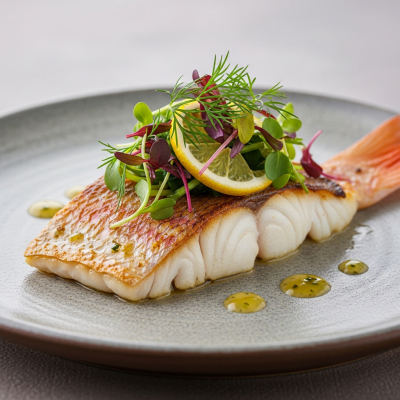
Buy ShirtRed Snapper holds a prominent place in North American, Caribbean, and Latin American cuisines, celebrated for its mild, slightly sweet flavor and firm texture. It is a staple in many traditional dishes and is commonly prepared grilled, baked, fried, or steamed. The species’ commercial and recreational importance has led to widespread recognition and regulatory attention, reflecting its cultural and economic significance in coastal communities.
Red Snapper inhabit marine, demersal zones along the western Atlantic, predominantly in the Gulf of Mexico and southeastern United States coastal waters. They favor structured habitats such as coral reefs, shipwrecks, and oil platforms, occupying depths from 10 to 190 meters where they find shelter and abundant prey.
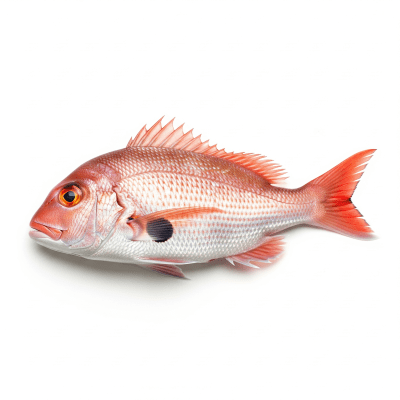
As opportunistic carnivores, Red Snapper feed on a varied diet including smaller fish, crustaceans, and cephalopods. Their large canine teeth assist in capturing and consuming these prey items, allowing them to thrive in diverse reef and wreck environments.
Red Snapper reach sexual maturity between 2 and 4 years of age. While specific spawning habitats are not well documented, they reproduce in marine environments, with individuals capable of living beyond 50 years. Their life cycle includes juvenile stages marked by distinctive coloration patterns that fade with maturity.
There are no established aquaculture strains or breeding programs for Red Snapper; all supply comes from wild populations. Commercial and recreational fishing are tightly regulated through quotas, size limits, and seasonal closures to address past overfishing and ensure sustainable harvests. Fishing methods typically target demersal habitats where the species congregates.
Due to historical overfishing, Red Snapper populations have been subject to strict management and conservation efforts. Regulatory measures include catch quotas, size restrictions, and seasonal closures aimed at rebuilding stocks. While currently not classified as endangered, ongoing monitoring and sustainable practices remain critical to maintain healthy populations.