Origin Story
The origin of birds traces back to the Mesozoic Era, evolving from theropod dinosaurs millions of years ago. Over time, these early avian ancestors developed feathers and flight capabilities, adapting to various environments worldwide. Birds have since diversified extensively, occupying nearly every habitat on Earth, from dense forests to open oceans.
Classification
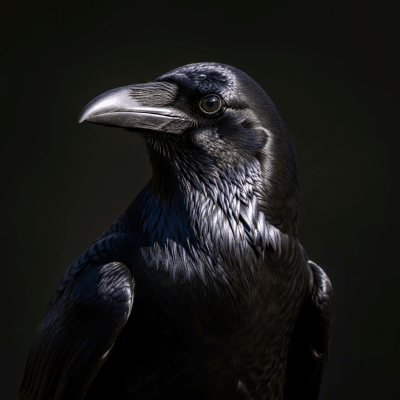
Birds belong to the class Aves within the animal kingdom and are systematically classified through a hierarchical structure including orders, families, genera, and species. This taxonomy employs binomial nomenclature, such as Corvus corax for the Common Raven, and often uses suffixes like '-idae' for families and '-iformes' for orders. Modern classification integrates evolutionary relationships alongside traditional morphological and ecological traits.
Appearance or Form
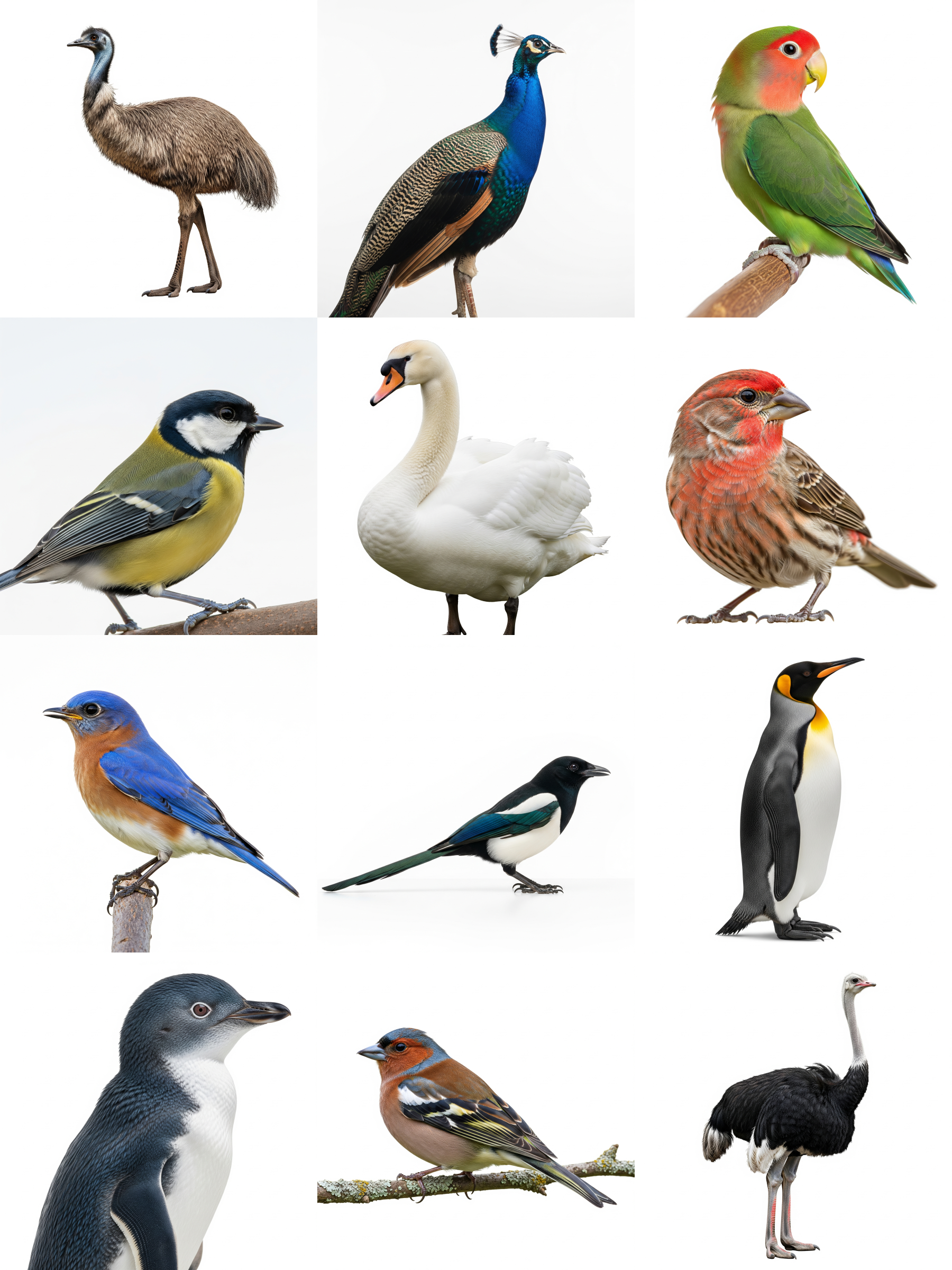
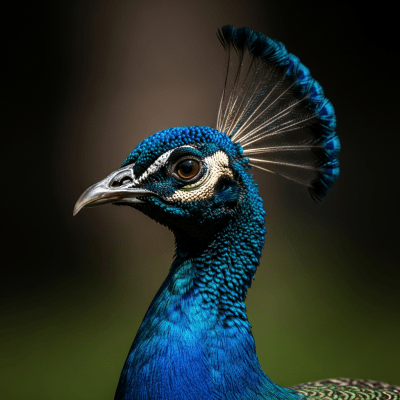
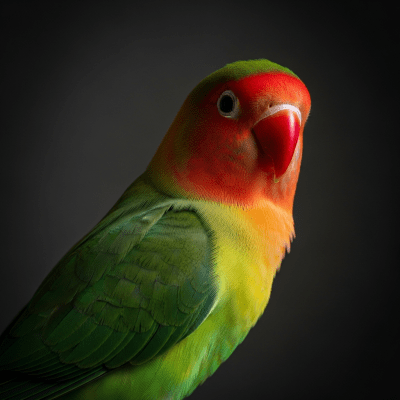
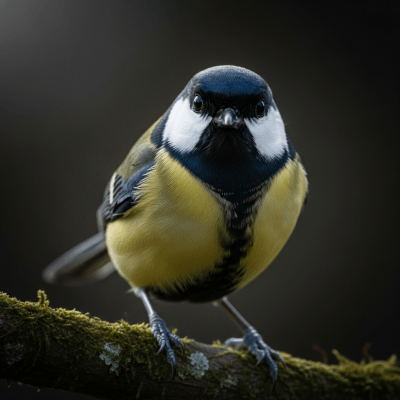
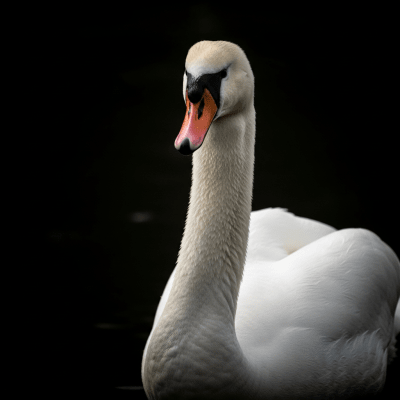
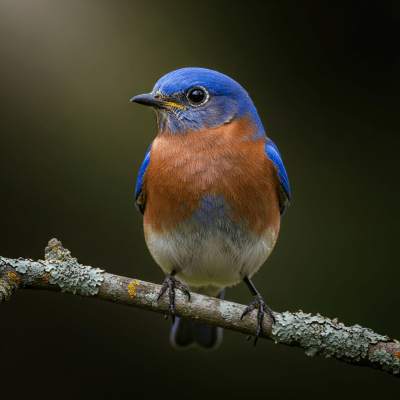
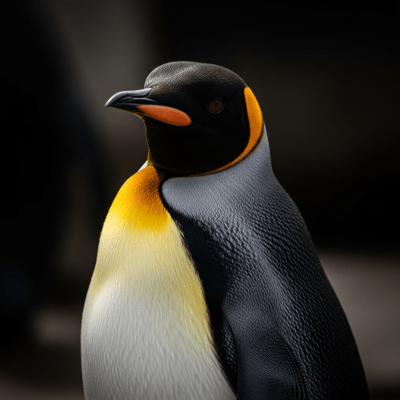
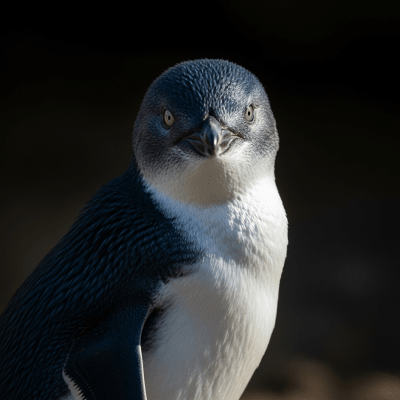
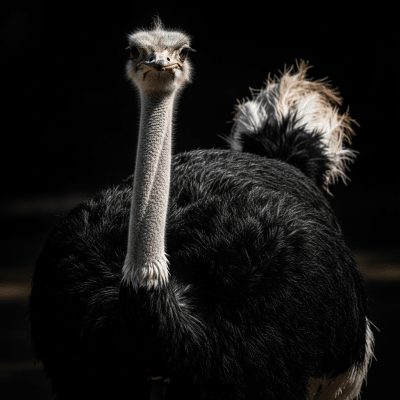
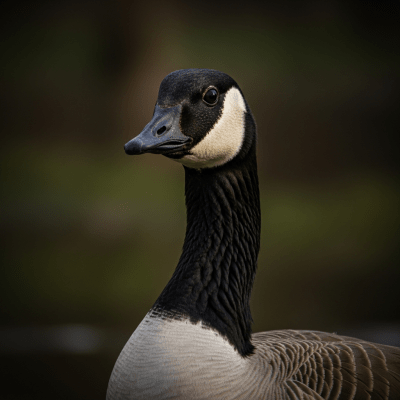
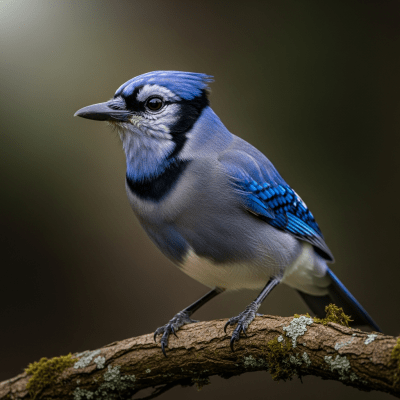
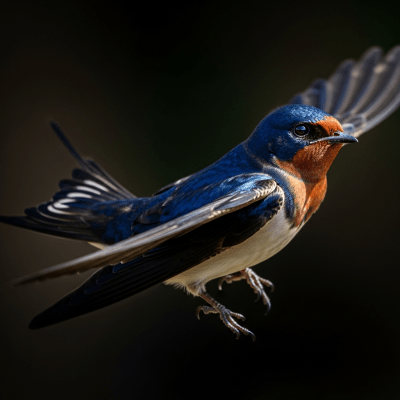
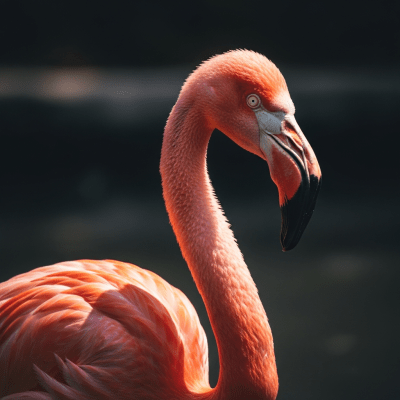
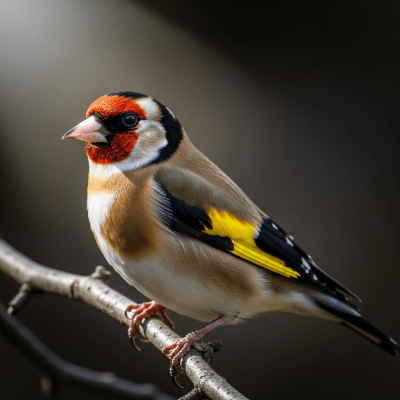
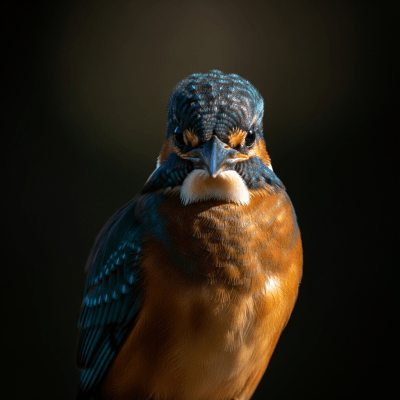
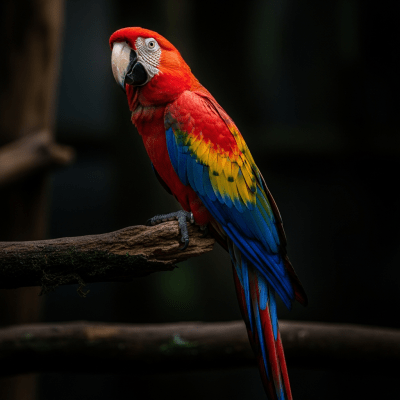
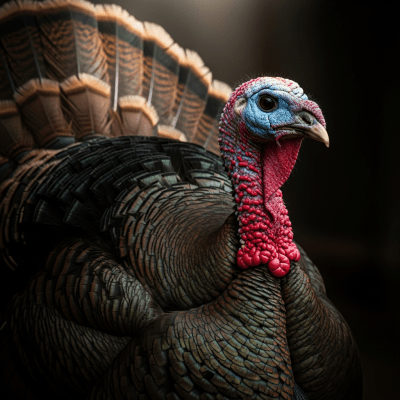
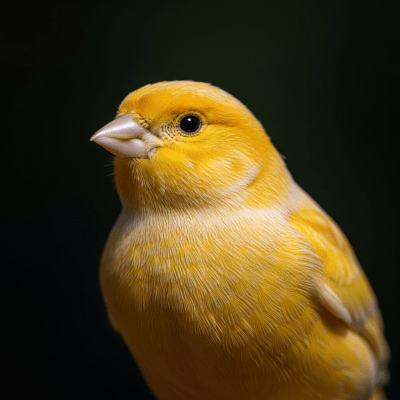
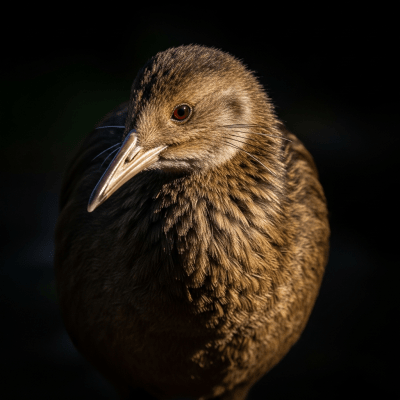
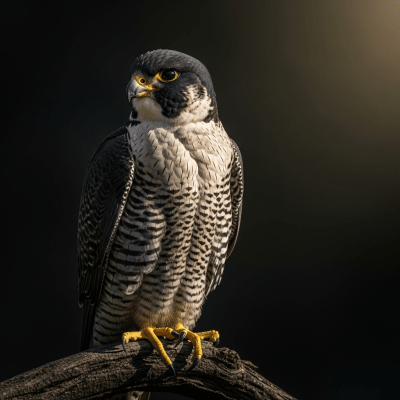
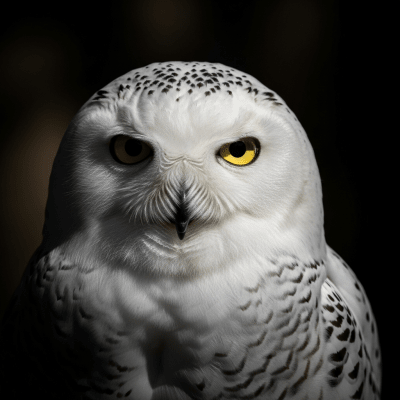
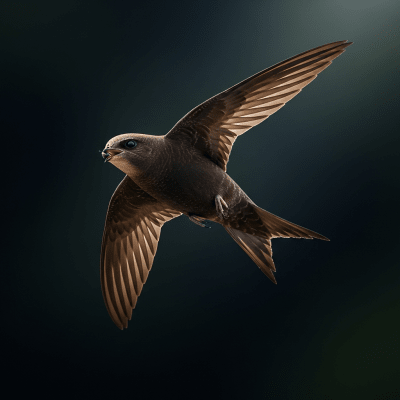
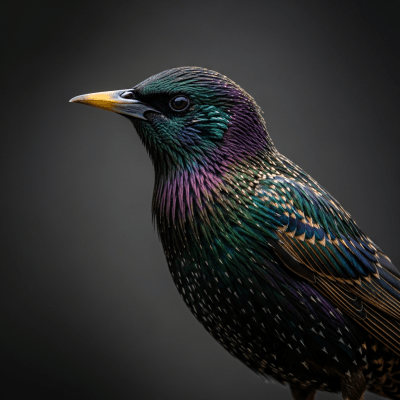
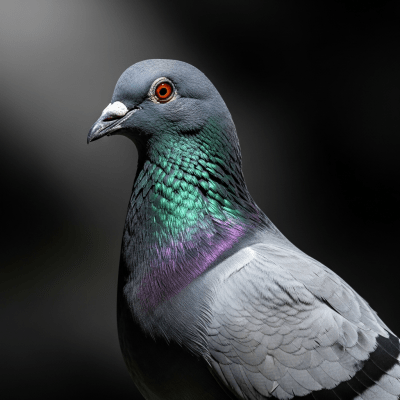
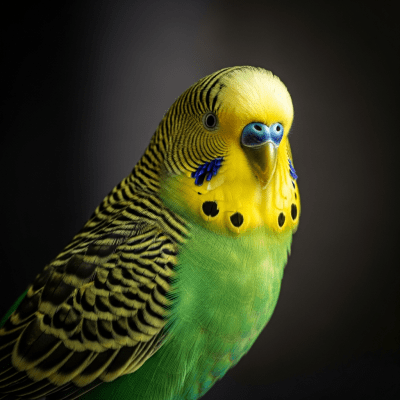
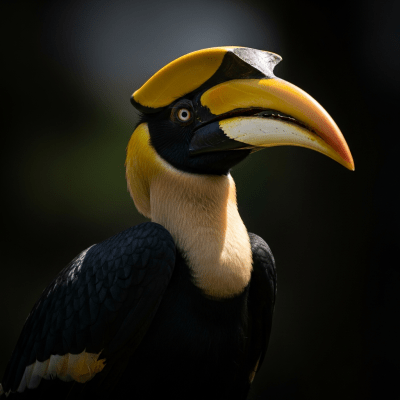
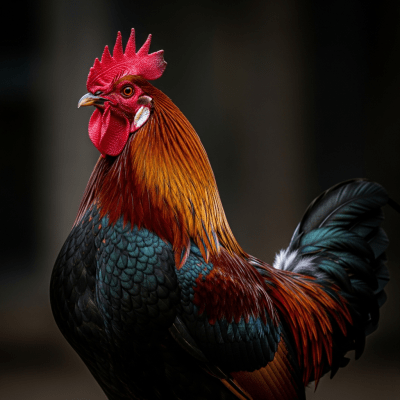
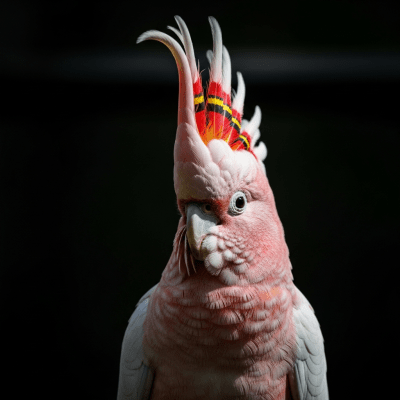
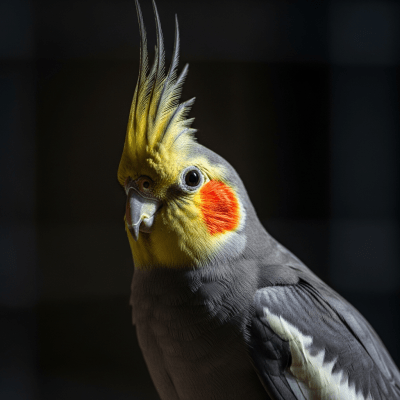
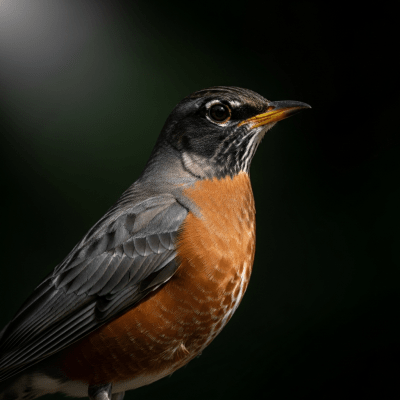
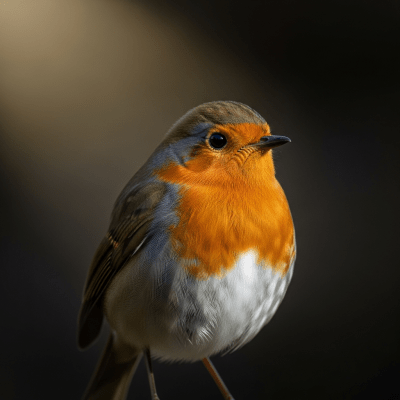
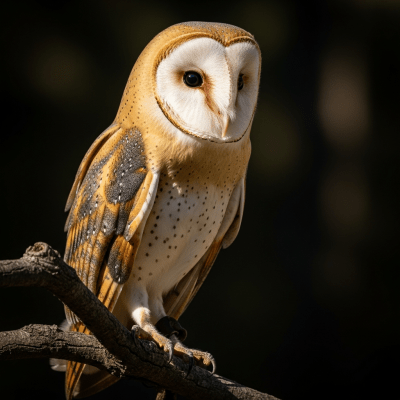
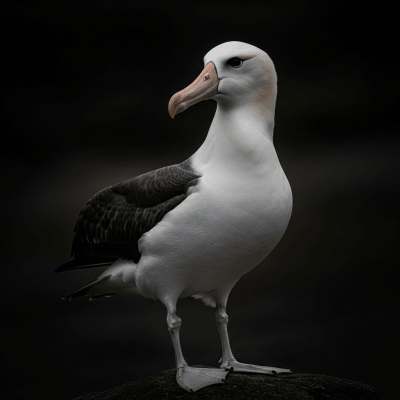
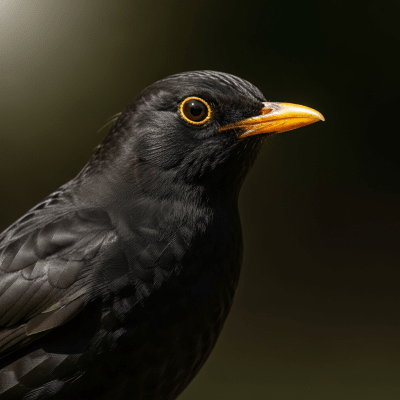
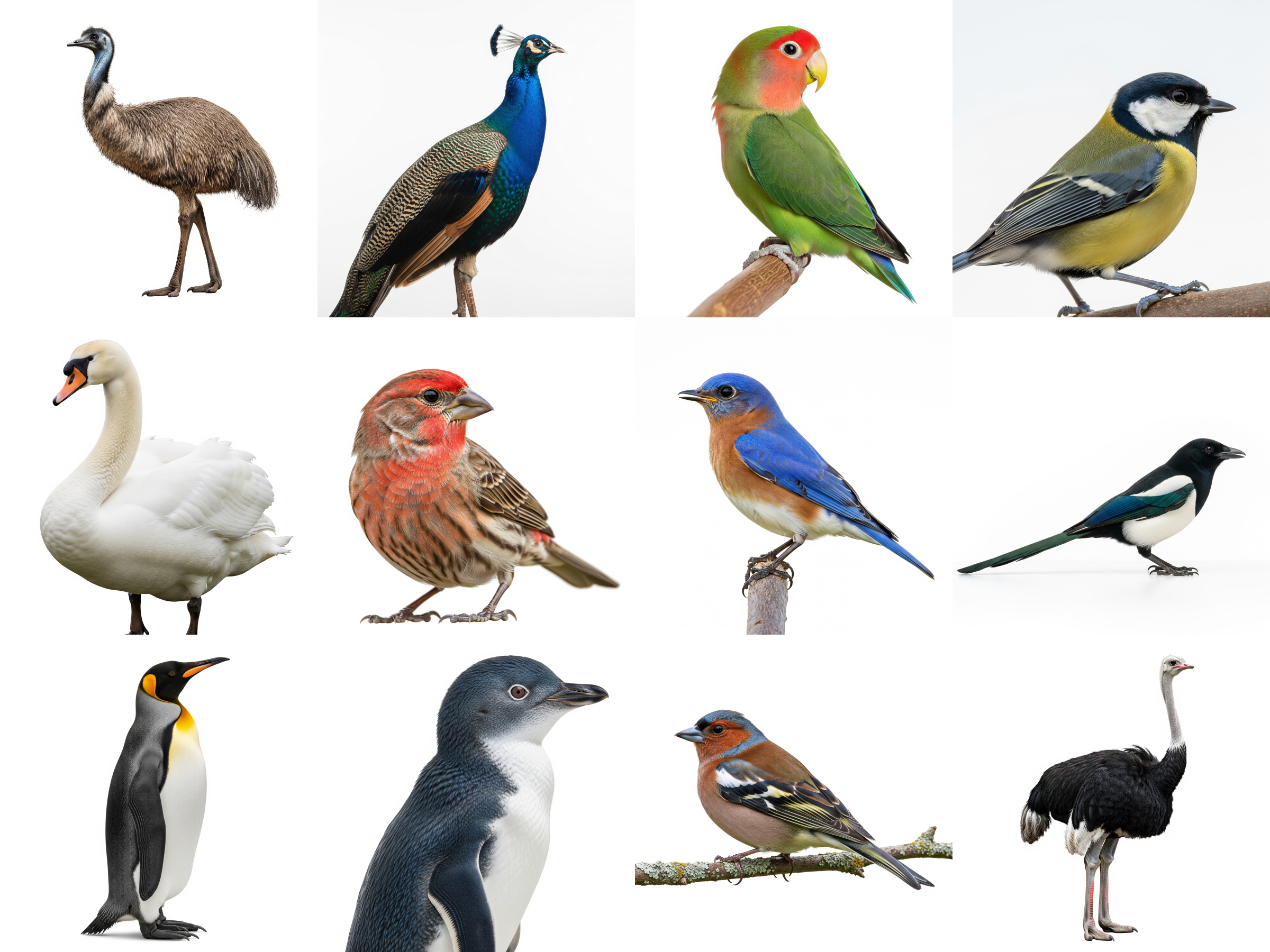
Birds exhibit a wide range of physical forms, but all share key features such as feathers, beaks without teeth, and lightweight skeletons adapted for flight. Their sizes vary dramatically, from tiny hummingbirds to large flightless species like ostriches. Plumage colors and patterns serve functions from camouflage to mating displays, while wing shapes reflect diverse flying styles or terrestrial habits.
Behavior or Usage
Birds engage in a variety of behaviors including flight, migration, complex vocalizations, and social interactions. Humans have long interacted with birds for purposes such as aviculture, hunting, and birdwatching. Birds also play essential ecological roles as pollinators, seed dispersers, and indicators of environmental health, making them valuable both scientifically and culturally.