
Mozambique Tilapia
The Mozambique tilapia (Oreochromis mossambicus) is a resilient freshwater cichlid native to southeastern Africa, prized worldwide for its adaptability and importance in aquaculture.
The Mozambique tilapia (Oreochromis mossambicus) is a resilient freshwater cichlid native to southeastern Africa, prized worldwide for its adaptability and importance in aquaculture.
First described by Wilhelm Peters in 1852 from specimens in Mozambique's Zambezi River basin, the Mozambique tilapia has since been introduced globally to support fisheries and aquaculture. Its lineage belongs to the Oreochromis genus, closely related to other tilapias such as Nile and blue tilapia. Various strains and hybrids have been developed by research and commercial breeders worldwide.
The Mozambique tilapia is classified within the family Cichlidae, genus Oreochromis, species mossambicus. This places it among a diverse group of freshwater fishes known for complex behaviors and significant ecological and economic roles.
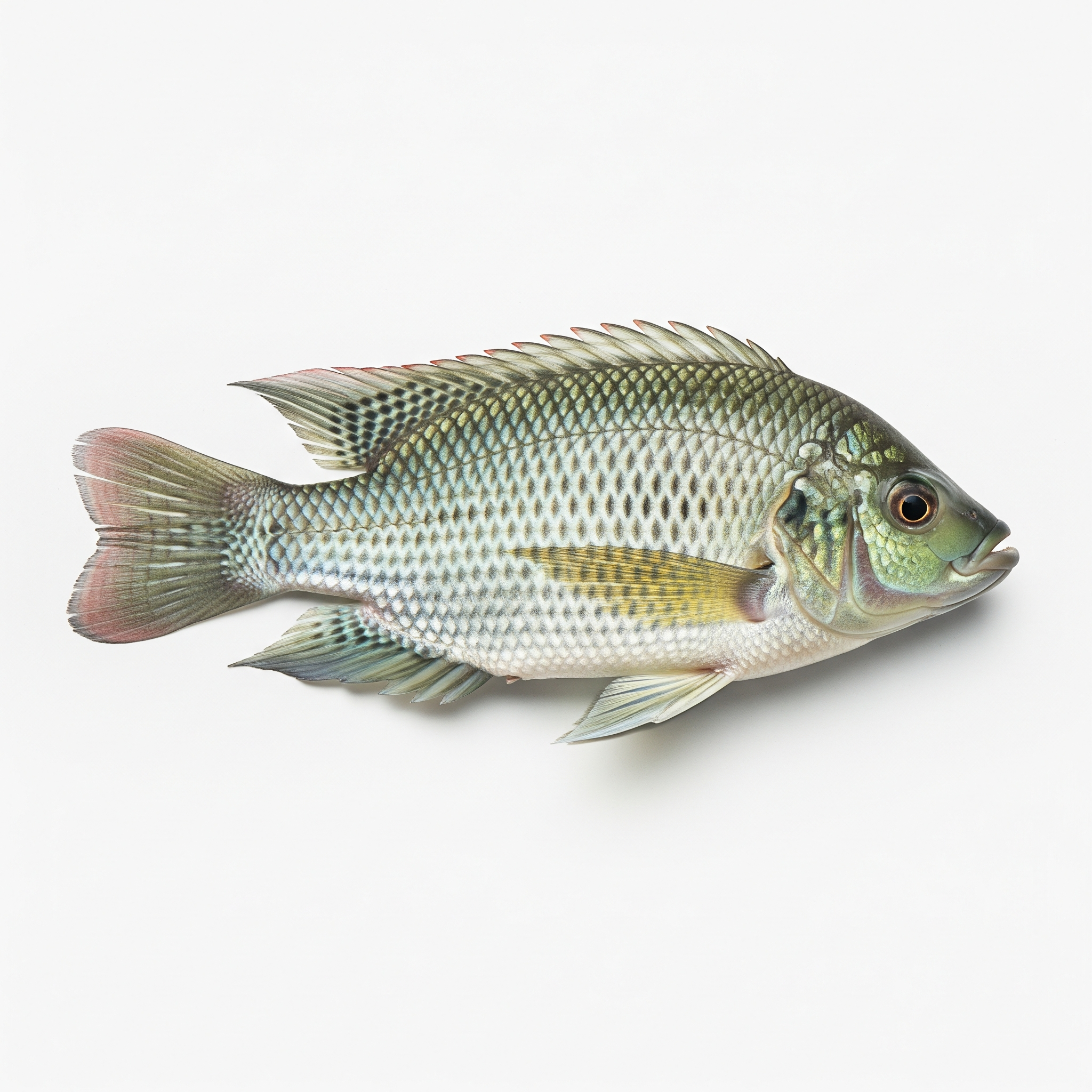
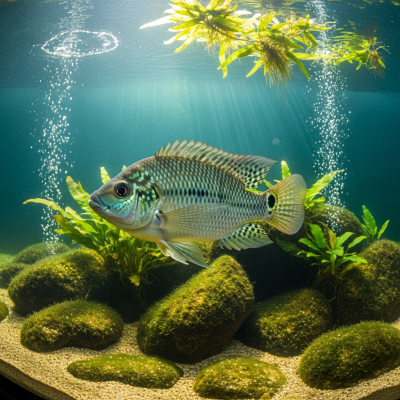
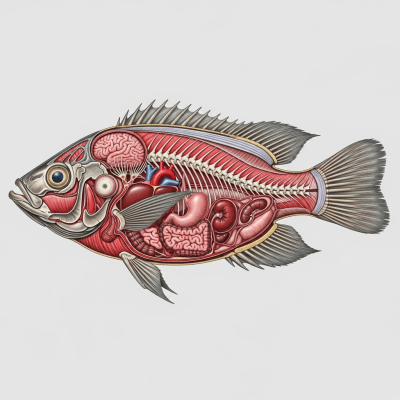
This species features a deep, laterally compressed body with a long dorsal fin comprising 15–18 spines and 10–15 soft rays. Its coloration ranges from olive to greyish with lighter undersides and faint vertical bars. During breeding, males often display reddish or yellowish hues on their throats and fins, adding to their distinctive appearance. Adults typically measure 20–40 cm in length and weigh up to 1.13 kg.
Mozambique tilapia is a mouthbrooder, with females incubating eggs and young fry in their mouths for up to two weeks. It is omnivorous, feeding on algae, detritus, small invertebrates, and plant matter. Noted for its tolerance to a wide range of salinities and temperatures, it thrives in diverse freshwater habitats and is widely farmed for food. However, it can hybridize with related species, which may affect genetic purity.
Bring this kind into your world illustrated posters, mugs, and shirts.
Archival print, museum-grade paper
Buy Poster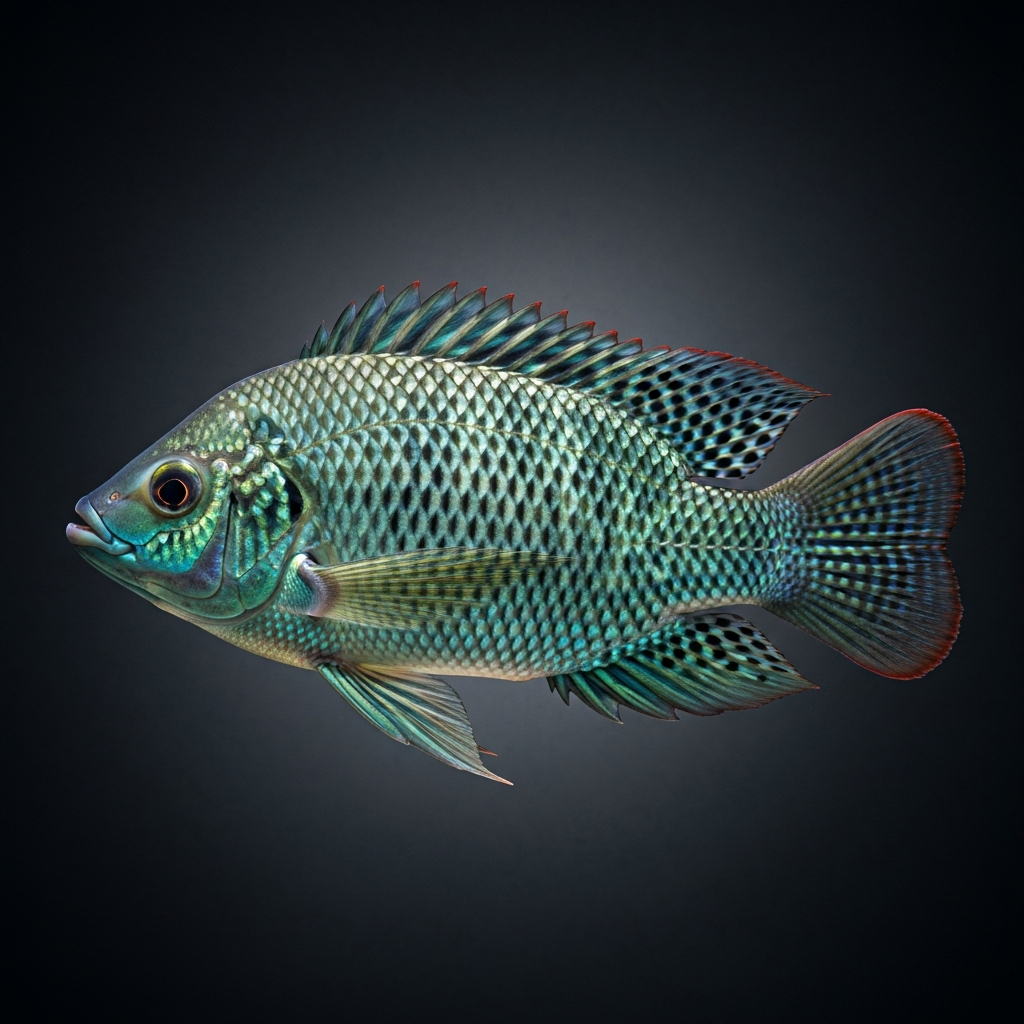
Stoneware mug, dishwasher safe
Buy Mug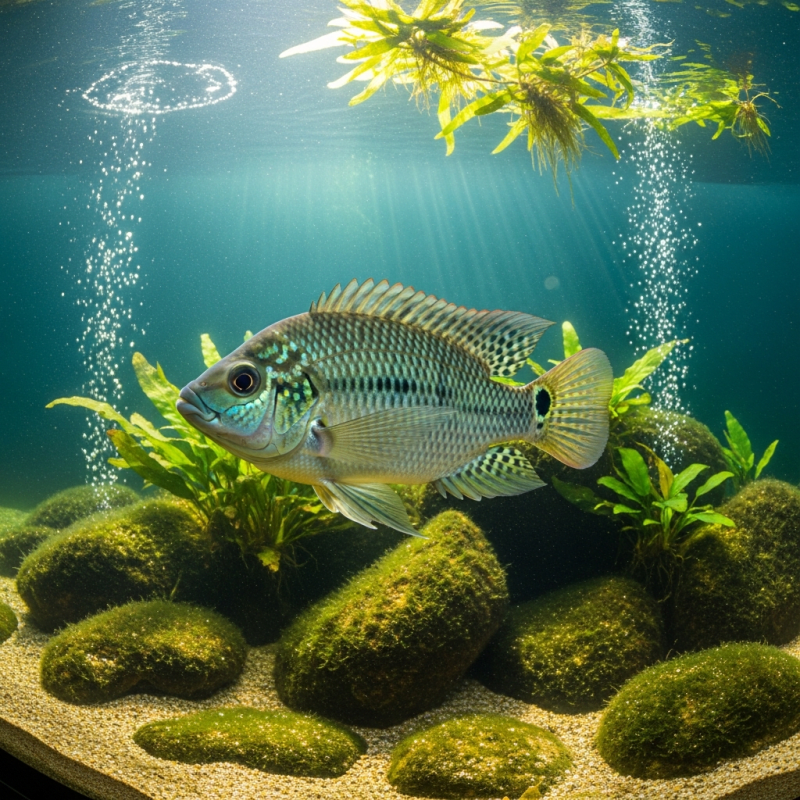
Soft cotton tee, unisex sizes
Buy ShirtAs a staple protein source in many regions, Mozambique tilapia holds cultural and economic importance, especially in subsistence and small-scale aquaculture. Its mild-flavored, firm white flesh is enjoyed grilled, fried, steamed, or in stews. In some areas, it is also recognized as an invasive species, impacting native aquatic ecosystems and prompting management efforts.
The Mozambique tilapia is native to freshwater habitats in southeastern Africa, particularly the Zambezi River basin in Mozambique. It inhabits rivers, lakes, and reservoirs and tolerates a broad range of environmental conditions, including brackish waters with salinities up to 20–25 ppt. Due to human introductions, it now occurs in parts of Asia, the Americas, and other African regions, often thriving in warm freshwater systems.

This omnivorous fish feeds on a varied diet including algae, detritus, small invertebrates, and plant material. Its flexible feeding habits allow it to exploit diverse food sources in different habitats, contributing to its adaptability and success in both wild and farmed environments.
Mozambique tilapia reaches sexual maturity between three and six months of age. Reproduction involves mouthbrooding, where females carry fertilized eggs and young fry in their mouths for 10 to 14 days, providing protection during early development. Spawning typically occurs in freshwater environments, with breeding behaviors influenced by water temperature and habitat conditions.
Extensively farmed worldwide, Mozambique tilapia is raised in ponds, cages, and reservoirs using selective breeding and hybridization techniques, especially with Nile tilapia, to improve growth and yield. Production yields range from 1 to 5 tons per hectare annually under intensive management. Its moderate growth rate and tolerance to variable water quality make it suitable for diverse aquaculture settings, though it requires careful management to prevent overcrowding and maintain genetic integrity.
While Mozambique tilapia populations are generally stable due to widespread farming and introduction, the species is considered invasive in many non-native regions, where it threatens local biodiversity. Its susceptibility to diseases and hybridization poses challenges for conservation and aquaculture. Management efforts focus on balancing its economic value with ecological impacts, ensuring sustainable use and protection of native fish communities.