Clownfish
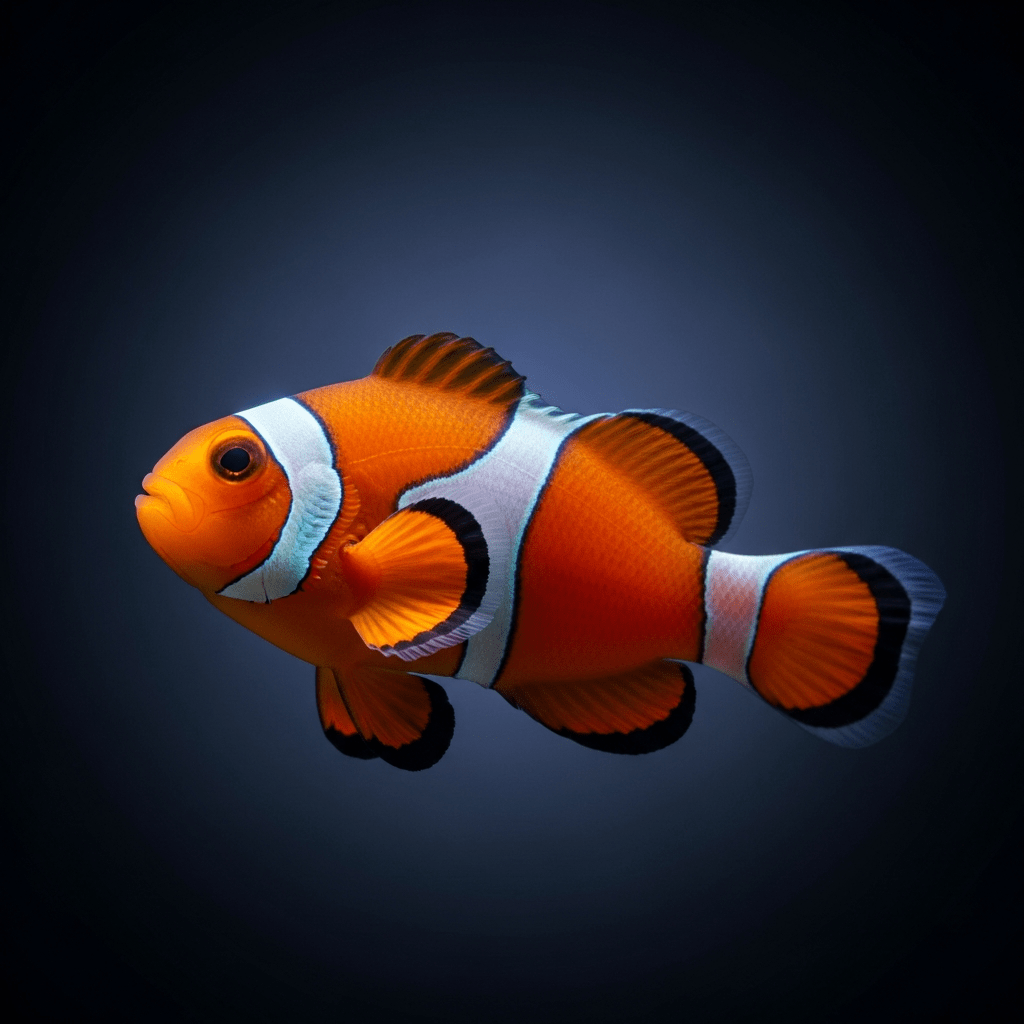
Clownfish (Amphiprion ocellaris) are vibrant marine fish known for their striking orange bodies marked with three white bands edged in black and their unique symbiotic relationship with sea anemones.
Clownfish (Amphiprion ocellaris) are vibrant marine fish known for their striking orange bodies marked with three white bands edged in black and their unique symbiotic relationship with sea anemones.
First described by Georges Cuvier in 1830, clownfish naturally inhabit the Indo-Pacific region. They have no known domestication origin but are extensively bred in captivity today for the aquarium trade. While hybridization occurs in captivity with closely related species, wild populations remain genetically distinct.
Clownfish belong to the family Pomacentridae and the genus Amphiprion. They are part of the subfamily Amphiprioninae, which encompasses fish commonly referred to as anemonefish due to their close ecological ties with sea anemones.
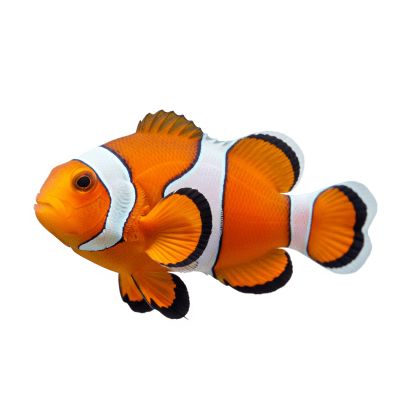
Clownfish have a laterally compressed body with rounded fins, typically reaching up to 11 cm in length. Their bright orange coloration features three distinctive white bands outlined in black. Variations include color morphs and melanistic forms. Notably, they possess a single dorsal fin with 10–11 spines and a rounded caudal fin.
These fish exhibit protandrous hermaphroditism, meaning individuals can change sex from male to female within their social groups. Clownfish form mutualistic relationships with sea anemones, gaining protection from predators while providing cleaning and nutrients to their hosts. They are omnivorous, feeding on algae, zooplankton, and small invertebrates.
Bring this kind into your world illustrated posters, mugs, and shirts.

Archival print, museum-grade paper
Buy Poster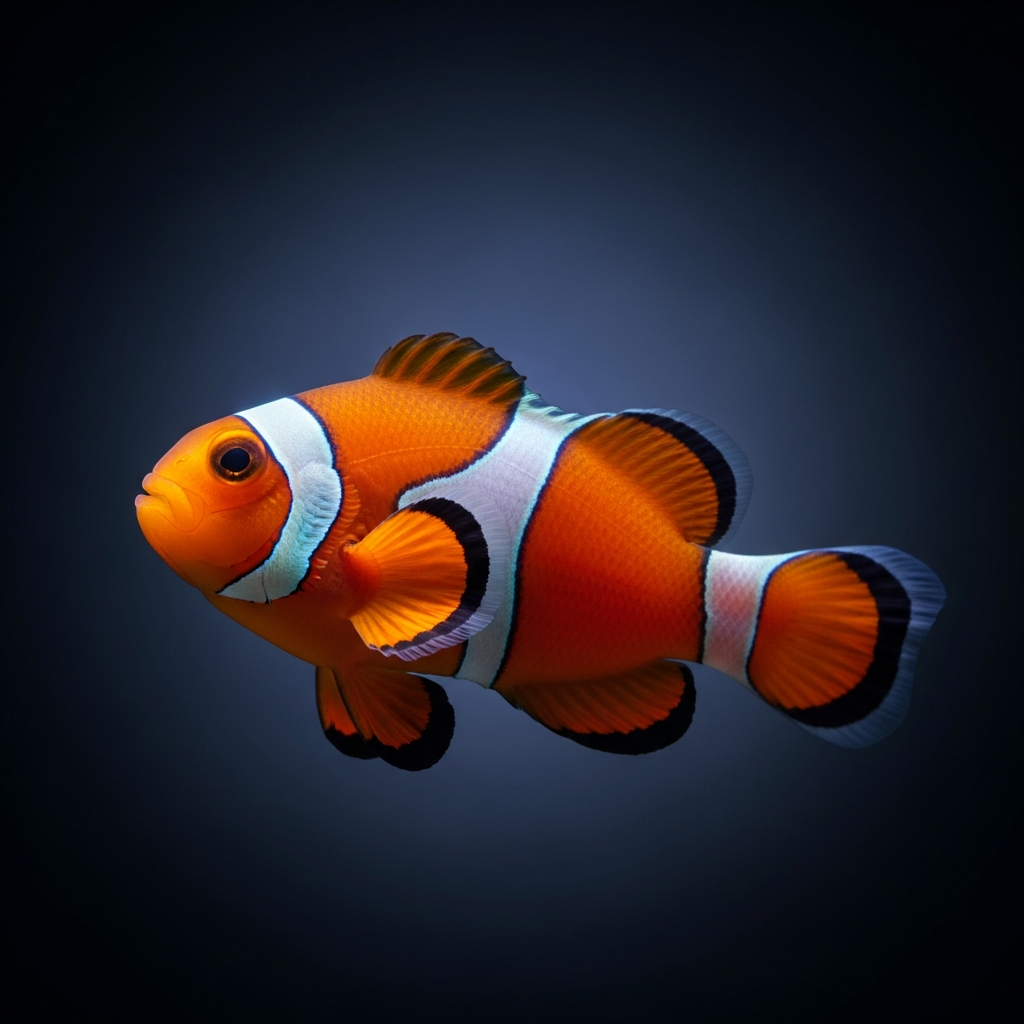
Stoneware mug, dishwasher safe
Buy Mug
Soft cotton tee, unisex sizes
Buy ShirtClownfish have become cultural icons largely due to their portrayal in popular media such as the film "Finding Nemo." This exposure has boosted their popularity in the marine aquarium trade, where they are highly prized for their vivid colors and engaging behavior.
Clownfish inhabit shallow lagoons and reef flats throughout the Indo-Pacific region. Their distribution aligns closely with the presence of host sea anemones, which provide essential shelter and protection.
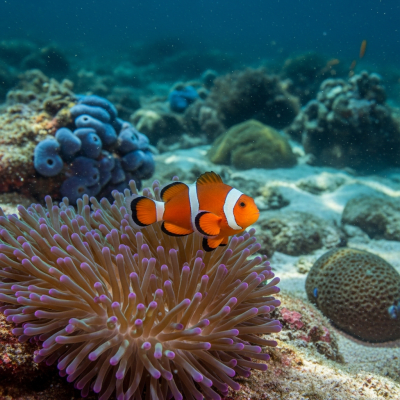
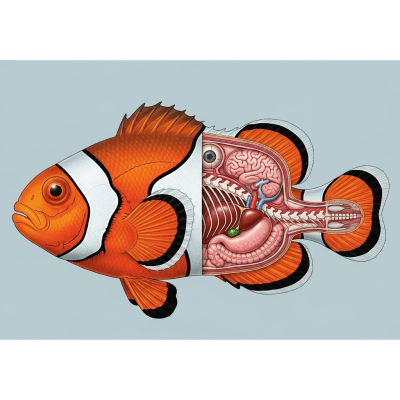

As omnivores, clownfish feed on a varied diet including algae, zooplankton, and small invertebrates. Their feeding behavior is closely linked to their symbiotic anemone hosts, often scavenging scraps and detritus within the anemone's vicinity.
Clownfish reproduce through a social hierarchy where the dominant individual is female and the next largest is male. They exhibit protandrous hermaphroditism, with males able to change sex to female if the dominant female is lost. Sexual maturity is reached between 12 and 18 months. Spawning typically occurs within the protection of sea anemones.
Clownfish are extensively bred in captivity for the marine aquarium trade. Captive breeding programs have established reliable propagation methods, reducing the need for wild capture. Growth rates are moderate, and breeding relies on maintaining social groups to support natural reproductive behaviors.
Clownfish are not currently listed as threatened or endangered. Their widespread captive breeding has alleviated pressure on wild populations. However, habitat degradation of coral reefs and sea anemones poses potential risks to their natural environment.