Atlantic Cod
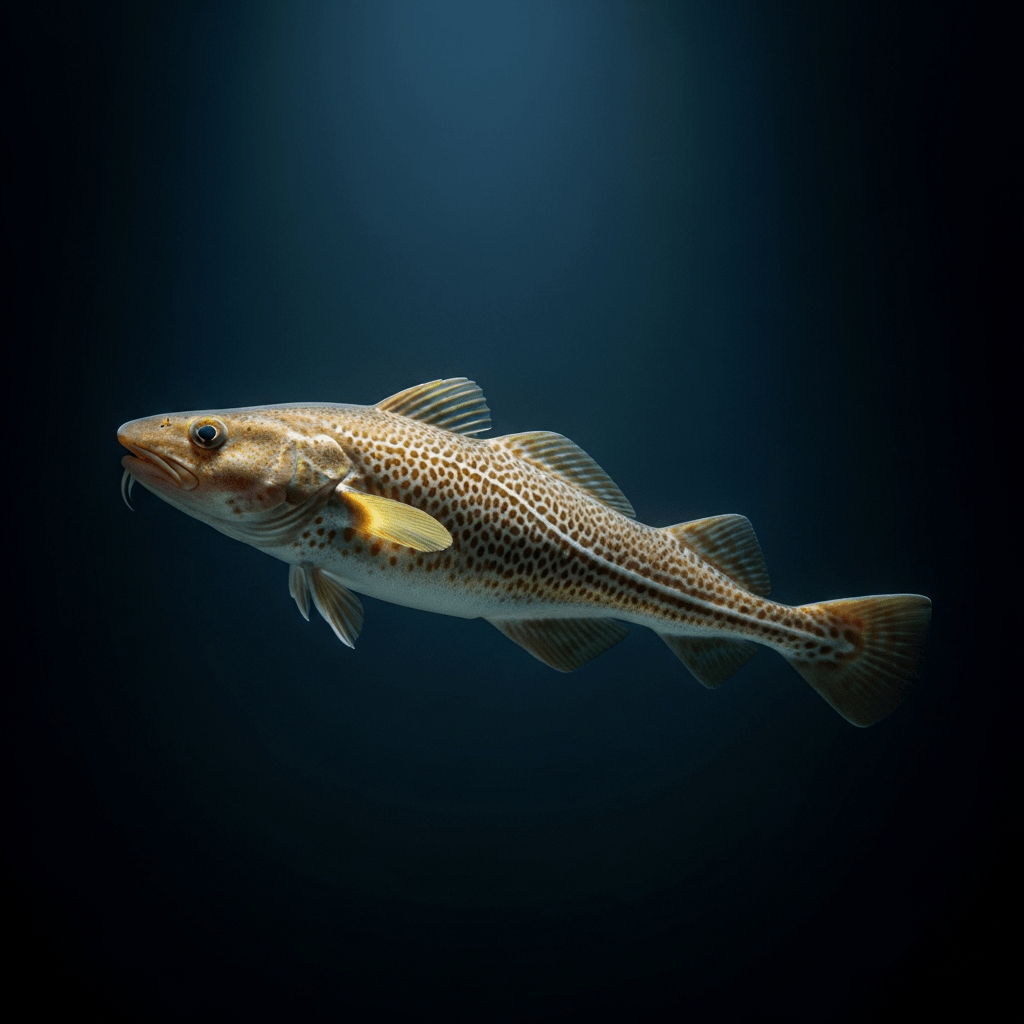
The Atlantic cod (Gadus morhua) is a large, robust marine fish native to the North Atlantic Ocean, renowned for its commercial importance and distinctive morphology.
The Atlantic cod (Gadus morhua) is a large, robust marine fish native to the North Atlantic Ocean, renowned for its commercial importance and distinctive morphology.
First formally described by Carl Linnaeus in 1758, the Atlantic cod has long been known to science and fisheries alike. It naturally inhabits the North Atlantic, with no domesticated breeds or artificial strains, all populations deriving from wild stocks.
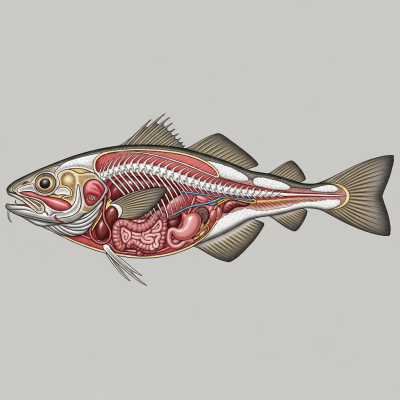
Belonging to the family Gadidae, genus Gadus, the Atlantic cod is classified as Gadus morhua. It is a member of the bony fishes, a diverse group of aquatic vertebrates characterized by their skeletons of bone rather than cartilage.
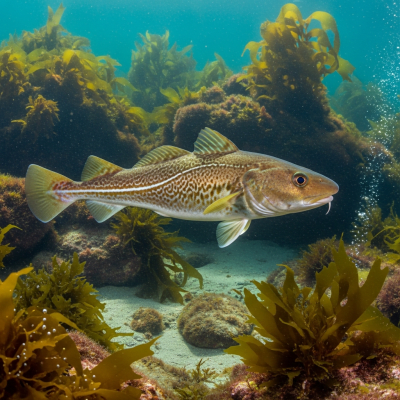
The Atlantic cod has a fusiform, streamlined body typically measuring 40 to 80 cm in length, though individuals can reach up to 2 meters and weigh as much as 90 kg. Its coloration ranges from greenish-brown to gray, highlighted by a pale lateral line and a distinctive chin barbel. The fish features three dorsal fins, two anal fins, and a deeply notched tail, giving it a recognizable silhouette.
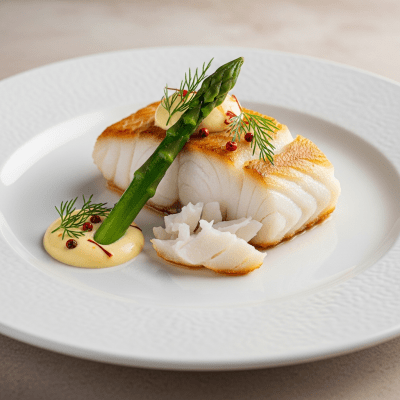
As a demersal species, Atlantic cod dwell near the seabed in cold, temperate waters, often over sandy or rocky substrates at depths up to 600 meters. They are opportunistic predators, feeding on smaller fish, crustaceans, and various invertebrates. Their flesh is prized for being white, flaky, and low in fat, making it ideal for fresh consumption as well as preservation methods such as salting, drying, and freezing. Cod liver oil, extracted from their livers, is valued for its nutritional content.
Bring this kind into your world illustrated posters, mugs, and shirts.
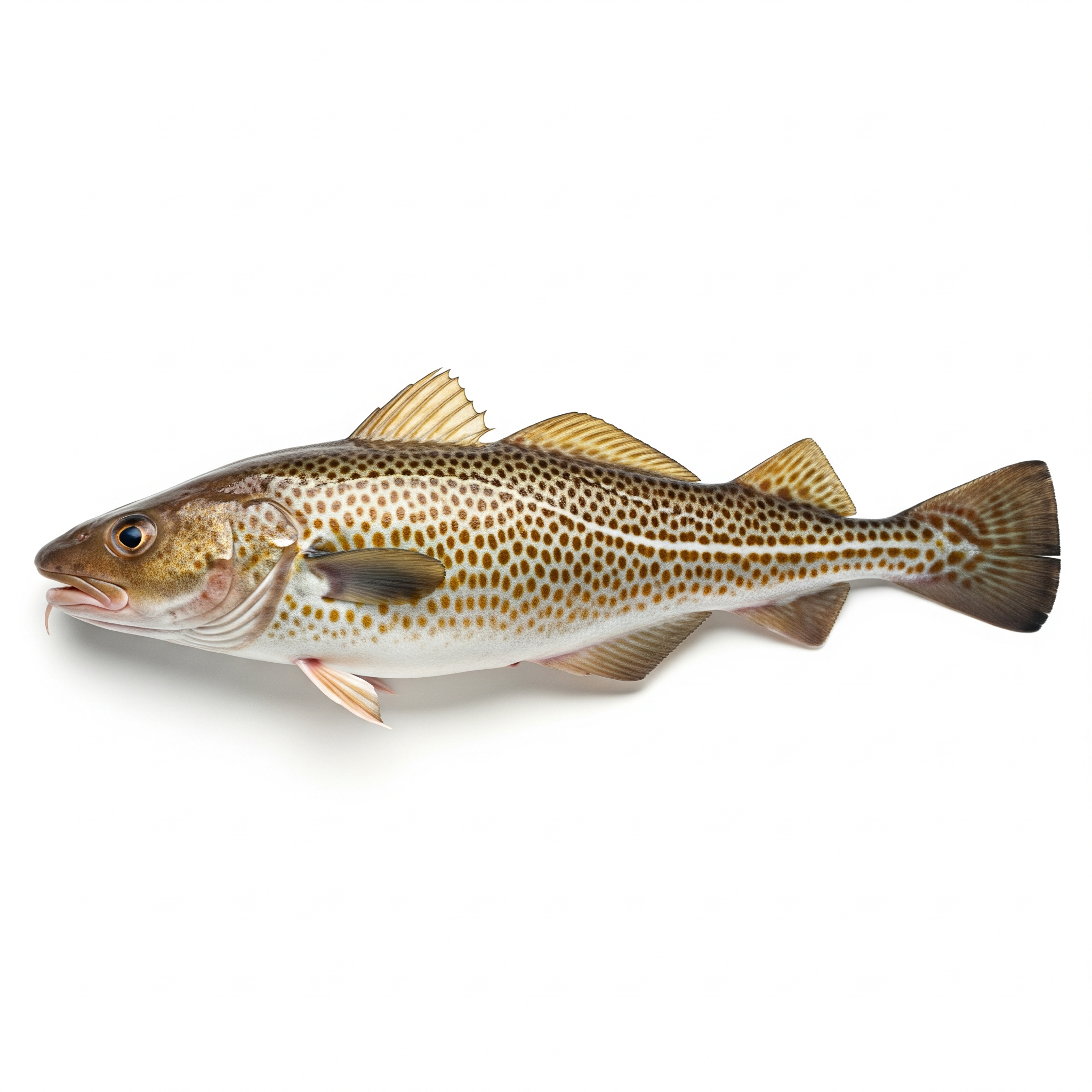
Archival print, museum-grade paper
Buy Poster
Stoneware mug, dishwasher safe
Buy Mug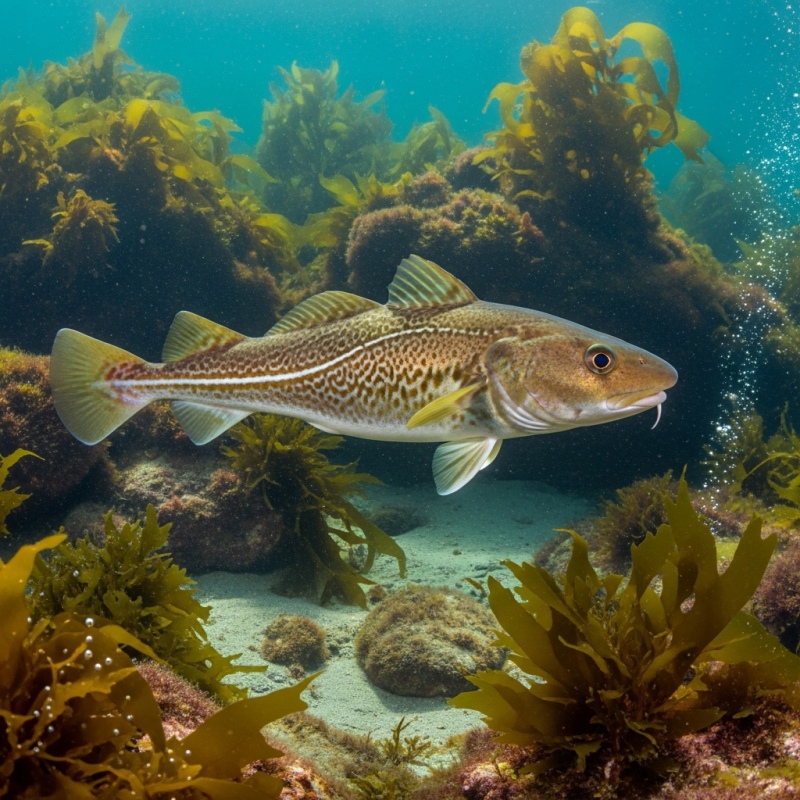
Soft cotton tee, unisex sizes
Buy ShirtAtlantic cod holds a central place in the culinary and cultural traditions of many North Atlantic societies. It is the foundation of British fish and chips, a staple of Portuguese cuisine as salted bacalhau, and a key ingredient in Scandinavian stockfish preparations. Its historical abundance shaped coastal economies and diets for centuries, symbolizing maritime heritage and sustenance.
Atlantic cod are demersal fish found throughout the North Atlantic Ocean, from shallow coastal waters to depths of 600 meters. They prefer cold, temperate marine environments with sandy or rocky bottoms, inhabiting regions including the Barents Sea, North Sea, and waters off Newfoundland.
As opportunistic predators, Atlantic cod consume a varied diet consisting mainly of smaller fish, crustaceans, and invertebrates. They hunt near the seabed, using their keen senses and agility to capture prey within their cold-water habitats.
Atlantic cod reproduce by spawning millions of pelagic eggs in late winter to early spring. Sexual maturity is typically reached between 2 and 4 years of age. The eggs and larvae drift in open water before settling to the bottom as juveniles, continuing the cycle in marine environments.
While Atlantic cod farming exists in limited quantities, primarily in Norway and Iceland, wild capture remains the dominant source. Commercial fishing has historically been intense, leading to population declines in some areas. Management measures such as quotas and conservation regulations have been implemented to support stock recovery.
Atlantic cod populations have suffered from overfishing and habitat degradation, making them vulnerable in several regions. Conservation efforts include fishing quotas, protected areas, and monitoring programs aimed at sustaining stocks. Despite challenges, some populations show signs of recovery under these measures.