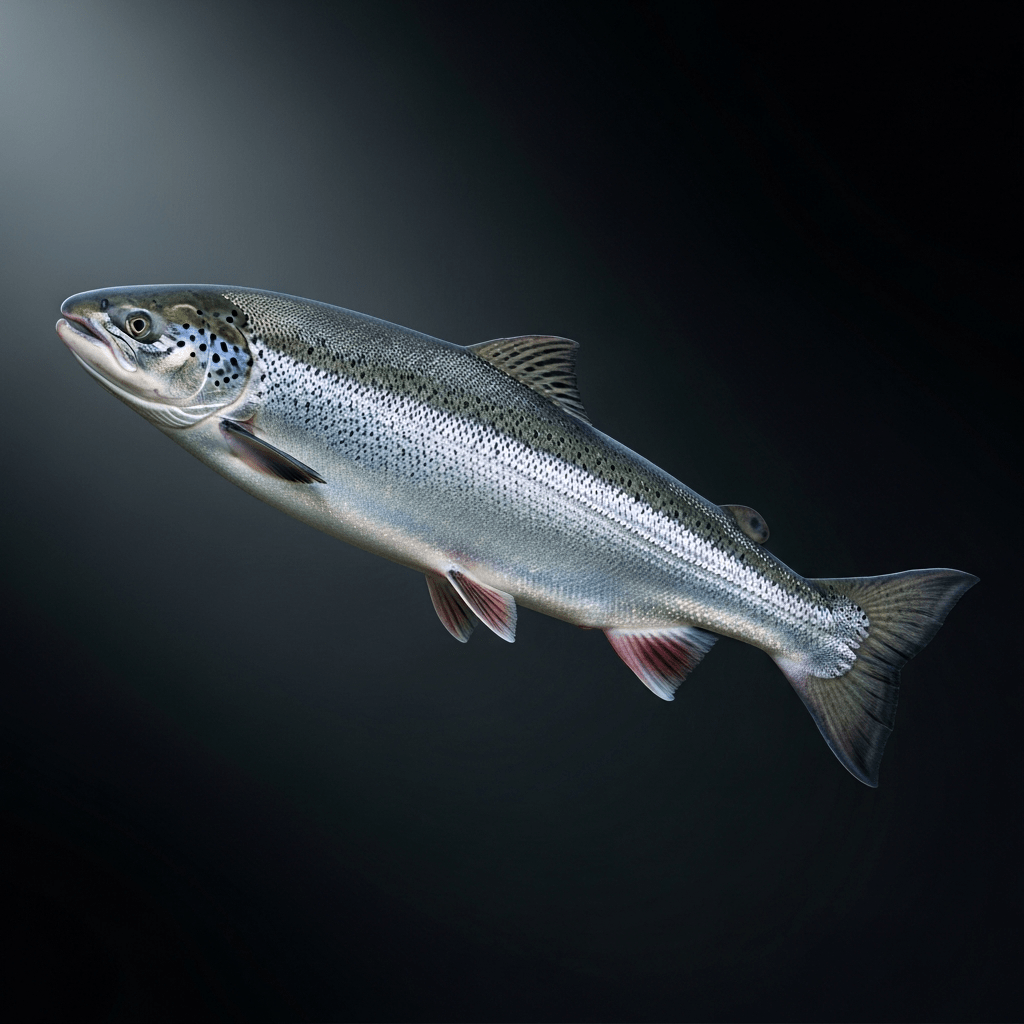
Atlantic Salmon
The Atlantic Salmon (Salmo salar) is a migratory bony fish known for its anadromous life cycle, silvery streamlined body, and significant ecological and economic role across the North Atlantic region.
The Atlantic Salmon (Salmo salar) is a migratory bony fish known for its anadromous life cycle, silvery streamlined body, and significant ecological and economic role across the North Atlantic region.
First described by Carl Linnaeus in 1758, the Atlantic Salmon is native to rivers and coastal waters of the North Atlantic, spanning Europe and eastern North America. Its domesticated strains emerged in the late 20th century through selective breeding programs in Norway, Scotland, Canada, and Chile, combining regional stocks to enhance growth and disease resistance.
Belonging to the family Salmonidae and genus Salmo, the Atlantic Salmon is a member of the bony fishes distinguished by its migratory behavior and anadromous reproduction, bridging freshwater and marine environments.
The Atlantic Salmon features a fusiform, streamlined body with a silver base color, accented by a blue-green back and distinctive black spots above the lateral line. Adults typically measure 70–76 cm and weigh between 3.6 and 5.4 kg, though exceptional individuals can reach 1.5 meters and 35 kg. Juvenile parr display vertical bars and red spots, transitioning to silvery smolts before migrating to the ocean.
Exhibiting an anadromous life cycle, Atlantic Salmon hatch and spawn in freshwater rivers before migrating to marine coastal waters to mature. Some adults return multiple times to spawn, known as kelts. Farmed strains grow rapidly, reaching market size within 2–3 years, and selective breeding has improved their resistance to common diseases.
Bring this kind into your world illustrated posters, mugs, and shirts.

Archival print, museum-grade paper
Buy Poster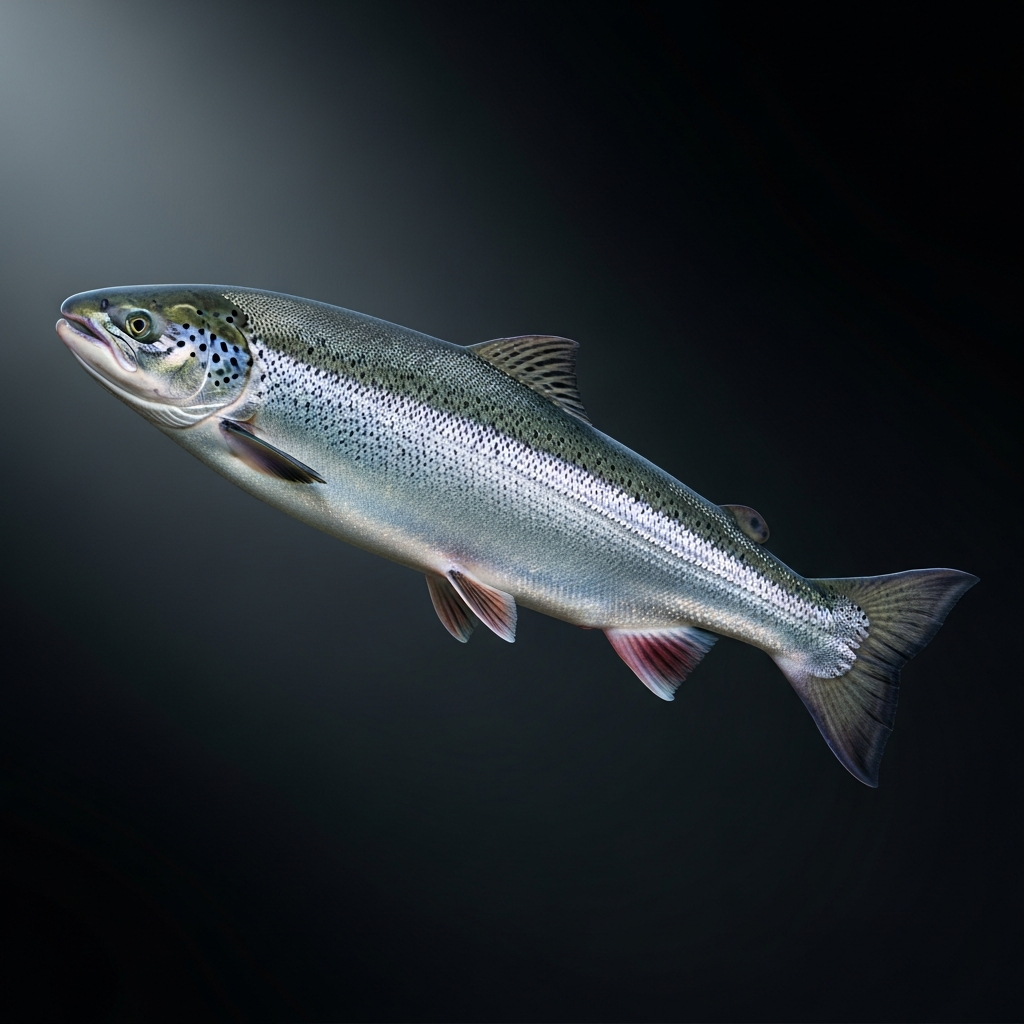
Stoneware mug, dishwasher safe
Buy Mug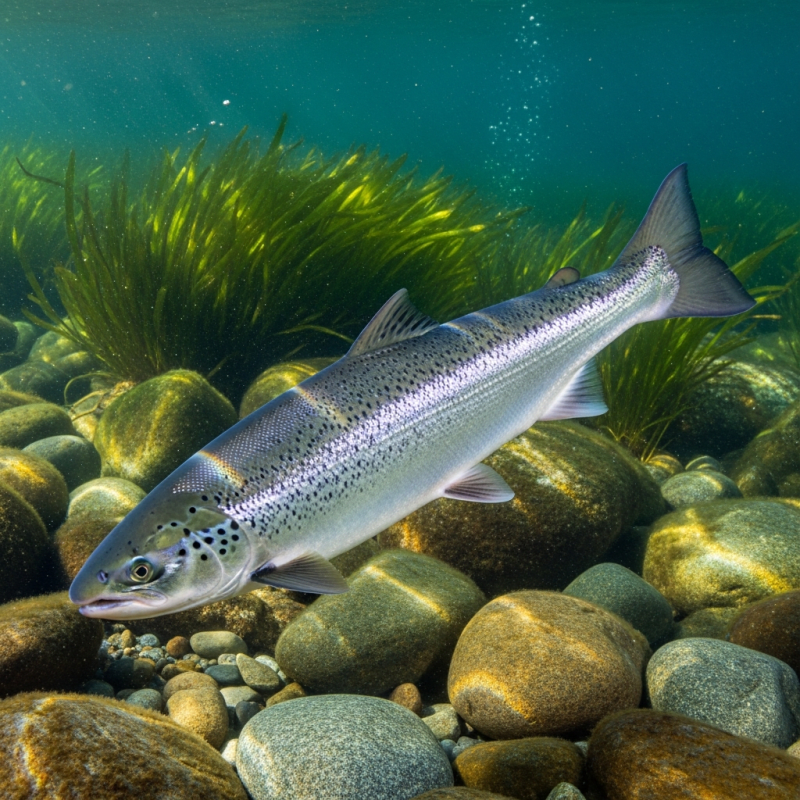
Soft cotton tee, unisex sizes
Buy ShirtAtlantic Salmon holds a revered place in regional cuisines and recreational fishing traditions across Scandinavia, the British Isles, eastern Canada, and the northeastern United States. Historically a keystone species, it symbolizes natural heritage and sustains cultural identities tied to river ecosystems and seafood gastronomy.
Atlantic Salmon inhabit freshwater rivers for spawning and migrate to marine coastal waters for feeding. Their native range includes North Atlantic rivers and coasts across Europe and eastern North America, thriving in temperate waters typically between 8 and 14°C.
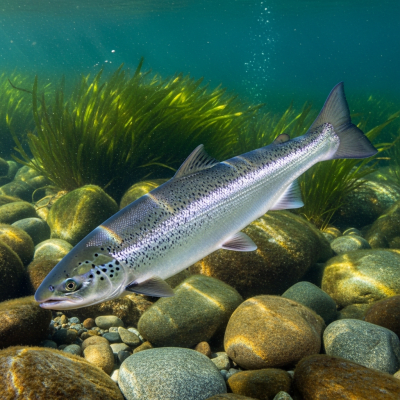
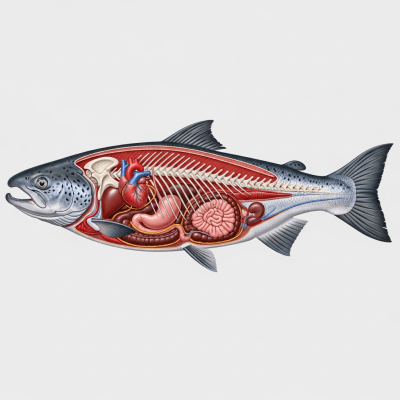

In the wild, Atlantic Salmon feed primarily on smaller fish, crustaceans, and aquatic insects, using keen sensory abilities to hunt in both freshwater and marine environments. Their diet contributes to the rich coloration of their flesh, especially through carotenoid intake.
Atlantic Salmon reproduce by spawning in freshwater rivers, where females lay eggs in gravel nests. Juveniles, called parr, develop distinctive markings before transforming into silvery smolts that migrate to the ocean. Sexual maturity is reached between 2 and 5 years, after which adults return to their natal rivers to spawn, sometimes repeating the cycle multiple times.
Atlantic Salmon is the cornerstone of global salmon aquaculture, with selective breeding programs like Mowi and AquaGen enhancing growth rates and disease resistance. Farmed salmon reach market size of 4–6 kg within 2–3 years, supporting a production exceeding 2.5 million metric tons annually. Commercial fishing of wild stocks is regulated to protect declining populations.
Wild Atlantic Salmon populations have declined due to habitat loss, overfishing, and disease, prompting conservation efforts and strict fishing quotas. While aquaculture dominates production, concerns remain about genetic impacts and disease transmission to wild stocks. Ongoing protections aim to balance sustainable use with species recovery.