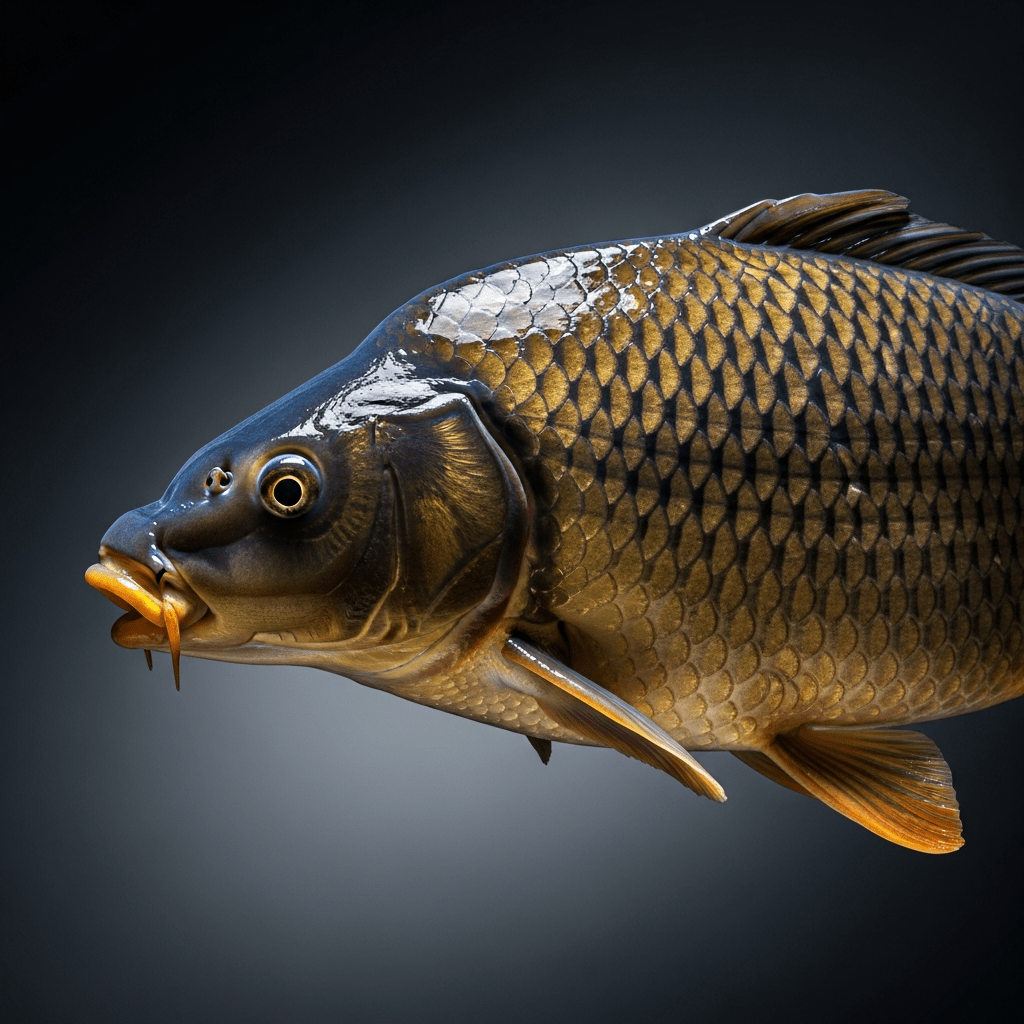
Common Carp
The Common Carp (Cyprinus carpio) is a large, adaptable freshwater fish widely known for its economic value, cultural importance, and diverse domesticated forms including the ornamental koi.
The Common Carp (Cyprinus carpio) is a large, adaptable freshwater fish widely known for its economic value, cultural importance, and diverse domesticated forms including the ornamental koi.
Native to temperate regions of Europe and Asia, the Common Carp has been domesticated since at least Roman times. Selective breeding flourished in China and Europe, giving rise to numerous strains, including the colorful koi varieties developed in Japan during the 19th century.
Belonging to the family Cyprinidae and genus Cyprinus, the Common Carp is a member of the bony fishes (Osteichthyes) and is classified scientifically as Cyprinus carpio. It shares its family with many other freshwater species valued in aquaculture and angling.
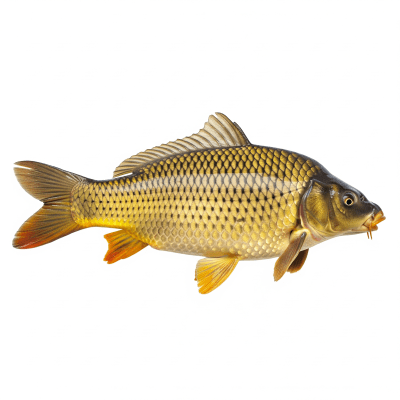
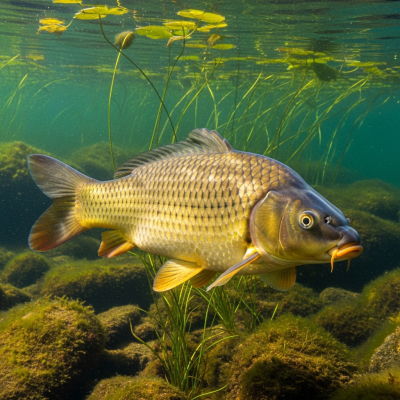
The Common Carp is a deep-bodied fish typically measuring 40 to 80 cm in length, with some individuals reaching up to 120 cm and weighing as much as 40 kg. Its coloration ranges from olive-green to golden-brown in wild forms, while domesticated varieties display a spectrum of colors and scale patterns, such as mirror and leather carp. Notable features include a pair of barbels on each side of the upper jaw and cycloid scales, though some strains may be partially or fully scaleless.
Highly resilient, the Common Carp thrives in varied freshwater environments, tolerating temperatures from 3°C to 35°C and low oxygen levels. It is omnivorous, feeding on plants, invertebrates, and detritus. Humans utilize carp extensively for food, ornamental purposes—especially koi breeding—and recreational fishing. Additionally, carp play roles in ecological management, such as weed control, though their introduction outside native ranges has sometimes caused ecological disruption.
Bring this kind into your world illustrated posters, mugs, and shirts.
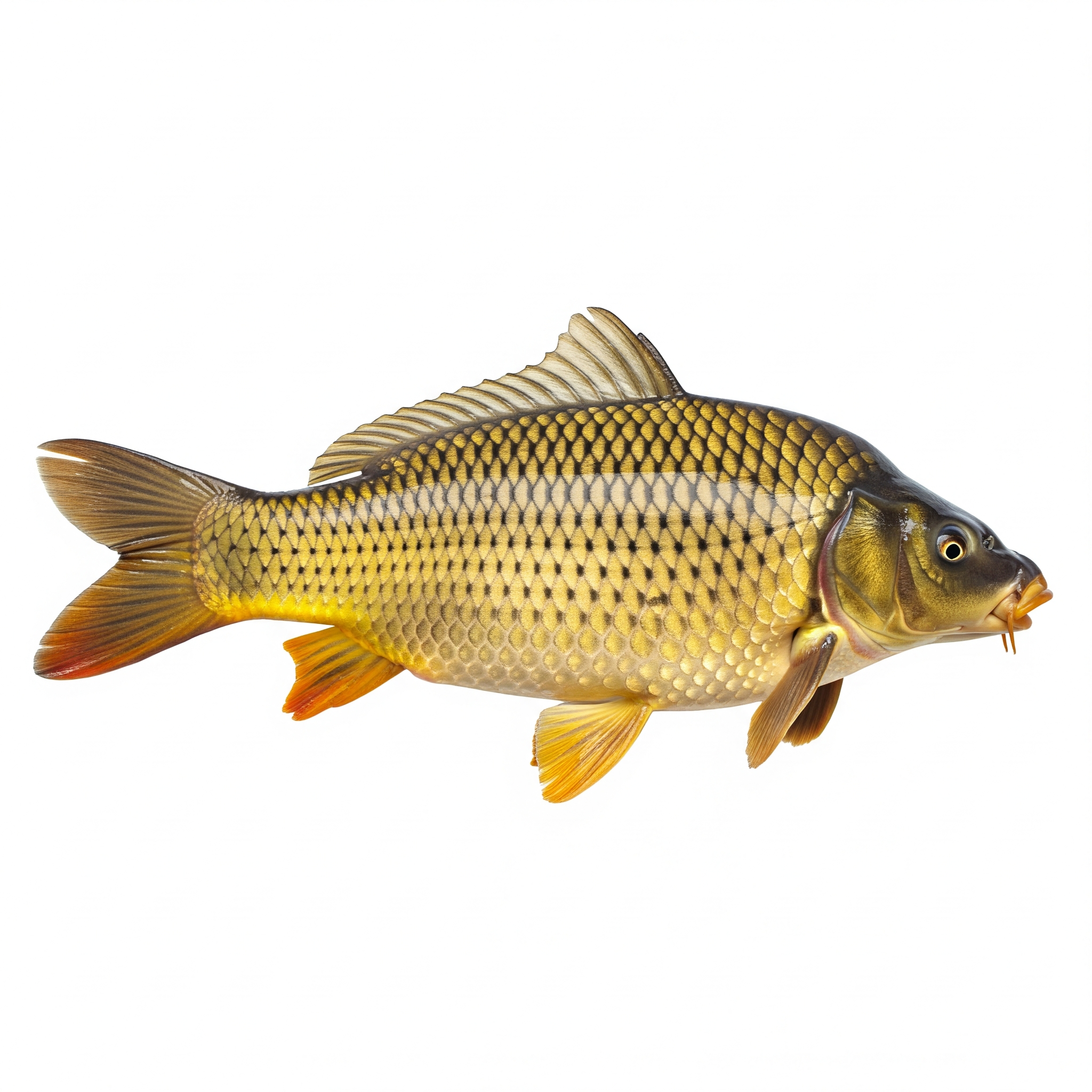
Archival print, museum-grade paper
Buy Poster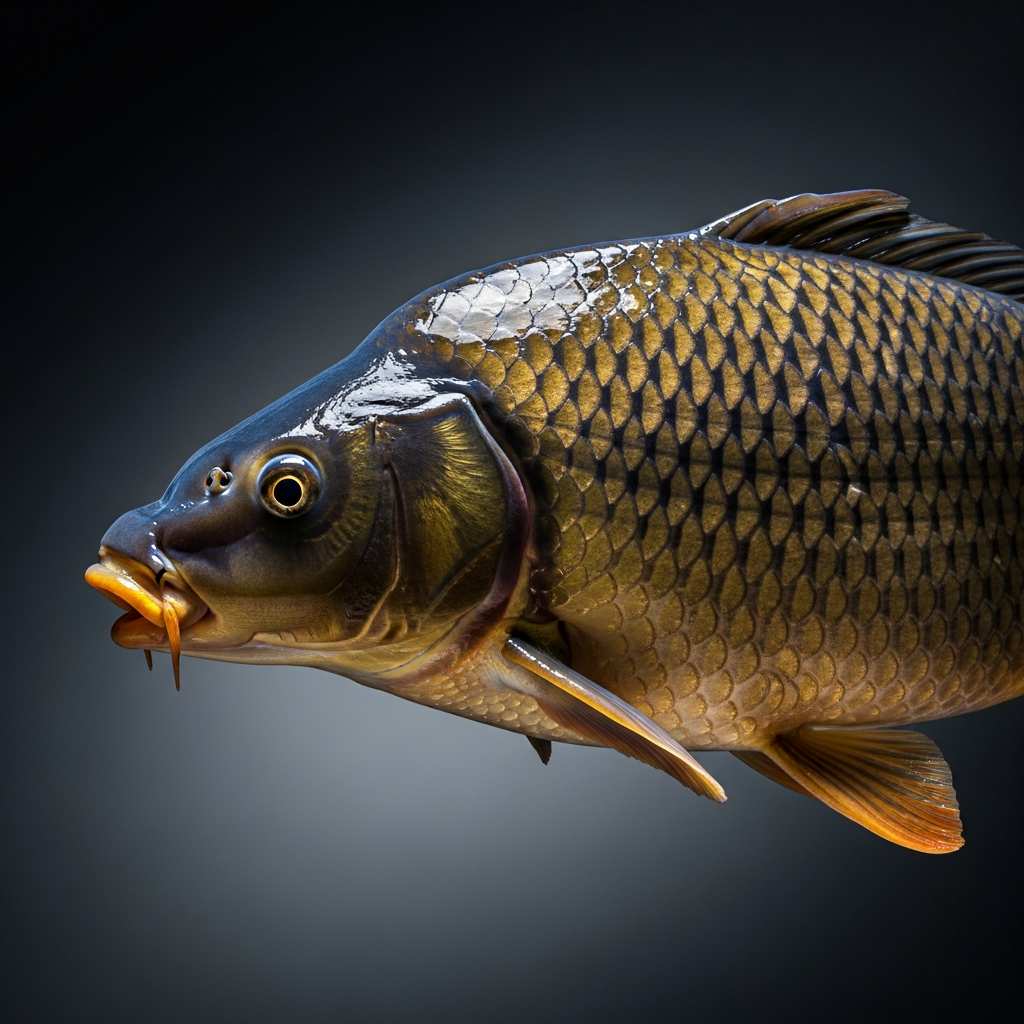
Stoneware mug, dishwasher safe
Buy Mug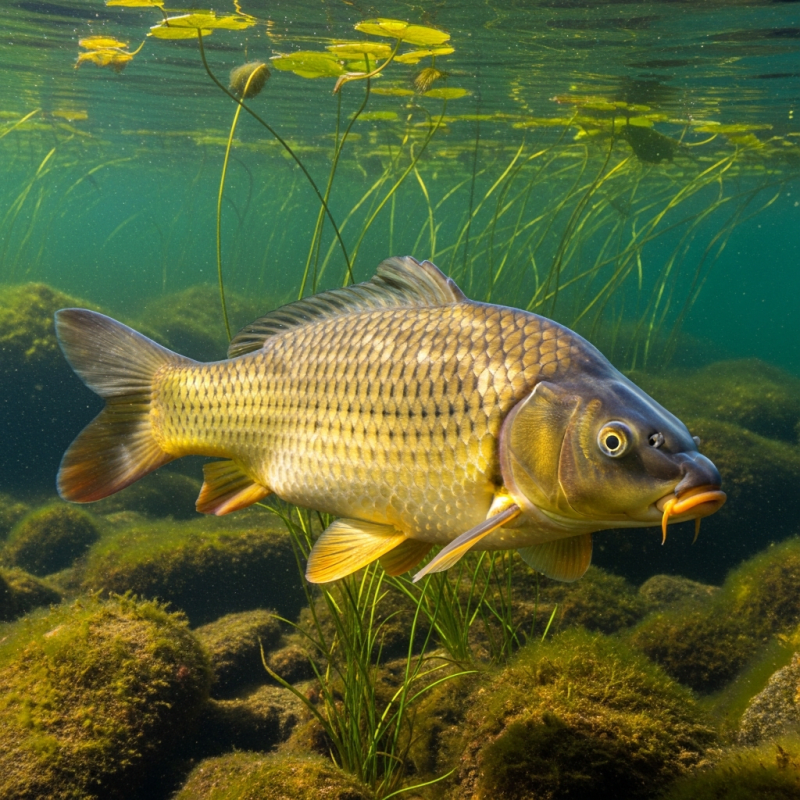
Soft cotton tee, unisex sizes
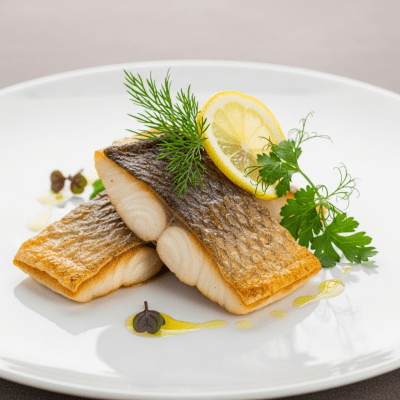
Buy ShirtThe Common Carp holds rich cultural significance across many regions. It features in traditional dishes like gefilte fish in Jewish cuisine and Christmas carp in Central Europe. The ornamental koi, bred for striking colors and patterns, is deeply embedded in Japanese culture and admired worldwide. Carp angling is a popular recreational pursuit, supported by specialized equipment and catch-and-release ethics.
The Common Carp inhabits freshwater environments across temperate Europe and Asia, its native range. It thrives in lakes, rivers, and ponds with vegetated, shallow waters ideal for spawning. Due to widespread aquaculture and introductions, it has established invasive populations in Australia, North America, and parts of Africa, where it is sometimes subject to regulation or control.
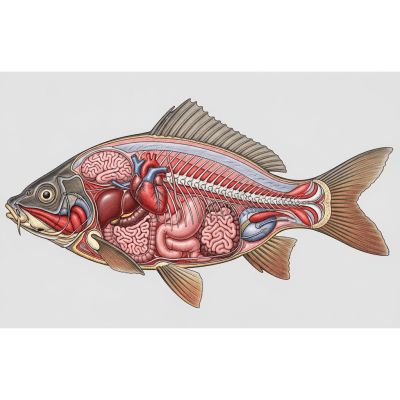
As an omnivore, the Common Carp feeds on a varied diet including aquatic plants, small invertebrates, and organic detritus. It uses its robust pharyngeal apparatus to process food from the sediment and water column, adapting its feeding habits to available resources.
Common Carp reach sexual maturity between 2 and 4 years of age. They are prolific breeders, spawning in shallow, vegetated freshwater habitats during warmer months. Females can lay from 100,000 to over a million eggs per season, which develop externally. Juveniles grow rapidly under favorable conditions, contributing to the species’ success in diverse environments.
Common Carp is one of the most extensively farmed freshwater fish globally. Aquaculture employs selective breeding to produce strains suited for food and ornamental purposes, including koi, mirror, leather, and Amur carp. Intensive pond culture yields can reach up to 10,000 kg per hectare annually. Commercial fishing targets carp for fresh, smoked, pickled, and processed products, while recreational angling is also widespread.
While the Common Carp is abundant and widely farmed, it faces threats from diseases such as Koi Herpesvirus and Aeromonas infections. Its invasive status in some regions has led to ecological concerns and management efforts. Selective breeding has improved disease resistance in cultivated strains, and populations remain stable overall, with no immediate conservation concerns globally.