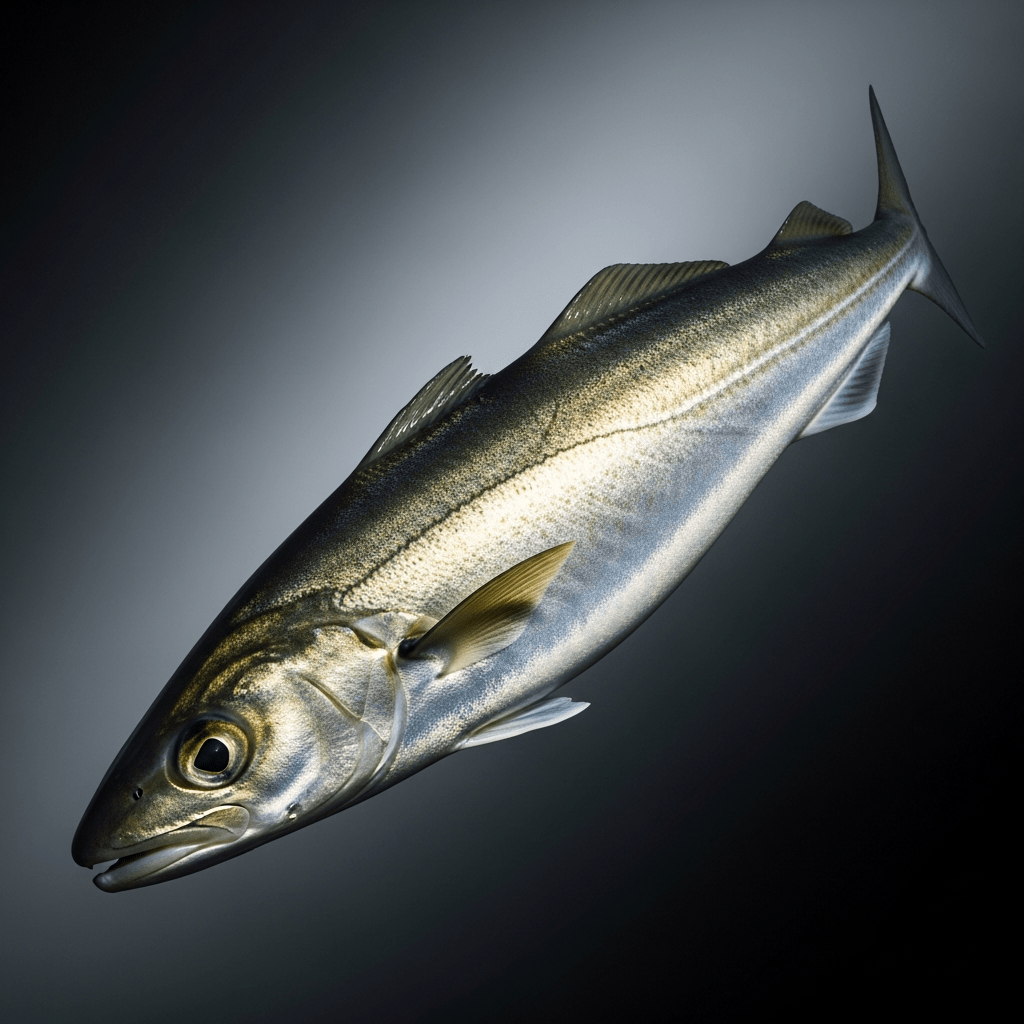
Atlantic Pollock
Pollock refers to two closely related marine fish species known for their streamlined, fusiform bodies and silvery coloration, thriving in cold temperate waters and playing a vital role in global fisheries.
Pollock refers to two closely related marine fish species known for their streamlined, fusiform bodies and silvery coloration, thriving in cold temperate waters and playing a vital role in global fisheries.
The Atlantic pollock (Pollachius virens) was first formally described by Linnaeus in 1758, while the Alaska pollock (Gadus chalcogrammus) was described by Pallas in 1814. Native to the North Atlantic and North Pacific Oceans respectively, these species have long been recognized in fisheries science as wild-caught marine fish without known domestication or breeding institutions.
Pollock belong to the family Gadidae, commonly known as the cod family. This group includes several commercially important species characterized by their cod-like appearance and ecological roles in marine environments. The two main pollock species—Atlantic pollock and Alaska pollock—are closely related but occupy distinct oceanic regions.
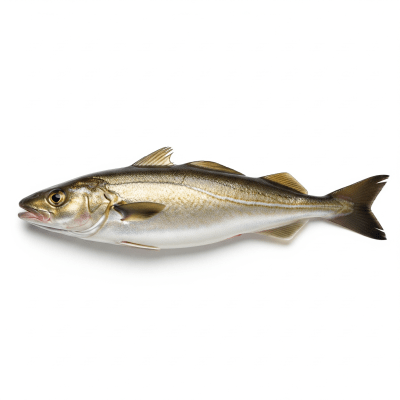
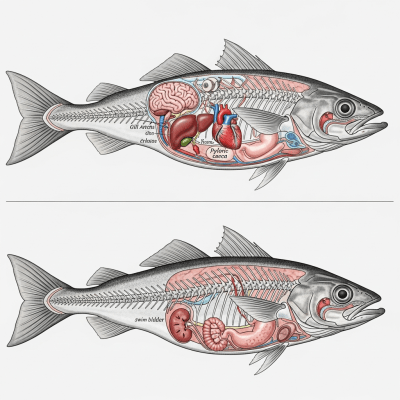
Pollock exhibit an elongated, fusiform body shape optimized for swift swimming. Their coloration ranges from olive-green to brownish on the back, fading to silvery sides and belly. Atlantic pollock feature a pronounced lateral line and a small chin barbel, while Alaska pollock are generally lighter with a more subdued lateral line. Both species have three dorsal fins, two anal fins, and a slightly forked tail, contributing to their streamlined form.
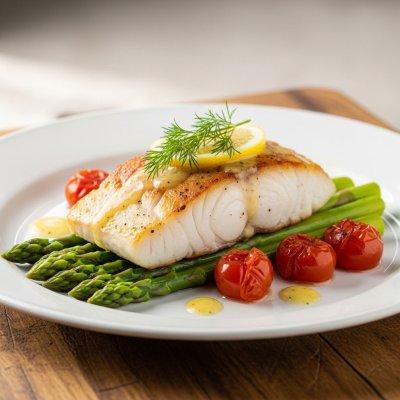
Pollock are fast-growing, schooling fish that spawn in cold marine waters at depths between 30 and 400 meters. They are highly adaptable to varying temperatures and salinities, making them resilient in their natural habitats. Their mild-flavored, flaky flesh is widely used in human cuisine and processed seafood products, including surimi, fish sticks, and fillets, as well as in pet foods and fishmeal.
Bring this kind into your world illustrated posters, mugs, and shirts.
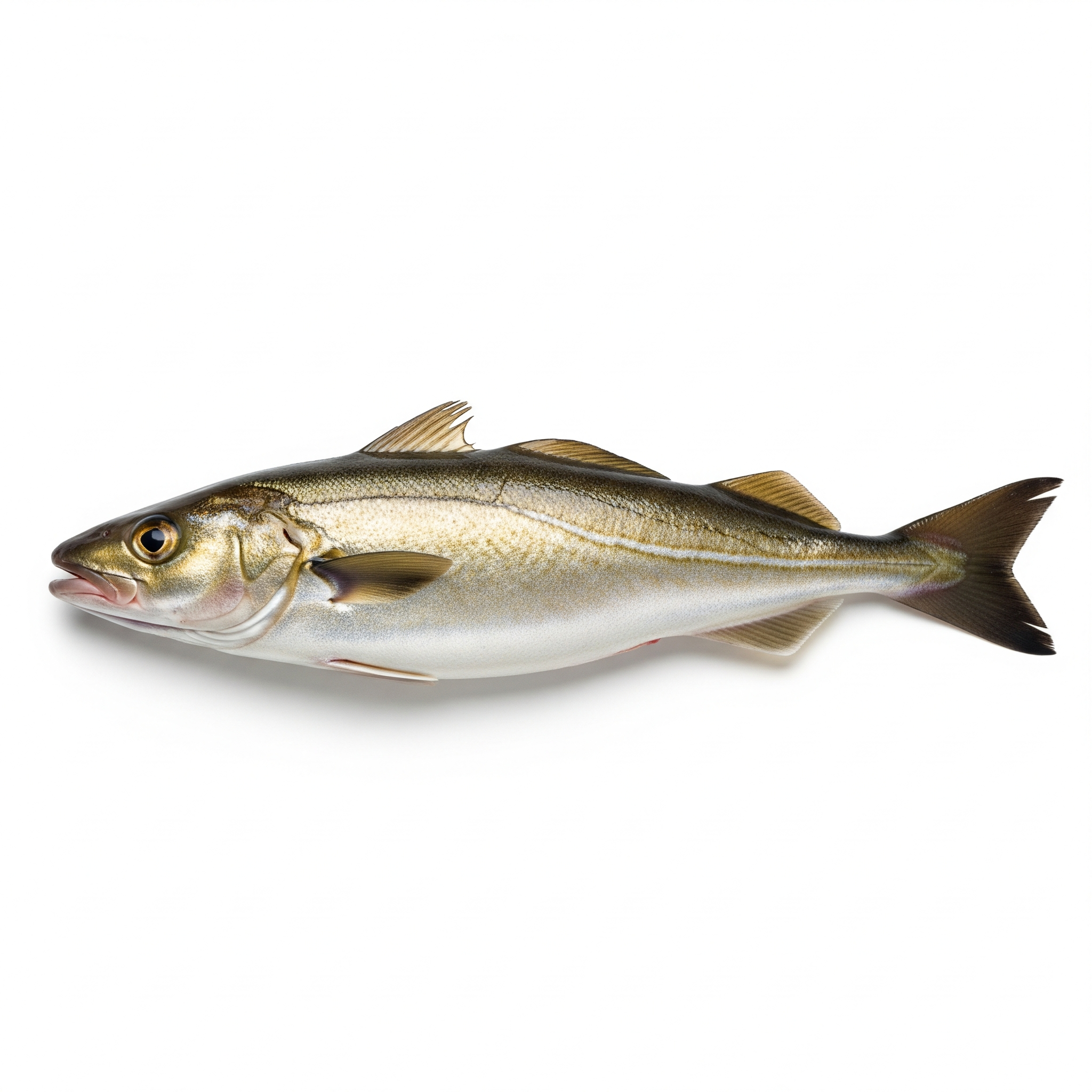
Archival print, museum-grade paper
Buy Poster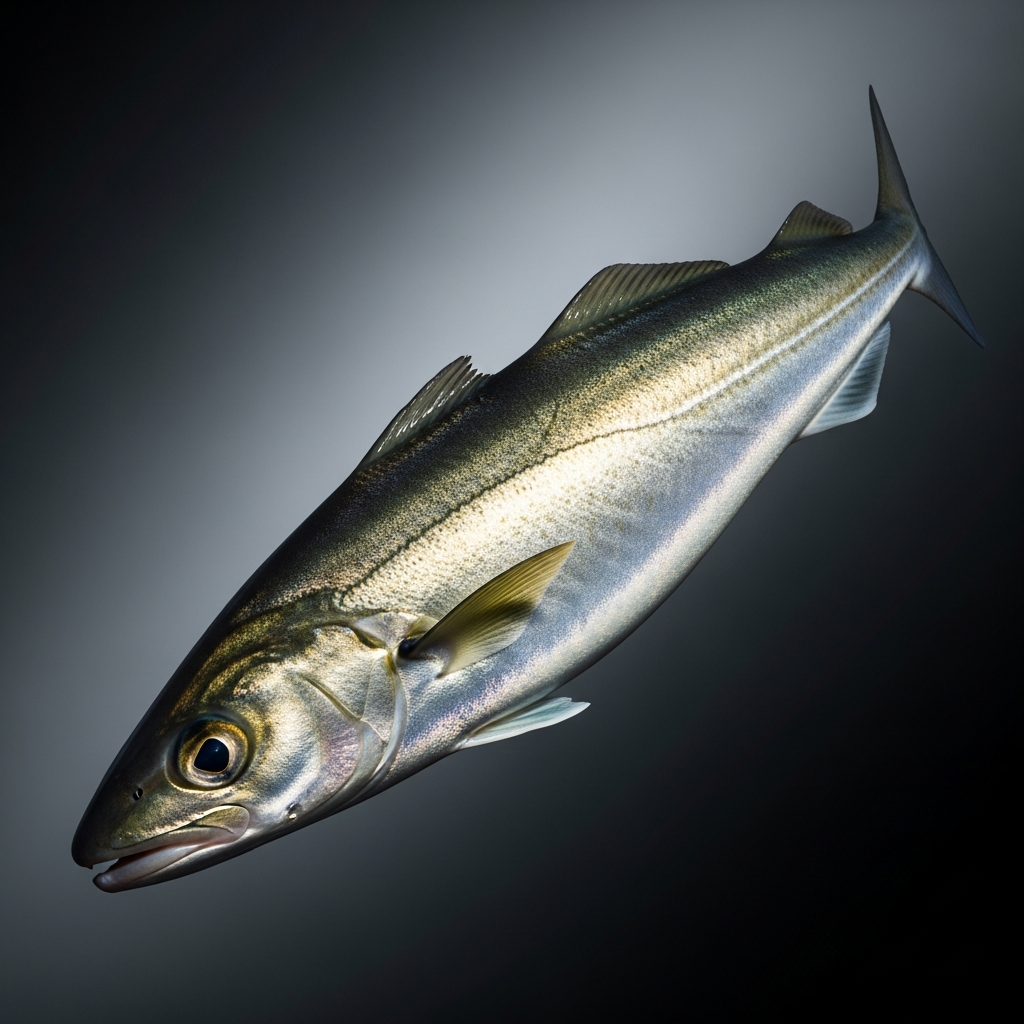
Stoneware mug, dishwasher safe
Buy Mug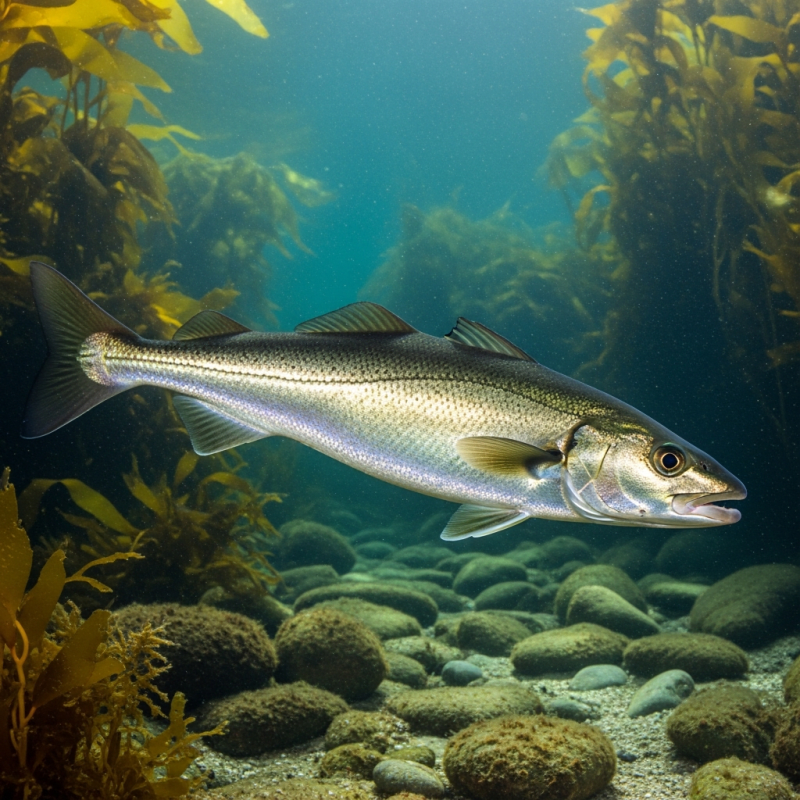
Soft cotton tee, unisex sizes
Buy ShirtPollock holds a significant place in global seafood culture, especially in North America and Europe. Alaska pollock is a cornerstone of the surimi industry, producing imitation crab and other seafood analogs, while Atlantic pollock is a popular choice in traditional dishes such as fish and chips and chowders. Regional names like 'saithe' and 'coalfish' reflect its cultural integration in European markets.
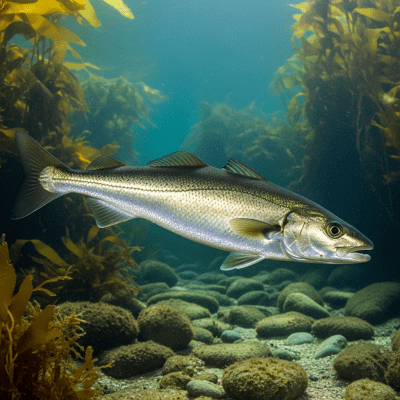
Pollock inhabit cold temperate marine waters, with Atlantic pollock found throughout the North Atlantic Ocean and Alaska pollock distributed across the North Pacific Ocean. They occupy depths ranging from shallow coastal zones to 400 meters, favoring cold, oxygen-rich environments suitable for spawning and schooling.
Pollock are opportunistic feeders, consuming a variety of smaller fish, crustaceans, and plankton. Their schooling behavior aids in efficient foraging, allowing them to exploit abundant prey in cold marine ecosystems.
Pollock reproduce by spawning in cold marine waters at depths between 30 and 400 meters. They release eggs into the water column, where fertilization occurs externally. The species exhibit fast growth rates, with juveniles maturing rapidly to join adult schools, although specific age at sexual maturity varies.
Pollock are primarily wild-caught, with Alaska pollock representing one of the highest-yielding fisheries globally. Fishing methods focus on sustainable harvests to prevent overexploitation, while aquaculture of pollock remains limited. Their fast growth and adaptability make them ideal for commercial fisheries, which supply raw material for a wide range of seafood products.
Pollock populations are generally stable but face threats from overfishing and environmental changes. Effective management and regulation have helped maintain stocks, especially for Alaska pollock, yet ongoing monitoring is essential to prevent declines and ensure sustainable fisheries.