Zebrafish
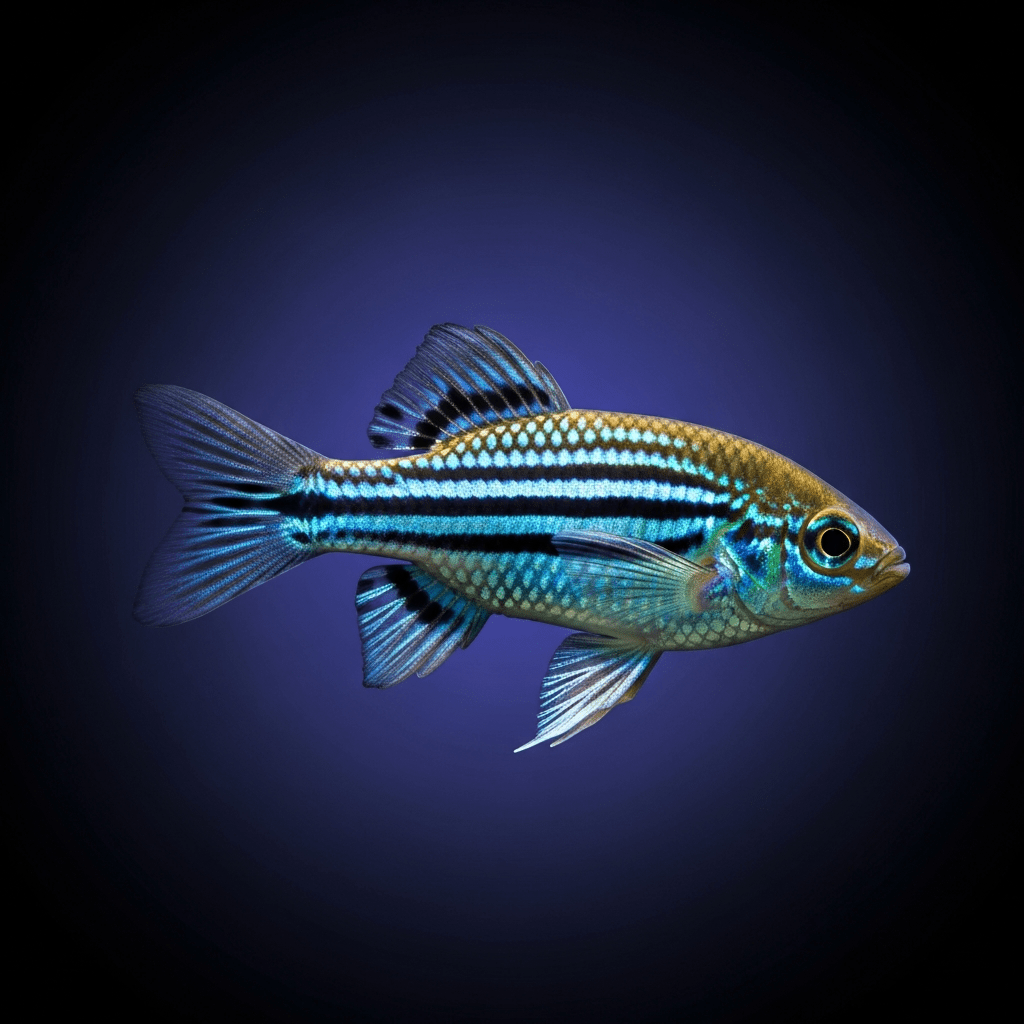
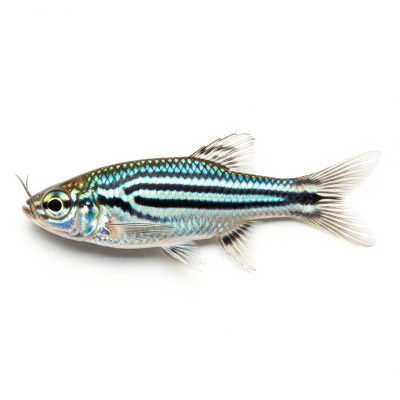
The zebrafish (Danio rerio) is a small, freshwater ray-finned fish native to South Asia, widely recognized for its distinctive horizontal blue and silver stripes and its pivotal role as a model organism in biological and medical research.
The zebrafish (Danio rerio) is a small, freshwater ray-finned fish native to South Asia, widely recognized for its distinctive horizontal blue and silver stripes and its pivotal role as a model organism in biological and medical research.
First described scientifically by Francis Hamilton in 1822 from specimens in the Ganges region of India, the zebrafish naturally inhabits slow-moving or stagnant freshwater bodies across India, Bangladesh, Nepal, Bhutan, and Myanmar. Since the late 20th century, laboratory strains have been selectively bred—most notably at the University of Oregon under George Streisinger—giving rise to numerous inbred and transgenic lines used worldwide in research.
The zebrafish belongs to the family Cyprinidae within the genus Danio. As a member of the diverse Cyprinid family, it shares traits common to small freshwater fish but stands out due to its genetic tractability and widespread use in scientific study.
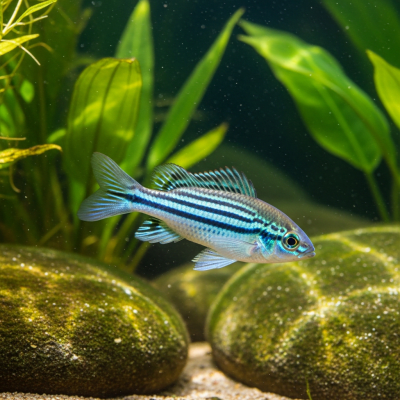
Zebrafish have a slender, laterally compressed body typically measuring 2.5 to 4 centimeters in length. Their most striking feature is the presence of five to seven horizontal blue and silver stripes running from the gill cover to the tail. Sexual dimorphism is subtle: females tend to be larger and fuller-bodied, while males are slimmer with more intense coloration.
Primarily valued as a model organism, zebrafish are extensively used in developmental biology, genetics, toxicology, and drug screening due to their rapid reproductive cycle and transparent embryos. They are also popular as hardy, easy-to-breed ornamental aquarium fish. In the wild, they inhabit slow-moving freshwater environments and exhibit oviparous reproduction, spawning hundreds of eggs per clutch with embryos hatching within two to three days.
Bring this kind into your world illustrated posters, mugs, and shirts.
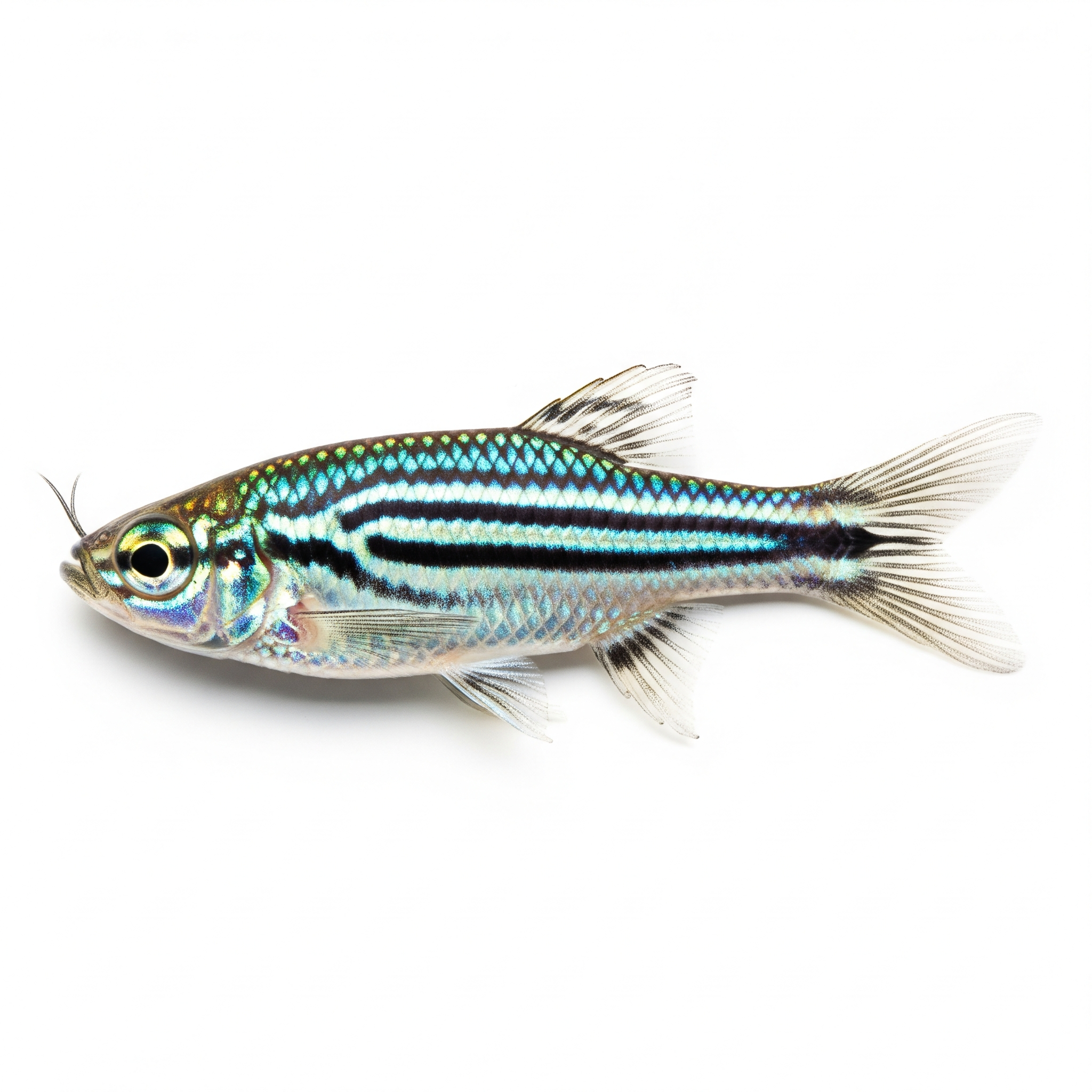
Archival print, museum-grade paper
Buy Poster
Stoneware mug, dishwasher safe
Buy Mug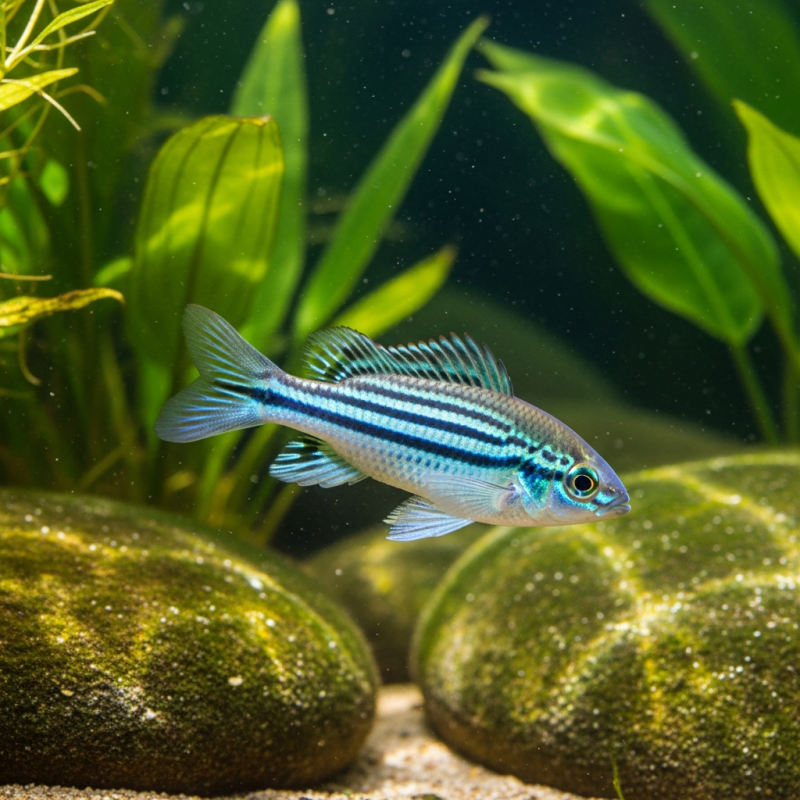
Soft cotton tee, unisex sizes
Buy ShirtWhile zebrafish have minimal direct culinary or commercial value, their cultural significance is profound in scientific communities worldwide. They symbolize a bridge between basic biological research and medical advances, appearing frequently in laboratory studies, educational materials, and aquarium trade as a symbol of genetic research and aquatic beauty.
Zebrafish inhabit freshwater environments characterized by slow-moving or stagnant waters such as streams, ponds, and rice paddies across South Asia, including India, Bangladesh, Nepal, Bhutan, and Myanmar. They thrive in warm waters with an optimal temperature around 28°C and can adapt to a range of oxygen levels.

In their natural habitat, zebrafish feed on small invertebrates, zooplankton, and organic detritus, capturing food through active foraging. Their diet supports their rapid growth and reproductive cycles, though detailed feeding habits vary with environmental conditions.
Zebrafish reproduce by external fertilization, spawning hundreds of eggs per clutch in freshwater habitats. Embryos develop rapidly and hatch within two to three days, with sexual maturity reached quickly to sustain their fast life cycle. Females are generally larger and produce more eggs, while males display more vivid coloration during breeding.
Zebrafish are not farmed for food or commercial fisheries but are extensively bred in laboratory settings. Selective breeding and genetic manipulation have produced numerous strains used in research. Their ease of breeding and maintenance makes them a staple in aquaculture facilities focused on scientific study rather than commercial production.
The zebrafish is currently not considered threatened in the wild and maintains stable populations across its native range. However, it is sensitive to water quality and environmental changes. Conservation efforts focus primarily on habitat preservation and maintaining genetic diversity in wild populations, while captive breeding supports research needs.