Common Sole
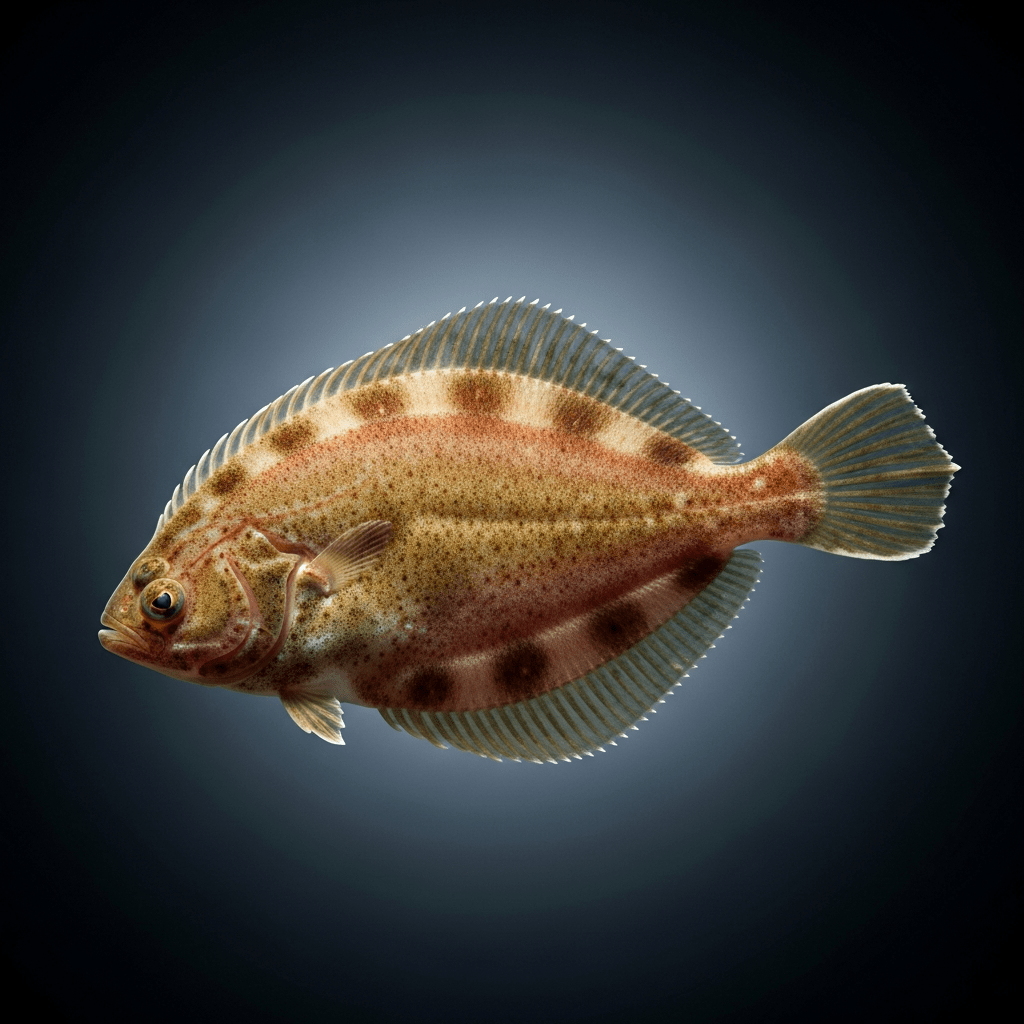
The Common Sole (Solea solea) is a European flatfish known for its distinctive oval, flattened body and valued for its delicate texture and mild flavor in gastronomy.
The Common Sole (Solea solea) is a European flatfish known for its distinctive oval, flattened body and valued for its delicate texture and mild flavor in gastronomy.
First described by Carl Linnaeus in 1758, the Common Sole originates from the eastern Atlantic and Mediterranean regions. Its initial specimens were collected from European coastal waters, establishing its native range. While primarily wild-caught, aquaculture programs began in the late 20th century to support commercial demand.
The Common Sole belongs to the family Soleidae within the order Pleuronectiformes, class Actinopterygii. It is classified scientifically as Solea solea, placing it among flatfish species characterized by their asymmetrical body and benthic lifestyle.
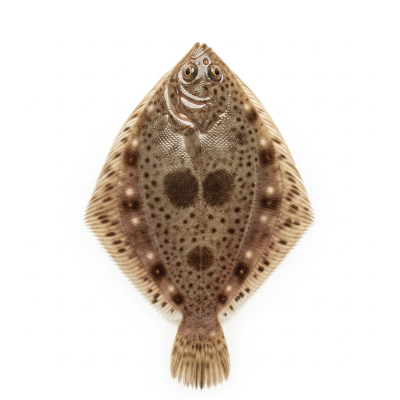
This species features a highly compressed, oval, and flattened body with both eyes positioned on the right side, typical of flatfish. Its dorsal surface displays a grey-brown coloration with darker blotches, while the ventral side is pale. Continuous, fringed fins help it blend seamlessly into sandy or muddy seabeds. Adults typically measure 25–35 cm in length, with some reaching up to 70 cm and weighing as much as 3 kg.
The Common Sole is a demersal fish inhabiting shallow coastal waters between 2 and 200 meters deep, favoring sandy and muddy substrates where it camouflages effectively. It exhibits moderate growth rates and reaches sexual maturity between 3 and 5 years. Spawning occurs from February to May, releasing pelagic eggs and larvae. Its notable resistance to low oxygen environments supports survival in variable coastal habitats.
Bring this kind into your world illustrated posters, mugs, and shirts.

Archival print, museum-grade paper
Buy Poster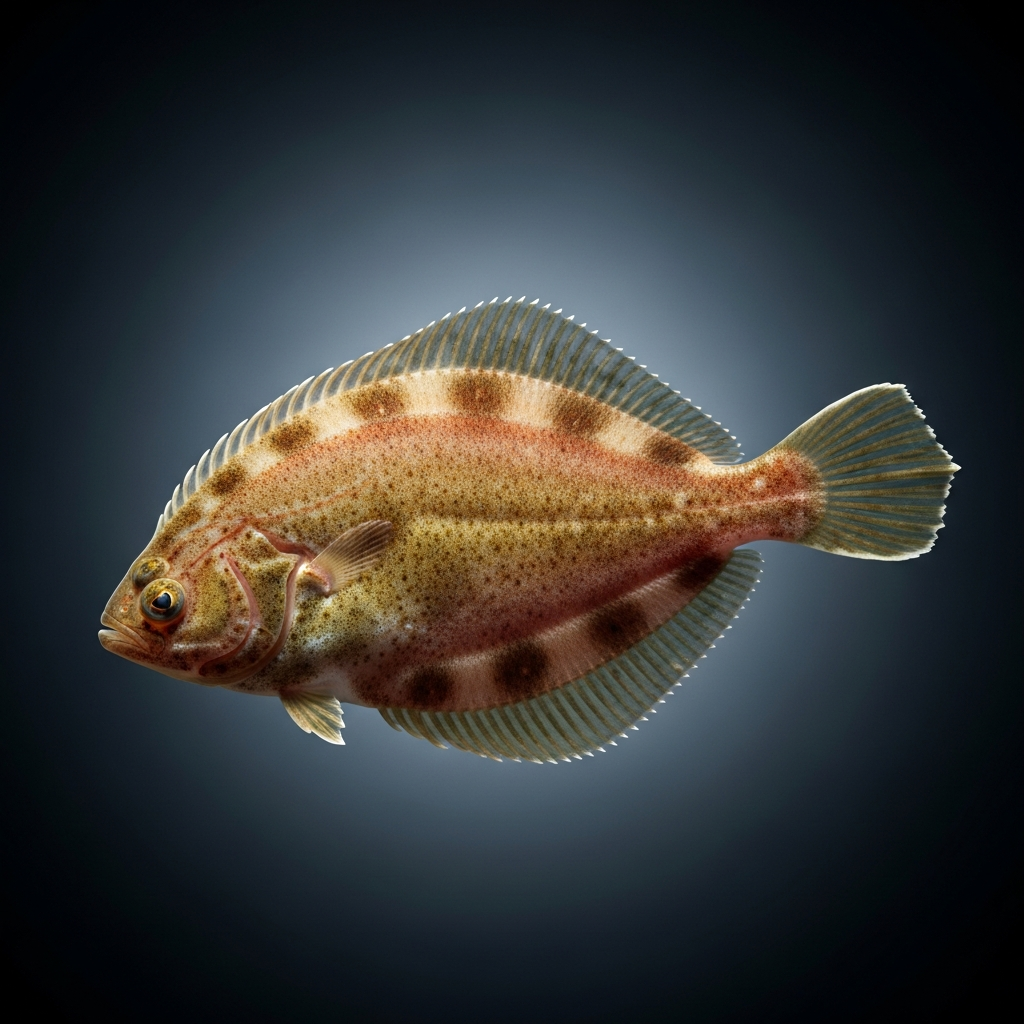
Stoneware mug, dishwasher safe
Buy Mug
Soft cotton tee, unisex sizes
Buy ShirtEsteemed in European culinary traditions, the Common Sole holds cultural importance especially in France, Italy, Spain, and the UK. It features prominently in classic dishes such as Sole Meunière and is a symbol of premium seafood in coastal communities. The fish’s high market value reflects its status as a gastronomic delicacy and a staple in regional cuisine.
The Common Sole inhabits demersal zones of shallow coastal waters ranging from 2 to 200 meters in depth. It prefers sandy and muddy substrates where it can effectively camouflage. Geographically, it is distributed throughout the eastern Atlantic and Mediterranean regions, thriving in temperate marine environments.
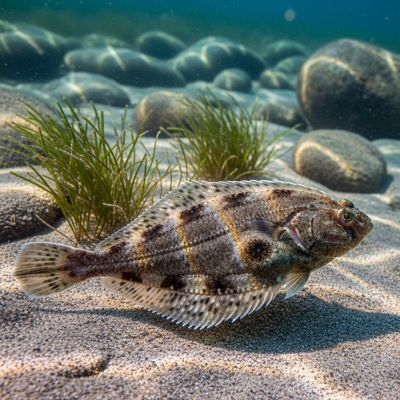
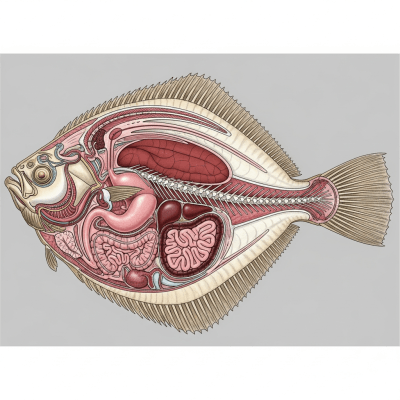

While specific diet details are limited, the Common Sole typically feeds on small benthic invertebrates found within sandy and muddy sea floors. Its behavior as a bottom-dweller allows it to forage effectively for prey hidden in the substrate.
The Common Sole reproduces by releasing pelagic eggs and larvae during a spawning season that spans from February to May. Sexual maturity is generally reached between 3 and 5 years of age. Spawning takes place in shallow coastal waters with sandy and muddy bottoms, supporting the early development of offspring in nutrient-rich environments.
Commercial stocks of Common Sole are primarily wild-caught, though aquaculture initiatives have expanded since the late 20th century to supplement supply. Growth rates in farming conditions are moderate, and production yields vary by region and management practices. Despite increasing aquaculture efforts, wild fisheries remain the main source, with careful management to address declining landings due to overfishing.
The Common Sole faces pressures from overfishing and habitat disturbance, making sustainable management crucial. It exhibits moderate disease resistance but is sensitive to pollution and environmental degradation. Conservation efforts focus on regulating fisheries and supporting aquaculture development to reduce wild stock depletion and maintain population stability.