Swordfish
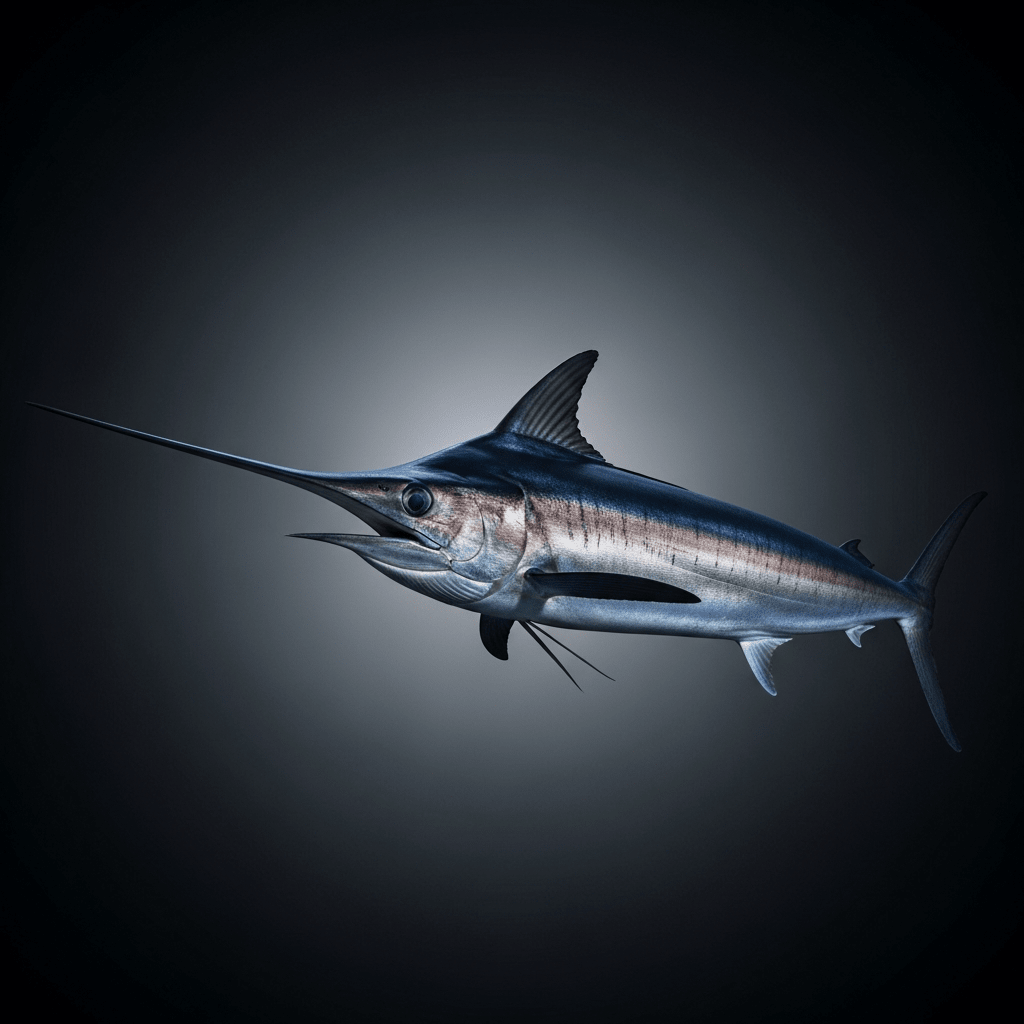
The swordfish (Xiphias gladius) is a large, highly migratory predatory fish renowned for its elongated, sword-like bill and streamlined body, inhabiting temperate and tropical oceans worldwide.
The swordfish (Xiphias gladius) is a large, highly migratory predatory fish renowned for its elongated, sword-like bill and streamlined body, inhabiting temperate and tropical oceans worldwide.
First formally described by Carl Linnaeus in 1758, the swordfish's scientific name derives from Greek and Latin words meaning "sword." Fossil evidence traces its genus back to the Miocene epoch, highlighting a long evolutionary history in marine environments. This wild species has no domestication or breeding history.
The swordfish belongs to the family Xiphiidae and is the sole species in the genus Xiphias. It is a monotypic species within the bony fish group, distinct from other billfish such as marlins and sailfish, which are often confused with it.
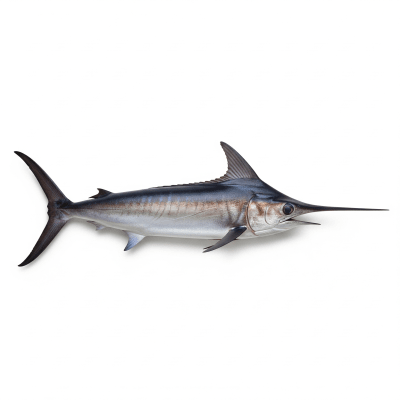
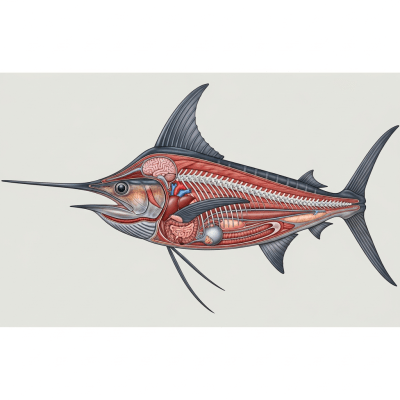
Swordfish possess a robust, streamlined body with a striking long, flattened bill that can measure up to one-third of their total length. Adults lack scales and display a dark metallic blue-black coloration on the dorsal side, contrasting with a silvery white ventral surface. They are endothermic, regulating brain and eye temperature to support deep and fast swimming.
Highly migratory and solitary, swordfish traverse vast oceanic distances, inhabiting depths from the surface down to over 650 meters with daily vertical migrations. Their sword-like bill is used to slash and stun prey, aiding their predatory lifestyle. They are a prized target in commercial and recreational fisheries worldwide.
Bring this kind into your world illustrated posters, mugs, and shirts.
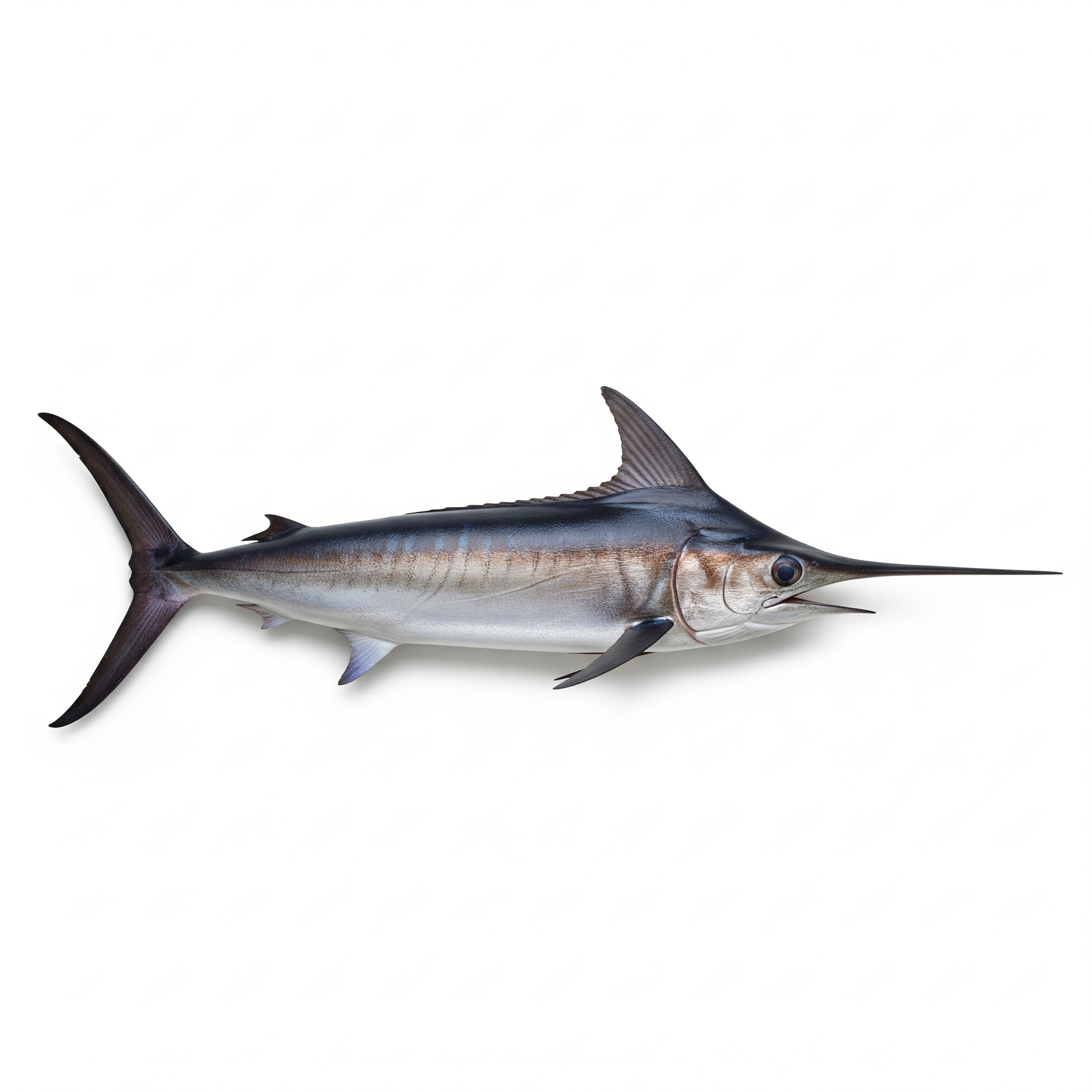
Archival print, museum-grade paper
Buy Poster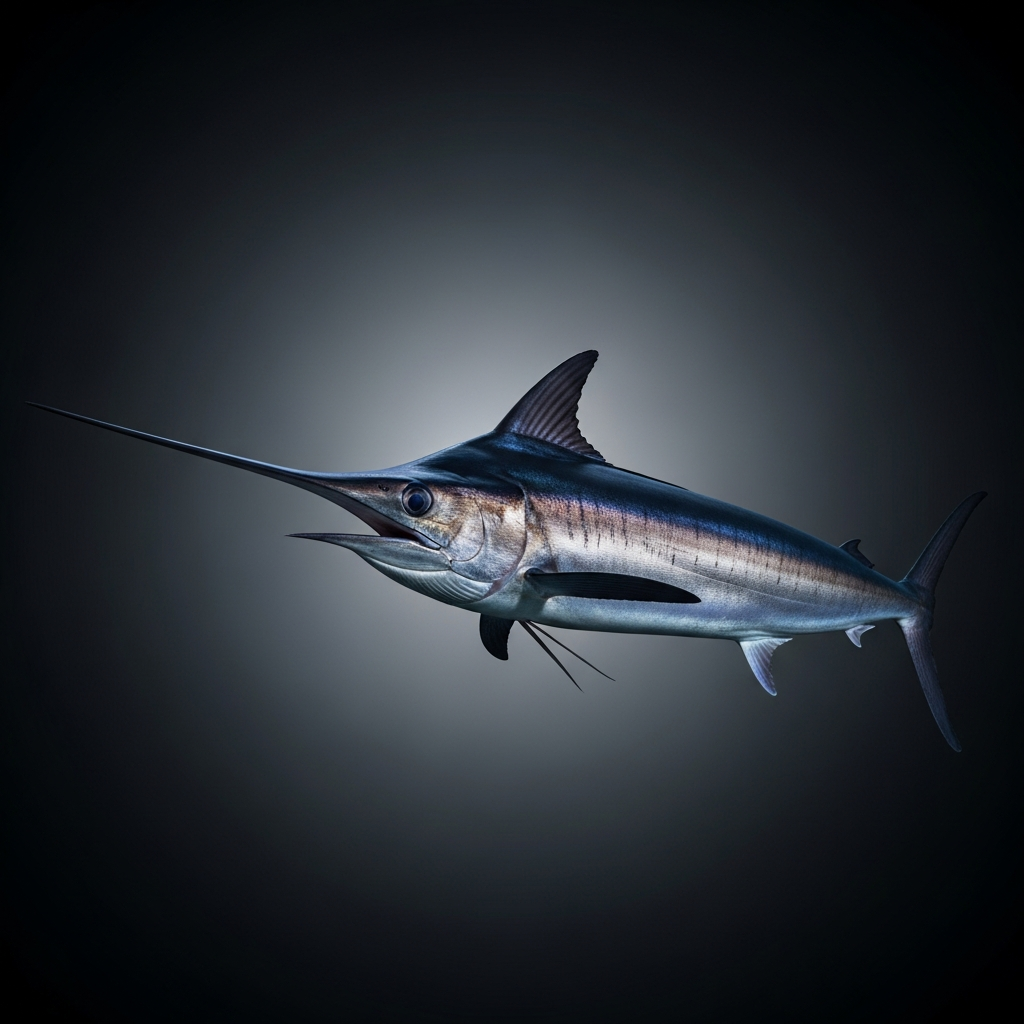
Stoneware mug, dishwasher safe
Buy Mug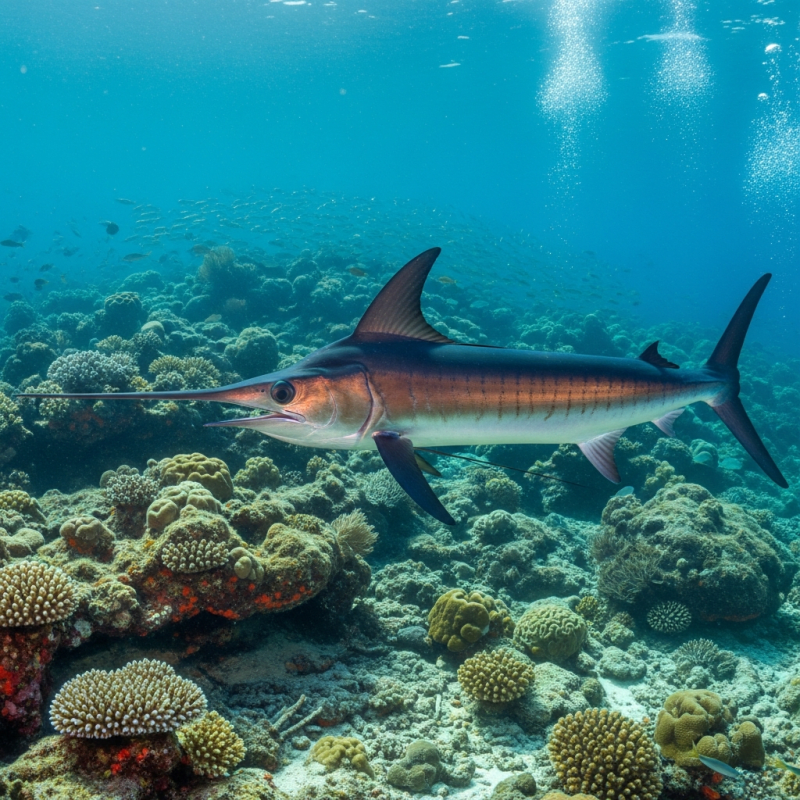
Soft cotton tee, unisex sizes
Buy ShirtSwordfish hold significant cultural and economic value as a prized food fish across Mediterranean, North American, and Asian cuisines. Their firm, meaty flesh is commonly grilled, broiled, or smoked. International management efforts, such as those by ICCAT, aim to prevent overexploitation, reflecting the species' importance in global seafood markets and conservation dialogues.
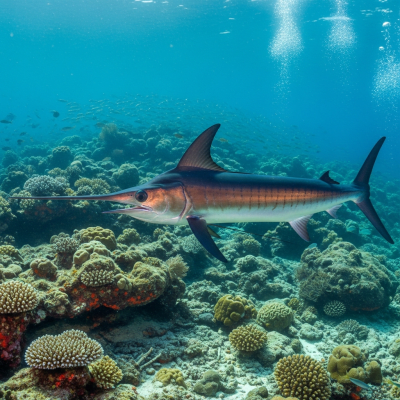
Swordfish are marine fish found throughout temperate and tropical oceans globally. They occupy a wide depth range, from surface waters to over 650 meters deep, engaging in diel vertical migrations to optimize feeding and temperature regulation.

As apex predators, swordfish feed on a variety of prey, using their sharp bill to slash and incapacitate fish and squid. Their hunting strategy relies on speed, agility, and the specialized use of their elongated rostrum.
Swordfish reach sexual maturity between four and five years of age. While specific spawning habitats are not well documented, they reproduce in marine environments, with juveniles sometimes referred to regionally as "ratones" or "picaros."
Swordfish are not farmed and are exclusively wild-caught through longline, harpoon, and drift net fisheries. They are a valuable commercial species, with fisheries managed internationally to ensure sustainable harvests and prevent overfishing.
Swordfish populations face threats primarily from overfishing and bycatch. International regulatory bodies monitor and manage their harvest to mitigate decline. While not currently endangered, ongoing conservation efforts are essential to maintain healthy populations amid high commercial demand.