Origin Story
The story of amphibians traces back hundreds of millions of years, when the earliest ancestors first ventured from water onto land. Emerging from ancient aquatic vertebrates, amphibians represent a pivotal evolutionary bridge between fish and fully terrestrial animals. Today, they are found on every continent except Antarctica, inhabiting diverse environments from tropical rainforests to temperate woodlands and even arid regions. Their origins and global spread have shaped the ecological tapestry of both aquatic and terrestrial habitats.
Classification
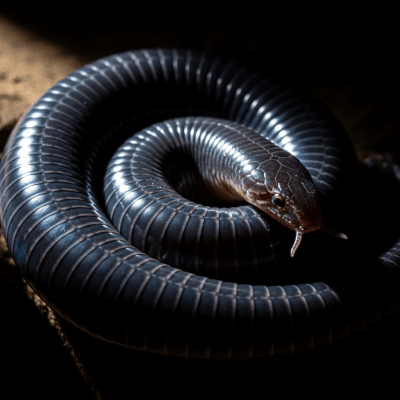
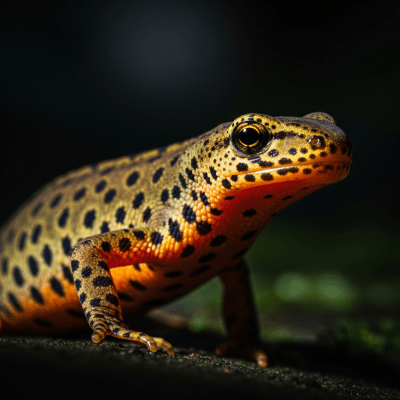
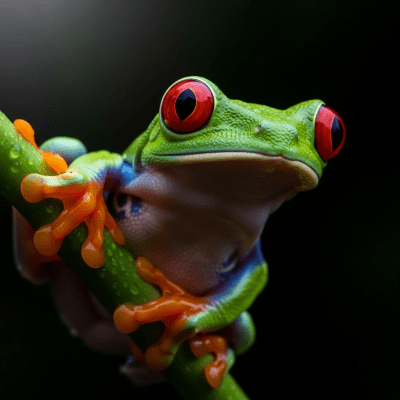
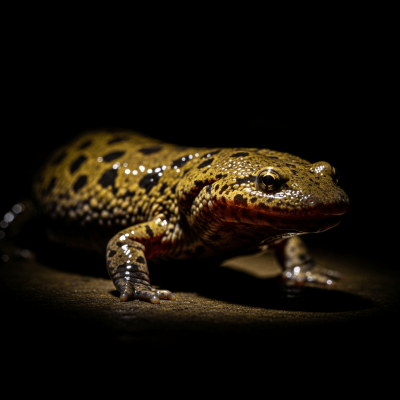
Amphibians belong to the scientific class Amphibia, which is divided into three primary orders: Anura (frogs and toads), Caudata/Urodela (salamanders and newts), and Gymnophiona/Apoda (caecilians). Each order encompasses families, genera, and species, organized by evolutionary relationships, morphology, and genetics. Binomial nomenclature (Genus + species) is used for precise identification, and formal classification is governed by international codes and regularly updated by global authorities such as the American Museum of Natural History and the IUCN Red List.
Appearance or Form
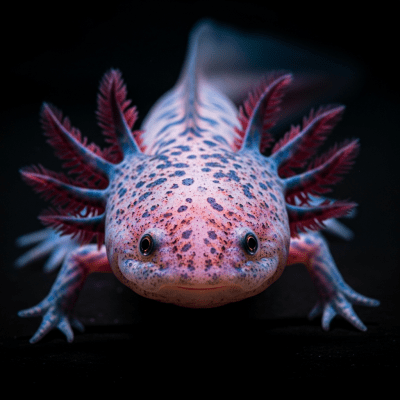
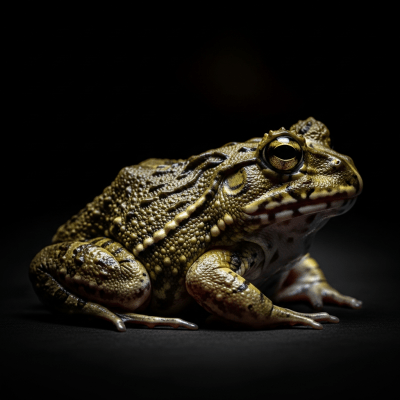
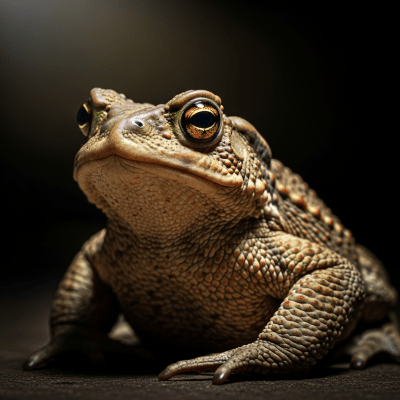
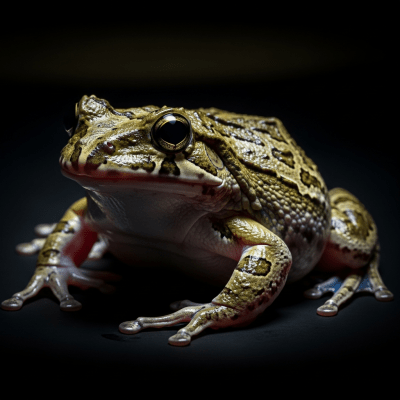
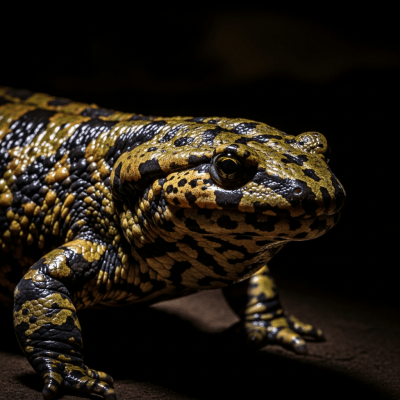
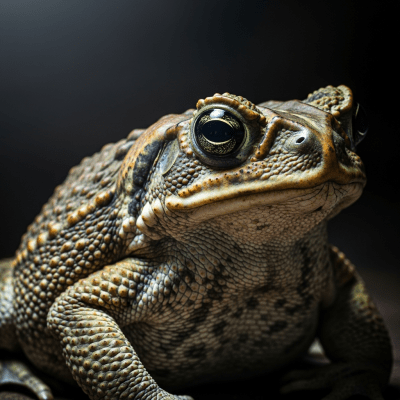
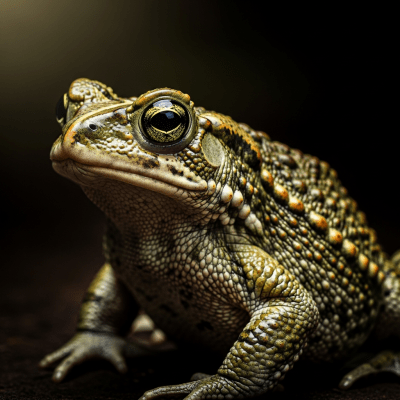
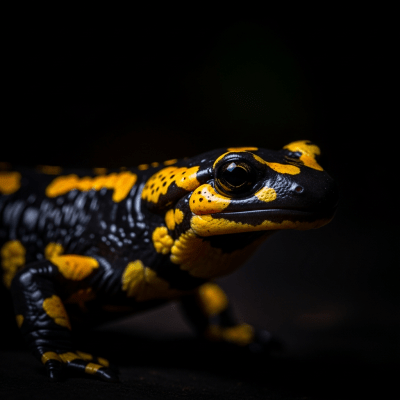
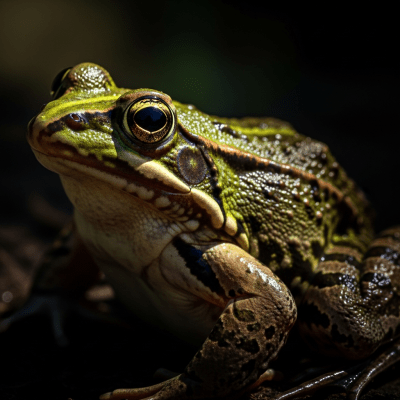
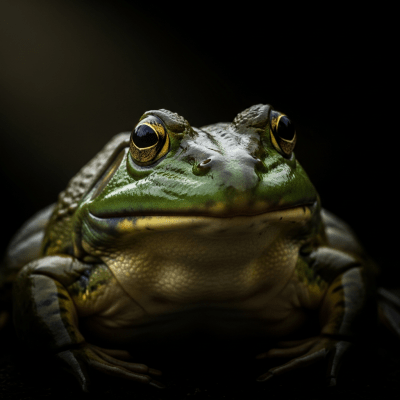
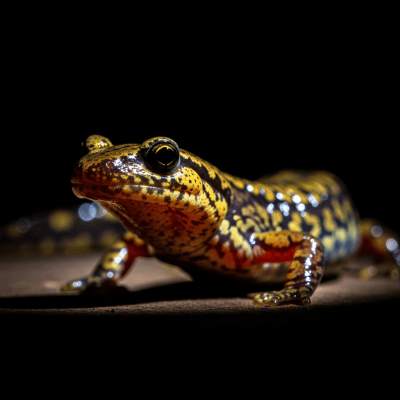
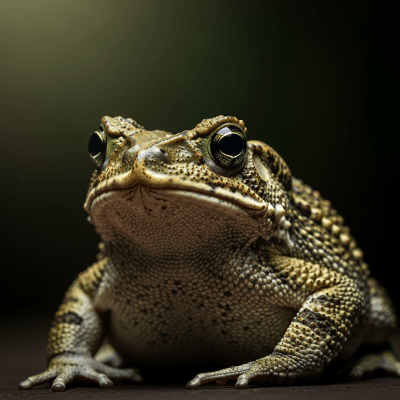
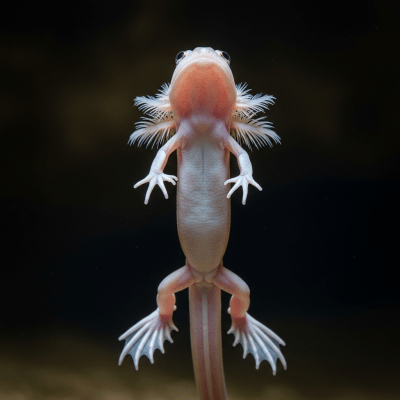
Amphibians display remarkable diversity in form and texture. Most have smooth, permeable skin that facilitates respiration and moisture exchange, often appearing moist or slightly glistening. Frogs and toads typically feature compact bodies, strong hind legs for jumping, and wide mouths; salamanders and newts are elongated with tails and limbs suited for crawling or swimming; caecilians are limbless, resembling earthworms with a sleek, burrowing physique. Coloration ranges from subtle earth tones to vivid patterns, sometimes serving as camouflage or warning signals. Their metamorphic life cycle means juveniles often look dramatically different from adults, shifting from gilled, aquatic larvae to air-breathing, land-dwelling forms.
Behavior or Usage
Amphibians are celebrated for their complex behaviors and ecological roles. Many species undergo metamorphosis, transitioning from water-dwelling larvae to land-adapted adults. They are primarily nocturnal, relying on environmental cues for breeding, feeding, and migration. Amphibians play crucial roles in food webs as both predators and prey, controlling insect populations and serving as indicators of environmental health due to their sensitive skin. While direct human use is limited, amphibians contribute to scientific research, education, and conservation efforts. Their presence in natural habitats is vital for ecosystem balance, and their decline often signals broader environmental issues.