Silver Carp
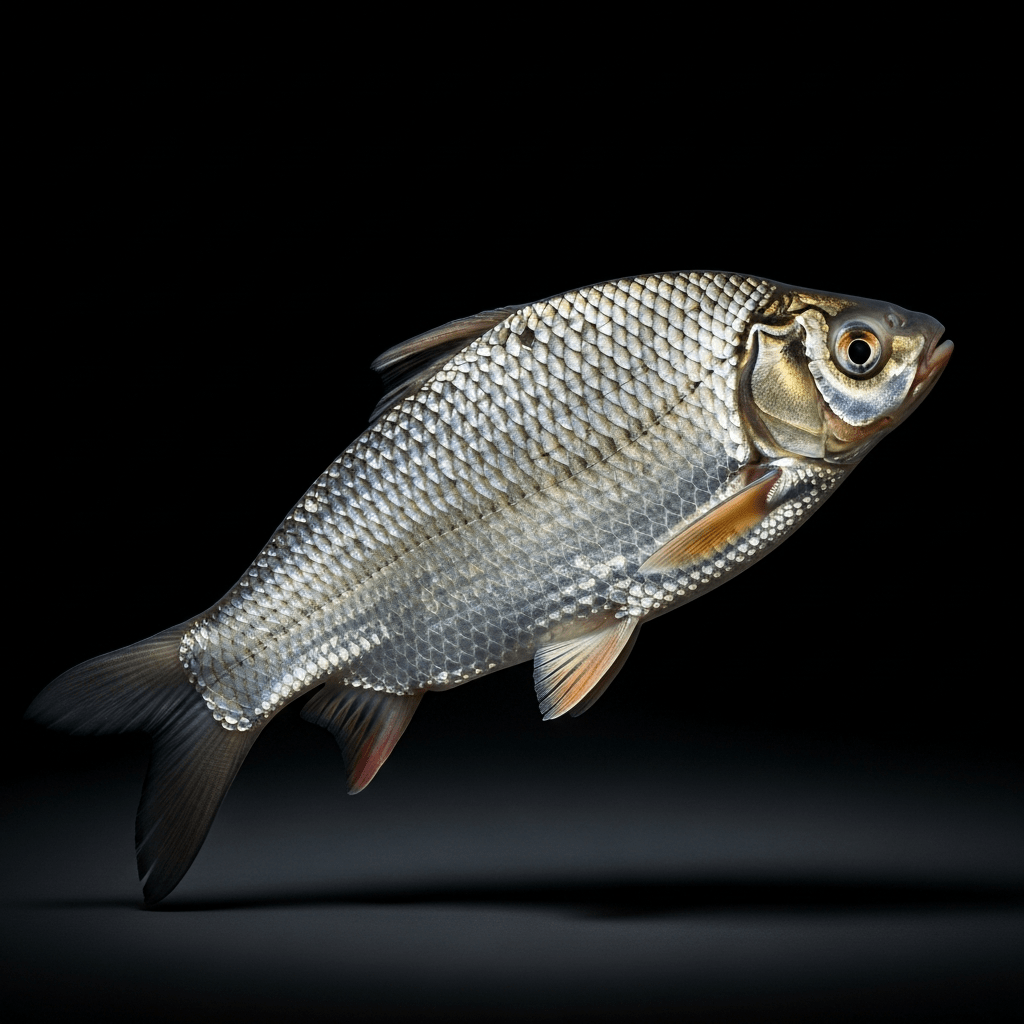
The Silver Carp (Hypophthalmichthys molitrix) is a large, fast-growing freshwater fish known for its distinctive silvery scales, filter-feeding habits, and rapid reproduction.
The Silver Carp (Hypophthalmichthys molitrix) is a large, fast-growing freshwater fish known for its distinctive silvery scales, filter-feeding habits, and rapid reproduction.
First described by Valenciennes in 1844, the Silver Carp is native to the major river systems of China, including the Yangtze, Yellow, and Pearl Rivers. It has been cultivated extensively in China since at least the Tang Dynasty (618–907 AD), with modern breeding focusing on growth and disease resistance. Introductions to other regions began in the mid-20th century for aquaculture and water quality management.
Belonging to the genus Hypophthalmichthys, the Silver Carp is a member of the bony fishes, characterized by a specialized filter-feeding mechanism. It fits within the broader group of freshwater carps, which are widely farmed and ecologically significant.
The Silver Carp has a deep, laterally compressed body covered in silvery scales. Its small mouth faces downward, positioned below the eyes, a feature reflected in its genus name meaning "under-eye fish." Adults typically measure 60 to 100 cm long and weigh between 2 and 5 kilograms, with some reaching up to 20 kilograms. Notably, the species is known for its startling leaping behavior when disturbed.
As an efficient filter feeder, the Silver Carp consumes phytoplankton and suspended organic matter, contributing to rapid growth often exceeding 1 kilogram per year. It plays a dual role as a valuable aquaculture species and, in introduced regions, an invasive fish impacting native ecosystems. Its tendency to leap from water when startled has safety implications for humans in affected waterways.
Bring this kind into your world illustrated posters, mugs, and shirts.
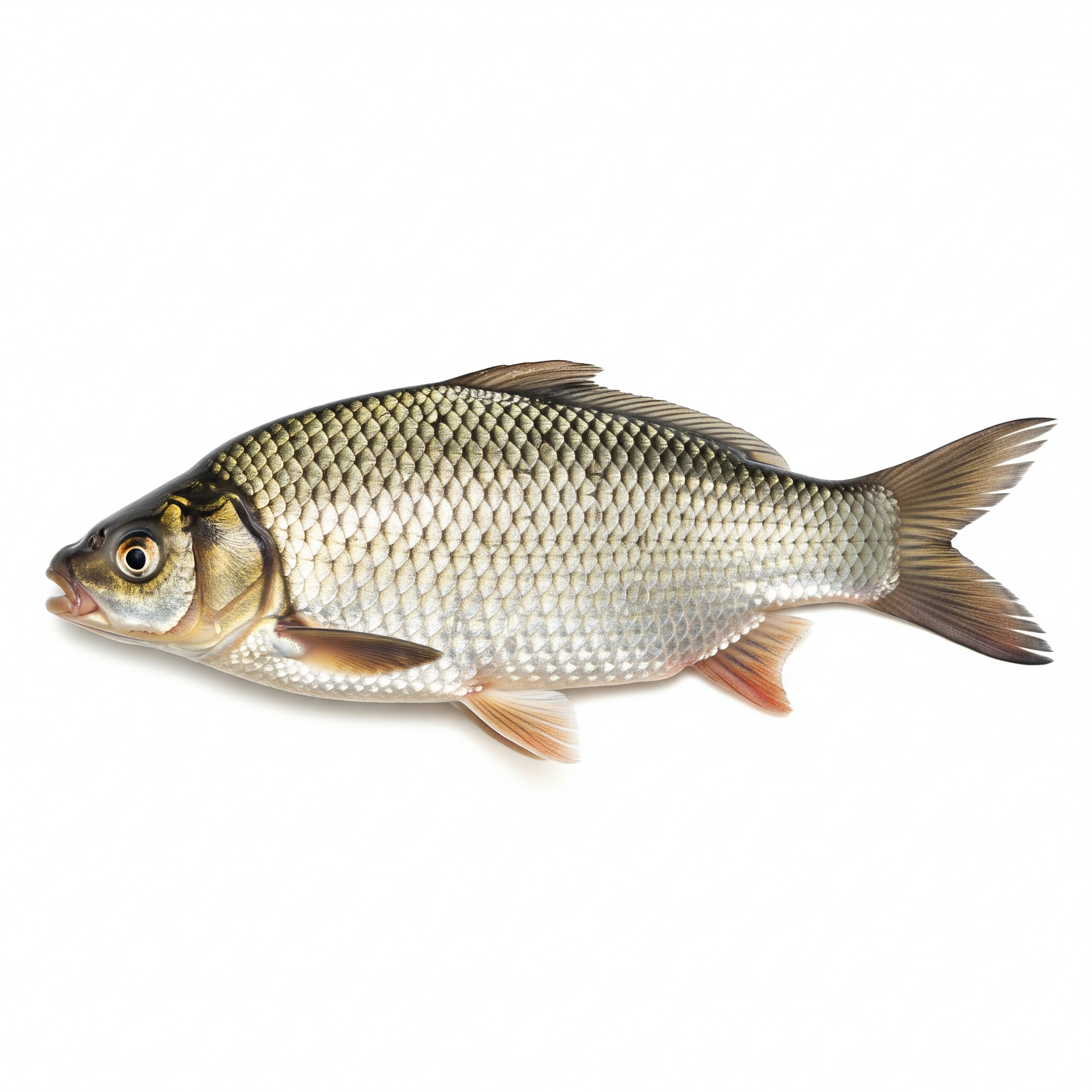
Archival print, museum-grade paper
Buy Poster
Stoneware mug, dishwasher safe
Buy Mug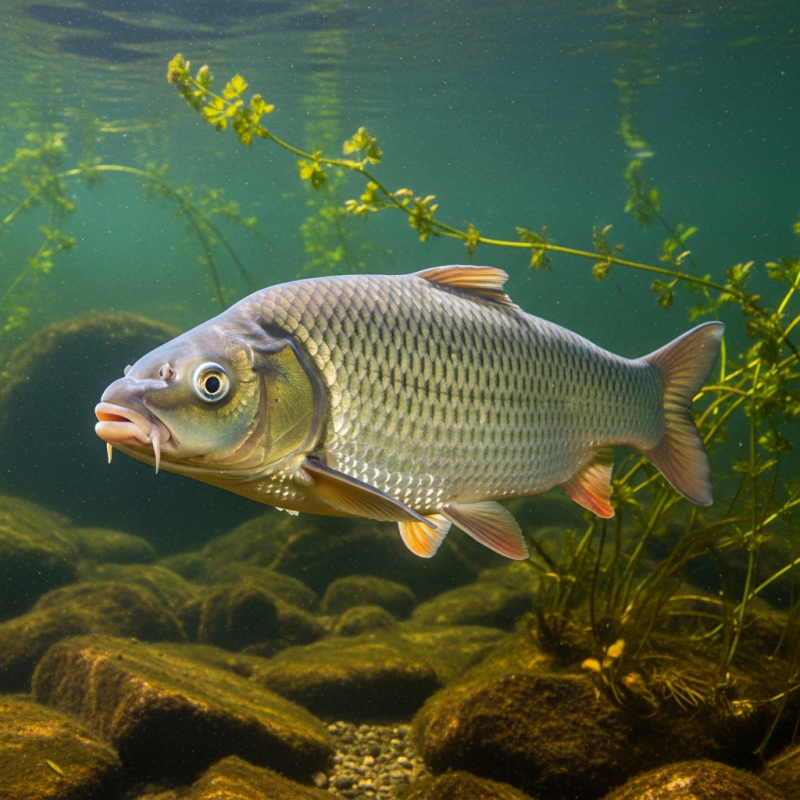
Soft cotton tee, unisex sizes
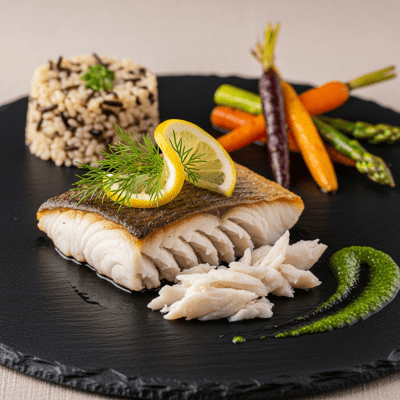
Buy ShirtIn Asian cuisine, particularly in China, Silver Carp is a dietary staple, prepared fresh, dried, or processed into fish balls, fillets, and surimi. While its many intramuscular bones can complicate preparation, its mild-flavored, white flesh remains popular. The species also holds economic importance as a sustainable protein source and water quality improver in aquaculture.
Native to freshwater habitats of China’s great rivers—the Yangtze, Yellow, and Pearl—the Silver Carp thrives in large river systems. It tolerates a temperature range of 18 to 28°C and prefers well-oxygenated waters. Introduced populations have established in Europe, the former Soviet Union, and North America, where it inhabits large rivers and reservoirs, often spreading aggressively.
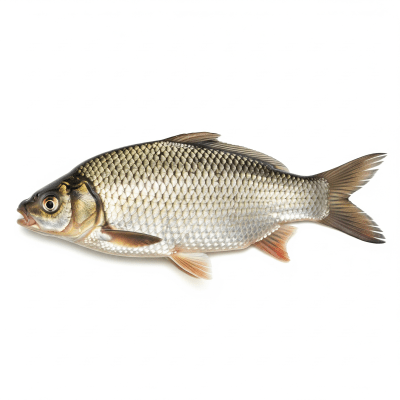
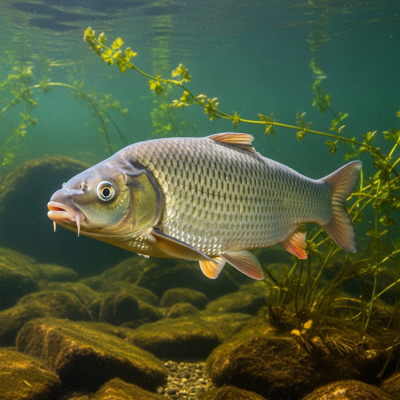
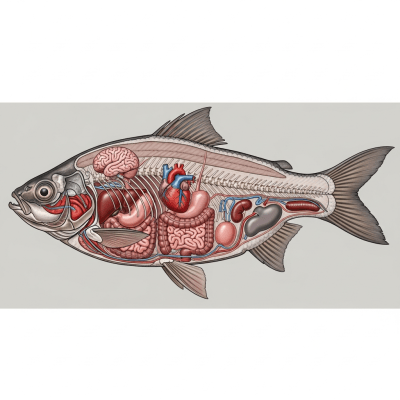
Silver Carp is a filter feeder that consumes phytoplankton and suspended organic particles. Using specialized gill rakers, it efficiently strains microscopic algae from the water, supporting its rapid growth and contributing to controlling algal blooms in aquaculture settings.
Reproduction occurs in large freshwater rivers during periods of high water flow. The species releases pelagic eggs and larvae that drift downstream, allowing wide dispersal. Details on age at sexual maturity vary, but spawning habitat is consistently associated with flowing river environments.
Silver Carp is extensively farmed, especially in China, where selective breeding has enhanced growth rates and disease resistance. It is commonly raised in polyculture systems alongside other carp species. Global production surpasses 4 million metric tons annually, with harvesting methods adapted to its filter-feeding and schooling behavior.
While Silver Carp is abundant and widely farmed, its invasive populations pose ecological challenges in non-native regions. It is sensitive to low oxygen and high salinity, and disease susceptibility varies by strain. Conservation efforts focus more on managing invasive impacts than protecting native stocks.