Origin Story
Dinosaurs first emerged over 230 million years ago, arising during the Triassic period in what is now recognized as a patchwork of ancient supercontinents. Their evolutionary journey began with small, agile forms that rapidly diversified, giving rise to a spectacular array of species. Over the course of the Jurassic and Cretaceous periods, dinosaurs radiated across the globe, adapting to myriad environments before their reign ended with the mass extinction event approximately 66 million years ago.
Classification
All dinosaurs belong to the clade Dinosauria, which is divided into two principal branches based on hip structure: Saurischia (including theropods and sauropodomorphs) and Ornithischia (such as ceratopsians, hadrosaurs, and stegosaurs). This taxonomy is structured using both traditional Linnaean ranks—kingdom, phylum, class, order, family, genus, species—and modern cladistic approaches that emphasize evolutionary relationships. While dinosaurs are often grouped with reptiles, their unique anatomical traits set them apart within the animal kingdom.
Appearance or Form
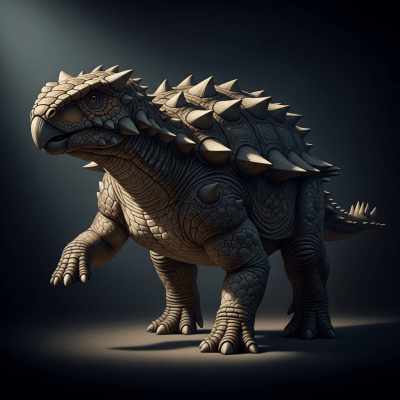
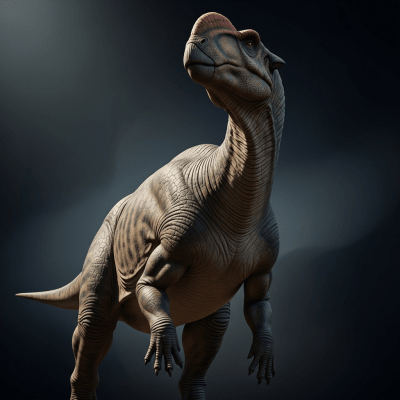
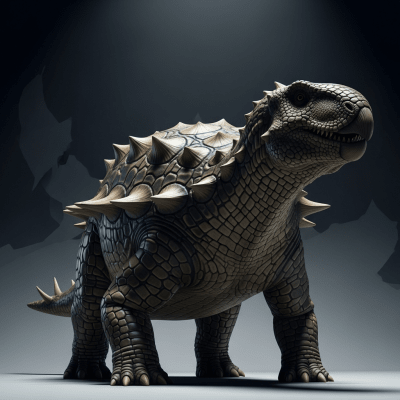
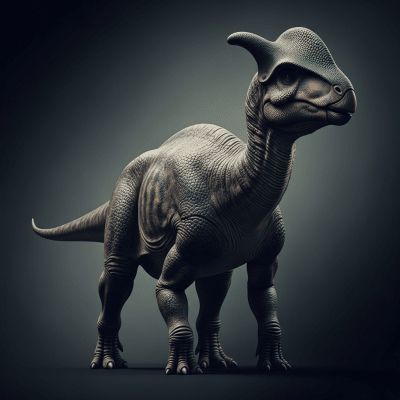
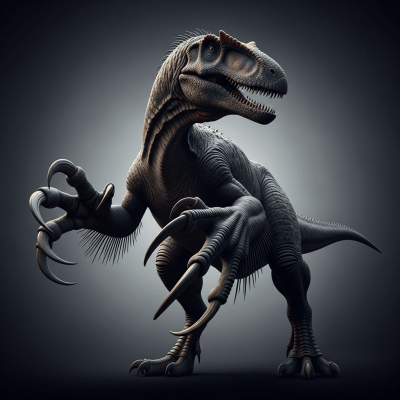
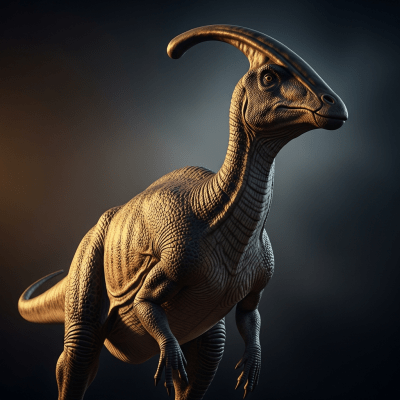
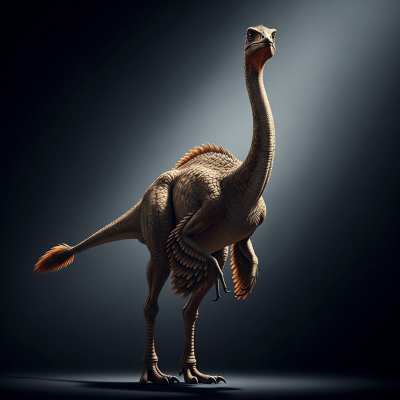
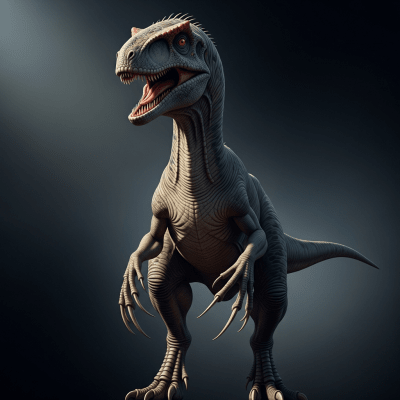
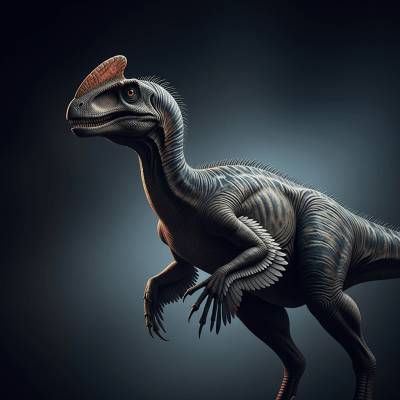
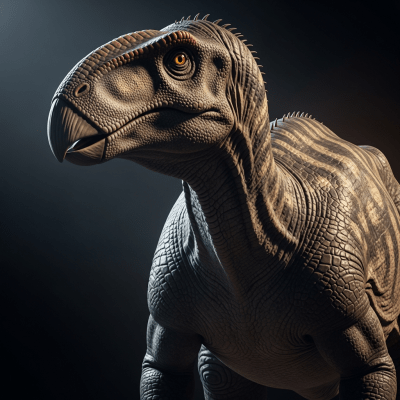
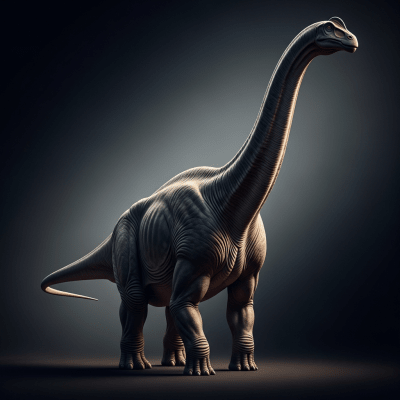
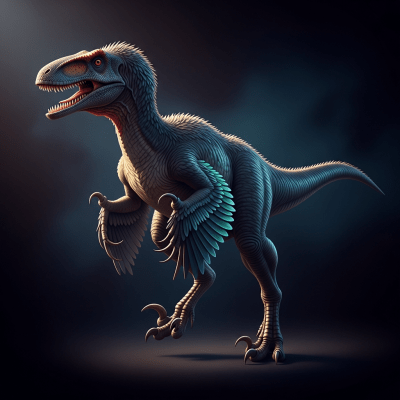
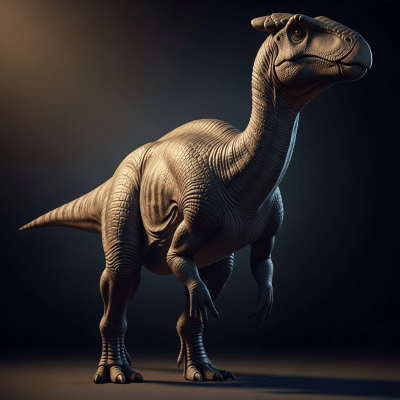
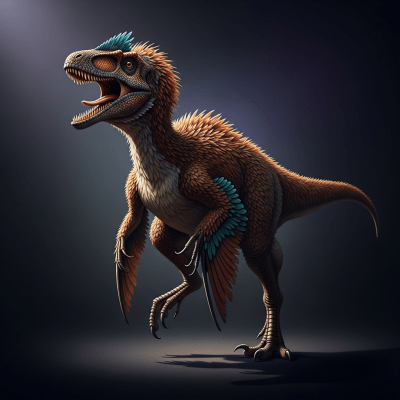
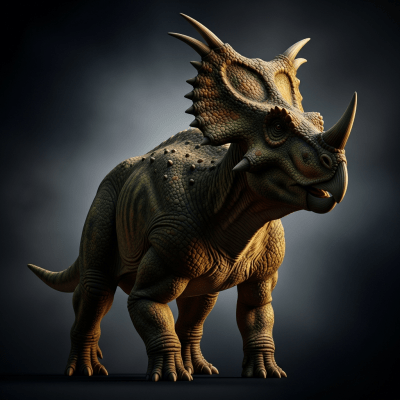
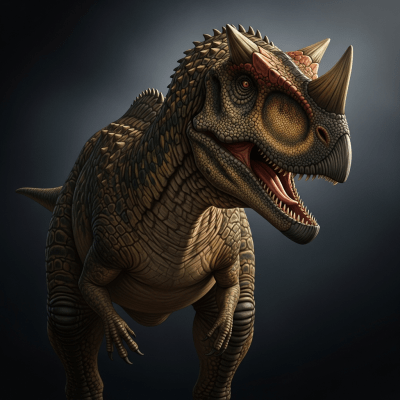
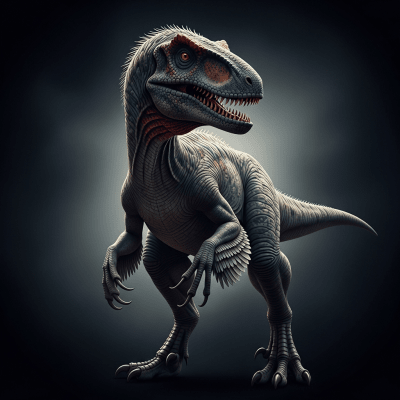
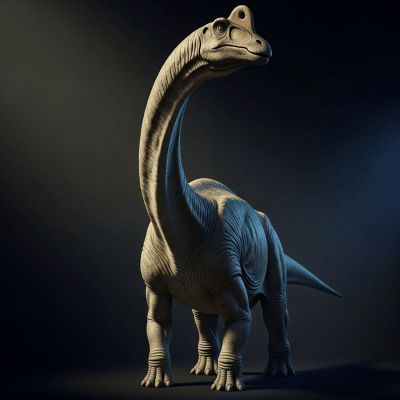
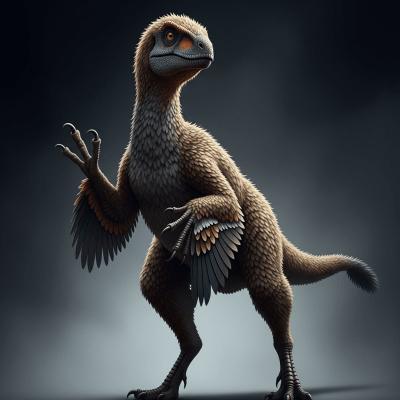
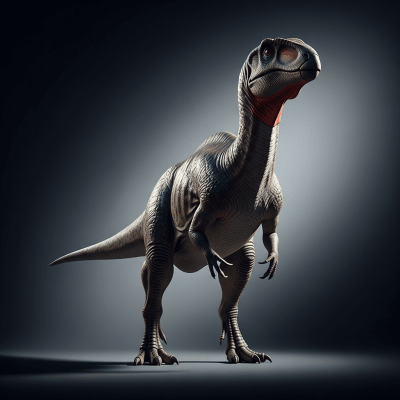
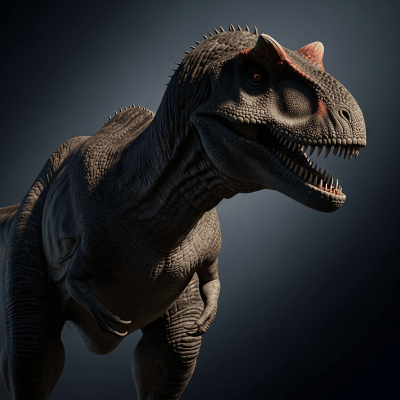
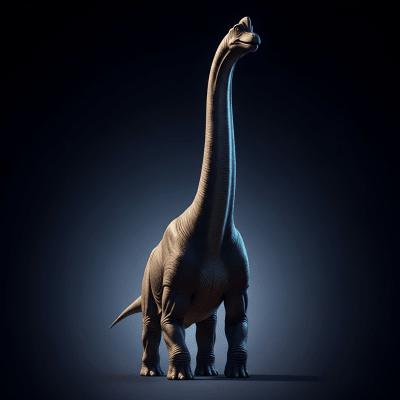
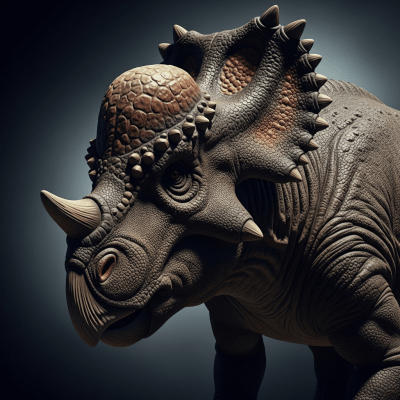
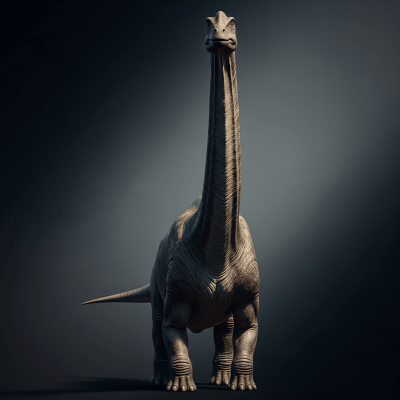
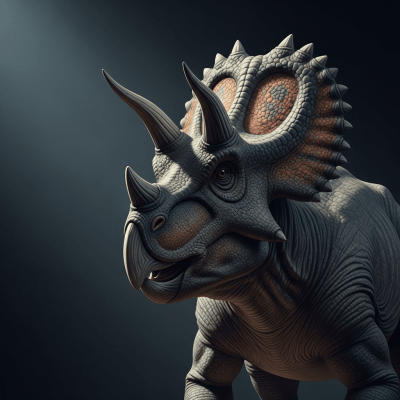
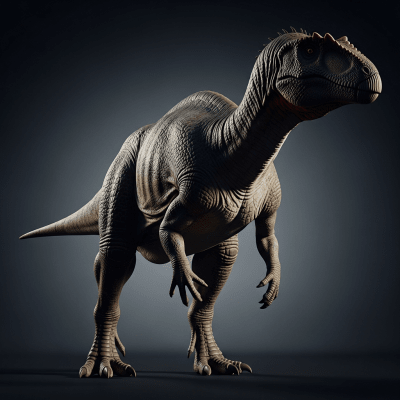
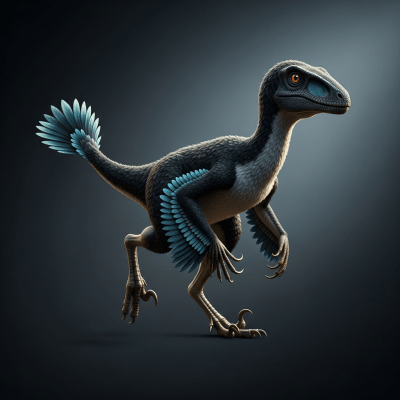
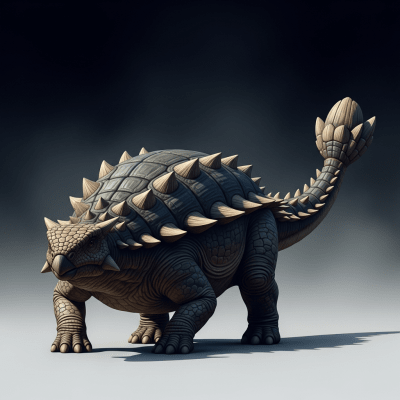
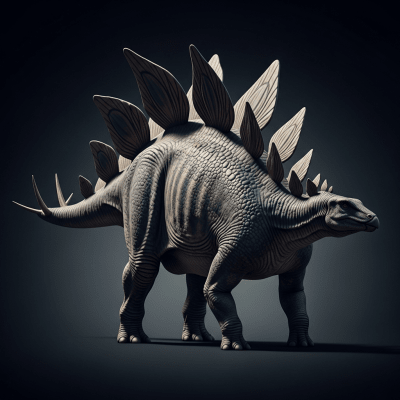
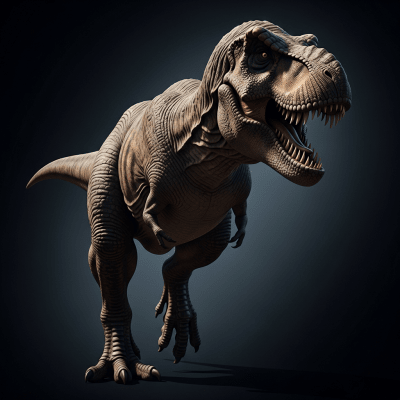
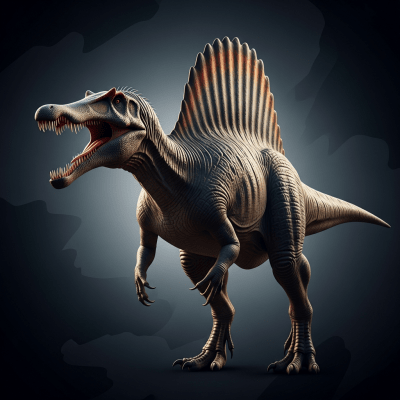
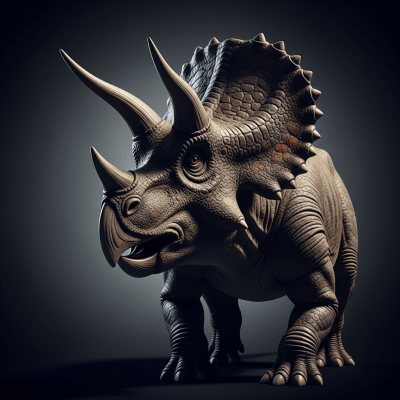
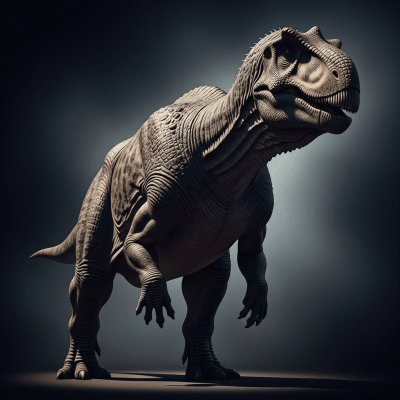
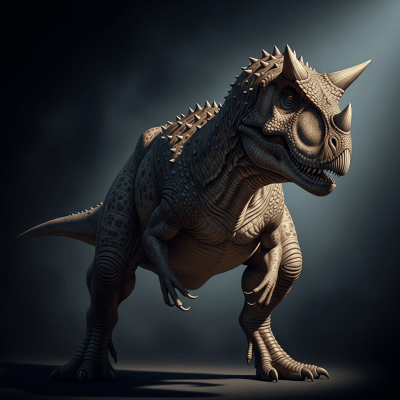
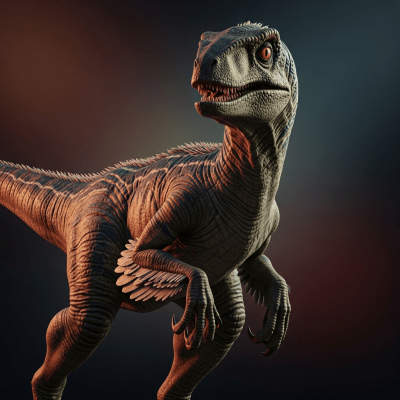
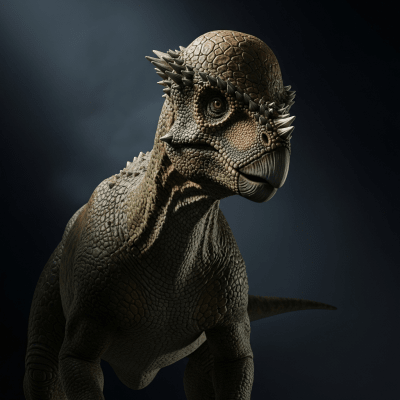
Dinosaurs exhibited an astonishing variety of shapes and sizes. Some, like the towering sauropods, stretched over 30 meters in length, while others, such as feathered theropods, were nimble and bird-like. Their bodies ranged from armored and horned to sleek and agile, with features like crests, frills, and elaborate tails. Sensory impressions suggest scaly skin for many, though some bore feathers, hinting at vibrant coloration and display behaviors. The diversity in form reflects their adaptation to different ecological roles, from fearsome predators to gentle giants and spiky herbivores.
Behavior or Usage
Dinosaurs were primarily terrestrial and filled ecological niches as both predators and prey. Their behaviors, inferred from fossil evidence, ranged from pack hunting and parental care to complex migration patterns. While humans never directly interacted with living dinosaurs, their fossils have become invaluable to science, fueling research in evolutionary biology, geology, and anatomy. Today, dinosaurs are central to museum exhibits, educational curricula, and public fascination, serving as a gateway to understanding Earth’s deep past.