Velociraptor
Velociraptor is a small, agile predatory dinosaur from the Late Cretaceous period, famed for its intelligence, sickle-shaped toe claw, and iconic status in both science and popular culture.
Velociraptor is a small, agile predatory dinosaur from the Late Cretaceous period, famed for its intelligence, sickle-shaped toe claw, and iconic status in both science and popular culture.
First described in 1924 by paleontologist Henry Fairfield Osborn, Velociraptor's story begins in the arid expanses of the Djadochta Formation in Mongolia. The holotype specimen, AMNH 6515, consists of a crushed skull and associated bones unearthed from these ancient sandstones. Its fossils, primarily found in Central Asia, reveal a lineage closely tied to other dromaeosaurids, marking Velociraptor as a distinct predator of the Late Cretaceous.
Velociraptor belongs to the family Dromaeosauridae, within the clade Theropoda of the order Saurischia. This places it among the swift, bipedal carnivores that are evolutionarily linked to birds. Its closest relatives include Deinonychus and Saurornitholestes, all sharing anatomical traits such as the distinctive sickle claw and feathered bodies. The genus is formally recognized by international authorities including the ICZN and the Paleobiology Database.
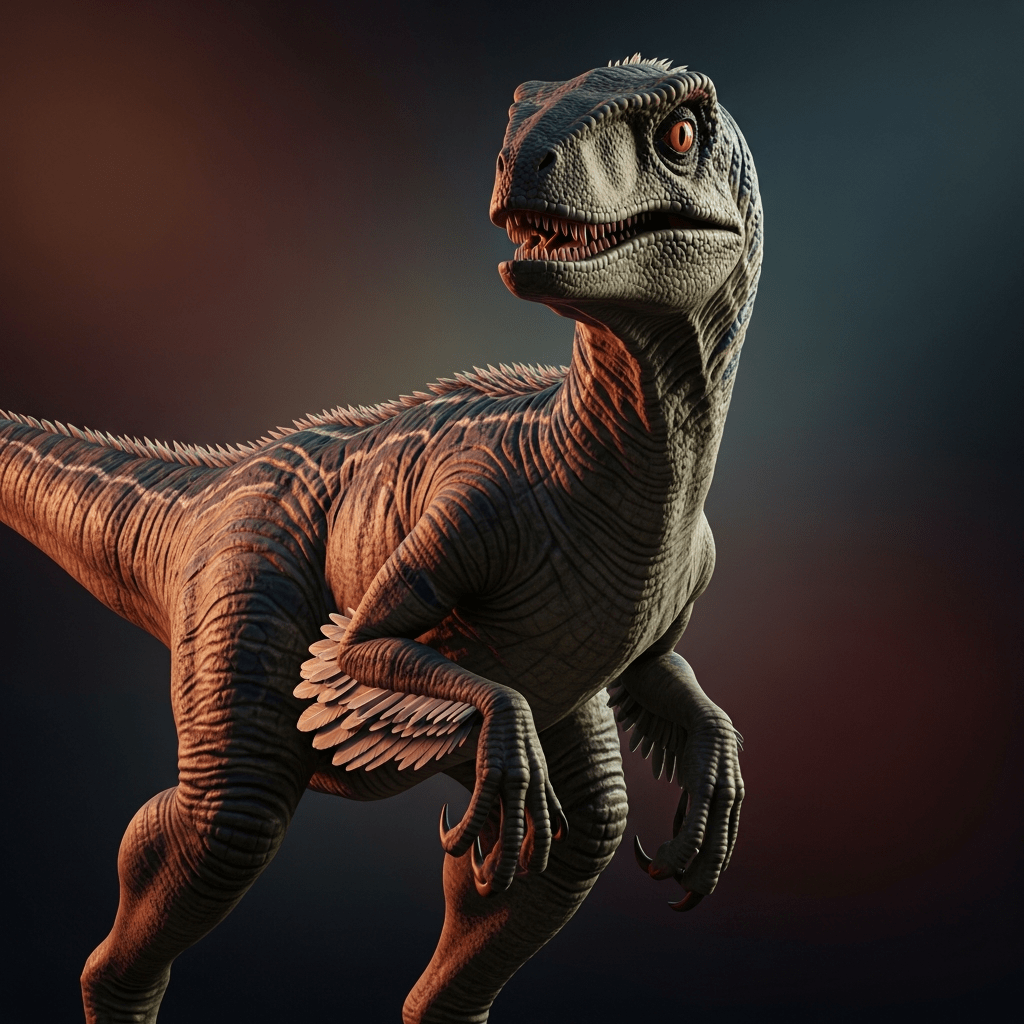
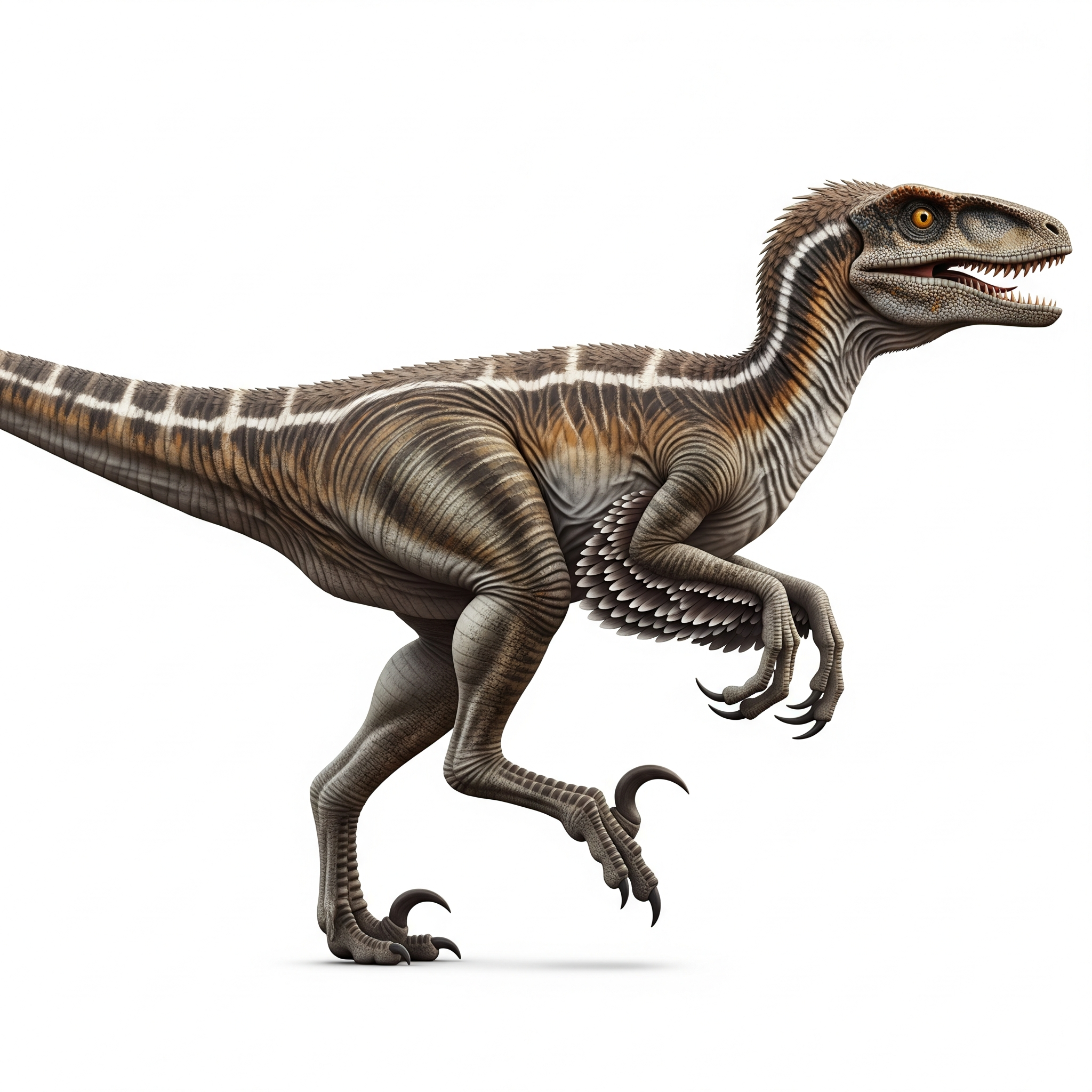
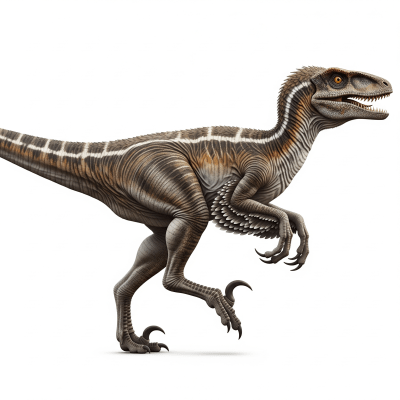
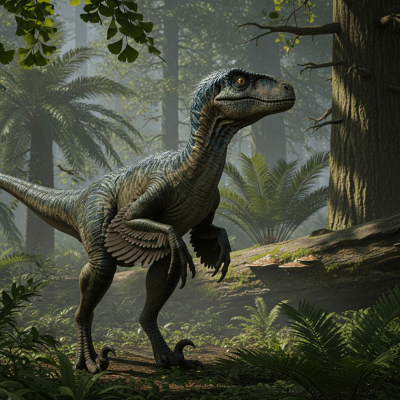
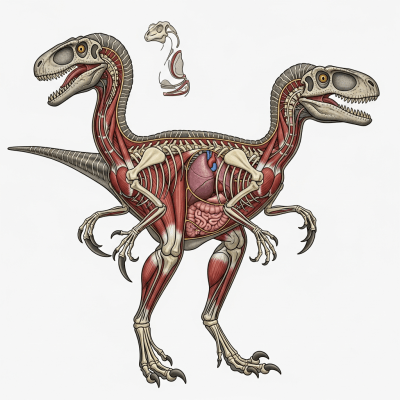
Velociraptor was lightly built, measuring about 1.5–2 meters long and standing roughly 0.5 meters tall at the hip, with a weight of 15–20 kg. Its elongated skull featured an upturned snout and jaws lined with serrated teeth. The most striking anatomical feature was the large, curved claw on each second toe, used for grasping prey. Fossil evidence shows Velociraptor bore feathers, likely for insulation or display, and its long, stiffened tail provided balance during rapid movements. The overall impression is of a sleek, agile hunter, more bird-like than the scaly monsters of fiction.
Velociraptor was a carnivorous predator, presumed to hunt small to medium-sized animals. While popular media often portrays it as a pack hunter, direct evidence for coordinated social behavior is limited. Its agility and intelligence suggest it was an active, opportunistic hunter, using its claws and speed to subdue prey. In the modern era, Velociraptor's fossils are highly valued for scientific research and public exhibitions, helping to illuminate the evolutionary links between dinosaurs and birds.
Bring this kind into your world illustrated posters, mugs, and shirts.
Archival print, museum-grade paper
Buy Poster
Stoneware mug, dishwasher safe
Buy Mug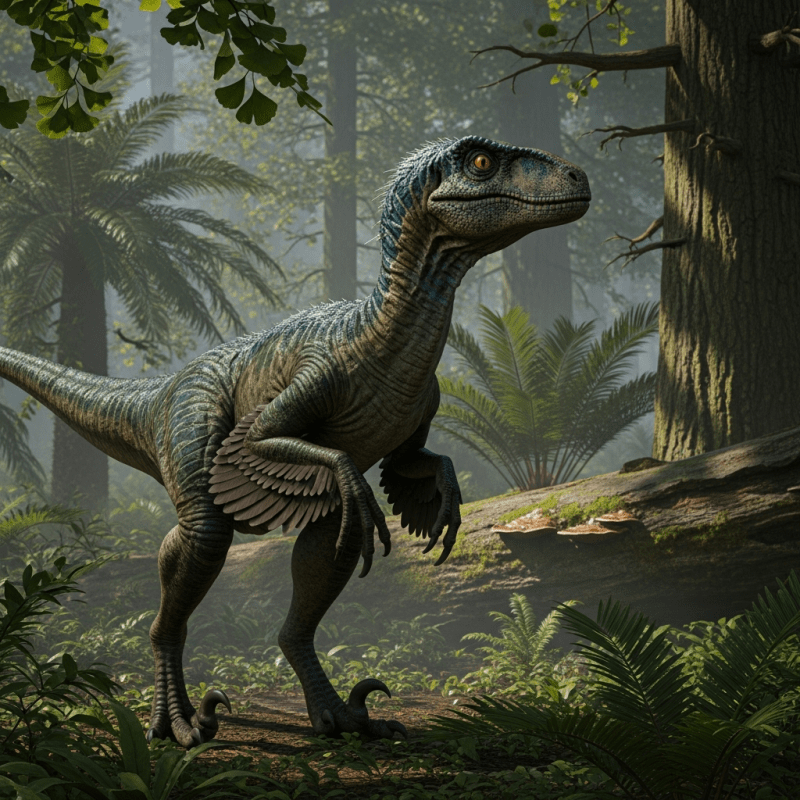
Soft cotton tee, unisex sizes
Buy ShirtFew dinosaurs have captured the public imagination like Velociraptor. Its starring role in the Jurassic Park franchise, though scientifically inaccurate in size and appearance, has made it a household name. Museums and educational programs frequently feature Velociraptor to illustrate dinosaur intelligence and the transition to birds. Its image, often featherless and oversized in media, contrasts with the scientific reality, highlighting the interplay between paleontology and popular culture.
Velociraptor lived during the Late Cretaceous, approximately 75 to 71 million years ago—a time when dinosaurs flourished across the globe and many iconic species evolved.
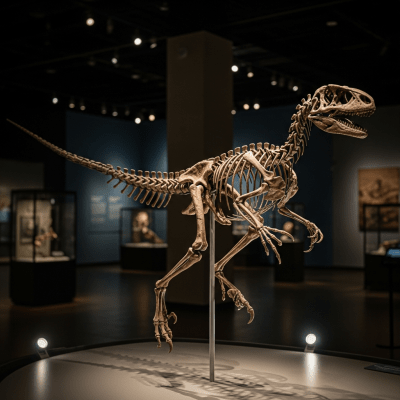
The first Velociraptor fossils were discovered in Mongolia's Djadochta Formation, with the holotype specimen housed at the American Museum of Natural History. Subsequent finds have confirmed its presence in Central Asia, including Inner Mongolia, China. Fossilized bones, skulls, and evidence of feathers have provided critical insights into its anatomy and evolutionary relationships.
Velociraptor inhabited arid, sandy environments in what is now Central Asia, primarily Mongolia. Its fossils are found in sedimentary deposits that suggest a landscape of shifting dunes and sparse vegetation, ideal for a nimble predator. The genus is not known from other continents, making its distribution relatively localized within Asia.
As a carnivore, Velociraptor preyed on small to medium-sized animals, likely using its agility and specialized claws to capture and subdue prey. Its serrated teeth were adapted for slicing flesh, and its hunting strategy may have included ambush or rapid pursuit. While some theories suggest pack hunting, most evidence points to solitary or opportunistic feeding behavior.
Little is known about Velociraptor's growth and life cycle due to limited fossil evidence. Juvenile specimens are rare, and data on development stages or lifespan remain unavailable. Like other theropods, it likely hatched from eggs and underwent rapid growth in its early years, but specifics of its ontogeny are still a subject of ongoing research.
Velociraptor, along with all non-avian dinosaurs, disappeared during the mass extinction event at the end of the Cretaceous period, around 66 million years ago. The leading theory attributes this extinction to a catastrophic asteroid impact, which triggered dramatic climate changes and disrupted ecosystems worldwide.
Velociraptor is pivotal in paleontology for its well-preserved fossils and clear evolutionary links to birds. Its anatomy, especially the presence of feathers, has helped scientists understand the transition from non-avian dinosaurs to modern birds. Studies of Velociraptor contribute to broader insights into dinosaur behavior, adaptation, and the diversity of the Mesozoic era.