Sinoceratops
Sinoceratops is a remarkable ceratopsian dinosaur from the Late Cretaceous of China, celebrated for its ornate frill and status as the first ceratopsid discovered in Asia.
Sinoceratops is a remarkable ceratopsian dinosaur from the Late Cretaceous of China, celebrated for its ornate frill and status as the first ceratopsid discovered in Asia.
Sinoceratops was unearthed in 2008 in Shandong Province, China, by a team led by Xu Xing of the Institute of Vertebrate Paleontology and Paleoanthropology. The holotype specimen, IVPP V 18362, was found in the Hongtuya Formation of the Wangshi Group, dating to the Late Cretaceous. Its name combines "Sino" (China) and "ceratops" (horned face), with the species name "zhuchengensis" honoring the locality of Zhucheng. This discovery marked a pivotal expansion of ceratopsid fossils beyond North America.
Sinoceratops belongs to the clade Dinosauria, within the order Ornithischia and family Ceratopsidae. As a ceratopsian, it shares lineage with other horned dinosaurs, but stands out as the sole ceratopsid genus known from Asia. Its classification highlights evolutionary ties between North American and Asian dinosaur faunas during the Late Cretaceous.
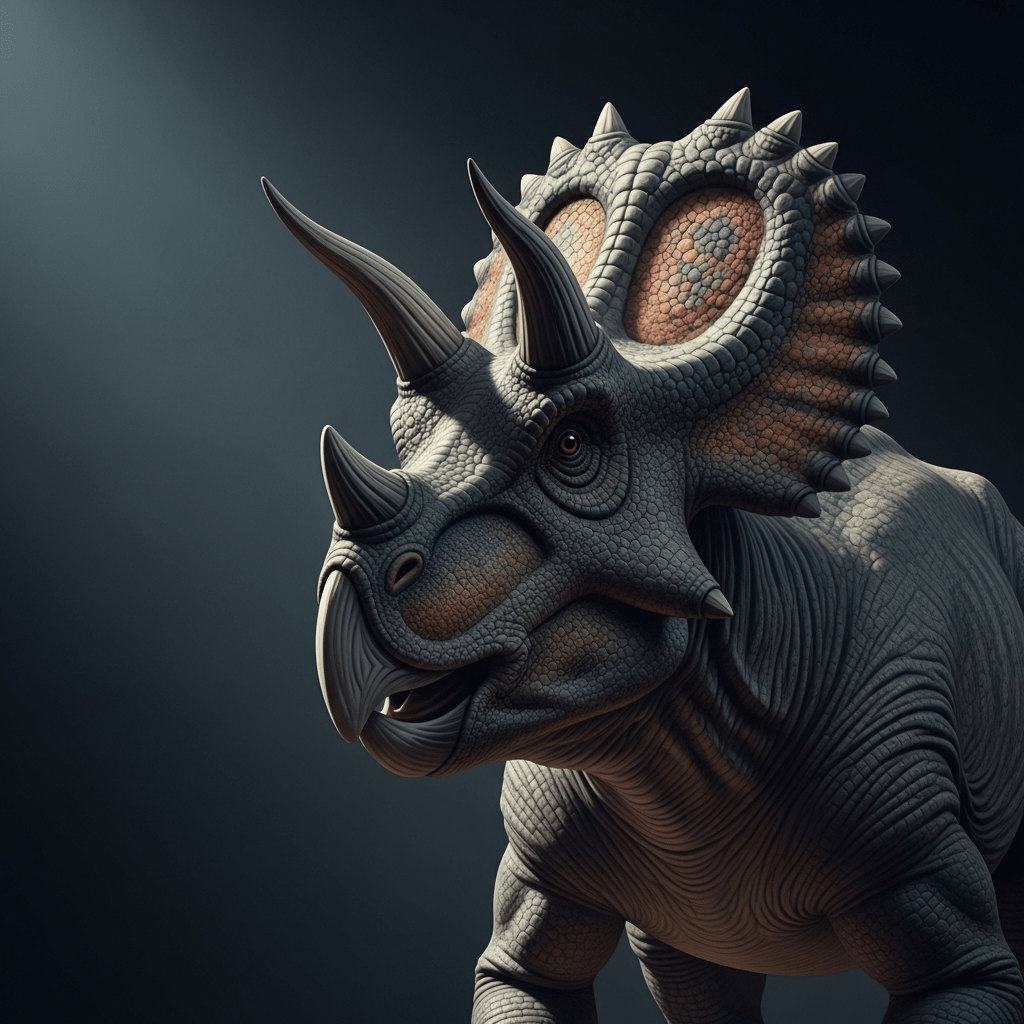
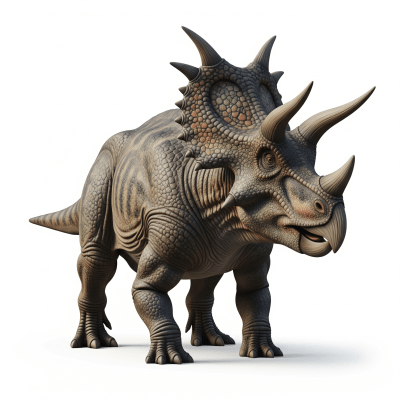
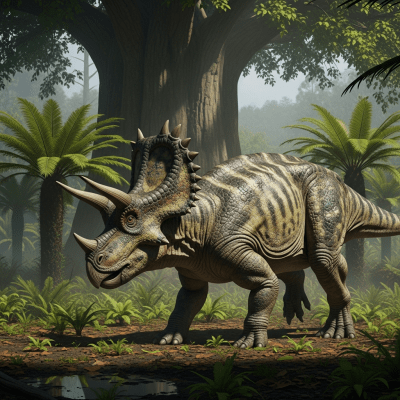
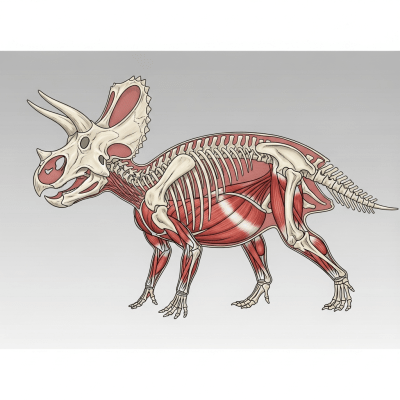
Sinoceratops was a large, quadrupedal herbivore, reaching up to 6 meters in length and weighing around 2 tonnes. Its skull featured a broad frill adorned with forward-curving, horn-like projections and numerous small, knob-like osteoderms, giving it a distinctive, ornate look. A short nasal horn complemented its facial profile, while its jaws housed shearing teeth ideal for processing tough vegetation. The skin texture and coloration remain unknown, with reconstructions based on scientific inference.
While direct behavioral evidence is lacking, Sinoceratops likely lived in herds and exhibited social behaviors similar to other ceratopsians. Its anatomical features suggest it may have used its frill and horns for display, defense, or intra-species interaction. Fossil specimens serve scientific research, educational outreach, and museum display, enriching our understanding of dinosaur evolution and paleobiogeography.
Bring this kind into your world illustrated posters, mugs, and shirts.
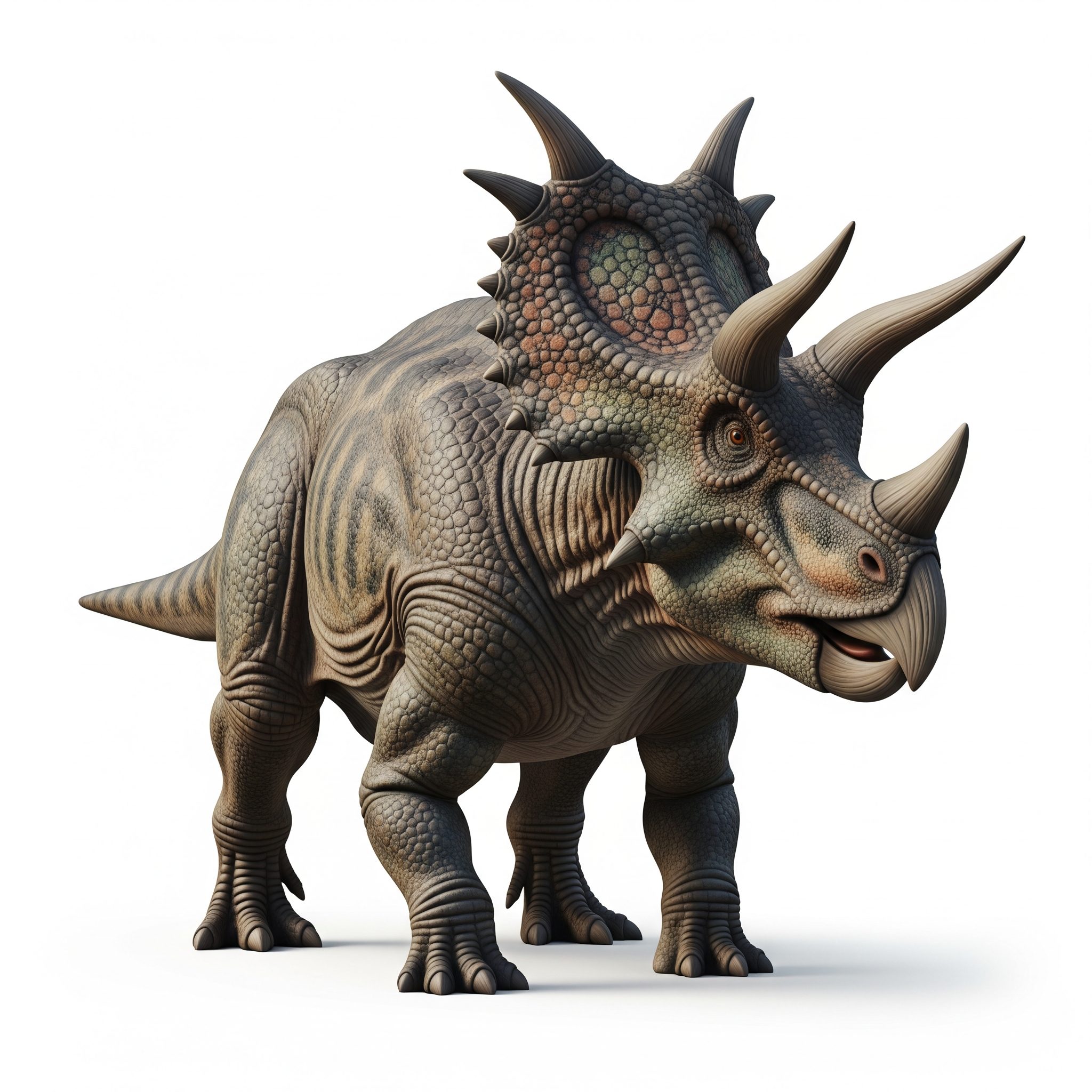
Archival print, museum-grade paper
Buy Poster
Stoneware mug, dishwasher safe
Buy Mug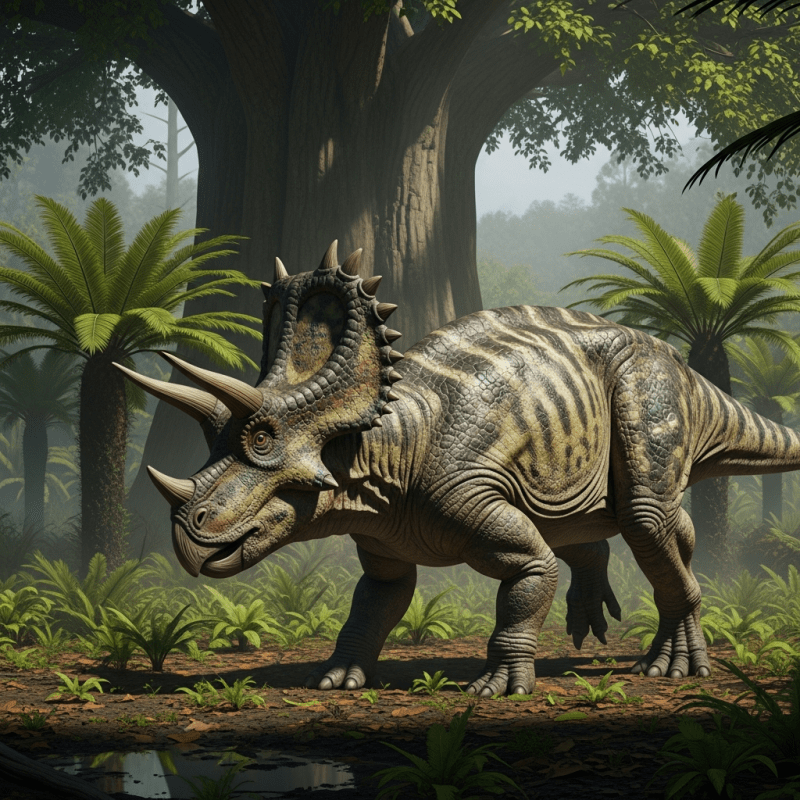
Soft cotton tee, unisex sizes
Buy ShirtSinoceratops holds scientific and educational significance as a key Asian ceratopsid. Its fossils are featured in museum exhibits and paleontological literature, sparking interest in dinosaur dispersal and evolution. The genus has become emblematic of China's rich prehistoric heritage and is occasionally referenced in media and educational materials, though it remains less prominent than iconic North American relatives.
Sinoceratops lived during the Late Cretaceous period, approximately 72 to 66 million years ago, a time when dinosaurs flourished across the globe before their extinction.
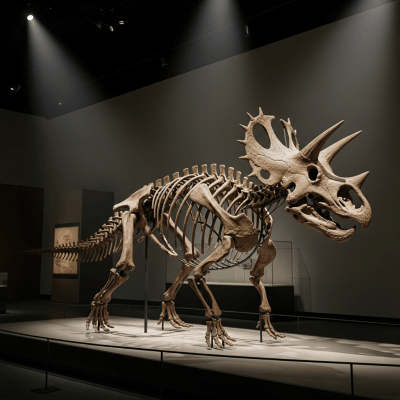
The holotype specimen of Sinoceratops (IVPP V 18362) was discovered in 2008 in the Hongtuya Formation, Shandong Province, China. This find was led by Xu Xing and colleagues from IVPP, Beijing. The fossils are housed at the Institute of Vertebrate Paleontology and Paleoanthropology and have been pivotal in expanding the known range of ceratopsids into Asia. Sinoceratops remains are displayed in museums and referenced in major paleontological works.
Sinoceratops inhabited what is now eastern China during the Late Cretaceous. The region was characterized by lush floodplains and rich vegetation, providing an ideal environment for large herbivores. Its discovery in Shandong Province marks the only confirmed Asian ceratopsid, suggesting unique dispersal patterns between continents.
Sinoceratops was a dedicated herbivore, equipped with shearing teeth designed to process tough, fibrous plants. Its robust jaws and dental arrangement enabled it to feed efficiently on the abundant vegetation of its Cretaceous habitat.
Direct data on Sinoceratops' growth and life cycle is unavailable. However, as with other ceratopsians, it likely hatched from eggs and underwent significant growth to reach its adult size of up to 6 meters. Social behavior inferred from related species suggests possible herd living throughout its development.
Sinoceratops, along with all non-avian dinosaurs, became extinct at the close of the Cretaceous period, around 66 million years ago. The prevailing theory attributes this mass extinction to a catastrophic asteroid impact, leading to dramatic climate changes that disrupted ecosystems worldwide.
Sinoceratops is scientifically invaluable for its role in illuminating ceratopsian evolution and biogeography. As the only Asian ceratopsid, it provides crucial evidence for dinosaur dispersal between continents and challenges previous assumptions about ceratopsid distribution. Its fossils contribute to research in anatomy, phylogeny, and the broader understanding of Late Cretaceous ecosystems.