Mosasaurus
Mosasaurus is a genus of massive marine reptiles from the Late Cretaceous, renowned for its streamlined body, formidable jaws, and flipper-like limbs—often mistaken for a dinosaur, but truly a mosasaurid squamate.
Mosasaurus is a genus of massive marine reptiles from the Late Cretaceous, renowned for its streamlined body, formidable jaws, and flipper-like limbs—often mistaken for a dinosaur, but truly a mosasaurid squamate.
Mosasaurus was first brought to scientific attention in 1799 when Adriaan Gilles Camper described fossils uncovered in a limestone quarry near Maastricht, Netherlands, along the Meuse River. The genus name, meaning "Meuse lizard," commemorates this discovery site. Mosasaurus evolved within the Mosasauridae family, a lineage of marine squamates that flourished in the Late Cretaceous seas, far removed from the dinosaurian clade.
Despite its frequent portrayal as a dinosaur, Mosasaurus belongs to the order Squamata—the same group as modern lizards and snakes. Within the family Mosasauridae, Mosasaurus is a marine-adapted squamate, not a member of Dinosauria. Its evolutionary roots connect it more closely to monitor lizards than to any true dinosaur.
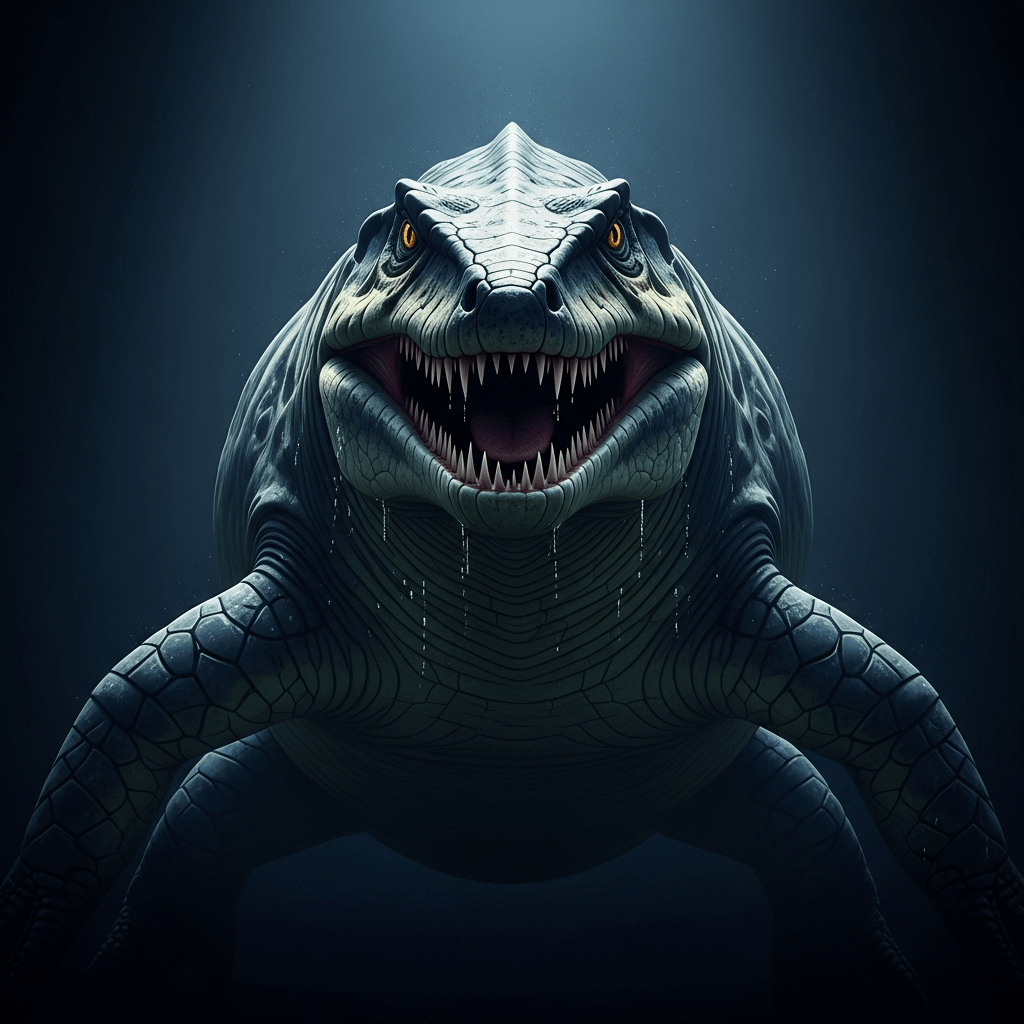
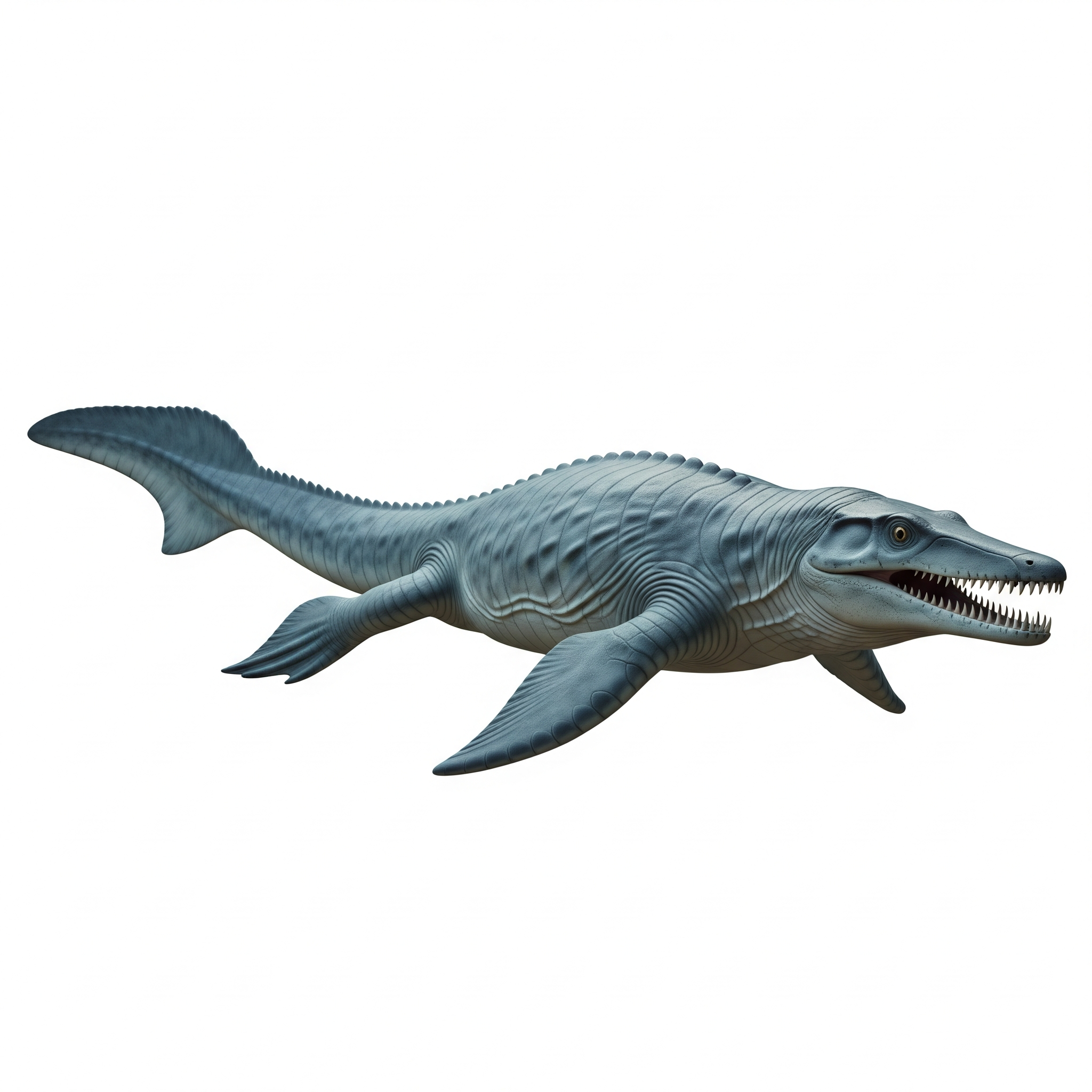
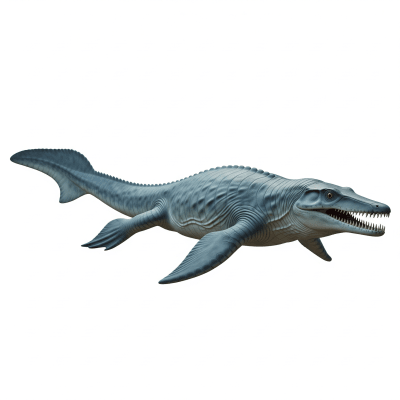
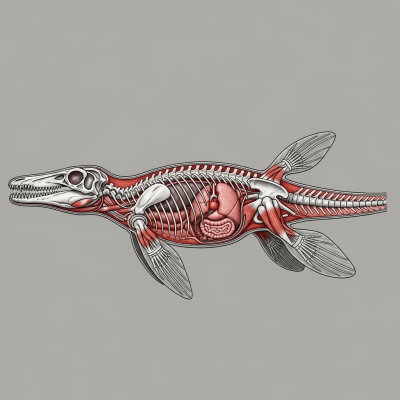
Mosasaurus boasted an elongated, streamlined body stretching up to 17 meters in length. Its limbs were transformed into powerful, paddle-like flippers, and its tail was shaped for swift propulsion through ancient seas. The skull featured robust jaws lined with conical teeth, ideal for seizing slippery prey. While its coloration remains unknown, fossil evidence highlights a creature built for speed and strength in the water.
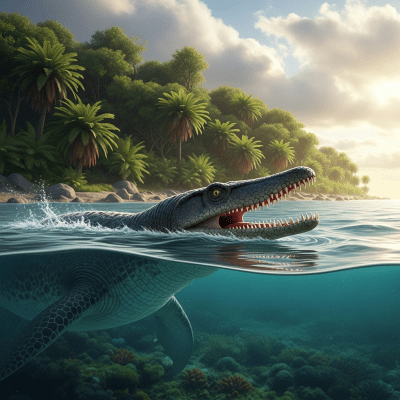
As a dominant marine predator, Mosasaurus hunted fish, ammonites, and other marine reptiles, ruling the Late Cretaceous oceans with agility and power. It was not domesticated, and its role in the ecosystem was purely as a wild hunter. Today, Mosasaurus fossils serve as invaluable resources for scientific research, museum displays, and public education, but the animal itself had no direct interaction with humans.
Bring this kind into your world illustrated posters, mugs, and shirts.
Archival print, museum-grade paper
Buy Poster
Stoneware mug, dishwasher safe
Buy Mug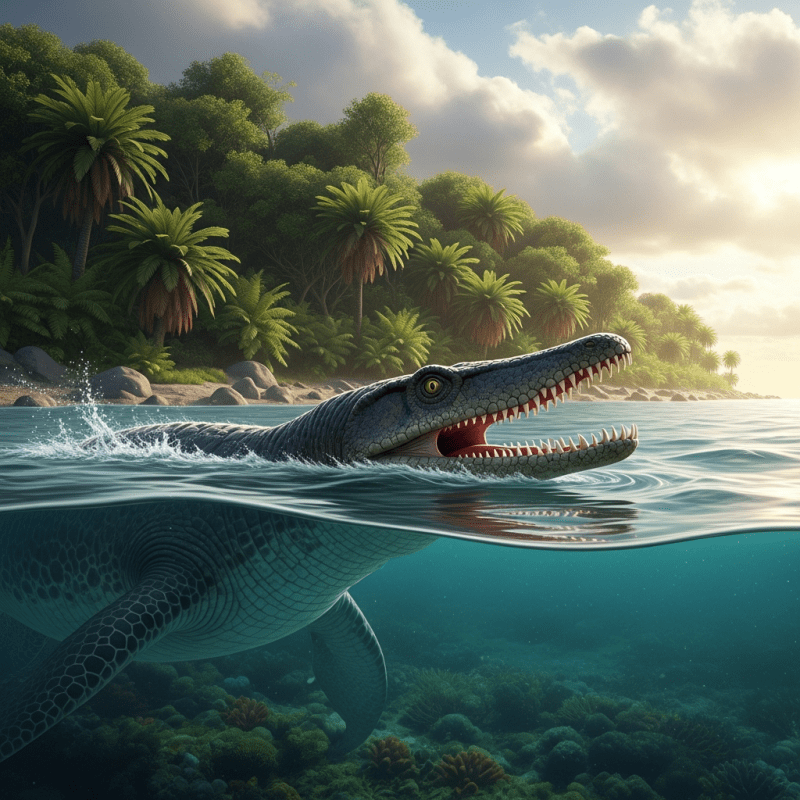
Soft cotton tee, unisex sizes
Buy ShirtMosasaurus has captured imaginations worldwide, frequently appearing in museum exhibits and popular media—most notably in films and documentaries, where it is often incorrectly depicted as a dinosaur. Its dramatic size and predatory prowess make it a favorite in educational outreach and paleontological storytelling, even as its true classification remains misunderstood by the general public.
Mosasaurus thrived during the Late Cretaceous period, approximately 70–66 million years ago, sharing the seas with the last of the non-avian dinosaurs.
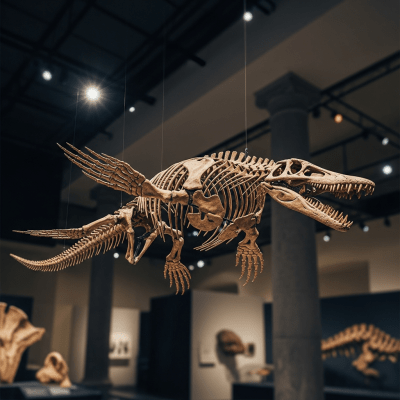
The holotype of Mosasaurus was unearthed in the Maastricht limestone quarry along the Meuse River in the Netherlands. Since its initial description in 1799, additional fossils have been found across Europe and North America. These specimens, ranging from isolated teeth to nearly complete skeletons, are central to paleontological collections and research worldwide.
Mosasaurus inhabited warm, shallow seas that covered much of Europe and North America during the Late Cretaceous. Its fossils are most commonly found in marine sedimentary rocks, reflecting a wide distribution across ancient oceanic environments.
As a carnivore, Mosasaurus preyed upon fish, ammonites, and other marine reptiles. Its robust jaws and conical teeth were perfectly adapted for grasping and consuming slippery, agile prey, cementing its status as an apex predator in Cretaceous marine ecosystems.
While detailed growth and life cycle data for Mosasaurus are limited, fossil evidence suggests it hatched from eggs and underwent rapid growth to reach its impressive adult size. Its life history was shaped by the demands of a predatory marine existence, but specifics on lifespan and developmental stages remain largely unknown due to scarce soft tissue preservation.
Mosasaurus, along with other marine reptiles and non-avian dinosaurs, vanished during the mass extinction event at the end of the Cretaceous period. Theories point to dramatic environmental changes—likely triggered by asteroid impact and volcanic activity—as the drivers of this global disappearance.
Mosasaurus is a cornerstone in the study of marine reptile evolution, offering insights into adaptation, predation, and the diversity of life in Cretaceous seas. Its fossils help paleontologists understand squamate evolution and the ecological dynamics of prehistoric oceans, even as its frequent misclassification highlights the importance of scientific accuracy in public education.