Ceratosaurus
Ceratosaurus is a medium-sized carnivorous dinosaur instantly recognized by its prominent nasal horn and blade-like teeth, offering a striking example of Jurassic theropod diversity.
Ceratosaurus is a medium-sized carnivorous dinosaur instantly recognized by its prominent nasal horn and blade-like teeth, offering a striking example of Jurassic theropod diversity.
First described in 1884 by Othniel Charles Marsh, Ceratosaurus was discovered in the Morrison Formation near Garden Park, Colorado. Its holotype specimen, USNM 4735, resides at the Smithsonian Institution. The name, meaning "horned lizard" in Greek, reflects its most distinctive anatomical trait. Ceratosaurus lived during the Late Jurassic period, and while its fossils are most abundant in North America, additional remains have been reported from Portugal and Tanzania, hinting at a broader prehistoric range.
Ceratosaurus belongs to the clade Theropoda, within the family Ceratosauridae. It is considered a basal ceratosaurian, offering a blend of primitive and advanced features that illuminate theropod evolutionary history. Its full taxonomic hierarchy places it in Kingdom Animalia, Phylum Chordata, Class Reptilia, Order Saurischia, Suborder Theropoda, and Family Ceratosauridae.
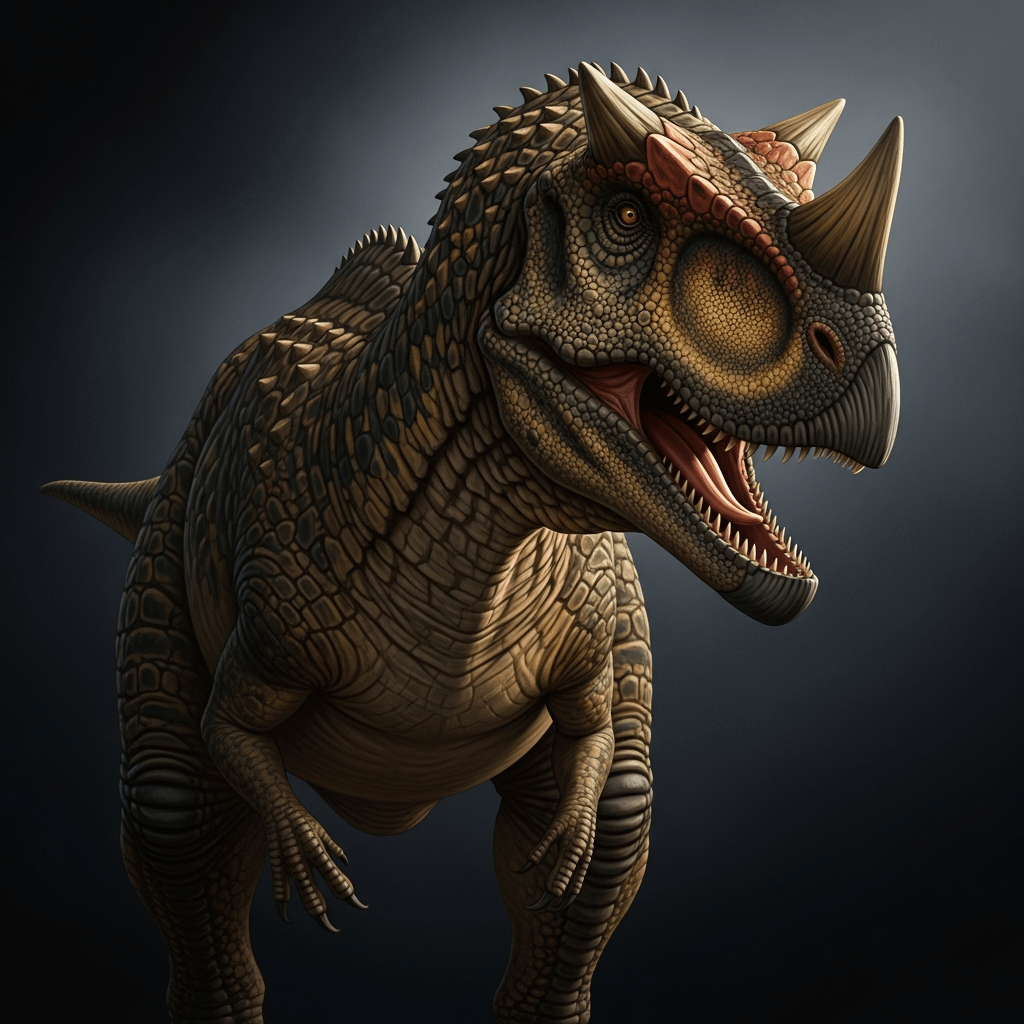
Ceratosaurus was a bipedal predator measuring between 5.3 and 6.7 meters (17–22 feet) in length and weighing up to 980 kg (2,160 lbs). Its most eye-catching feature was the large horn atop its snout, complemented by smaller horns above the eyes. The deep, robust skull housed large, serrated teeth ideal for slicing flesh. Along its back ran a row of bony plates (osteoderms), a rare trait among theropods. Ceratosaurus had a long, flexible tail for balance, short but muscular forelimbs with four fingers, and powerful hind legs built for speed and agility. Skin texture and coloration remain unknown due to lack of direct fossil evidence.
As a carnivorous theropod, Ceratosaurus was likely an active predator, relying on agility and strength to hunt. Its anatomical features suggest it could run swiftly and maneuver adeptly. Bone histology points to rapid growth rates. While direct evidence of social behavior is lacking, it may have lived solitarily or in small groups. Today, Ceratosaurus fossils are invaluable for scientific research, education, and museum displays, captivating public imagination and advancing paleontological understanding.
Bring this kind into your world illustrated posters, mugs, and shirts.
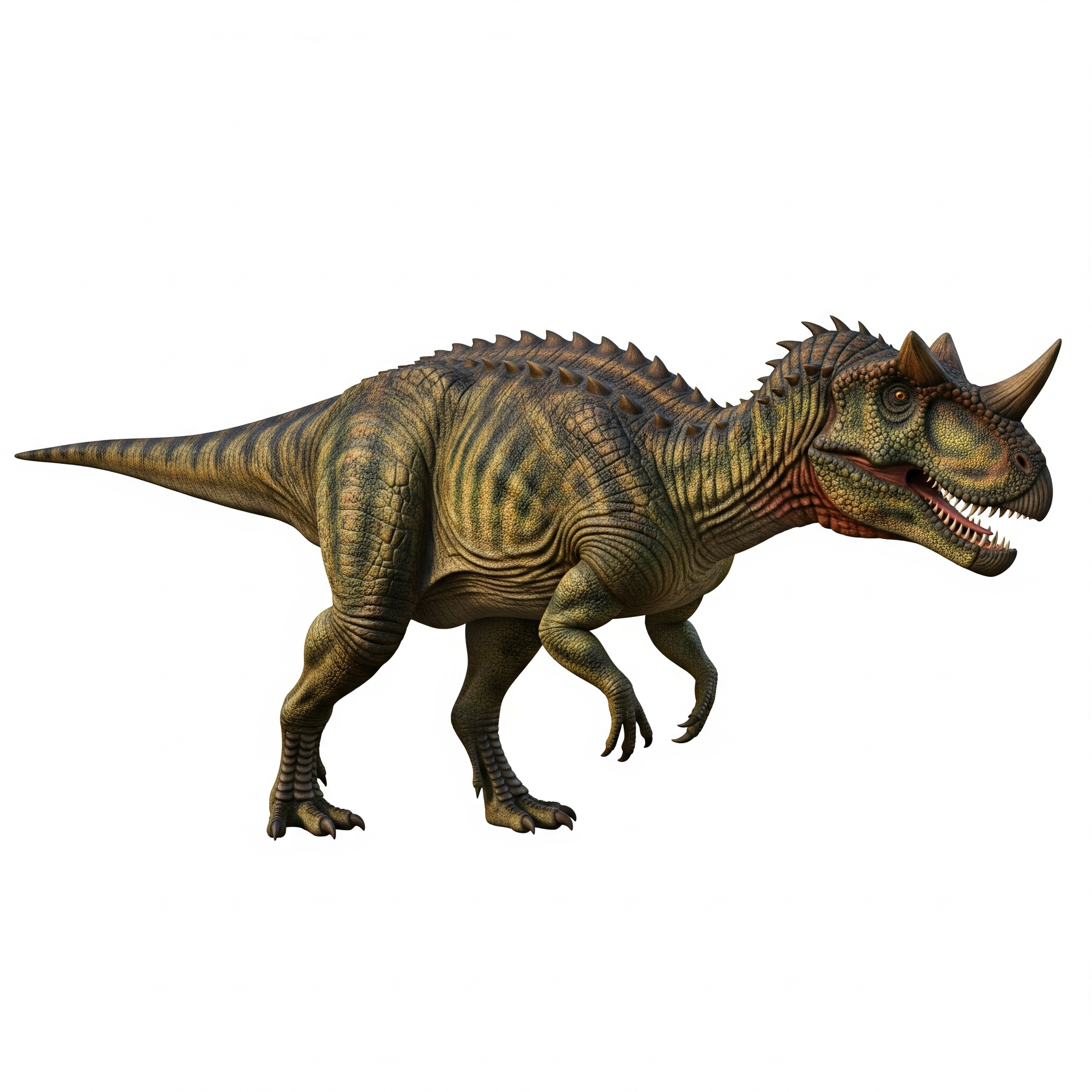
Archival print, museum-grade paper
Buy Poster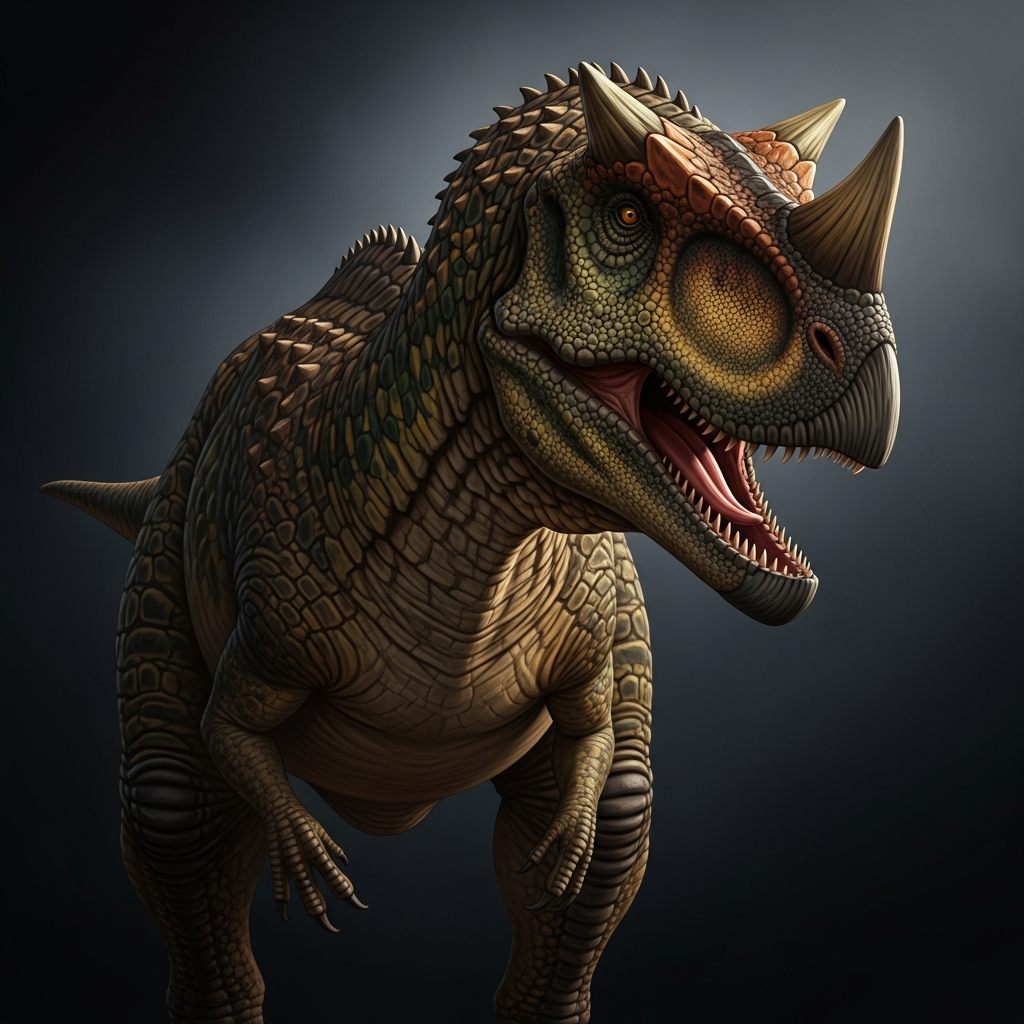
Stoneware mug, dishwasher safe
Buy Mug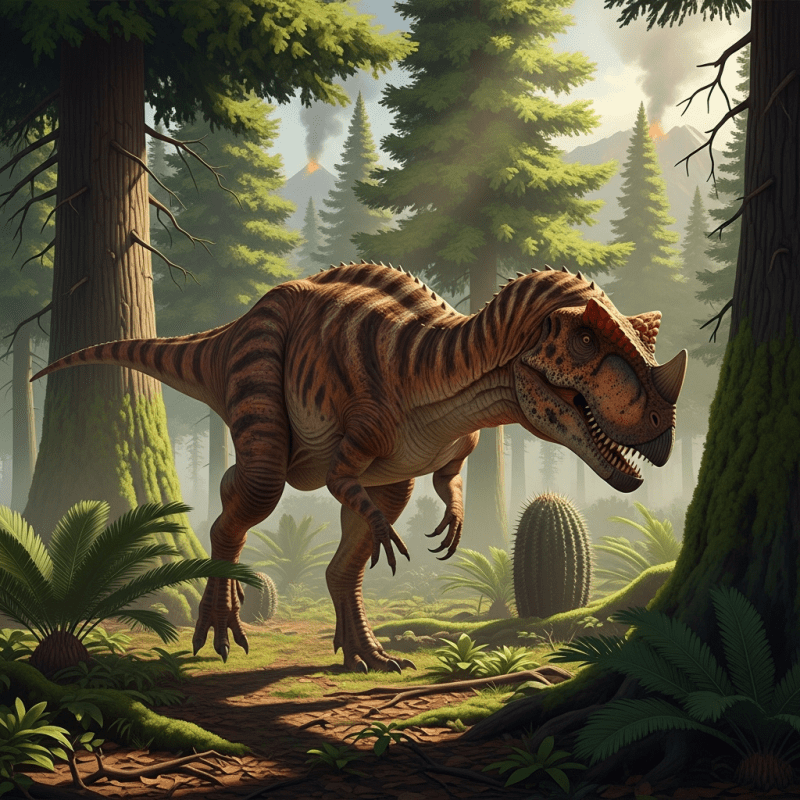
Soft cotton tee, unisex sizes
Buy ShirtCeratosaurus enjoys a prominent place in museums, paleontological literature, and popular media. Its dramatic appearance—especially the nasal horn—has made it a favorite in educational exhibits and documentaries about Jurassic life. The genus contributes to public fascination with dinosaurs and often features in reconstructions, books, and films, symbolizing the diversity and intrigue of prehistoric predators.
Ceratosaurus lived during the Late Jurassic period, approximately 153–148 million years ago, a time when dinosaurs flourished across the globe.
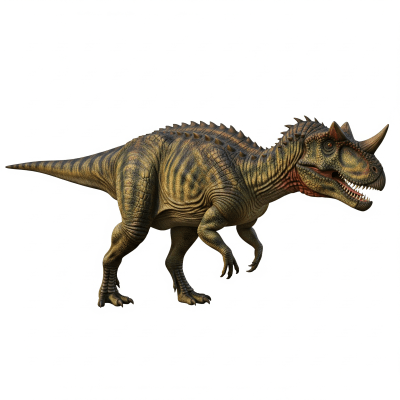
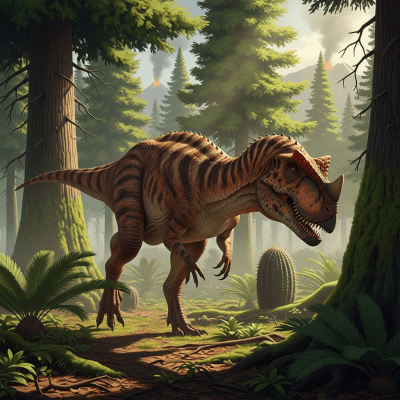
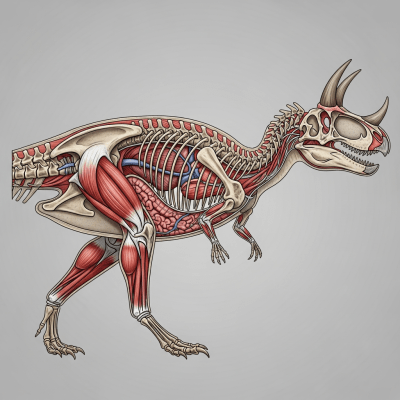
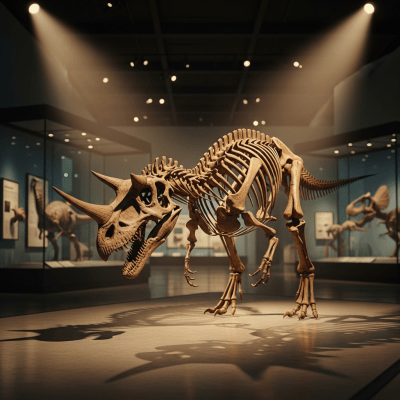
The first Ceratosaurus fossils were uncovered in the Morrison Formation of Colorado, USA, and described by Othniel Charles Marsh in 1884. The holotype specimen is curated at the Smithsonian Institution. Subsequent discoveries have extended its known range to Portugal and Tanzania, with remains often noted for their completeness and distinctive features, including the characteristic nasal horn and osteoderms.
Ceratosaurus inhabited floodplains and riverine environments typical of the Morrison Formation, thriving in lush, semi-arid landscapes alongside other Jurassic giants. Its fossils have been found in North America, with additional reports from Europe and Africa, indicating a potentially broad geographic distribution during its era.
As a carnivore, Ceratosaurus possessed large, blade-like teeth ideal for slicing through flesh. Its robust jaws and agile build suggest it hunted actively, likely preying on smaller dinosaurs, reptiles, and possibly scavenging when opportunities arose.
Bone histology reveals that Ceratosaurus grew rapidly, a trait common among theropods. While direct evidence of its developmental stages is limited, it likely underwent swift juvenile growth before reaching adult size. Ontogenetic details, such as changes in horn size or limb proportions, remain poorly documented due to incomplete fossil records.
Ceratosaurus, like all non-avian dinosaurs, vanished at the close of the Mesozoic Era. The prevailing theory attributes this mass extinction to a catastrophic asteroid impact, which triggered global environmental upheaval and led to the disappearance of most dinosaur lineages, including Ceratosaurus.
Ceratosaurus is a key genus for understanding theropod evolution, bridging primitive and advanced traits within its lineage. Its unique combination of features—such as the nasal horn and osteoderms—offers valuable insights into anatomical diversity and adaptation among predatory dinosaurs. Fossil specimens continue to inform research in paleobiology, systematics, and evolutionary theory.