Dreadnoughtus
Dreadnoughtus is a colossal titanosaurian sauropod dinosaur from the Late Cretaceous of South America, renowned for its immense size and exceptionally complete fossil skeleton.
Dreadnoughtus is a colossal titanosaurian sauropod dinosaur from the Late Cretaceous of South America, renowned for its immense size and exceptionally complete fossil skeleton.
Dreadnoughtus schrani was unearthed in 2005 in the Cerro Fortaleza Formation of Patagonia, Argentina, by Dr. Kenneth J. Lacovara and his team. The genus name evokes the armored battleships called 'dreadnoughts,' reflecting the dinosaur's formidable scale and presumed invulnerability. Officially described in 2014, its holotype specimen (MPM-PV 1156) is curated at the Museo Padre Molina in Argentina, and the species name honors Adam Schran.
Dreadnoughtus belongs to the clade Titanosauria within the sauropod infraorder, part of the larger Saurischia order of Dinosauria. Its taxonomic path is: Animalia → Chordata → Reptilia → Dinosauria → Saurischia → Sauropodomorpha → Sauropoda → Titanosauria → Dreadnoughtus. Titanosaurs are distinguished by their massive size and adaptations for weight-bearing, making Dreadnoughtus one of the largest known terrestrial vertebrates.
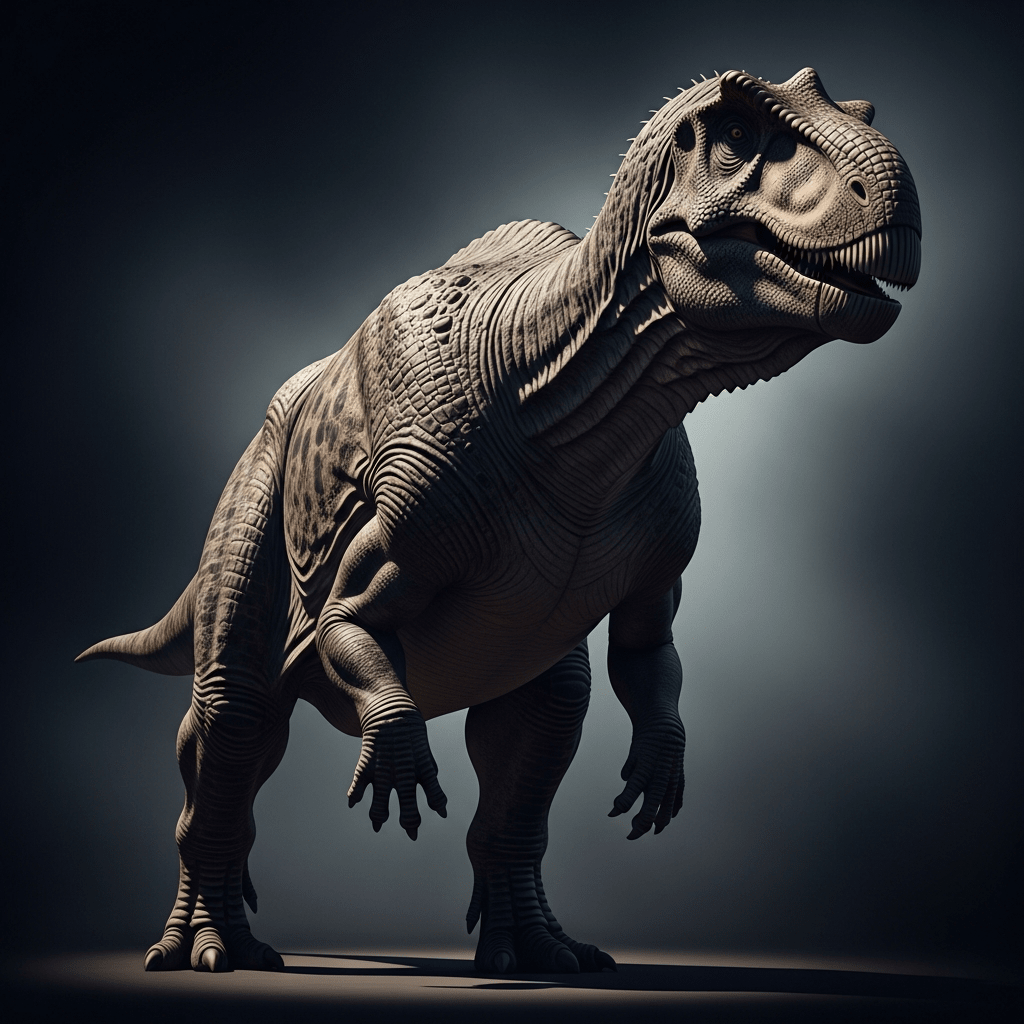
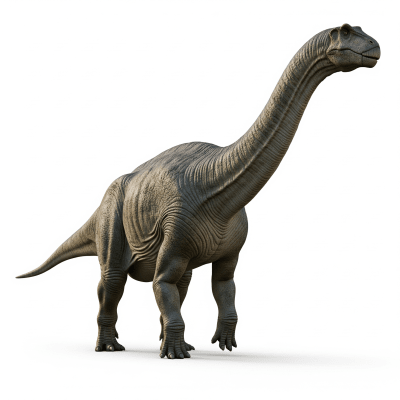
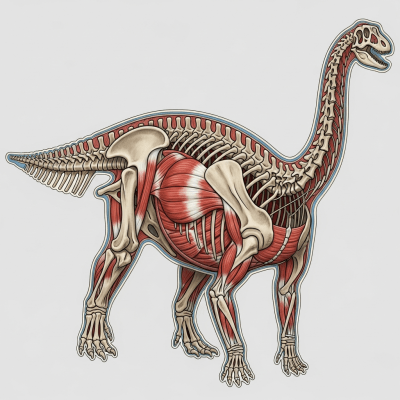
Dreadnoughtus was a gigantic, four-legged herbivore with a long neck, robust pillar-like limbs, and a relatively short tail compared to other sauropods. Its skeleton reveals vertebrae and limb bones specially adapted to support tremendous weight, with an estimated length of 26 meters and a mass up to 59 metric tons. While its skin texture and coloration remain unknown due to a lack of soft tissue preservation, its sheer bulk and imposing stature would have dominated its prehistoric landscape.
As a massive herbivore, Dreadnoughtus likely spent its life browsing high vegetation, using its long neck to reach leaves and branches. Its rapid growth rate, typical of sauropods, suggests indeterminate growth—meaning it could continue growing throughout its life. There is no direct evidence of social behavior, but its fossils serve a vital role in scientific research, museum displays, and educational outreach, deepening our understanding of giant dinosaur biology.
Bring this kind into your world illustrated posters, mugs, and shirts.
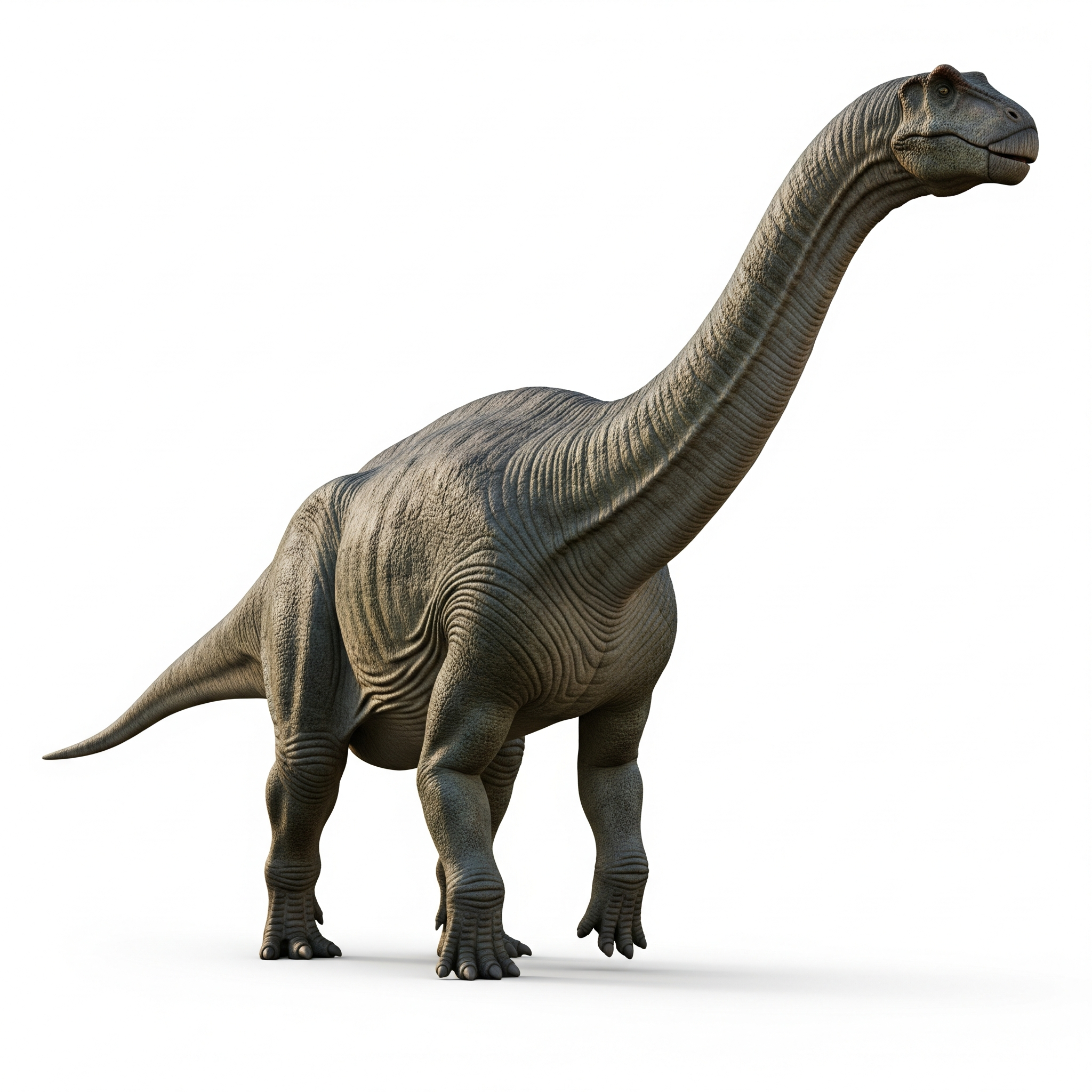
Archival print, museum-grade paper
Buy Poster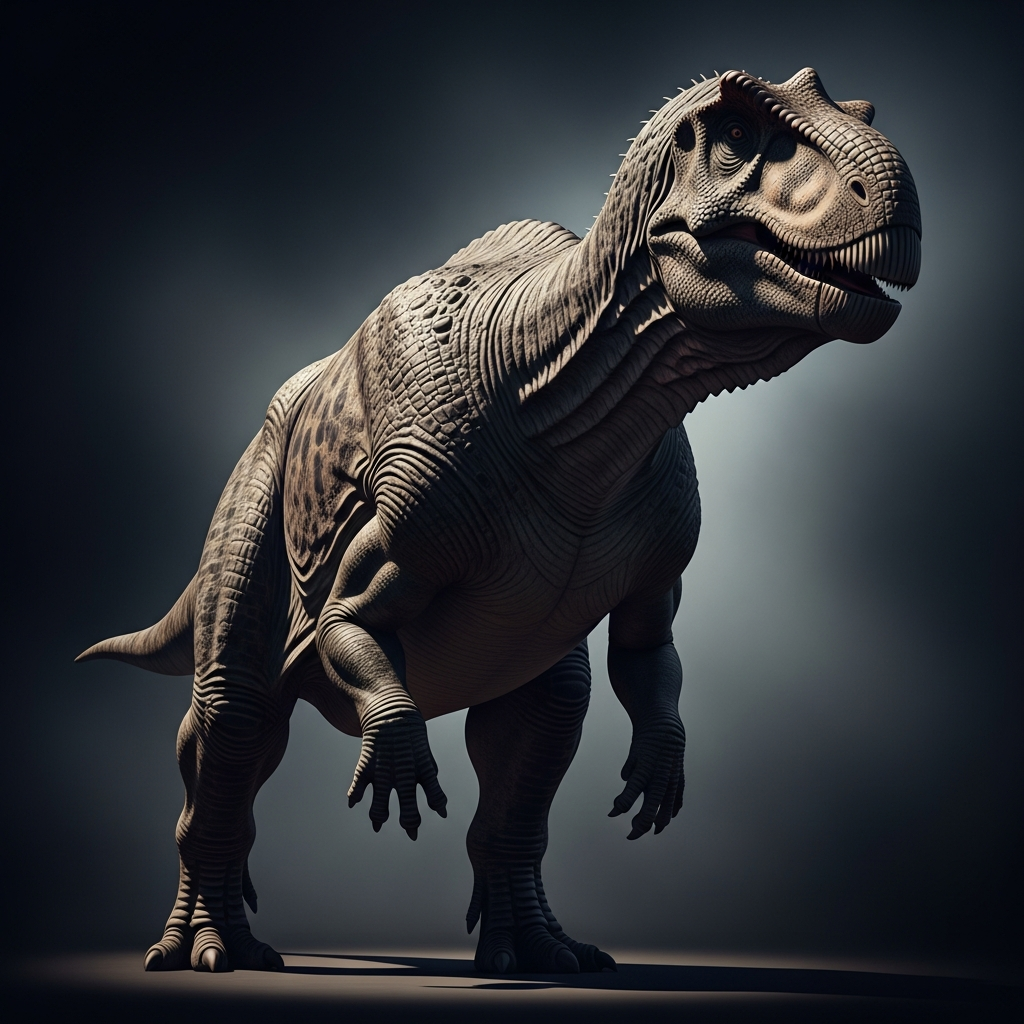
Stoneware mug, dishwasher safe
Buy Mug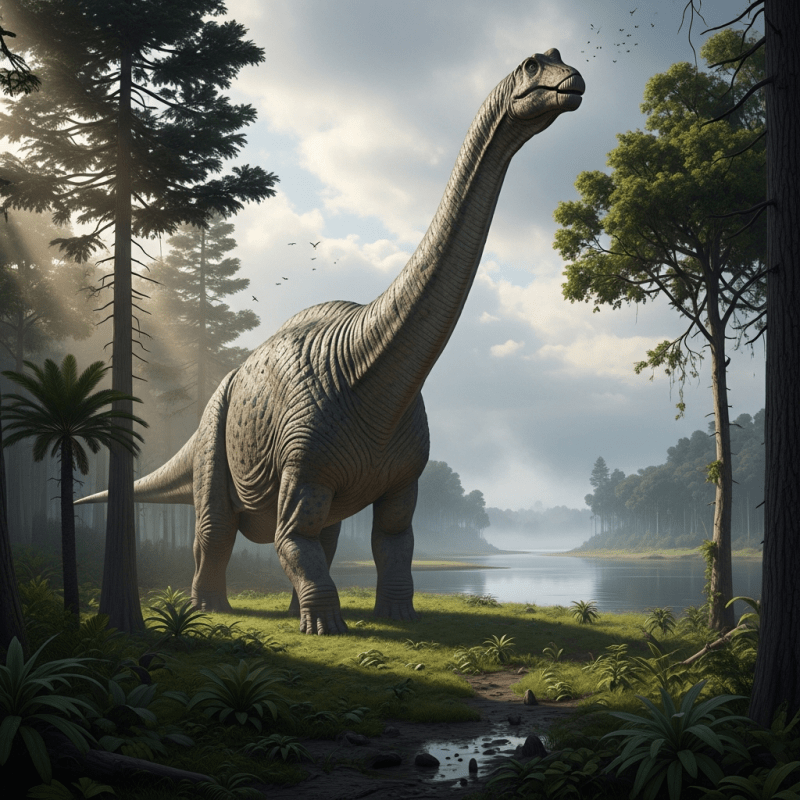
Soft cotton tee, unisex sizes
Buy ShirtDreadnoughtus has captured public and scientific imagination since its discovery, featuring prominently in museum exhibitions and paleontological literature. Its remarkable completeness and size make it a favorite in educational programs and media coverage, symbolizing the awe-inspiring scale and diversity of prehistoric life. The genus stands as a testament to the ongoing exploration of Earth's deep past.
Dreadnoughtus lived during the Late Cretaceous period, approximately 77 million years ago, near the end of the age of dinosaurs.
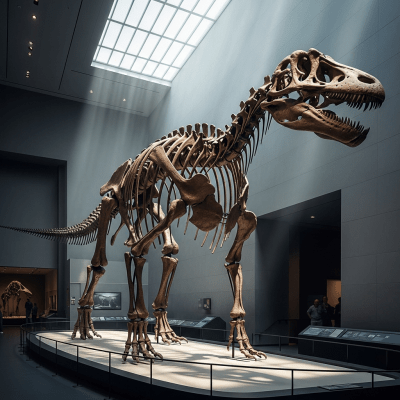
The holotype of Dreadnoughtus was discovered in 2005 in the Cerro Fortaleza Formation, Santa Cruz Province, Patagonia, Argentina. The specimen, catalogued as MPM-PV 1156, is one of the most complete skeletons of any giant titanosaur, including much of the vertebral column, limbs, and girdles. Its completeness has made it a cornerstone for studies of sauropod anatomy and evolution.
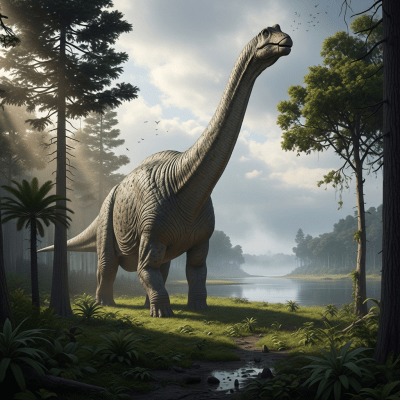
Dreadnoughtus inhabited what is now southern Patagonia, Argentina, during the Late Cretaceous. Its environment likely consisted of floodplains and forested areas, providing abundant vegetation to sustain such massive herbivores. This region was home to a diverse array of prehistoric life, making it a hotspot for dinosaur discoveries.
Dreadnoughtus was an obligate herbivore, feeding on a wide range of plant material. Its long neck enabled it to browse from tall trees and vegetation, while its enormous size allowed it to consume vast quantities of food to support its rapid growth and bulk.
Growth in Dreadnoughtus was likely rapid, as inferred from bone structure and comparisons with other sauropods. Indeterminate growth suggests it could continue growing throughout its lifespan. While precise lifespan estimates are unknown, sauropods are thought to have lived for several decades, reaching maturity over many years.
Dreadnoughtus, like all non-avian dinosaurs, disappeared during the mass extinction event at the end of the Cretaceous period, approximately 66 million years ago. Theories for this extinction include a massive asteroid impact and volcanic activity, which led to dramatic environmental changes and the collapse of ecosystems.
Dreadnoughtus is scientifically invaluable due to its exceptional completeness and size, offering detailed insights into titanosaur anatomy, biomechanics, and growth. Its fossils have advanced our understanding of sauropod evolution and paleobiology, and continue to inform research in comparative anatomy and Mesozoic ecosystems.