Compsognathus
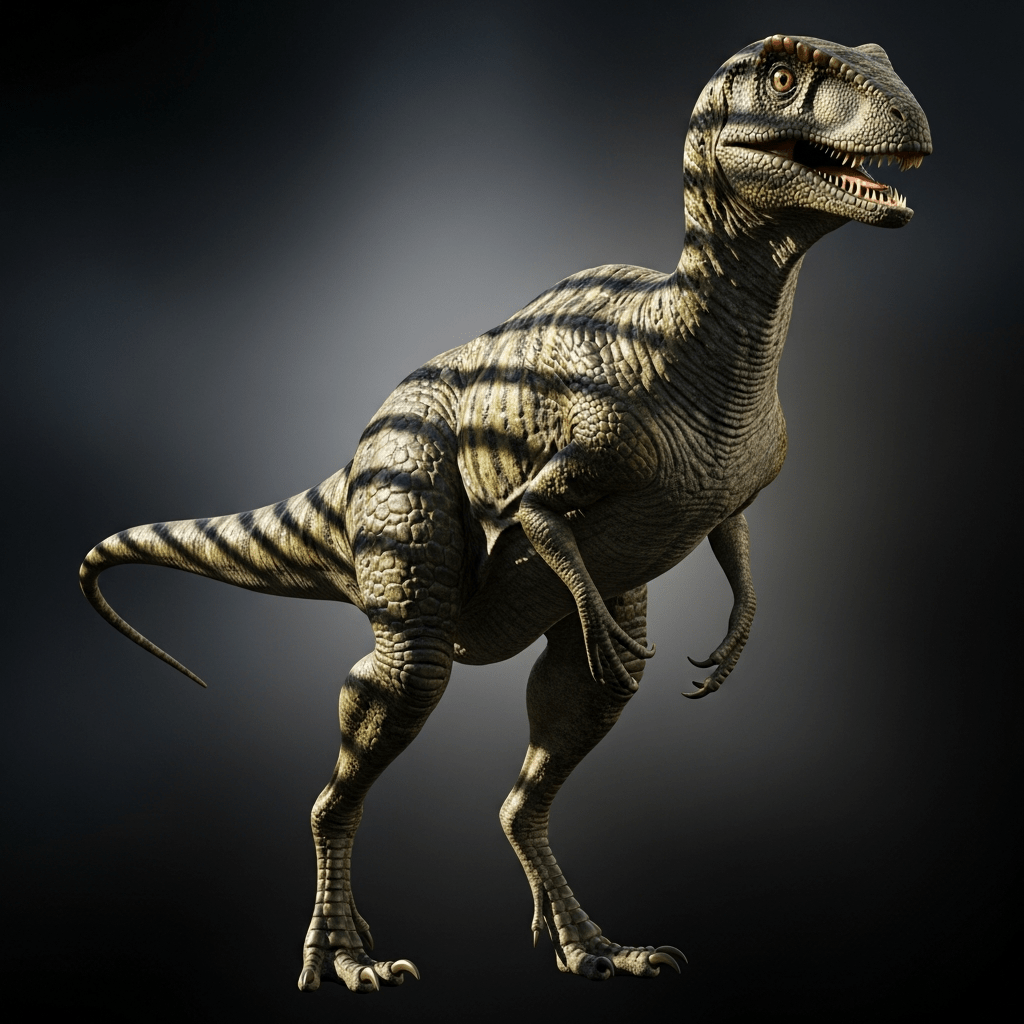
Compsognathus is a remarkably small, swift theropod dinosaur from the Late Jurassic, celebrated for its slender build and agile movement.
Compsognathus is a remarkably small, swift theropod dinosaur from the Late Jurassic, celebrated for its slender build and agile movement.
Compsognathus was first unearthed in the Solnhofen limestone of Bavaria, Germany, and formally described by Johann Andreas Wagner in 1859. Its holotype specimen resides in Munich, while a second, more complete fossil was discovered in Canjuers, France in the 1970s. These European finds anchor Compsognathus as a Late Jurassic inhabitant, living approximately 150 million years ago.
Belonging to the clade Theropoda and family Compsognathidae, Compsognathus is part of the broader group of saurischian dinosaurs. Its closest relatives include other small, agile theropods such as Sinosauropteryx. This lineage is defined by bipedal locomotion, carnivorous habits, and anatomical features adapted for speed and predation.
Compsognathus was a diminutive dinosaur, reaching about 1 meter (3.3 feet) in length and weighing between 0.8 and 3.5 kilograms. Its body was lightly built, with long hind limbs designed for running, a slender tail for balance, and small, grasping forelimbs tipped with three fingers. The narrow skull housed recurved, sharp teeth—perfect for catching small prey. While direct evidence of skin or feathers is absent, reconstructions depict a sleek, agile creature built for speed.
Compsognathus was a swift runner, likely hunting small vertebrates such as lizards. Its anatomy suggests an active lifestyle, possibly solitary or in small groups. Rapid growth rates are inferred from comparisons with related theropods. Today, its fossils are invaluable for scientific research and education, frequently displayed in museums and used to illustrate the evolution of predatory dinosaurs.
Bring this kind into your world illustrated posters, mugs, and shirts.
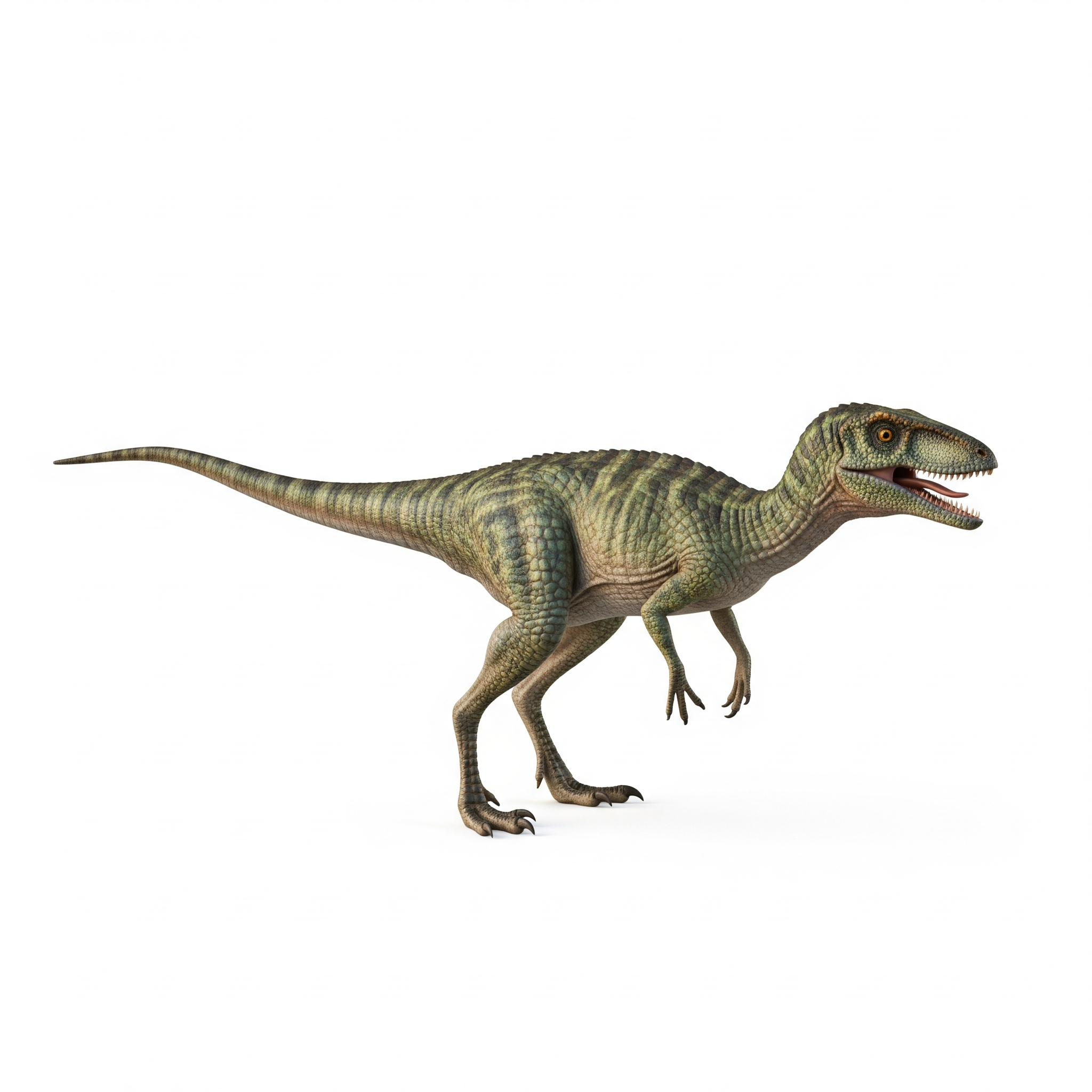
Archival print, museum-grade paper
Buy Poster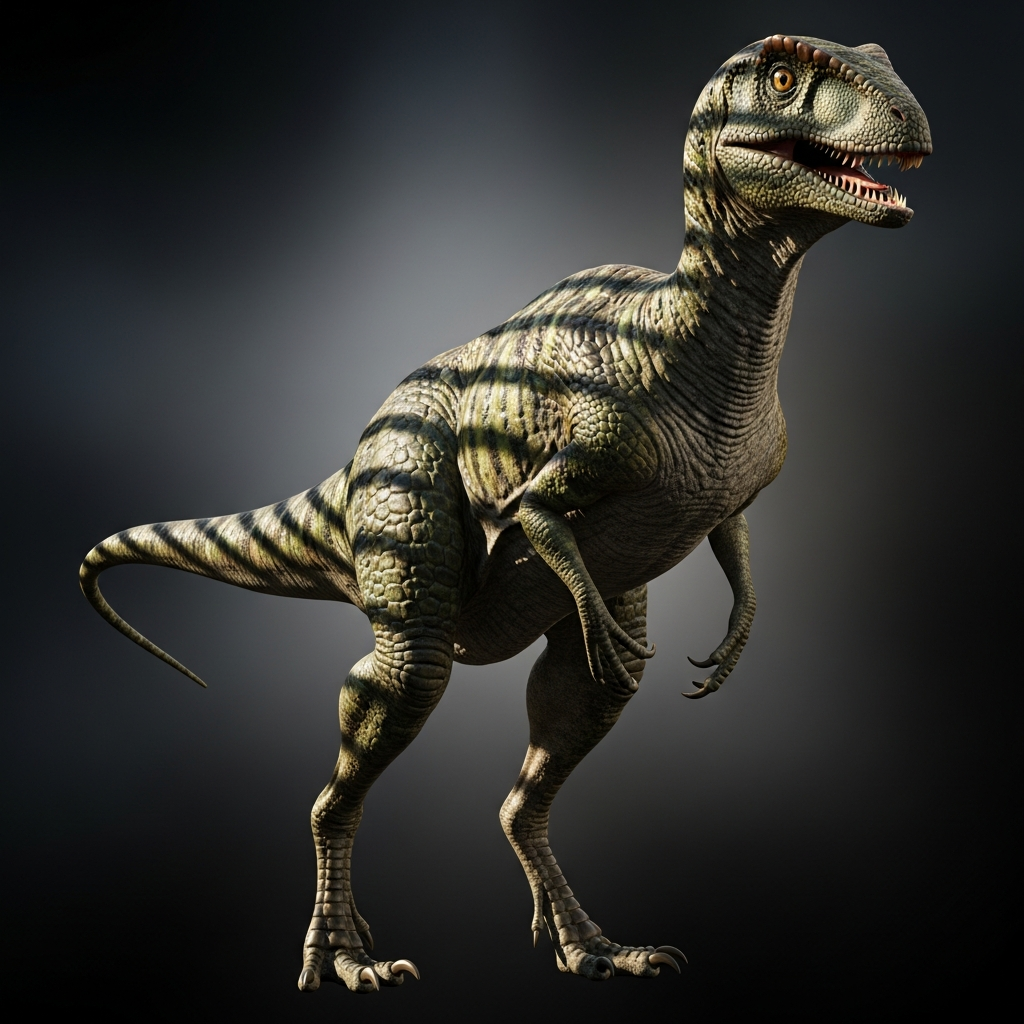
Stoneware mug, dishwasher safe
Buy Mug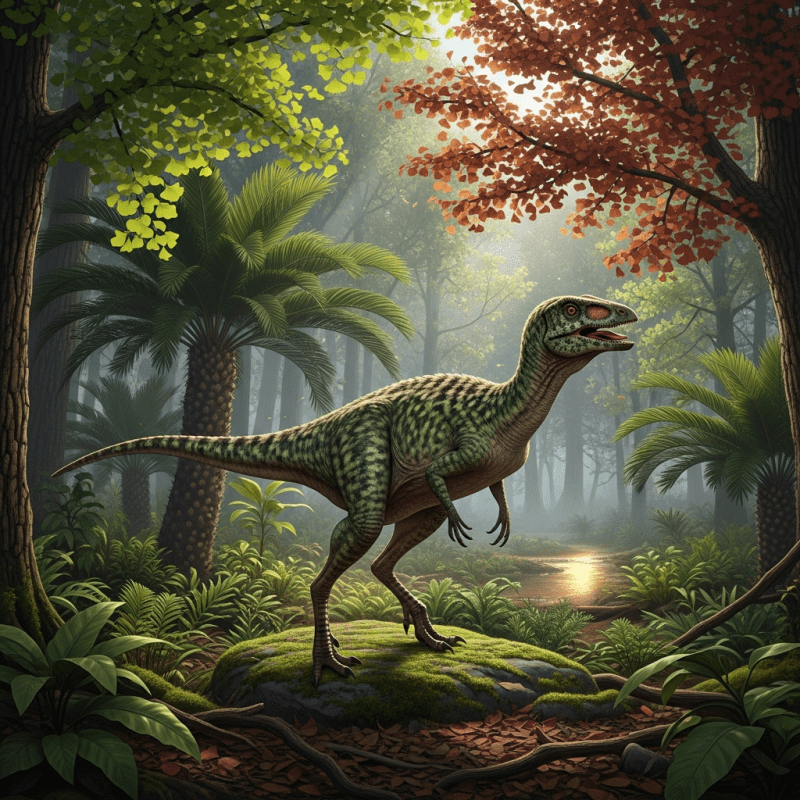
Soft cotton tee, unisex sizes
Buy ShirtCompsognathus enjoys widespread recognition thanks to its appearances in popular media, most notably the "Jurassic Park" franchise. Its small size and nimble form have made it a favorite in museum exhibits and educational materials, helping to spark curiosity about dinosaur diversity and evolution among the public.
Compsognathus lived during the Late Jurassic, approximately 150 million years ago—a time when dinosaurs dominated terrestrial ecosystems across the globe.
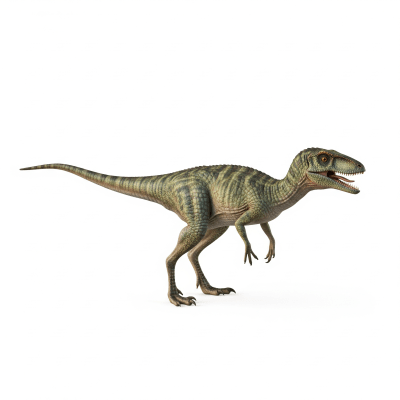
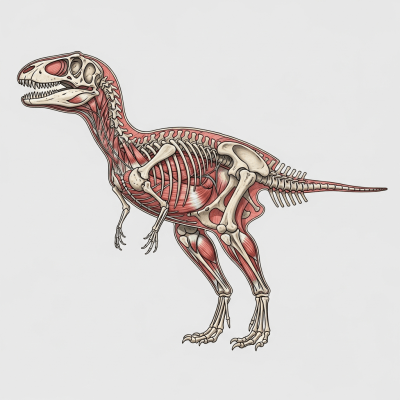
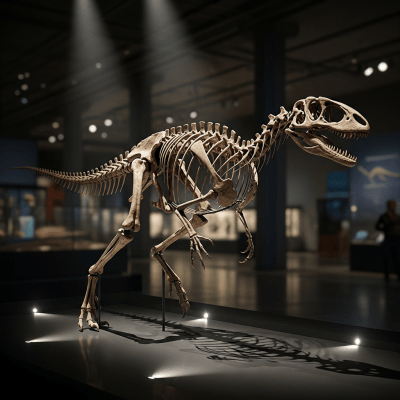
The first Compsognathus specimen was discovered in Bavaria, Germany, and described in 1859. Its holotype (BSP AS I 563) is housed in Munich. A second, more complete fossil was found in Canjuers, France in the 1970s, providing crucial anatomical details. These rare fossils have been instrumental in understanding small theropod anatomy and behavior.
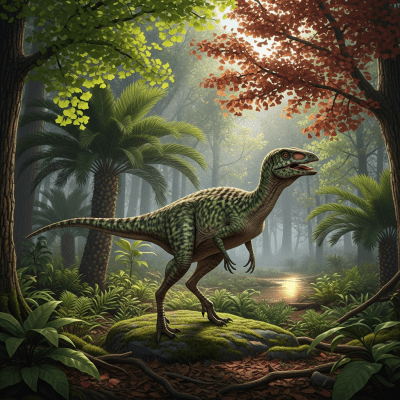
Compsognathus inhabited what is now Europe, with fossil evidence from Germany and France. Its environment was likely semi-arid coastal or lagoonal regions, rich in small prey and suited to its agile, predatory lifestyle.
As a carnivore, Compsognathus preyed on small vertebrates, particularly lizards—confirmed by fossilized stomach contents. Its sharp, recurved teeth and quick reflexes made it an adept hunter, well-adapted to catching agile prey in its Jurassic habitat.
Compsognathus is thought to have grown rapidly, a trait shared with other small theropods. While details of its life cycle remain limited, its lightweight build and inferred fast metabolism suggest a brief but active lifespan, reaching maturity quickly to take advantage of its ecological niche.
Compsognathus, like all non-avian dinosaurs, disappeared at the close of the Cretaceous period, likely due to catastrophic environmental changes such as asteroid impact and volcanic activity. Its extinction marked the end of a lineage of agile, small theropods in Europe.
Compsognathus holds a pivotal role in paleontology as one of the best-known small theropods. Its fossils have informed studies of dinosaur locomotion, predatory behavior, and evolutionary relationships, especially within the Theropoda. The genus continues to be a reference point for understanding the diversity and adaptation of Jurassic dinosaurs.