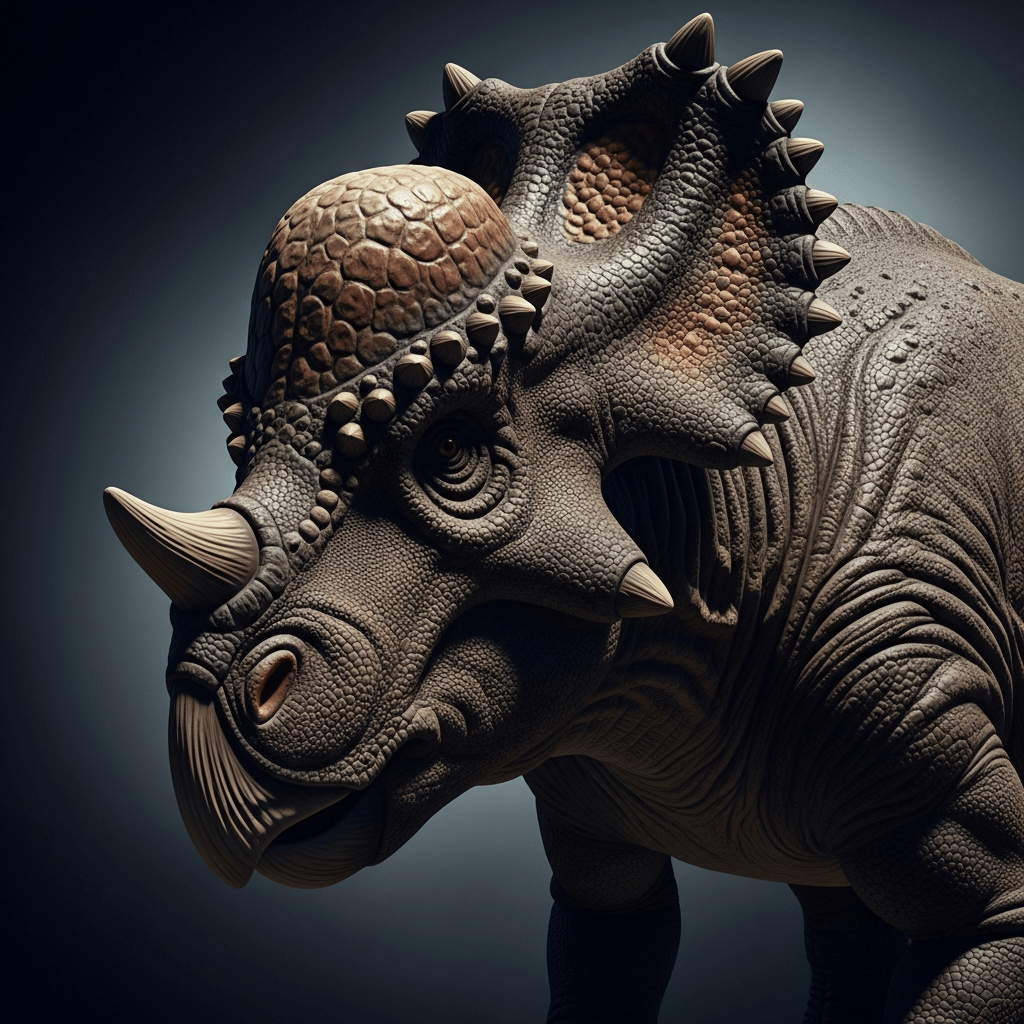
Pachyrhinosaurus
Pachyrhinosaurus is a genus of large, horned dinosaur renowned for its thickened nasal boss and elaborate skull ornamentation, which set it apart from other ceratopsians of the Late Cretaceous.
Pachyrhinosaurus is a genus of large, horned dinosaur renowned for its thickened nasal boss and elaborate skull ornamentation, which set it apart from other ceratopsians of the Late Cretaceous.
Pachyrhinosaurus was first described in 1950 by Charles M. Sternberg, following the discovery of its fossils in Alberta, Canada. The holotype specimen (NMC 9485) was unearthed from the Horseshoe Canyon Formation, marking the beginning of its scientific recognition. Subsequent finds in both Alberta and Alaska have revealed multiple species, highlighting its broad northern distribution during the Late Cretaceous period.
Pachyrhinosaurus belongs to the family Ceratopsidae, within the subfamily Centrosaurinae. As a member of the clade Dinosauria, it is grouped among the ornithischian dinosaurs, specifically the horned ceratopsians. Its closest relatives include genera such as Centrosaurus and Styracosaurus, sharing distinctive cranial features and evolutionary lineage.
This dinosaur was a robust, quadrupedal herbivore reaching up to 6 meters in length and weighing around 4 tonnes. Its most striking feature is the thick, bony nasal boss—an imposing shield in place of the typical nose horn. The skull is adorned with a frill decorated by epoccipitals and smaller hornlets, and the beak is parrot-like and powerful. Pachyrhinosaurus had strong, columnar limbs to support its massive body, and fossilized skin impressions indicate a scaly texture, though its coloration remains unknown.
Pachyrhinosaurus is believed to have lived in social herds, as evidenced by mass bonebeds containing individuals of varying ages. Rapid juvenile growth suggests a dynamic life history, possibly with group protection and coordinated movement. While extinct and absent from direct human interaction, its fossils are extensively used for scientific research, educational outreach, and museum exhibitions, fostering public fascination with prehistoric life.
Bring this kind into your world illustrated posters, mugs, and shirts.
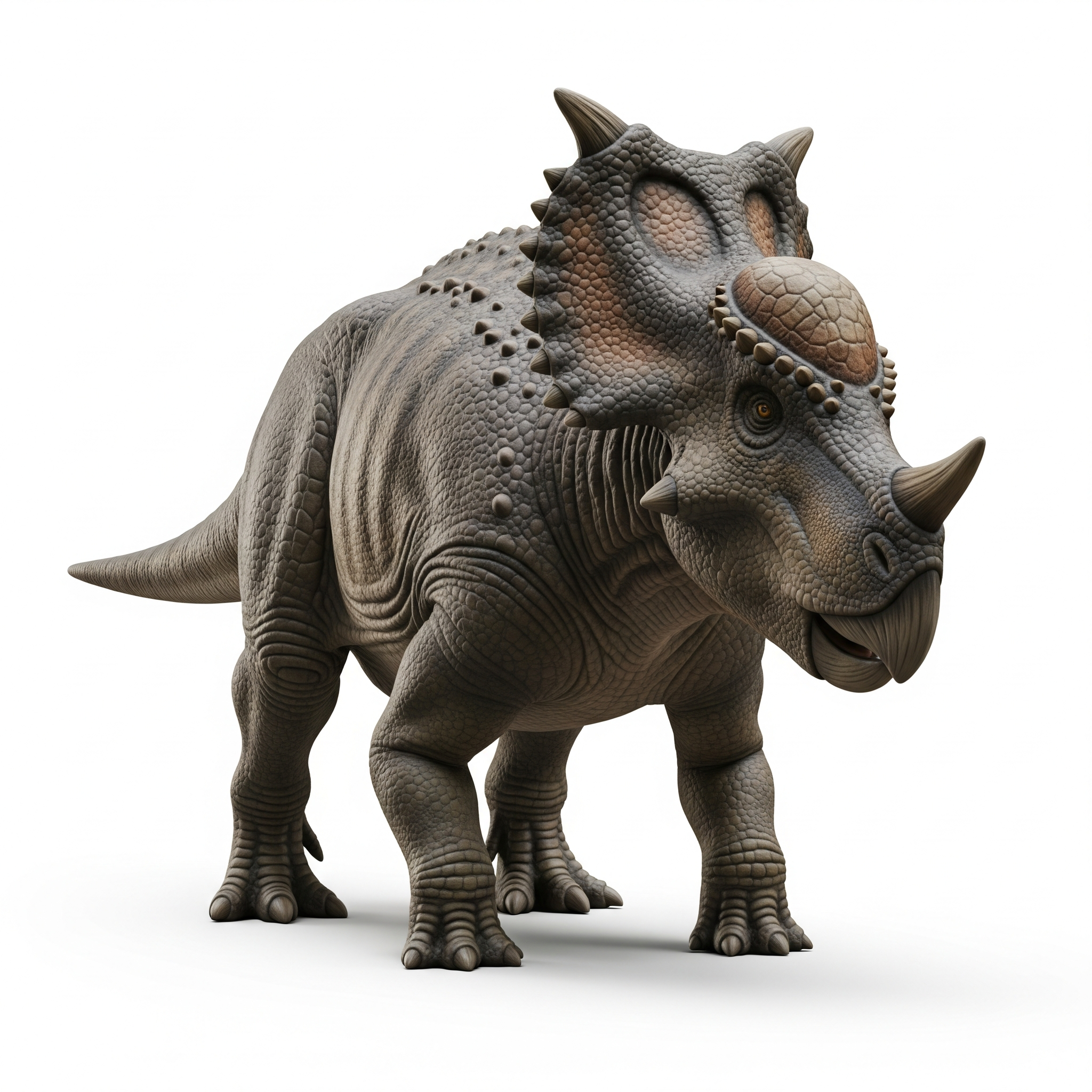
Archival print, museum-grade paper
Buy Poster
Stoneware mug, dishwasher safe
Buy Mug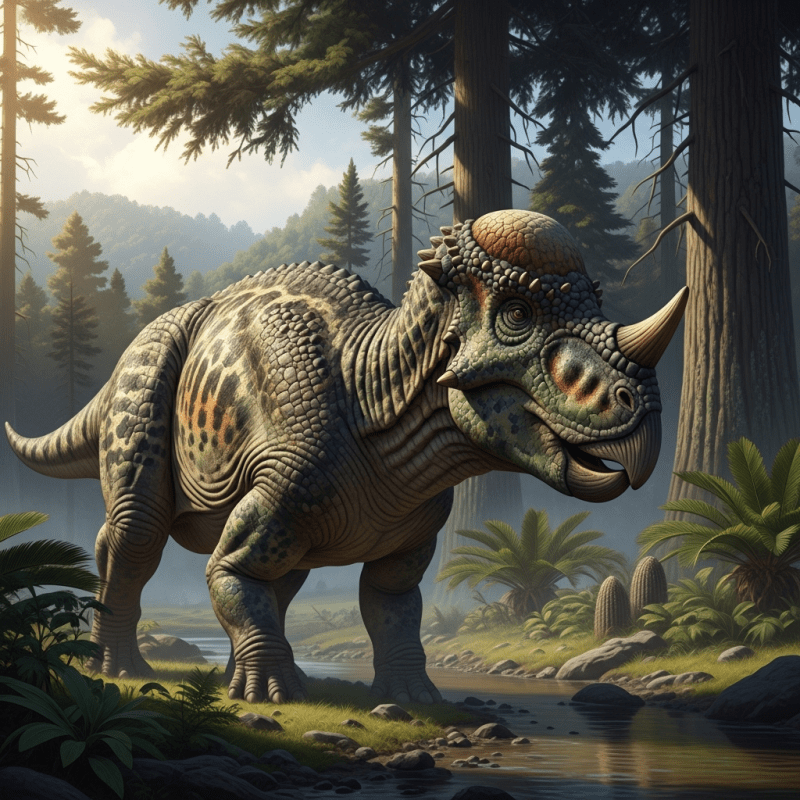
Soft cotton tee, unisex sizes
Buy ShirtPachyrhinosaurus holds a special place in Alberta's cultural heritage, appearing in local iconography, educational curricula, and museum displays. Its unique appearance has made it a favorite in documentaries and children’s books, helping to spark interest in paleontology and the ancient world among the public and young learners alike.
Pachyrhinosaurus lived during the Late Cretaceous period, approximately 70 to 66 million years ago, a time when dinosaurs flourished across North America.
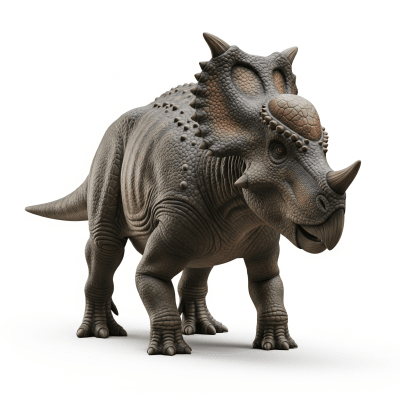
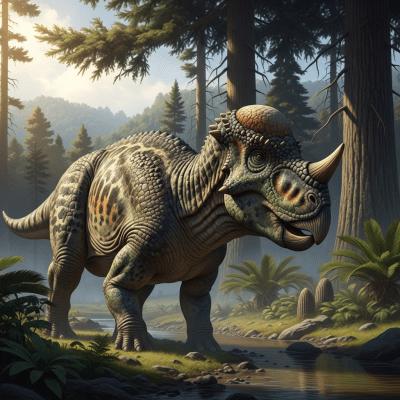
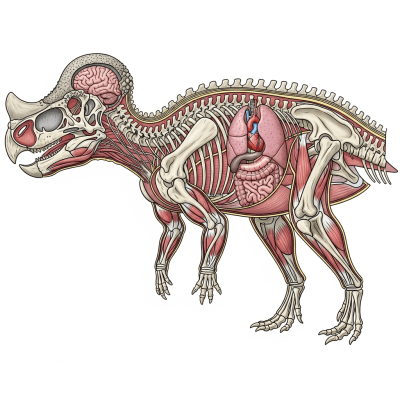
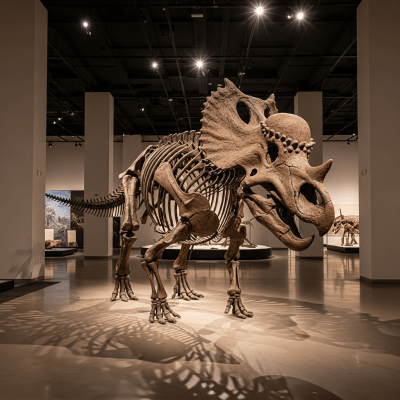
The first Pachyrhinosaurus fossils were discovered in Alberta, Canada, with the holotype specimen originating from the Horseshoe Canyon Formation. Subsequent finds in Alaska expanded its known range, and mass bonebeds have provided valuable insights into its social structure and growth. These discoveries have been pivotal for museums and research institutions, offering a rich source of material for study and display.
Pachyrhinosaurus inhabited the floodplains and woodlands of what is now Alberta and Alaska. Its fossils indicate a preference for northern, temperate environments, suggesting it was well-adapted to seasonal changes and possibly cooler climates compared to other ceratopsians.
As a large herbivore, Pachyrhinosaurus used its strong beak and jaws to crop and chew tough vegetation. Its dental batteries and robust skull structure were ideal for processing fibrous plants, contributing to the rich diversity of Late Cretaceous ecosystems.
Studies of Pachyrhinosaurus bonebeds reveal rapid growth during juvenile stages and a structured herd life, with individuals of all ages found together. This suggests a social system that may have provided protection and facilitated learning among young dinosaurs, though specific lifespan estimates remain uncertain.
Pachyrhinosaurus, like all non-avian dinosaurs, became extinct at the close of the Cretaceous period, likely due to catastrophic environmental changes such as asteroid impact and volcanic activity. This mass extinction event reshaped life on Earth, ending the reign of dinosaurs and paving the way for mammals and birds.
Pachyrhinosaurus is a key genus for understanding ceratopsian evolution, social behavior, and adaptation to northern environments. Its well-preserved fossils have contributed to studies in growth patterns, herd dynamics, and cranial anatomy, making it a cornerstone of paleontological research and public education.