Therizinosaurus
Therizinosaurus is a remarkable genus of theropod dinosaur instantly recognized for its gigantic, scythe-like claws and its unusual, herbivorous lifestyle.
Therizinosaurus is a remarkable genus of theropod dinosaur instantly recognized for its gigantic, scythe-like claws and its unusual, herbivorous lifestyle.
Therizinosaurus was first described in 1954 by Soviet paleontologist Evgeny Maleev, following the discovery of striking forelimb fossils in the Nemegt Formation of Mongolia's Gobi Desert. The holotype specimen, PIN 551-483, revealed claws so immense that early researchers speculated they belonged to a giant turtle, inspiring the species name "cheloniformis." Subsequent studies clarified its true identity as a highly specialized dinosaur, reshaping scientific understanding of theropod evolution.
Therizinosaurus belongs to the clade Dinosauria, within the order Saurischia and suborder Theropoda. It is placed in the family Therizinosauridae—a lineage of theropods notable for their herbivorous adaptations. While most theropods are famed as carnivores, Therizinosaurus stands out as a highly derived, plant-eating member, demonstrating the surprising diversity within its group.
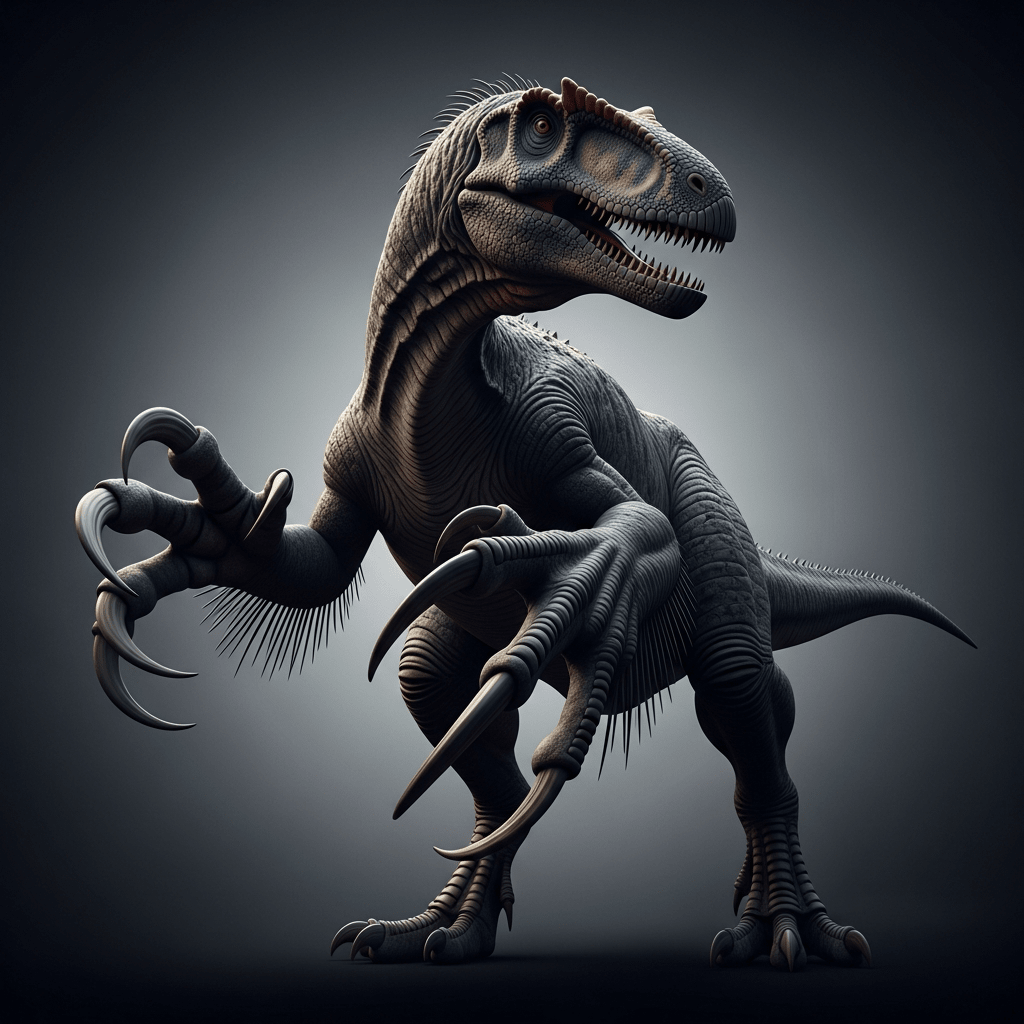
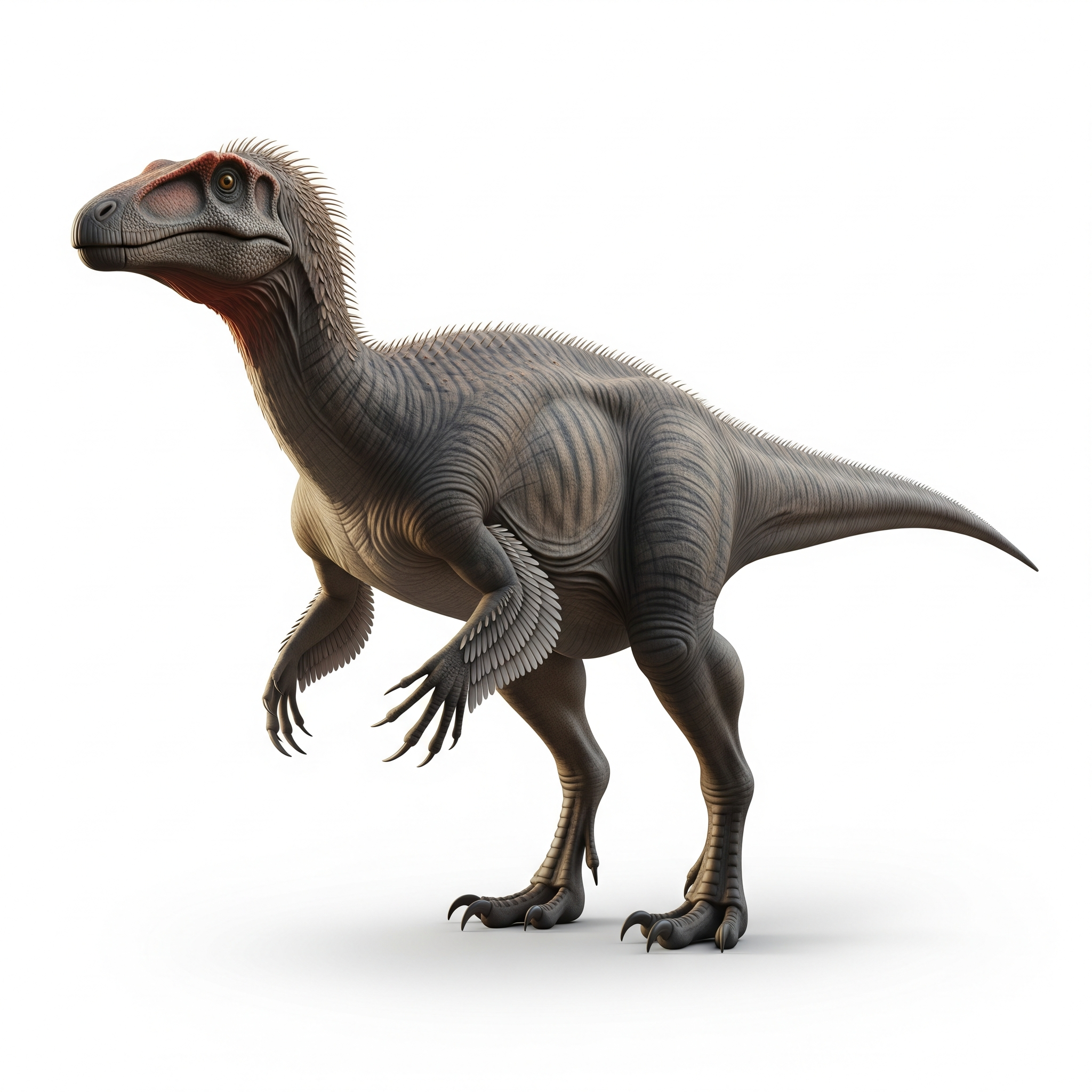
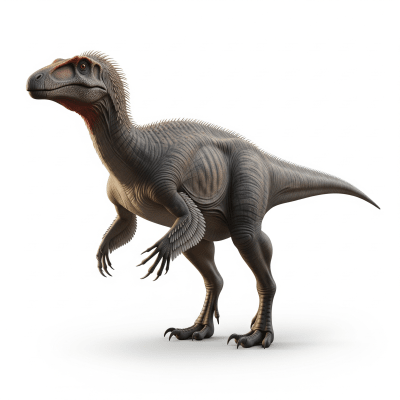
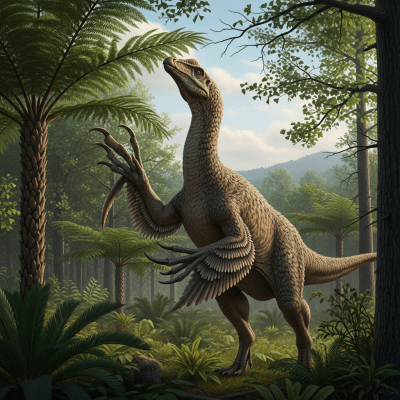
Therizinosaurus was a large, imposing dinosaur, stretching up to 10 meters in length and weighing as much as 5 tons. Its most dramatic feature was a set of elongated forelimb claws, each reaching up to 1 meter—longer than any other dinosaur's. The animal had a small, beaked skull, a long neck, a broad and pot-bellied torso, and a short tail. Its overall form was both powerful and peculiar, combining the body plan of a robust herbivore with the grasping limbs of a predator.
Therizinosaurus was likely a slow-moving, bipedal browser, using its formidable claws to pull down branches or strip foliage. Its anatomy suggests adaptations for processing plant material, including a beaked mouth and reduced teeth. While direct evidence of social behavior is lacking, its massive size and unusual limbs imply a deliberate, methodical lifestyle. Today, its fossils serve as invaluable tools for scientific research, education, and museum display, highlighting the evolutionary breadth of theropods.
Bring this kind into your world illustrated posters, mugs, and shirts.
Archival print, museum-grade paper
Buy Poster
Stoneware mug, dishwasher safe
Buy Mug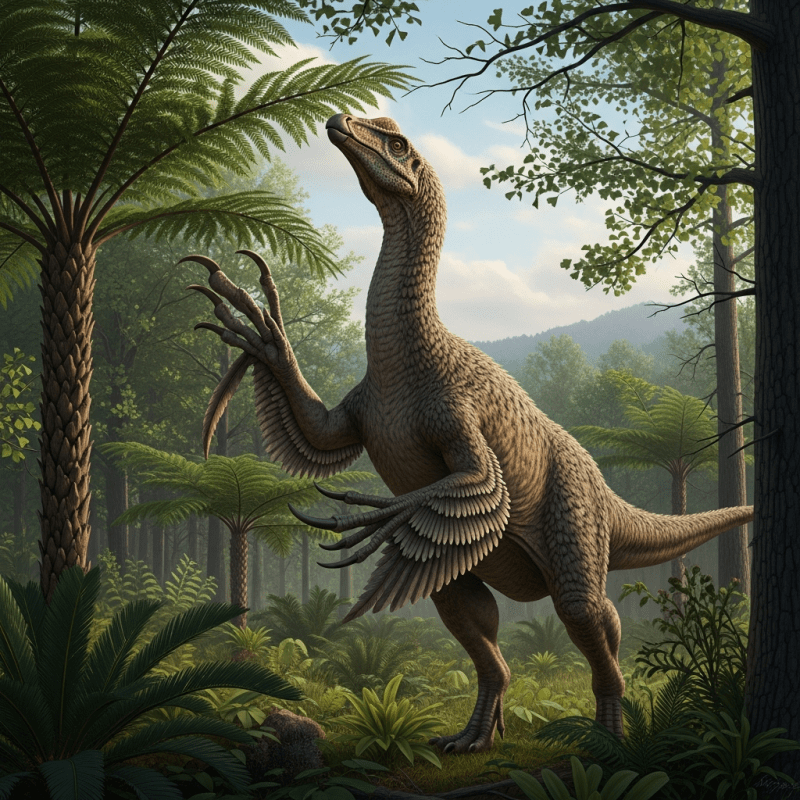
Soft cotton tee, unisex sizes
Buy ShirtTherizinosaurus captivates both scientists and the public as a symbol of evolutionary experimentation. Its bizarre appearance and enormous claws make it a centerpiece in museum exhibits and a frequent subject in educational media. The genus challenges conventional images of theropods, inspiring curiosity and debate in paleontological circles and popular culture alike.
Therizinosaurus lived during the Late Cretaceous period, a time when dinosaurs flourished across the globe, approximately 70 million years ago.
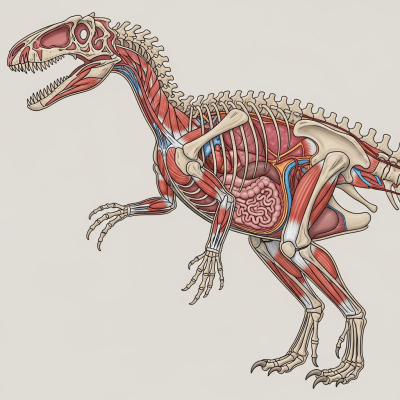
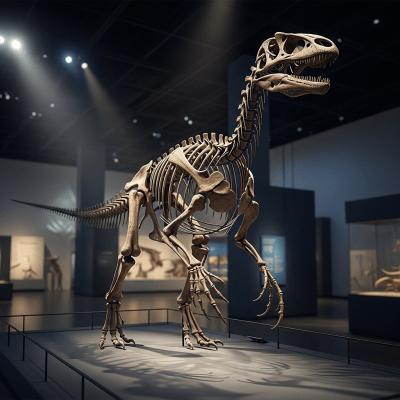
The first fossils of Therizinosaurus were uncovered in the Nemegt Formation of the Gobi Desert, Mongolia. The holotype specimen, PIN 551-483, consists mainly of forelimb bones and claws, which were so extraordinary that their true nature was debated for years. These fossils remain among the most striking examples of dinosaurian anatomy and are housed at the Paleontological Institute of the Russian Academy of Sciences.
Therizinosaurus inhabited what is now the arid Nemegt Basin of Mongolia. During the Late Cretaceous, this region was likely a rich floodplain or woodland, providing abundant vegetation for browsing. Fossil evidence is restricted to this area, suggesting a limited geographic range.
Unlike most of its theropod relatives, Therizinosaurus was adapted for a herbivorous diet. Its beaked mouth, reduced teeth, and powerful claws were likely used to gather and process plant material, making it a specialized browser among dinosaurs.
Direct evidence for the growth and life cycle of Therizinosaurus is limited. While its large size suggests a lengthy developmental period, details about its growth rates, reproductive behavior, and lifespan remain unknown due to the scarcity of complete fossil material.
Therizinosaurus, like all non-avian dinosaurs, vanished during the mass extinction event at the end of the Cretaceous period, approximately 66 million years ago. The prevailing theory attributes this extinction to catastrophic environmental changes following an asteroid impact.
Therizinosaurus is a cornerstone in paleontology for illustrating the unexpected diversity of theropod dinosaurs. Its herbivorous adaptations challenge long-held assumptions about theropod diets and evolution, offering crucial insights into the ecological complexity of the Mesozoic Era.