Megaraptor
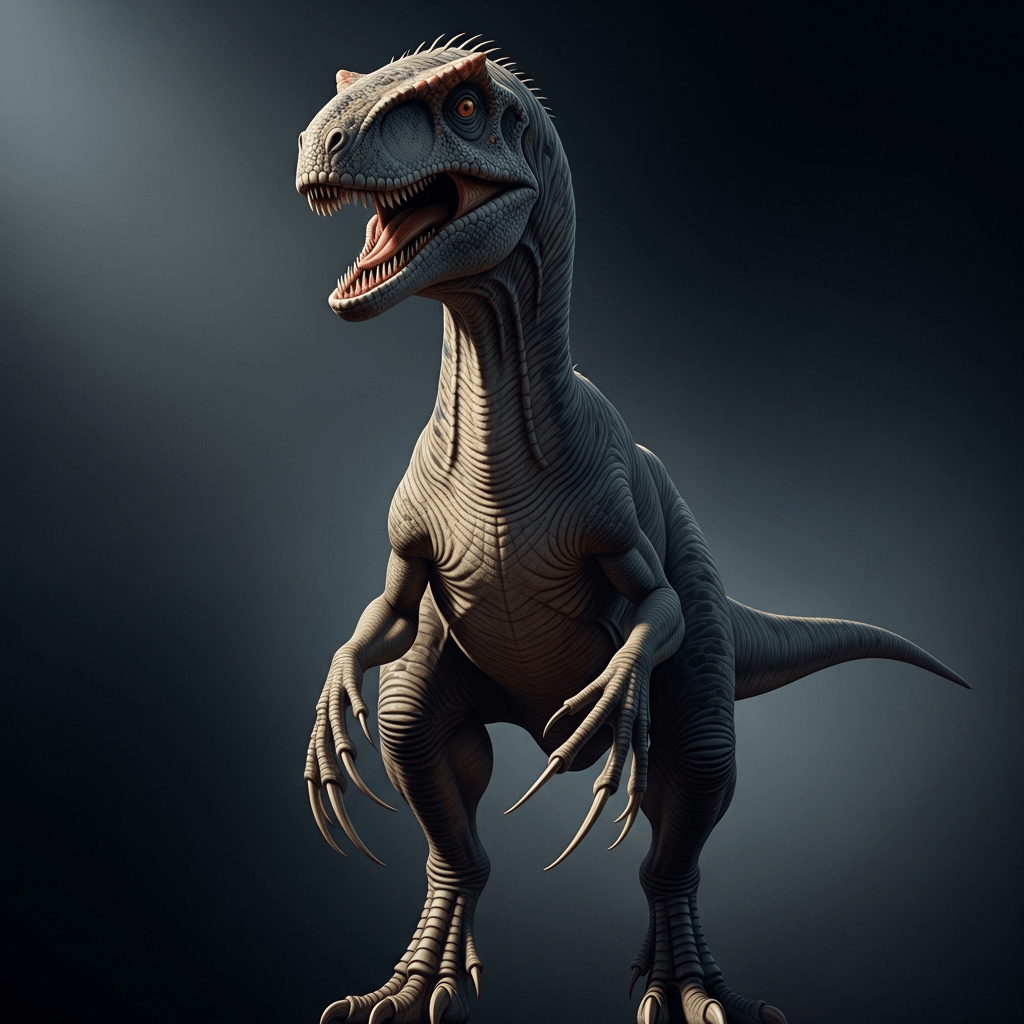
Megaraptor is a large, carnivorous theropod dinosaur from the Late Cretaceous of South America, instantly recognized by its elongated hand claws and lightly built skeleton.
Megaraptor is a large, carnivorous theropod dinosaur from the Late Cretaceous of South America, instantly recognized by its elongated hand claws and lightly built skeleton.
Megaraptor was first unearthed in the Patagonian region of Argentina, with its holotype specimen discovered in the Portezuelo Formation of Neuquén Province. Described in 1998 by paleontologist Fernando E. Novas, the initial fossil—a massive hand claw—sparked early debates about its evolutionary relationships. Subsequent discoveries of more complete remains have clarified its anatomy and solidified its place as a key member of South America's Late Cretaceous dinosaur fauna.
Megaraptor belongs to the clade Dinosauria, order Saurischia, and suborder Theropoda. Its precise family placement remains debated; some studies link it to allosauroids, while others place it within the enigmatic Megaraptora. This genus exemplifies the complex evolutionary relationships among large predatory dinosaurs and highlights ongoing advances in dinosaur taxonomy.
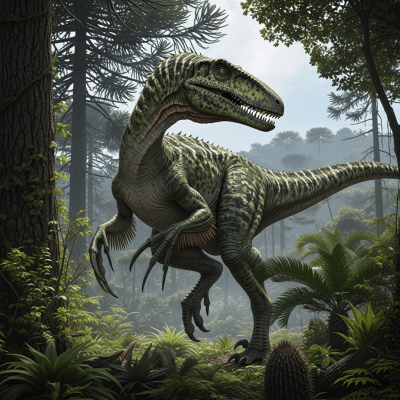
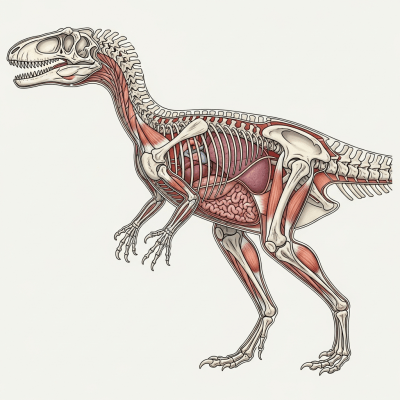
Megaraptor was a striking bipedal predator, measuring 7–10 meters in length and weighing up to 1 tonne. Its most distinctive feature was the hypertrophied claw on its first finger, which could exceed 30 centimeters. The skeleton was lightly built, with elongated limbs and a long, narrow skull lined with sharp teeth. Robust forelimbs suggest powerful grasping ability, while speculative reconstructions imagine a sleek, agile form suited for active hunting.
As an active predator, Megaraptor likely relied on speed and agility to pursue prey. Its robust forelimbs and massive claws suggest it used its hands to capture and subdue animals, possibly engaging in complex hunting strategies. There is no evidence of domestication or human interaction; its primary role is as a subject of scientific study and public fascination through fossil displays and educational outreach.
Bring this kind into your world illustrated posters, mugs, and shirts.
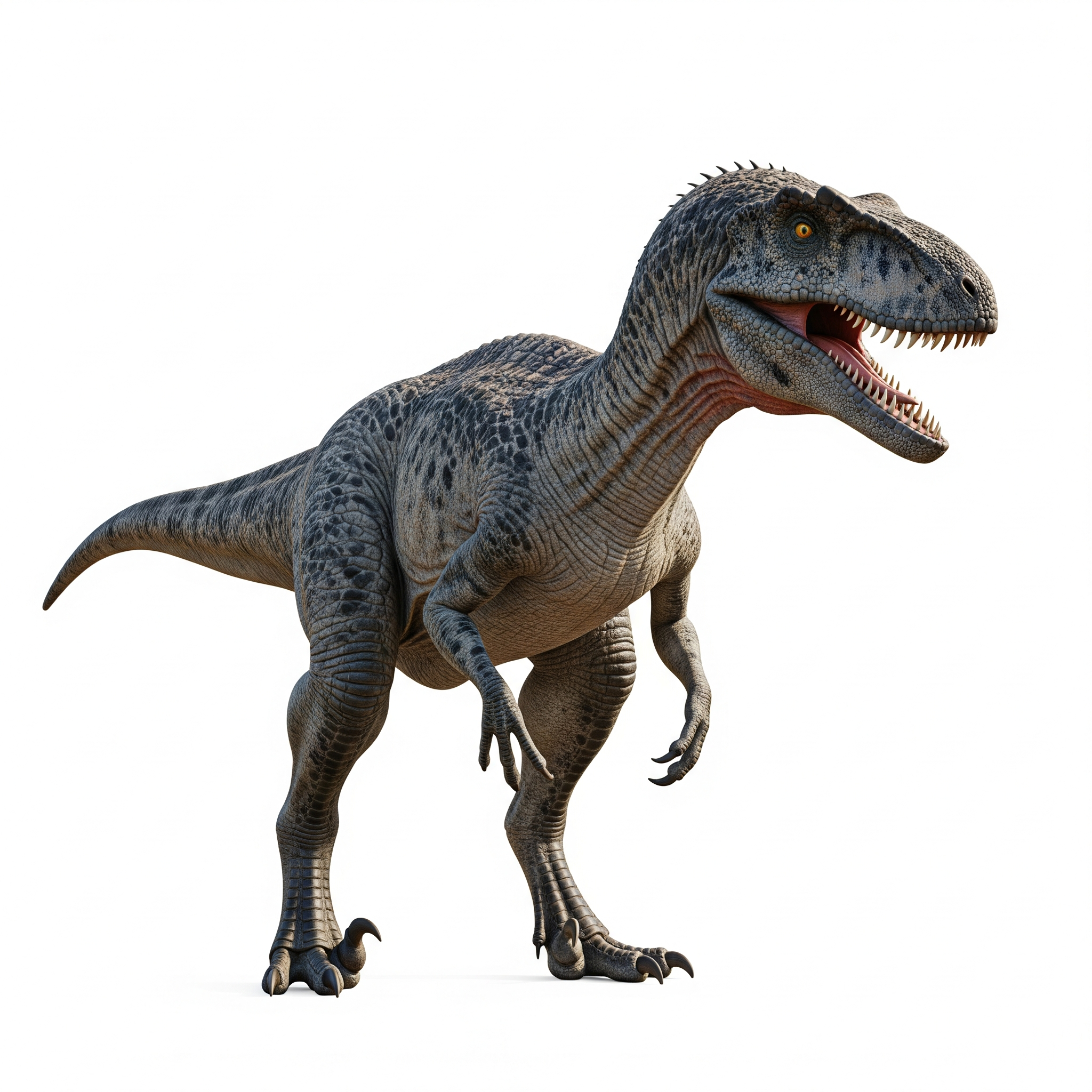
Archival print, museum-grade paper
Buy Poster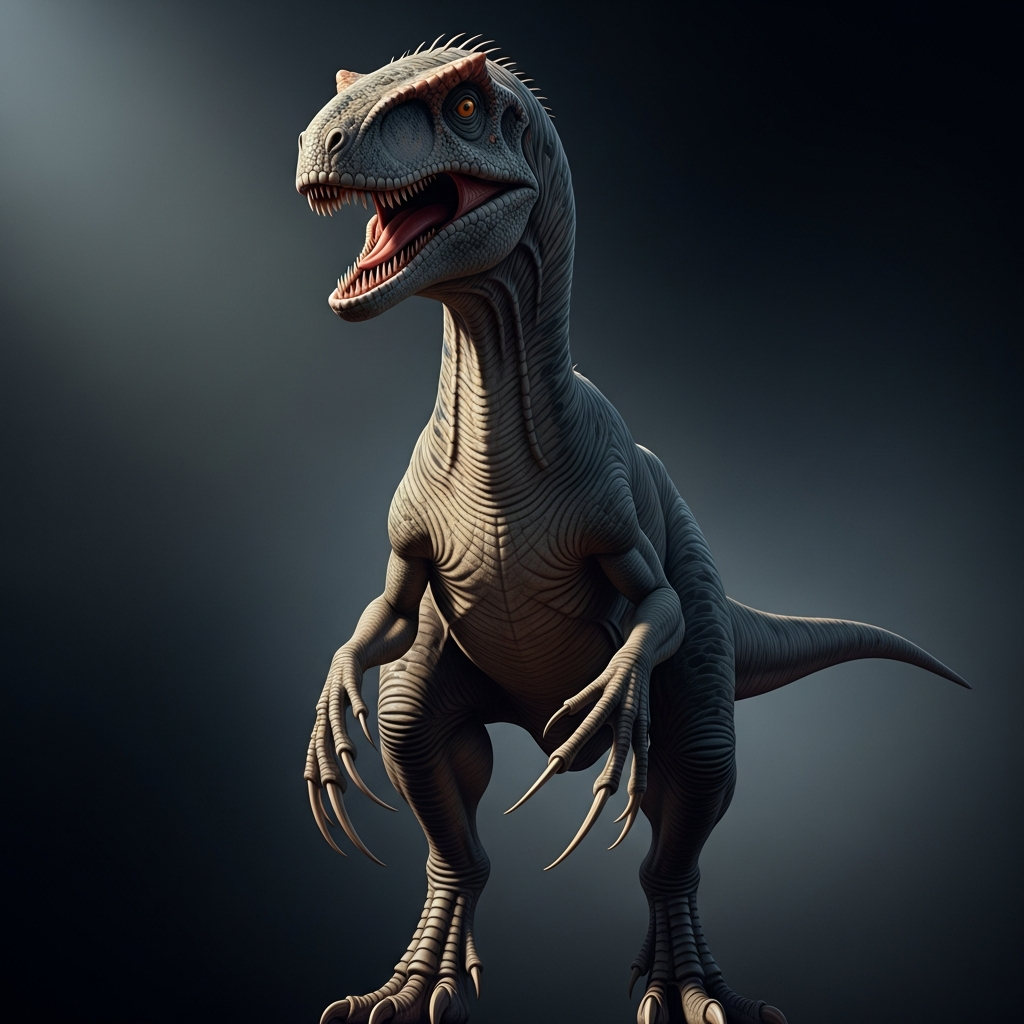
Stoneware mug, dishwasher safe
Buy Mug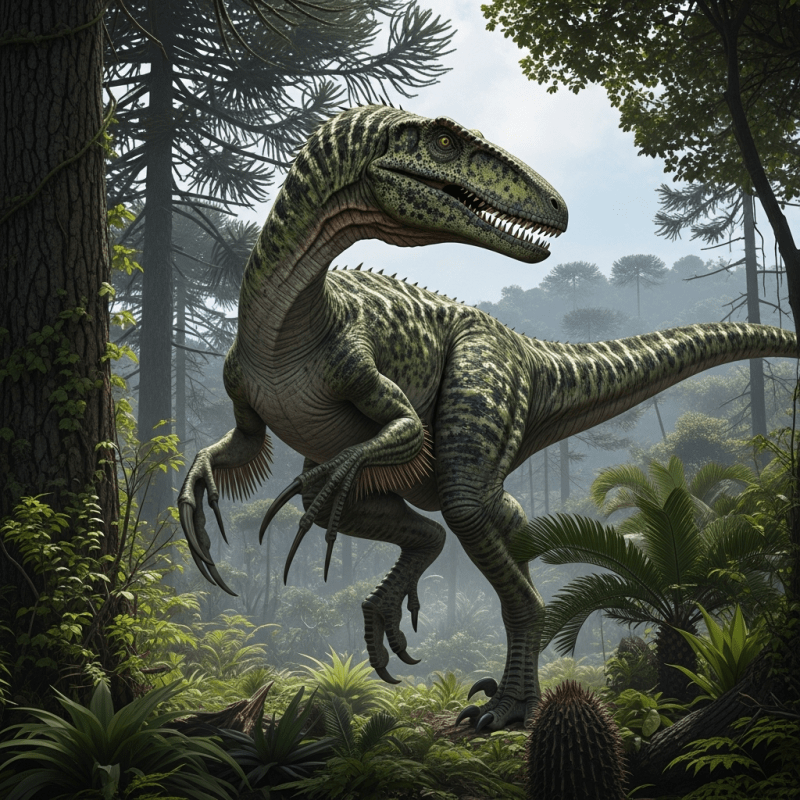
Soft cotton tee, unisex sizes
Buy ShirtMegaraptor holds a special place in paleontological research, especially for its contribution to understanding South American dinosaur diversity. Its fossils are featured in museum exhibits, notably at the Museo Carmen Funes in Argentina, sparking public interest and inspiring educational programs. While less prominent in popular media than some other dinosaurs, Megaraptor's dramatic claws and mysterious lineage make it a favorite among enthusiasts and researchers alike.
Megaraptor lived during the Late Cretaceous period, approximately 90–70 million years ago, a time when dinosaurs flourished across the globe.

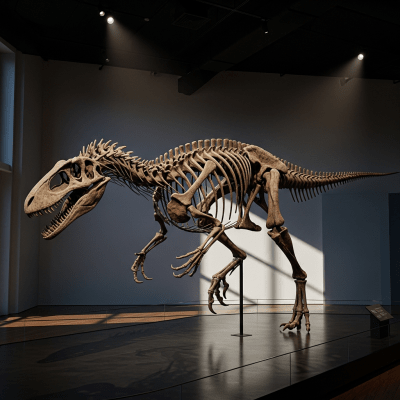
The first Megaraptor fossil—a giant hand claw—was discovered in the Portezuelo Formation of Neuquén Province, Argentina, and described in 1998. The holotype specimen, MCF-PVPH 79, is housed at the Museo Carmen Funes. Subsequent finds have provided more complete skeletal material, all from Patagonia, enriching our understanding of its anatomy and evolutionary significance.
Megaraptor inhabited the ancient landscapes of Patagonia in South America. The region during the Late Cretaceous was characterized by floodplains, forests, and river systems, offering a rich environment for large predators. Fossil evidence confirms its distribution is limited to Argentina, highlighting its role in the unique South American dinosaur ecosystem.
As a carnivore, Megaraptor was equipped with sharp teeth and powerful claws for hunting and consuming other animals. Its elongated limbs and robust forelimbs suggest it actively pursued prey and used its hands to grasp and subdue victims, possibly feeding on medium to large vertebrates in its environment.
Growth rates and developmental stages for Megaraptor are inferred from bone histology, though detailed data remain limited. Like other large theropods, it likely underwent rapid growth in its early years, reaching adult size within a decade or two. Specific lifespan estimates are unavailable, and no direct evidence of nesting or juvenile behavior has been found.
Megaraptor, like all non-avian dinosaurs, disappeared at the end of the Cretaceous period. The prevailing theory attributes this mass extinction to a catastrophic asteroid impact, which triggered global environmental upheaval and led to the loss of most dinosaur species.
Megaraptor is a cornerstone in studies of theropod diversity and evolution in South America. Its unique anatomy and debated relationships have spurred research into dinosaur phylogeny and paleobiogeography. Fossil discoveries have helped refine our understanding of predatory dinosaur adaptations and the broader patterns of Mesozoic life.