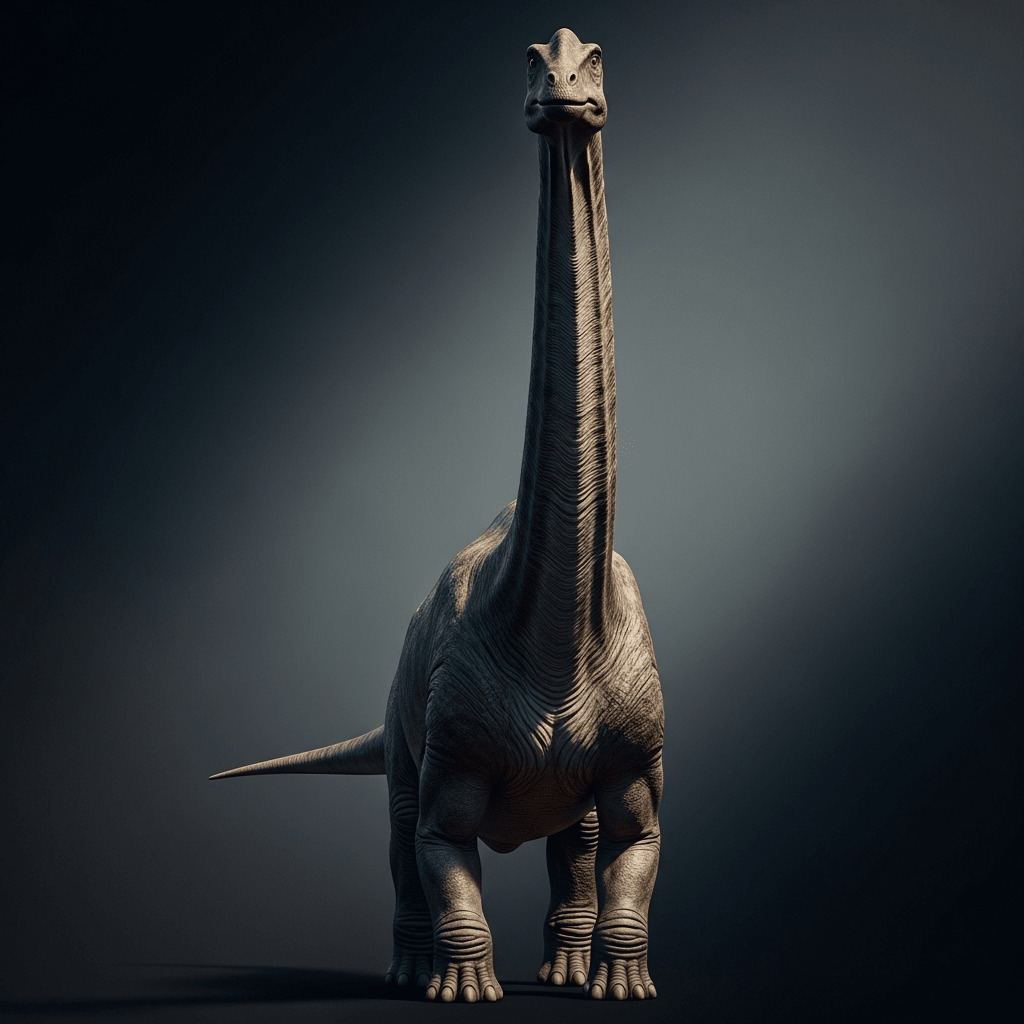
Diplodocus
Diplodocus is a genus of long-necked, quadrupedal sauropod dinosaurs from the Late Jurassic of North America, renowned for its extraordinary length and slender build.
Diplodocus is a genus of long-necked, quadrupedal sauropod dinosaurs from the Late Jurassic of North America, renowned for its extraordinary length and slender build.
Diplodocus was first described in 1878 by paleontologist Othniel Charles Marsh, following the discovery of fossils in the Morrison Formation of Colorado. Its holotype specimen, YPM 1920, resides at the Yale Peabody Museum. The name "Diplodocus" is derived from Greek, meaning "double beam," a reference to the unique chevron bones found on its tail. Fossil evidence places Diplodocus in the western United States, primarily Colorado, Wyoming, Montana, and Utah, during the Late Jurassic period.
Diplodocus belongs to the family Diplodocidae within the clade Sauropodomorpha, order Saurischia, class Reptilia, phylum Chordata, kingdom Animalia. It is closely related to other diplodocids such as Apatosaurus and Barosaurus, and is part of the broader group of sauropods—large, long-necked herbivorous dinosaurs that dominated terrestrial ecosystems in the Mesozoic Era.
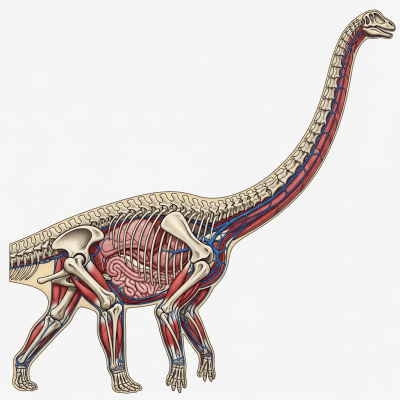
Diplodocus was among the longest dinosaurs, measuring between 24 and 33 meters (79–108 feet) in length and weighing up to 16 metric tons. Its body featured a remarkably elongated neck with at least 15 vertebrae, a whip-like tail, a small head with peg-like teeth at the front of its jaws, and sturdy, columnar limbs. The double-beamed chevron bones along its tail provided both support and flexibility. Fossilized skin impressions reveal small, spiny dermal structures running along its back and tail, though its coloration remains unknown.
Diplodocus was a quadrupedal herbivore, likely feeding on soft vegetation at various heights using its long neck. Its posture and limb structure suggest it spent most of its life walking on all fours, with limited ability to rear up. Diplodocus played a vital role in its ecosystem as a high and low browser, shaping plant communities and serving as prey for large theropods. Today, its fossils are central to scientific research, education, and museum displays, symbolizing the grandeur of prehistoric life.
Bring this kind into your world illustrated posters, mugs, and shirts.
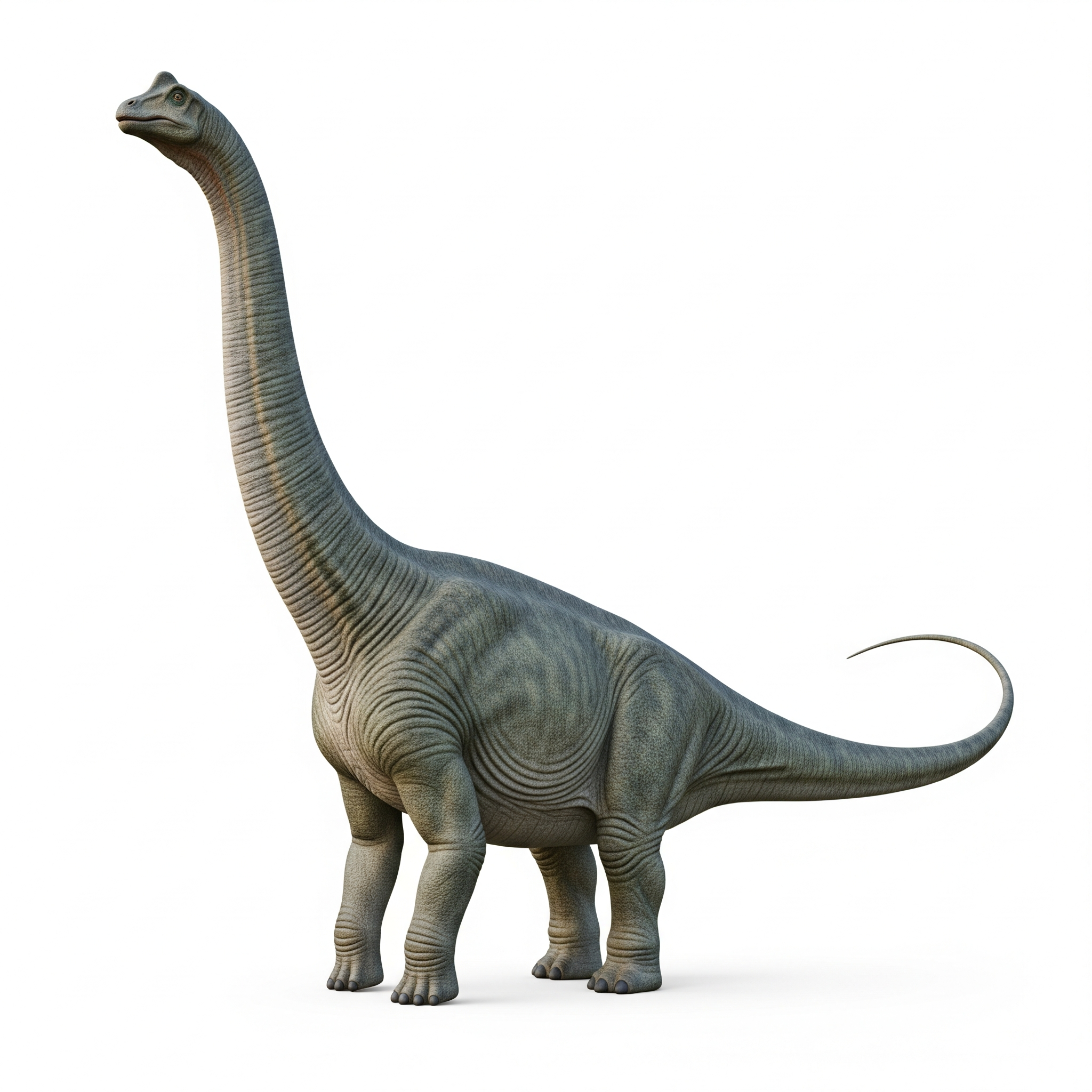
Archival print, museum-grade paper
Buy Poster
Stoneware mug, dishwasher safe
Buy Mug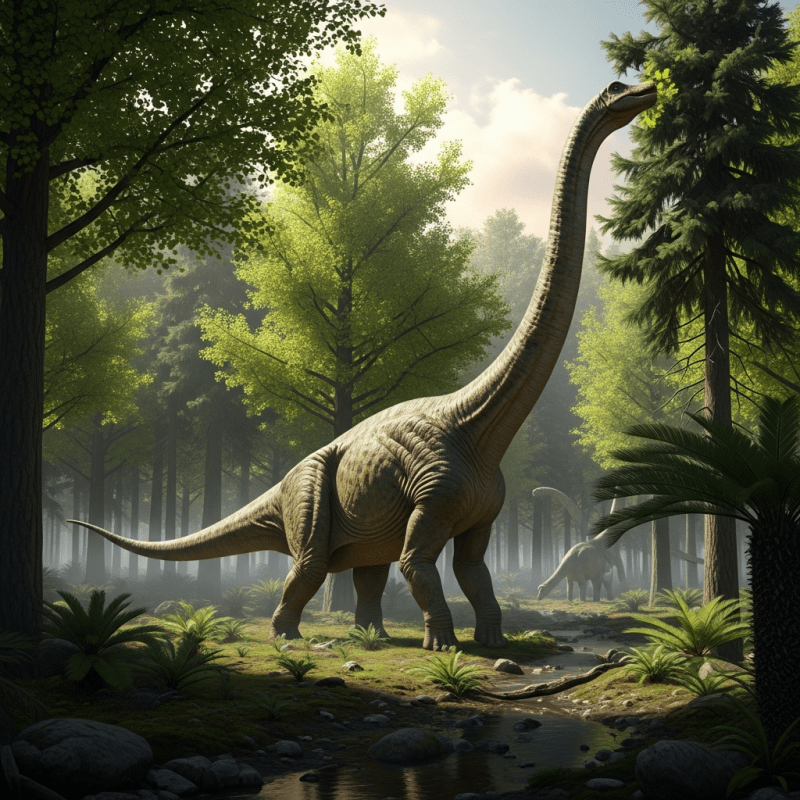
Soft cotton tee, unisex sizes
Buy ShirtDiplodocus has become an icon in popular culture and paleontology, featured prominently in museums worldwide. The famous "Dippy" skeleton at the Natural History Museum, London, is one of the most recognized dinosaur mounts, inspiring generations of visitors. Diplodocus regularly appears in books, documentaries, films, and educational materials, embodying the wonder of the dinosaur age and serving as a gateway to scientific discovery for the public.
Diplodocus lived during the Late Jurassic period, approximately 154 to 152 million years ago, a time when giant sauropods roamed the floodplains of North America.
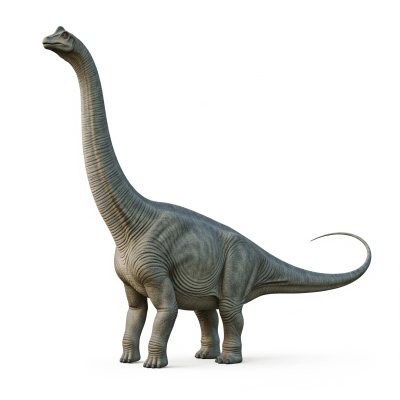
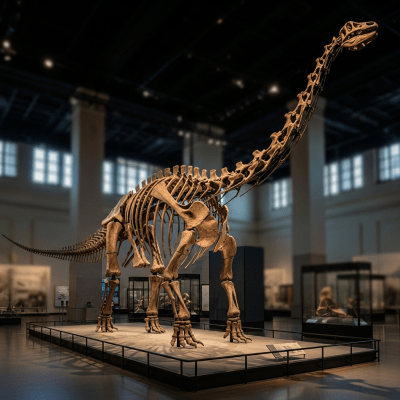
The first Diplodocus fossils were unearthed in the Morrison Formation of Colorado in the late 19th century. Since then, numerous specimens have been found across the western United States, notably in Colorado, Wyoming, Montana, and Utah. The holotype, YPM 1920, is housed at the Yale Peabody Museum. Diplodocus fossils are among the most complete sauropod remains, allowing for detailed reconstructions and extensive scientific study.
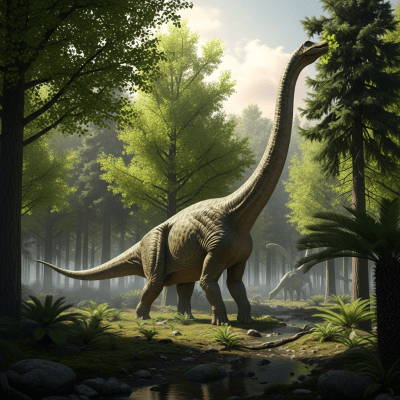
Diplodocus inhabited the lush, riverine floodplains of what is now western North America. Its fossils are concentrated in the Morrison Formation, which represents a diverse ecosystem of forests, lakes, and meandering rivers during the Late Jurassic. This region supported a rich community of dinosaurs and other prehistoric life.
Diplodocus was a dedicated herbivore, equipped with peg-like teeth at the front of its jaws for stripping soft leaves and vegetation. Its long neck enabled it to browse both high and low foliage, possibly feeding on ferns, cycads, and conifers. The structure of its teeth and jaws suggests it did not chew but rather raked and swallowed plant material whole.
Bone histology indicates that Diplodocus experienced relatively rapid growth, reaching adult size in a matter of decades. Its life cycle likely included a juvenile phase with proportionally shorter necks and tails, followed by steady growth to immense size. While precise lifespan estimates are uncertain, sauropods like Diplodocus may have lived for several decades, with growth rates inferred from fossilized bone tissues.
Diplodocus, like all non-avian dinosaurs, disappeared at the end of the Mesozoic Era, likely due to a combination of catastrophic events such as asteroid impact, volcanic activity, and climate change. These factors led to the mass extinction event approximately 66 million years ago, marking the end of the age of dinosaurs.
Diplodocus is a cornerstone of paleontological research, providing key insights into sauropod anatomy, biomechanics, and evolutionary history. Its well-preserved fossils have advanced our understanding of dinosaur growth, locomotion, and paleoecology. Diplodocus continues to inform scientific debates on sauropod diversity and adaptation, making it a vital reference in the study of prehistoric life.