Allosaurus
Allosaurus is a large, carnivorous theropod dinosaur that dominated the Late Jurassic as one of its most formidable apex predators.
Allosaurus is a large, carnivorous theropod dinosaur that dominated the Late Jurassic as one of its most formidable apex predators.
Allosaurus was first described in 1877 by Othniel Charles Marsh, following fossil discoveries in the Morrison Formation of Colorado, USA. Its name, meaning "different lizard" in Greek, highlights its distinctive vertebral anatomy. The holotype specimen, YPM 1930, resides at the Yale Peabody Museum. While most Allosaurus fossils hail from North America, additional remains have been found in Portugal, with debated material from Africa and Australia.
Allosaurus belongs to the family Allosauridae, within the order Saurischia and clade Theropoda. As a theropod, it shares evolutionary ties with other large carnivorous dinosaurs, such as Saurophaganax and Acrocanthosaurus. Its classification is grounded in anatomical features like its bipedal stance, large skull, and three-fingered hands.
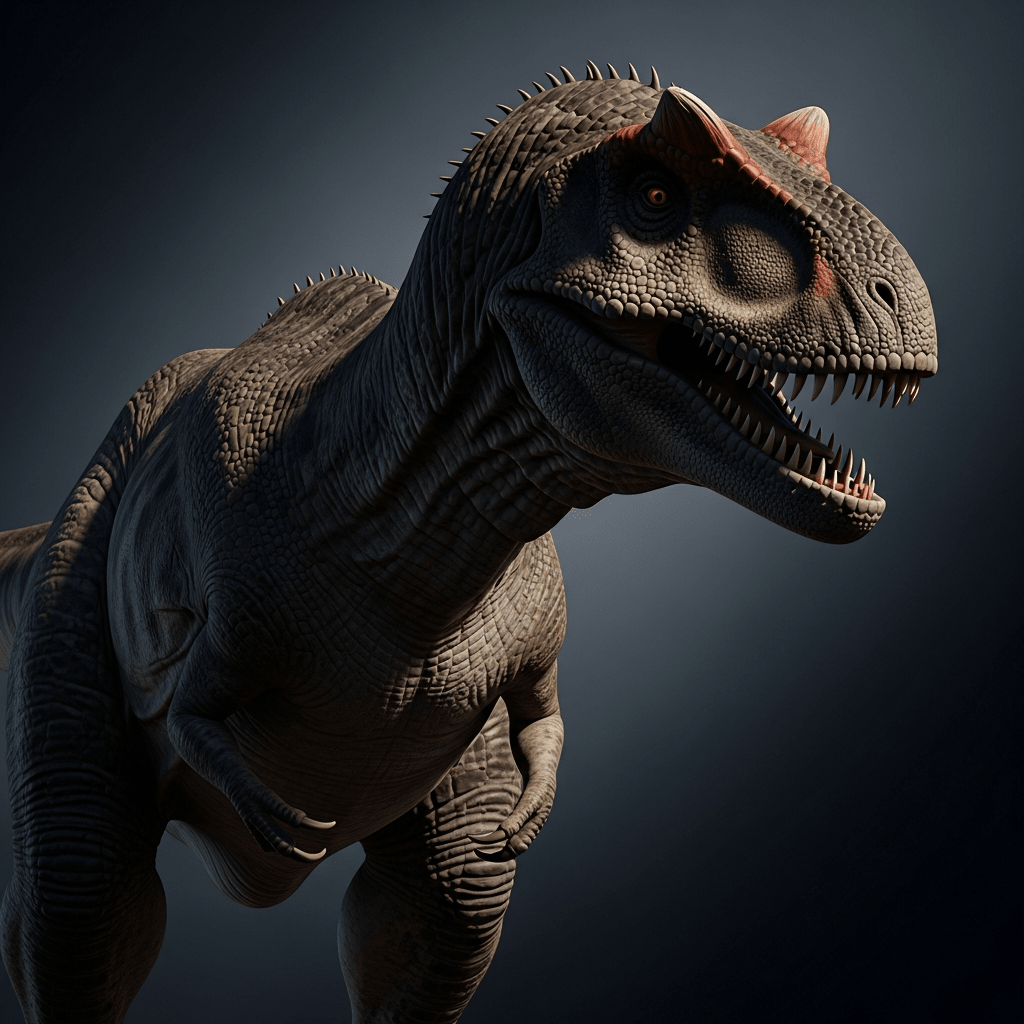
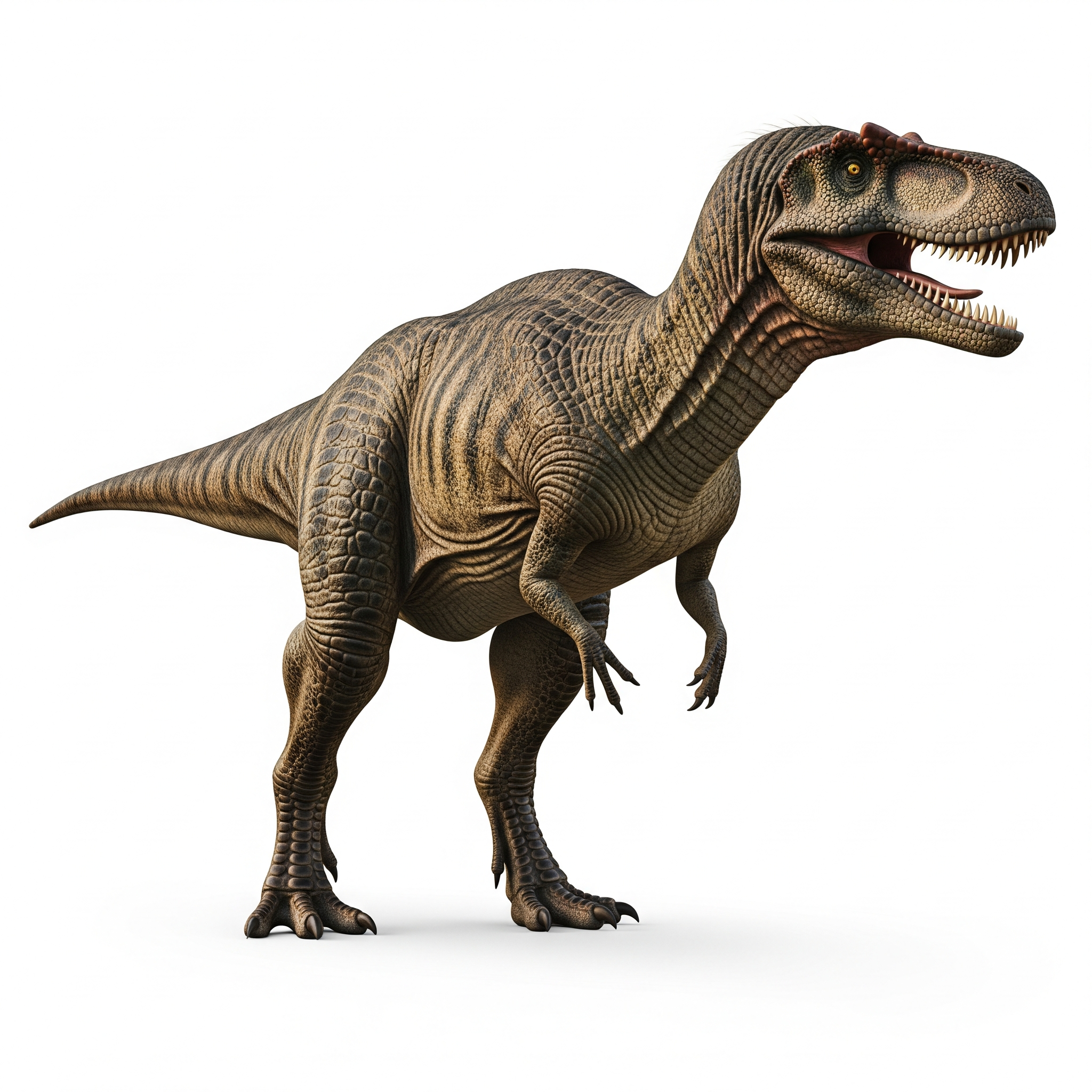
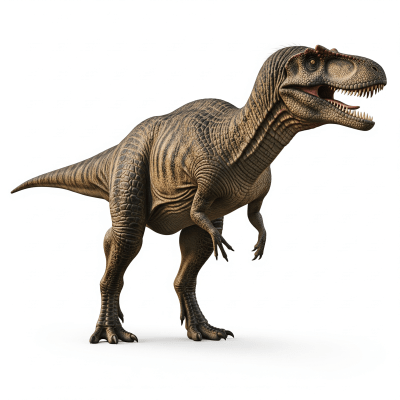
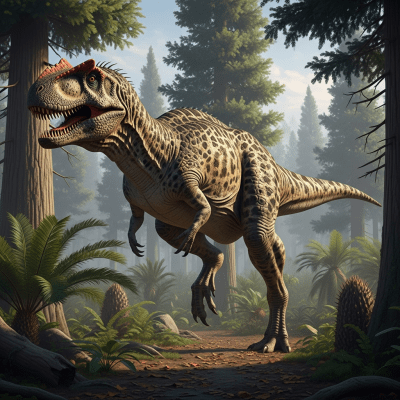
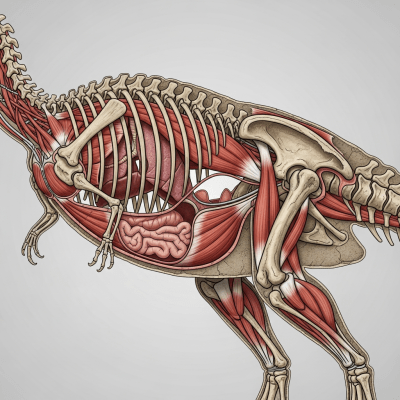
Allosaurus was a striking predator, typically reaching 8.5 meters (28 feet) in length, with some individuals possibly growing up to 12 meters (39 feet). It featured a massive skull lined with serrated teeth, prominent bony ridges above the eyes, and muscular hind limbs for swift movement. Its forelimbs were short yet powerful, ending in three sharp claws, while a long, robust tail provided balance. Reconstructions suggest a formidable, agile silhouette, though skin color and texture remain speculative.
As an apex predator, Allosaurus likely hunted large herbivorous dinosaurs, using its powerful jaws and claws to subdue prey. Fossil evidence hints at rapid growth rates and possible social behaviors, such as group hunting or scavenging, though solitary habits cannot be ruled out. While extinct, Allosaurus fossils are widely used in scientific research, museum displays, and educational outreach, symbolizing the classic Jurassic carnivore.
Bring this kind into your world illustrated posters, mugs, and shirts.
Archival print, museum-grade paper
Buy Poster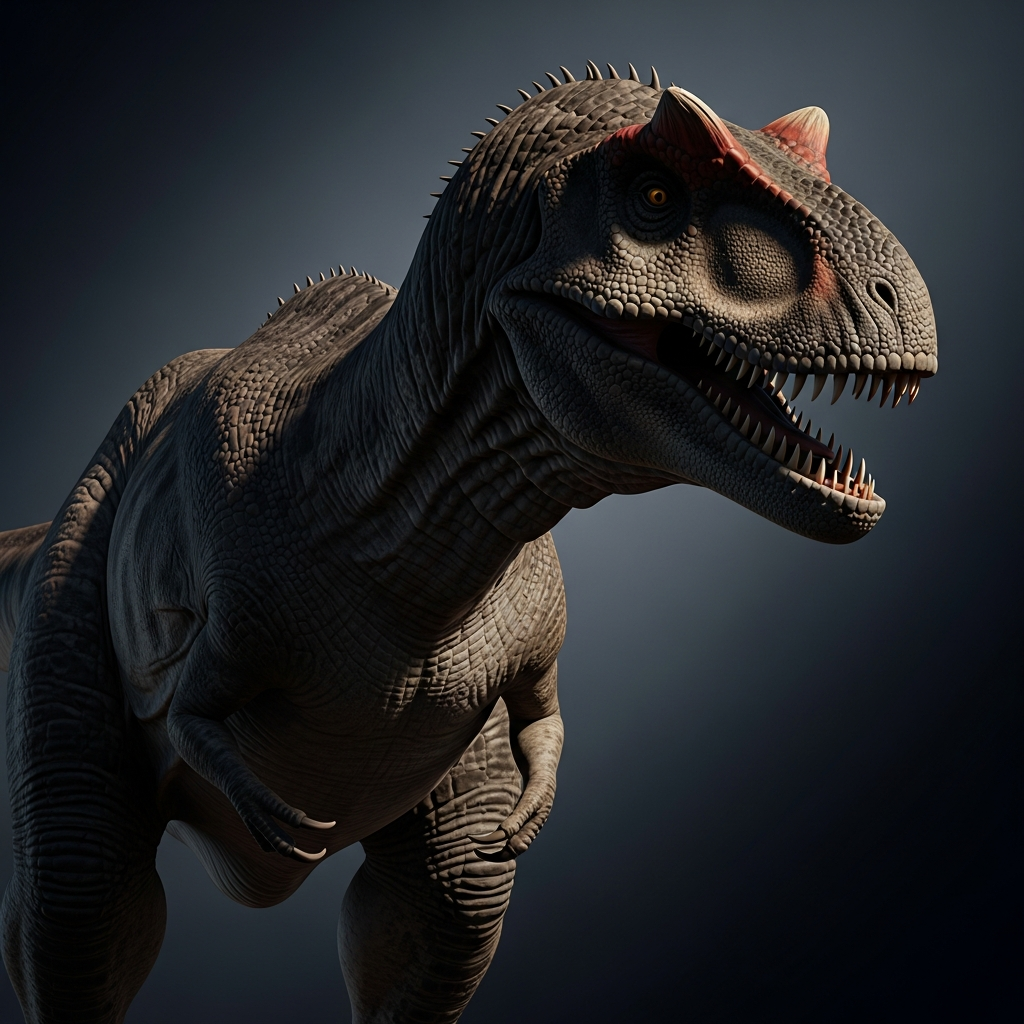
Stoneware mug, dishwasher safe
Buy Mug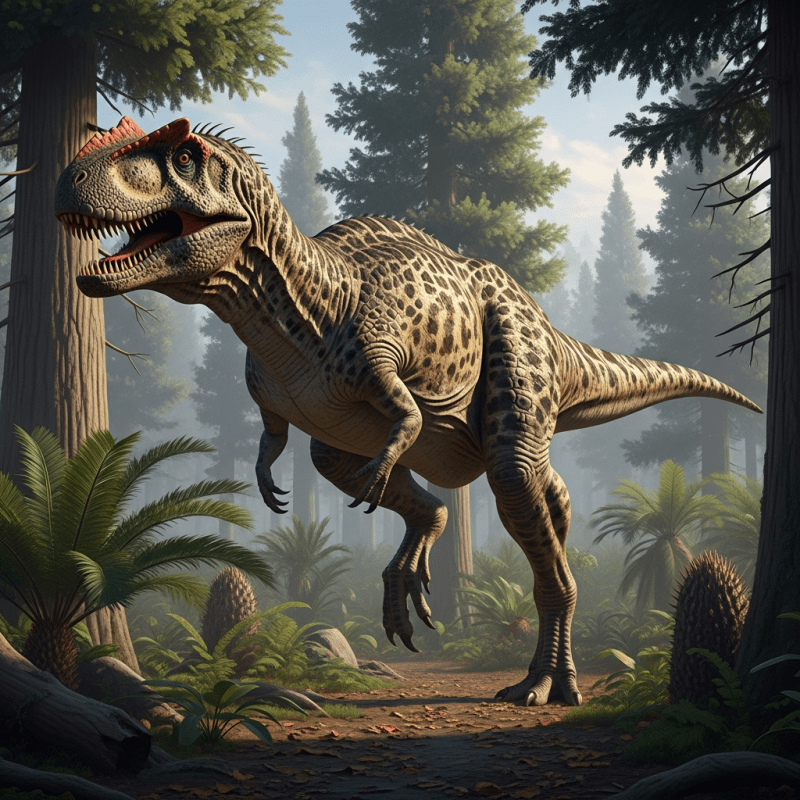
Soft cotton tee, unisex sizes
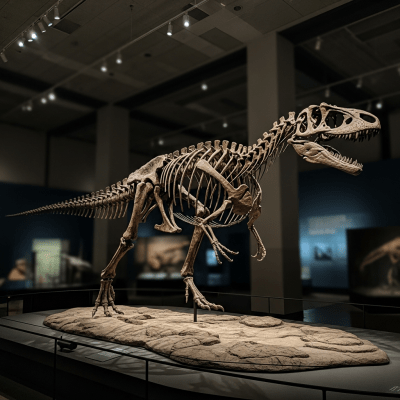
Buy ShirtAllosaurus is a mainstay in paleontological exhibits and popular media, often depicted as the quintessential Jurassic predator. Its presence in documentaries, books, and films has helped shape public fascination with dinosaurs. Museum displays featuring Allosaurus skeletons attract millions of visitors annually, and its image is frequently used in toys, educational materials, and merchandise, reinforcing its iconic status in modern culture.
Allosaurus lived during the Late Jurassic period, approximately 155 to 145 million years ago, a time when dinosaurs dominated terrestrial ecosystems.
Allosaurus fossils were first discovered in the Morrison Formation of Colorado, USA, in the late 19th century. The holotype specimen, YPM 1930, is curated at the Yale Peabody Museum. Since then, hundreds of specimens have been unearthed across North America, with significant finds in Utah and Wyoming. Notably, Allosaurus remains have also been found in Portugal, broadening its paleogeographic range. These abundant fossils have made Allosaurus one of the best-studied Jurassic theropods.
Allosaurus inhabited semi-arid floodplains and open woodlands of the Late Jurassic, thriving in regions that are now North America and Portugal. Its ecosystem included other large dinosaurs, providing ample prey and competition. The widespread fossil record suggests Allosaurus was a dominant predator in its environment, adapting to diverse habitats within its range.
As a carnivore, Allosaurus primarily hunted large herbivorous dinosaurs such as stegosaurs and sauropods. Its powerful jaws, serrated teeth, and muscular build enabled it to deliver swift, forceful bites. Some evidence suggests it may have scavenged as well, taking advantage of carcasses left by other predators or natural deaths.
Bone studies indicate Allosaurus grew rapidly, reaching adult size within about 15 years. Juveniles likely experienced high mortality rates, with survivors maturing into robust adults. The life cycle included egg-laying, hatchling stages, and progressive growth marked by changes in bone structure and limb proportions. Lifespan estimates vary, but mature individuals may have lived for two decades or more.
Allosaurus, along with other Jurassic dinosaurs, disappeared by the end of the Jurassic period, likely due to environmental changes and shifting ecosystems. The broader extinction of non-avian dinosaurs occurred much later, at the close of the Cretaceous, driven by catastrophic events such as asteroid impact and volcanic activity, which dramatically altered global climates and habitats.
Allosaurus is a cornerstone of paleontological research, providing insight into theropod anatomy, behavior, and evolution. Its abundant and well-preserved fossils have enabled detailed studies of growth, biomechanics, and predator-prey dynamics. Allosaurus serves as a reference genus for understanding Jurassic ecosystems and the evolutionary pathways of large carnivorous dinosaurs.