Edmontosaurus
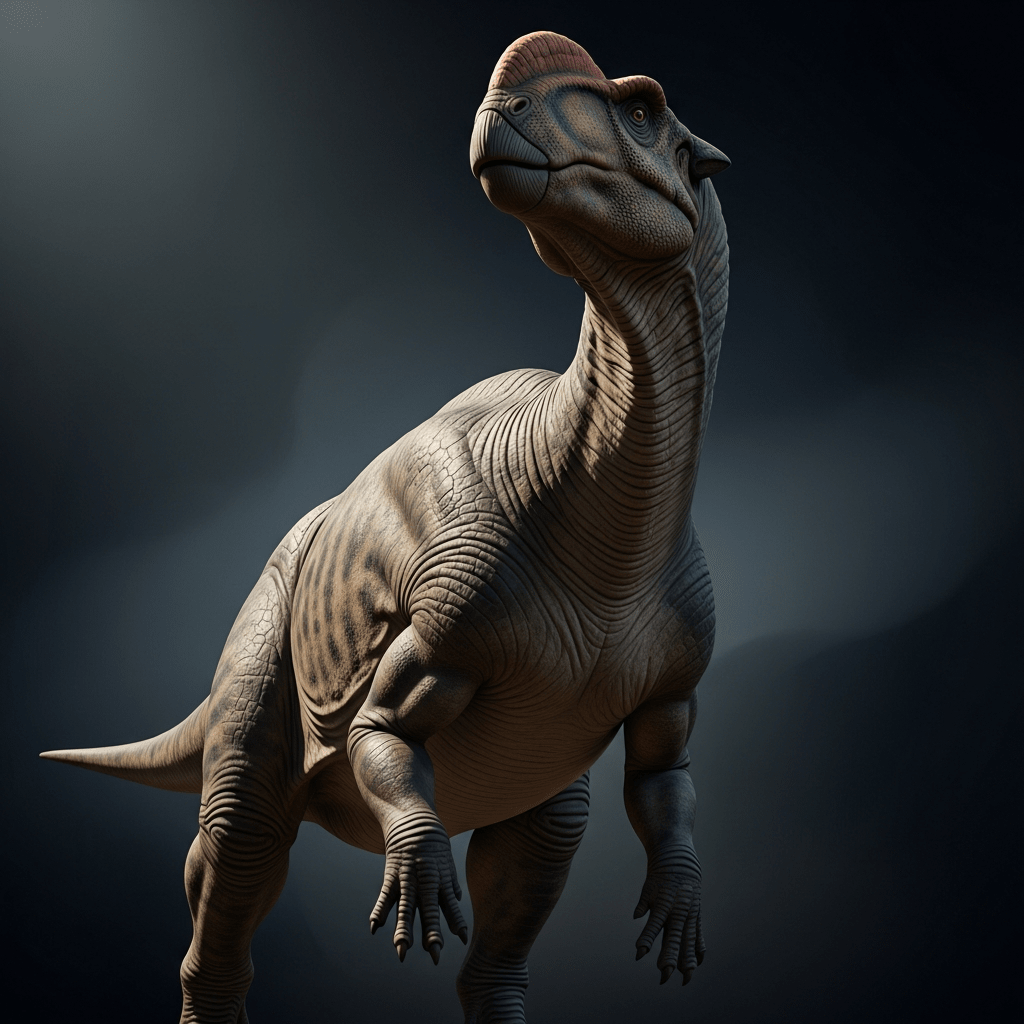
Edmontosaurus is a large, herbivorous "duck-billed" dinosaur from the Late Cretaceous of North America, renowned for its broad, flat beak and extensive fossil record.
Edmontosaurus is a large, herbivorous "duck-billed" dinosaur from the Late Cretaceous of North America, renowned for its broad, flat beak and extensive fossil record.
Edmontosaurus was first described in 1917 by Lawrence Lambe, based on fossils found in the Horseshoe Canyon Formation near Edmonton, Alberta, Canada. Its name honors the Edmonton region, where its holotype specimen, Edmontosaurus regalis, was unearthed. Since then, additional species have been identified across North America, notably E. regalis in Canada and E. annectens in the United States, reflecting its wide stratigraphic and geographic presence during the Late Cretaceous.
Belonging to the family Hadrosauridae within the order Ornithischia, Edmontosaurus is a classic example of the "duck-billed" dinosaurs. Its lineage places it firmly within the clade Dinosauria, specifically among the herbivorous ornithischians. The genus includes several species, with E. regalis and E. annectens most prominent, and is closely related to other hadrosaurs known for their advanced dental batteries and social behaviors.
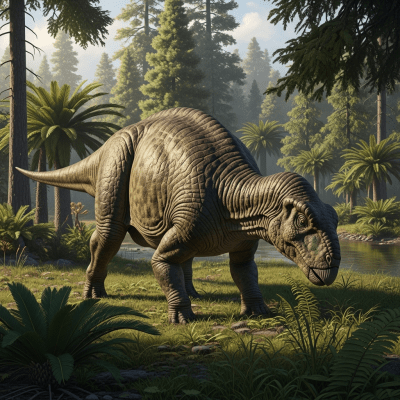
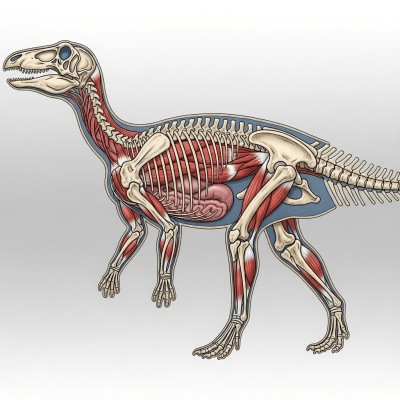
Edmontosaurus was a massive dinosaur, with adults reaching 9–12 meters in length and weighing up to 4 metric tons. Its body was robust, supported by shorter forelimbs and longer hindlimbs, allowing both quadrupedal and bipedal movement. The skull featured a wide, toothless beak ideal for cropping vegetation, and hundreds of tightly packed teeth for grinding plant matter. Fossilized skin impressions reveal a scaly texture, and some specimens hint at a soft crest atop the head. No coloration data is available, but its imposing form and distinctive beak made it instantly recognizable among Cretaceous fauna.
Edmontosaurus likely lived in large herds, exhibiting complex social behaviors that may have included coordinated movement and group defense. Its ability to walk on all fours or rear up on its hind legs provided versatility in foraging and mobility. While extinct and not directly used by humans, its fossils are invaluable for scientific research, museum displays, and educational outreach, offering a window into the life and ecology of Late Cretaceous ecosystems.
Bring this kind into your world illustrated posters, mugs, and shirts.
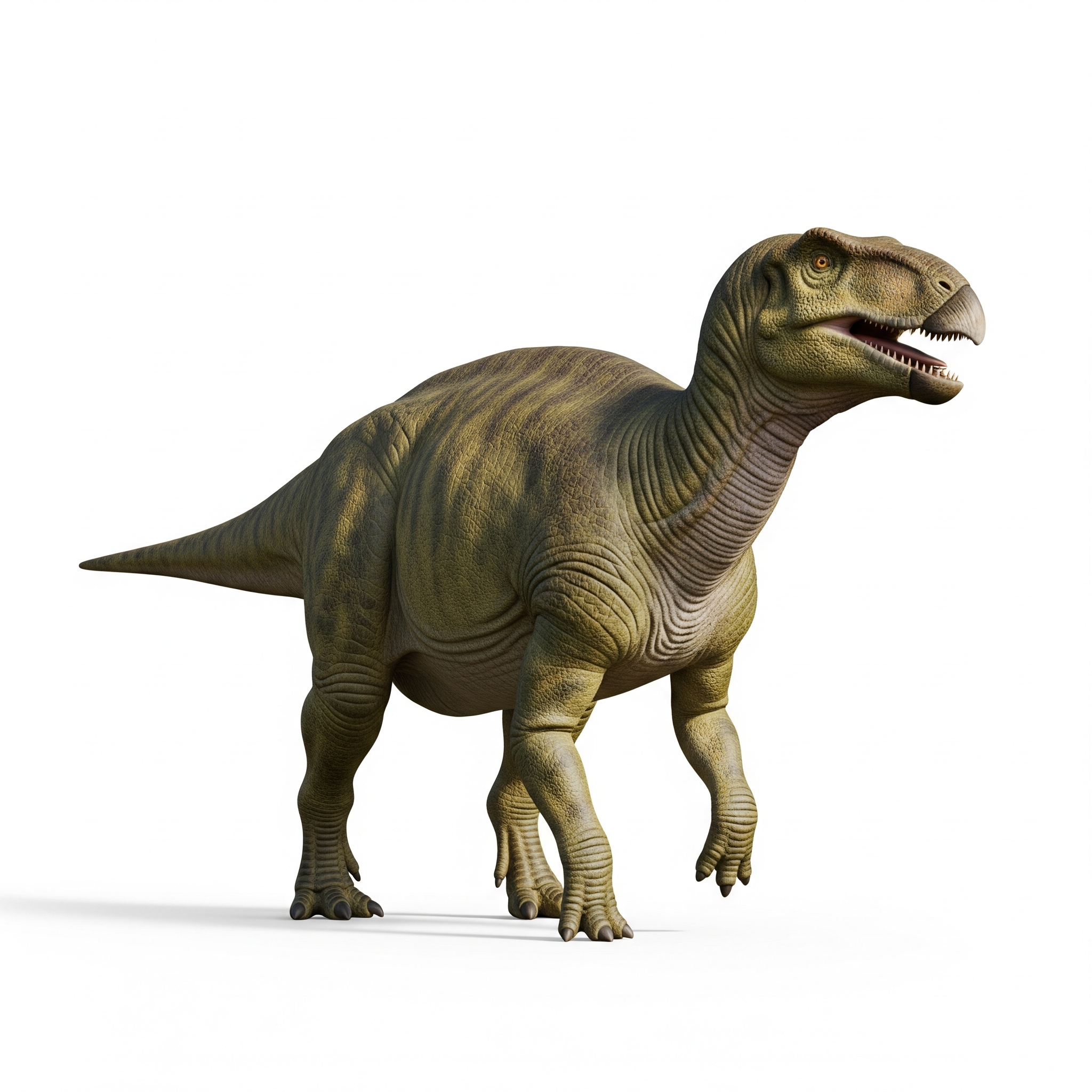
Archival print, museum-grade paper
Buy Poster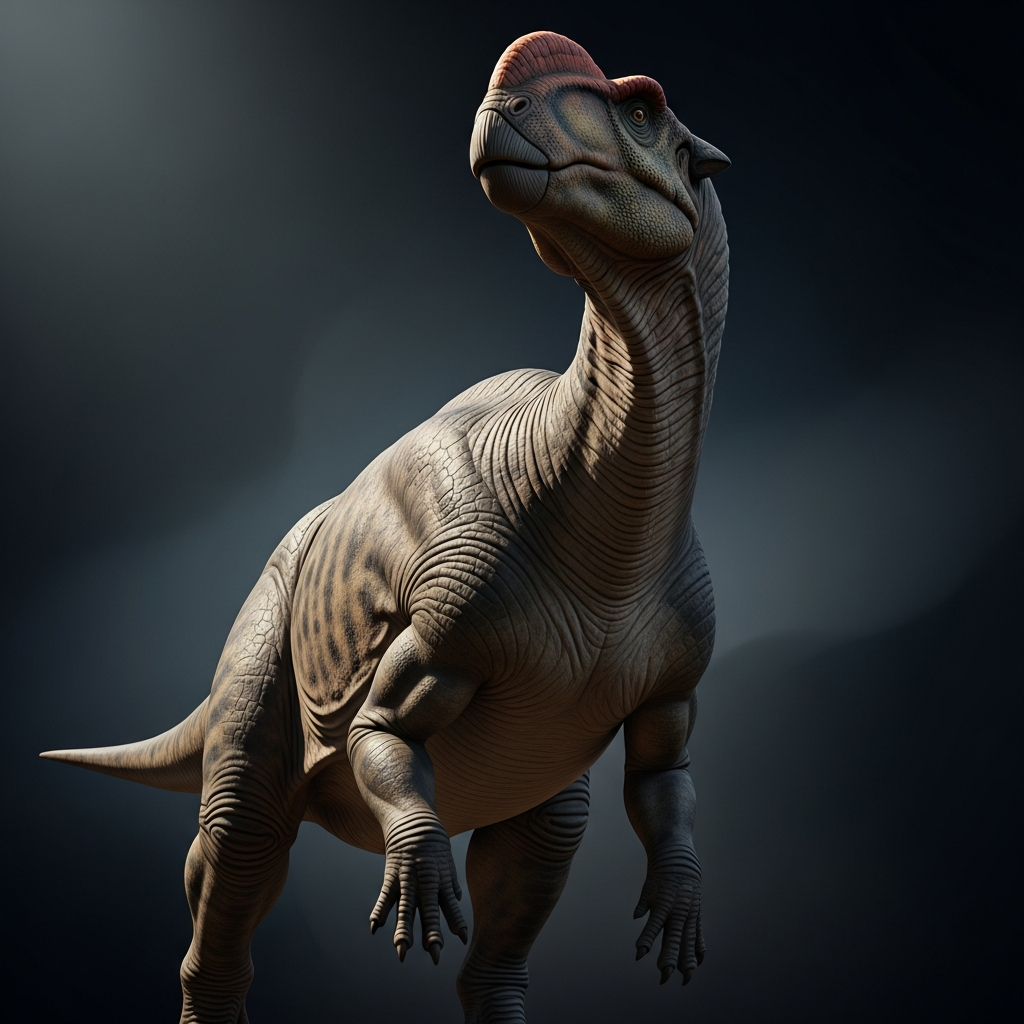
Stoneware mug, dishwasher safe
Buy Mug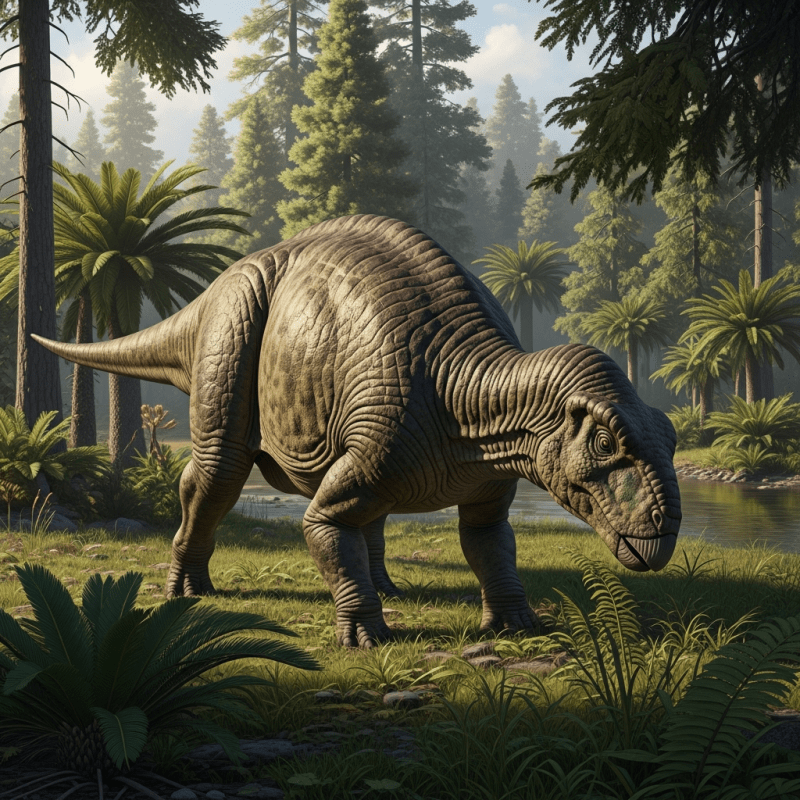
Soft cotton tee, unisex sizes
Buy ShirtEdmontosaurus holds a prominent place in paleontological exhibitions and public imagination. Its well-preserved fossils have made it a staple in museums and educational programs, where it helps illustrate the diversity and complexity of dinosaur life. Reconstructions of Edmontosaurus frequently appear in documentaries, books, and media, cementing its role as one of the most recognizable non-avian dinosaurs and a symbol of prehistoric North America.
Edmontosaurus lived during the Late Cretaceous period, approximately 73 to 66 million years ago, just before the mass extinction that ended the reign of non-avian dinosaurs.

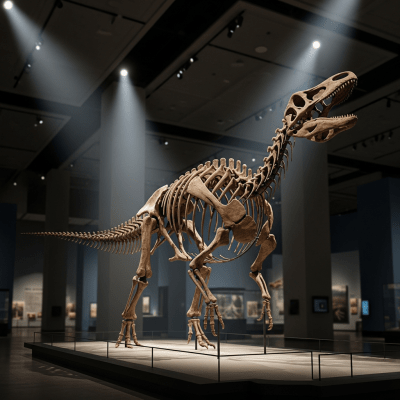
The first Edmontosaurus fossils were discovered near Edmonton, Alberta, Canada, in the Horseshoe Canyon Formation. Since its initial description in 1917, numerous specimens have been found throughout western North America, including Montana, South Dakota, and Wyoming. These discoveries include complete skeletons, skulls, and rare skin impressions, making Edmontosaurus one of the best-documented dinosaurs in the fossil record.
Edmontosaurus inhabited floodplains, river valleys, and coastal lowlands of Late Cretaceous North America. Its fossils are most commonly found in regions that were once lush, temperate environments, supporting diverse plant life and large herds of herbivorous dinosaurs. The genus is especially well-represented in Alberta, Canada, and the northern United States.
As a dedicated herbivore, Edmontosaurus used its broad, toothless beak to crop vegetation and its powerful dental batteries to grind fibrous plants. Its feeding strategy allowed it to process a wide variety of Cretaceous flora, from leaves and twigs to tougher plant material, supporting its large size and rapid growth rates.
Edmontosaurus experienced rapid growth, with evidence of seasonal growth patterns observed in bone histology. Juveniles likely grew quickly to reduce vulnerability, reaching adult sizes of up to 12 meters. The species' life cycle included complex social behaviors, possibly with herd protection for young individuals. Lifespan estimates are uncertain but suggest several decades for mature adults.
Edmontosaurus, like all non-avian dinosaurs, disappeared during the mass extinction event at the end of the Cretaceous period, around 66 million years ago. Theories for this extinction include catastrophic asteroid impact, volcanic activity, and resulting climate changes that disrupted food chains and habitats.
Edmontosaurus is a cornerstone of paleontological research, providing critical insights into dinosaur anatomy, growth, behavior, and ecology. Its abundant, well-preserved fossils have helped refine understanding of hadrosaur evolution, social dynamics, and adaptation to changing environments. Edmontosaurus remains a key reference point in studies of Late Cretaceous terrestrial ecosystems.