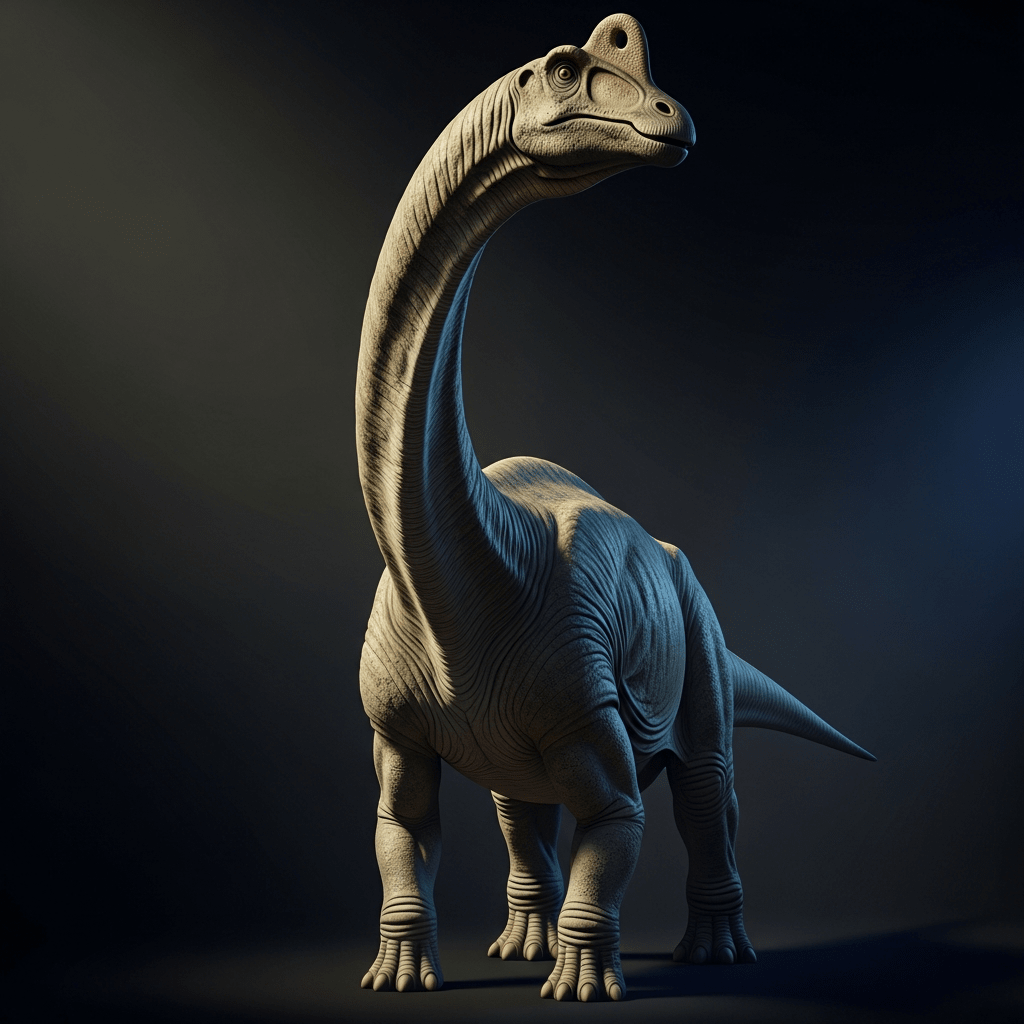
Diplodocoides
Diplodocoides is a rare and poorly understood sauropod dinosaur genus, tentatively assigned to Dinosauria and known primarily from historical mention as a possible relative of Diplodocus.
Diplodocoides is a rare and poorly understood sauropod dinosaur genus, tentatively assigned to Dinosauria and known primarily from historical mention as a possible relative of Diplodocus.
The origin of Diplodocoides is shrouded in uncertainty. Named in the early 20th century, the genus lacks a clearly documented author or year of publication, and its holotype specimen remains unidentified. Available records suggest the name was based on fragmentary sauropod remains, possibly unearthed from Late Jurassic deposits in North America or Asia. No formal description meeting the standards of the International Code of Zoological Nomenclature has been published, leaving its lineage and provenance ambiguous.
Diplodocoides is tentatively placed within the clade Dinosauria, order Saurischia, and is presumed to be a sauropod. Its classification is highly uncertain, with no established family or subfamily, and its status as a valid genus is disputed. The genus is often considered a possible synonym of Diplodocus or other diplodocid genera, reflecting the fragmentary nature of its fossil evidence and the ongoing debate in paleontological circles.
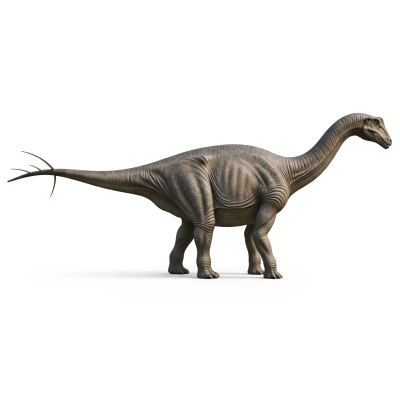
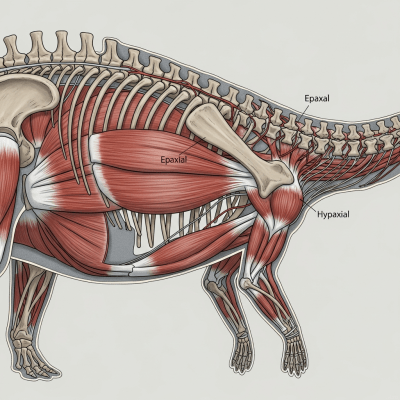
While no detailed anatomical description exists, Diplodocoides is presumed to have exhibited the classic sauropod form: a massive body, long neck and tail, and a quadrupedal stance. Its size is believed to have been large, in line with other sauropods, but no specific measurements or distinctive features have been documented. The absence of well-preserved fossils means that coloration, skin texture, and unique anatomical traits remain unknown.
Due to the lack of comprehensive fossil material, little can be said about the behavior of Diplodocoides. It is presumed to have been a herbivore, feeding on vegetation much like other sauropods. There is no evidence of social structure, migratory habits, or interaction with its environment beyond basic ecological assumptions. Diplodocoides has no direct utility or interaction with humans outside of its limited role in paleontological research and education.
Bring this kind into your world illustrated posters, mugs, and shirts.
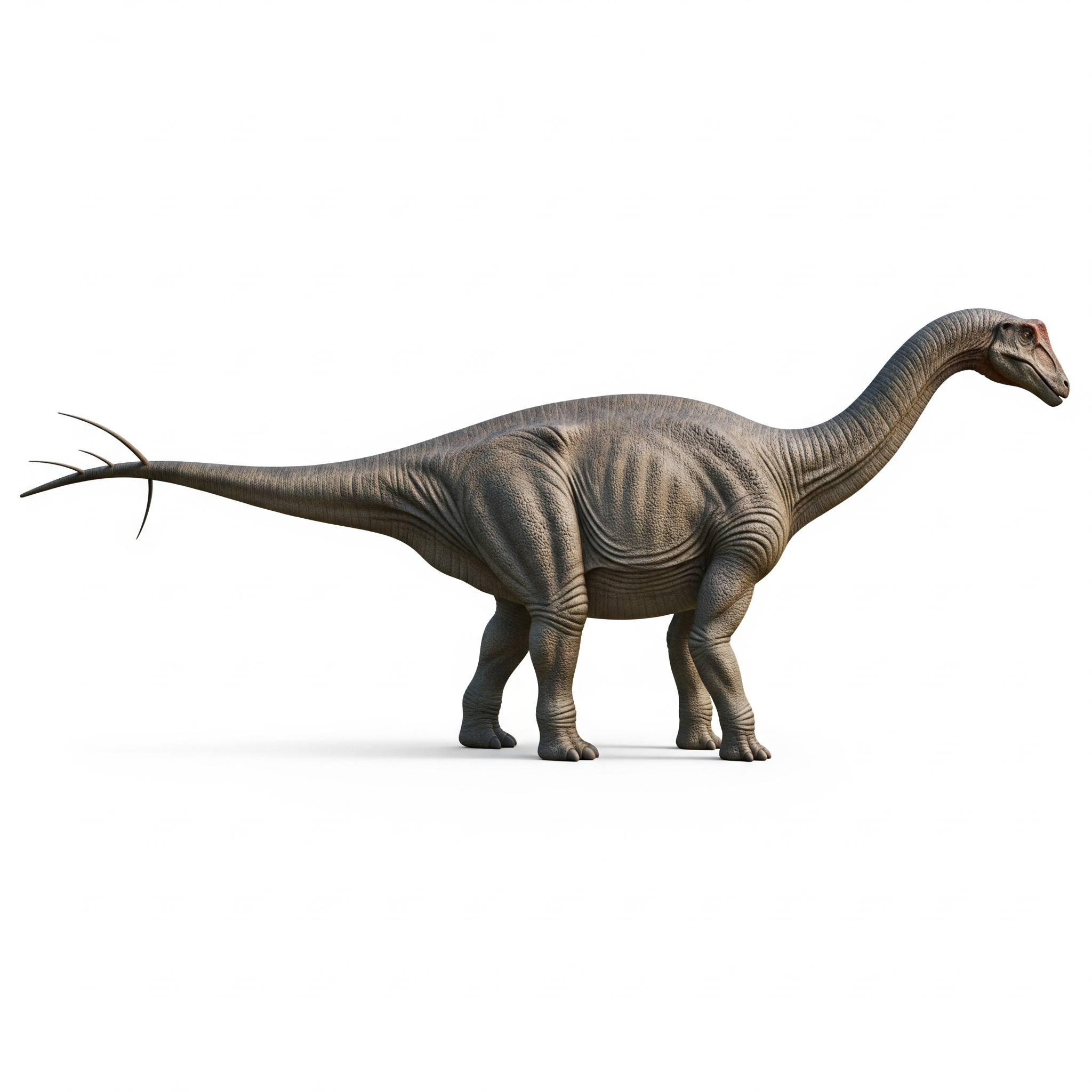
Archival print, museum-grade paper
Buy Poster
Stoneware mug, dishwasher safe
Buy Mug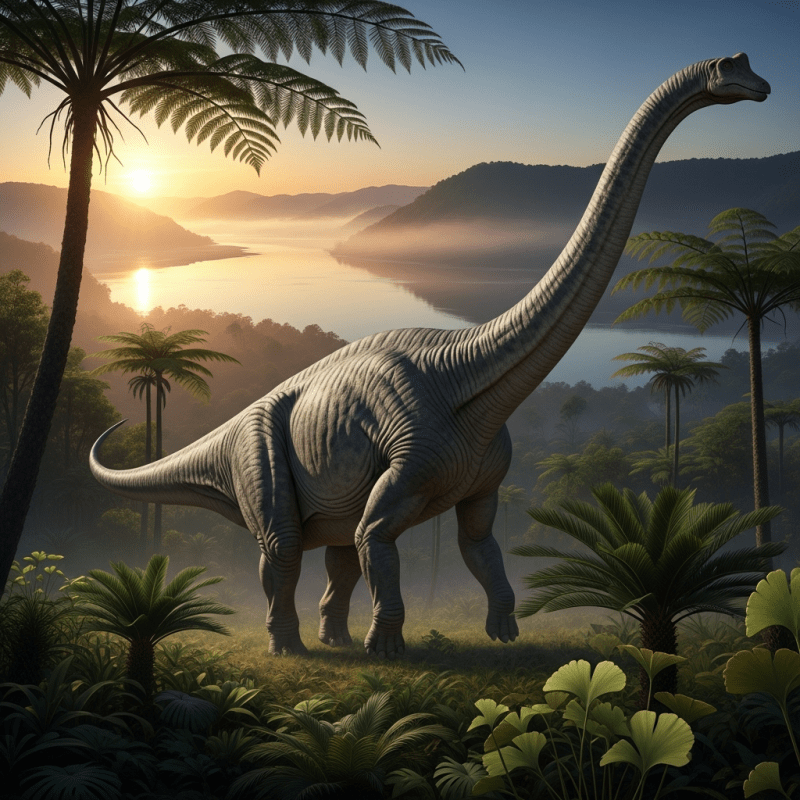
Soft cotton tee, unisex sizes
Buy ShirtDiplodocoides holds minimal cultural significance, largely due to its rarity and uncertain validity. Unlike more famous dinosaurs, it does not appear in popular media, literature, or museum exhibits. Its primary presence is in scientific databases and paleontological discussions, where it is referenced as a possible sauropod genus with unresolved classification.
Diplodocoides is believed to have lived during the Late Jurassic, a period renowned for the proliferation of large sauropod dinosaurs across various continents.
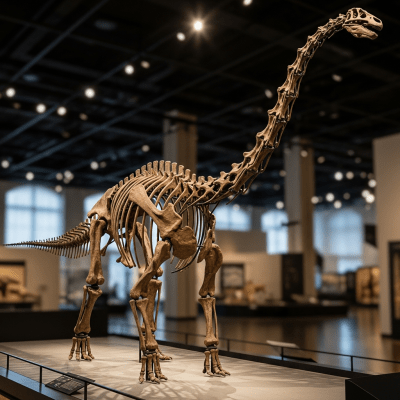
The fossil record for Diplodocoides is extremely sparse. The genus was named based on fragmentary remains, but no formal holotype specimen has been identified or described in detail. Major paleontological databases list Diplodocoides with limited references, and there are no confirmed museum specimens or well-documented fossil discoveries associated with the genus.
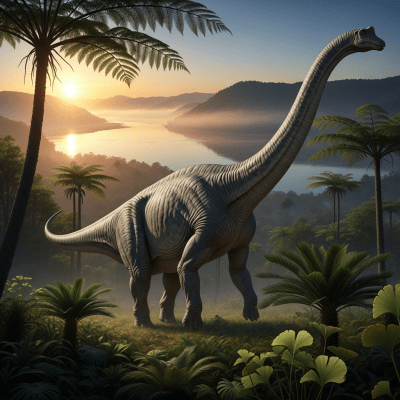
Diplodocoides is tentatively associated with Late Jurassic environments, possibly inhabiting regions in North America or Asia. Like other sauropods, it would have thrived in lush, vegetated landscapes, though its precise habitat and distribution remain speculative due to the lack of definitive fossil evidence.
Diplodocoides is presumed to have been a herbivore, feeding on a variety of plant materials. Its long neck would have enabled it to browse vegetation both high and low, similar to other sauropods, though specific dietary habits cannot be confirmed from existing evidence.
No direct information exists regarding the growth, development, or lifespan of Diplodocoides. It likely followed the general sauropod pattern of rapid juvenile growth, reaching large adult sizes, but all details of its ontogeny and life history remain unknown due to the absence of comprehensive fossil material.
As with other non-avian dinosaurs, Diplodocoides would have disappeared during the mass extinction event at the end of the Cretaceous period, approximately 66 million years ago. The specific circumstances of its extinction are unknown, but it would have been affected by the same global environmental upheavals that ended the reign of the dinosaurs.
Diplodocoides serves as a cautionary example in paleontology, illustrating the challenges of classifying genera based on limited and fragmentary fossil evidence. Its disputed status highlights the importance of rigorous standards for naming and describing new taxa, and the ongoing need for careful revision and review in dinosaur research.