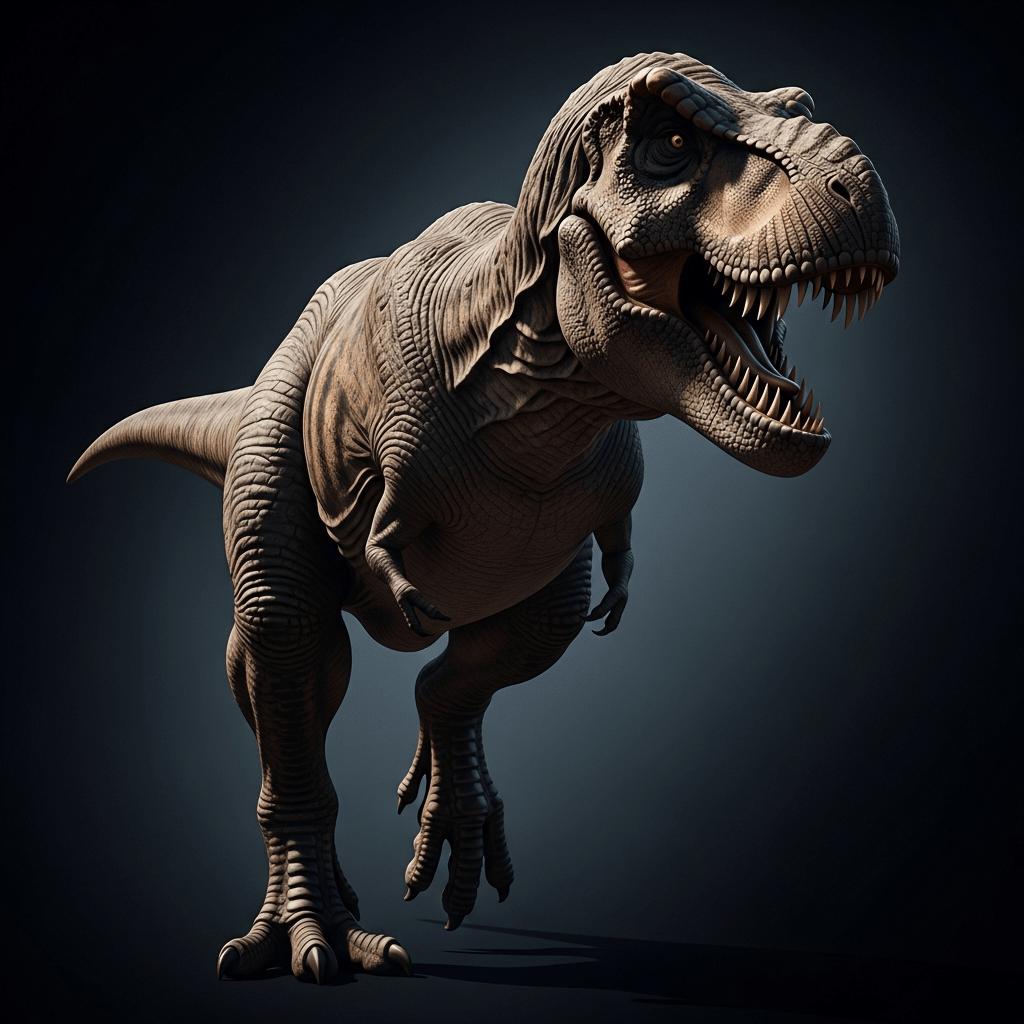
Tyrannosaurus
Tyrannosaurus rex is the most famous and formidable theropod dinosaur, celebrated for its immense size, bone-crushing jaws, and reign as apex predator in Late Cretaceous North America.
Tyrannosaurus rex is the most famous and formidable theropod dinosaur, celebrated for its immense size, bone-crushing jaws, and reign as apex predator in Late Cretaceous North America.
The story of Tyrannosaurus rex begins in the Hell Creek Formation of Montana, where its first partial skeleton was unearthed by Barnum Brown in 1902. Formally named by Henry Fairfield Osborn in 1905, the holotype specimen (AMNH 5027) resides at the American Museum of Natural History. T. rex evolved from earlier tyrannosauroids, tracing its lineage through Jurassic and Early Cretaceous ancestors in Asia and North America, ultimately becoming the largest and most iconic member of its family.
Tyrannosaurus rex belongs to the clade Dinosauria, order Saurischia, suborder Theropoda, and family Tyrannosauridae. This places it among the large, bipedal carnivores that dominated terrestrial ecosystems in the Late Cretaceous. Its closest relatives include Tarbosaurus and Albertosaurus, all united by shared anatomical traits and evolutionary heritage within theropod dinosaurs.
Tyrannosaurus rex was a colossal biped, stretching up to 12.3 meters (40 feet) in length and towering 4 meters at the hips. Its skull, robust and over 1.5 meters long, housed massive, serrated teeth up to 30 cm designed for crushing bone. The forelimbs were famously diminutive, sporting only two functional digits, while its muscular hindlimbs powered swift movement. T. rex’s senses were highly developed, with binocular vision and an acute sense of smell. Skin texture remains unknown, though reconstructions range from muted earth tones to speculative patterns.
As the apex predator of its ecosystem, Tyrannosaurus rex likely hunted large herbivores, using its strength and keen senses to track and overpower prey. While its social behavior is debated, most evidence suggests it was solitary or loosely social. Today, T. rex’s fossils serve as cornerstones in scientific research, educational displays, and museum exhibitions, captivating audiences worldwide and fueling ongoing discoveries about dinosaur life.
Bring this kind into your world illustrated posters, mugs, and shirts.
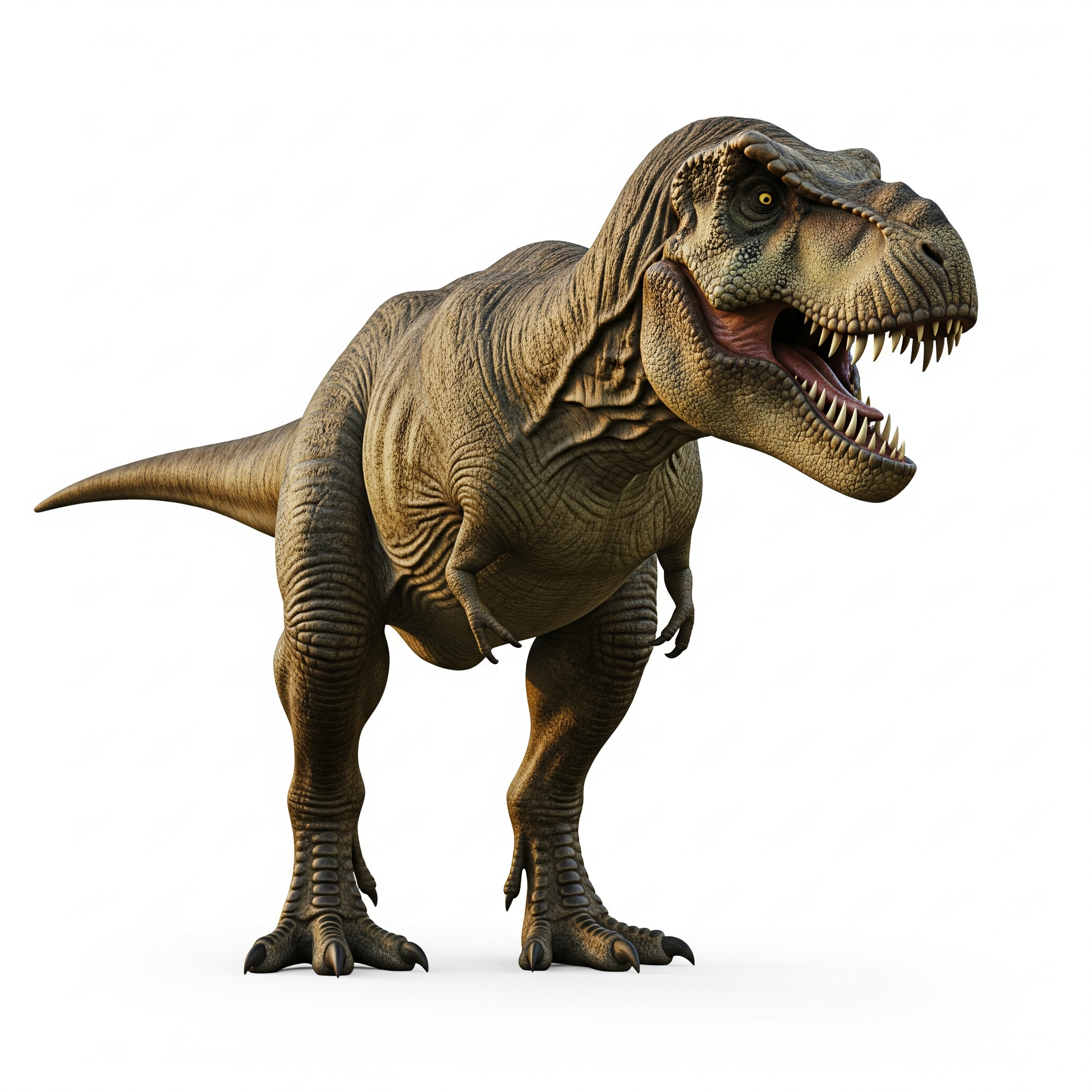
Archival print, museum-grade paper
Buy Poster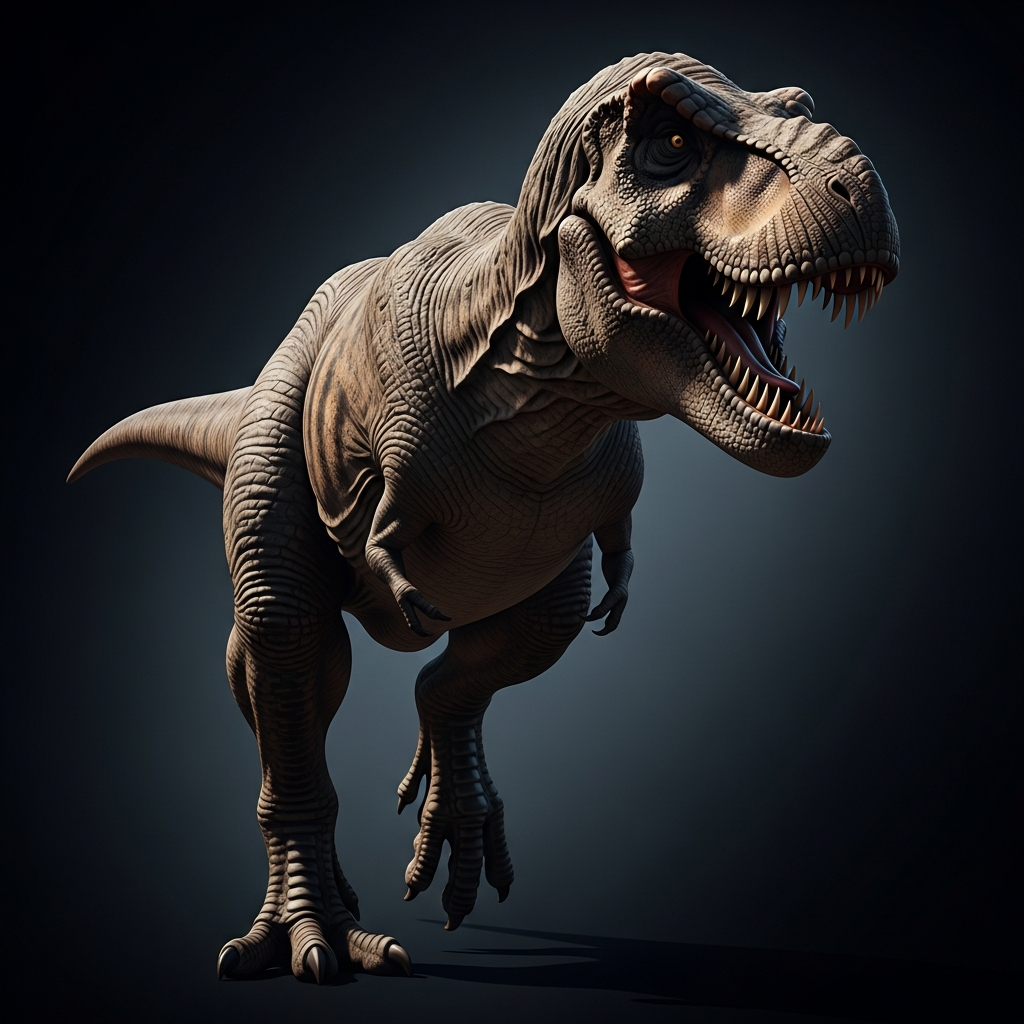
Stoneware mug, dishwasher safe
Buy Mug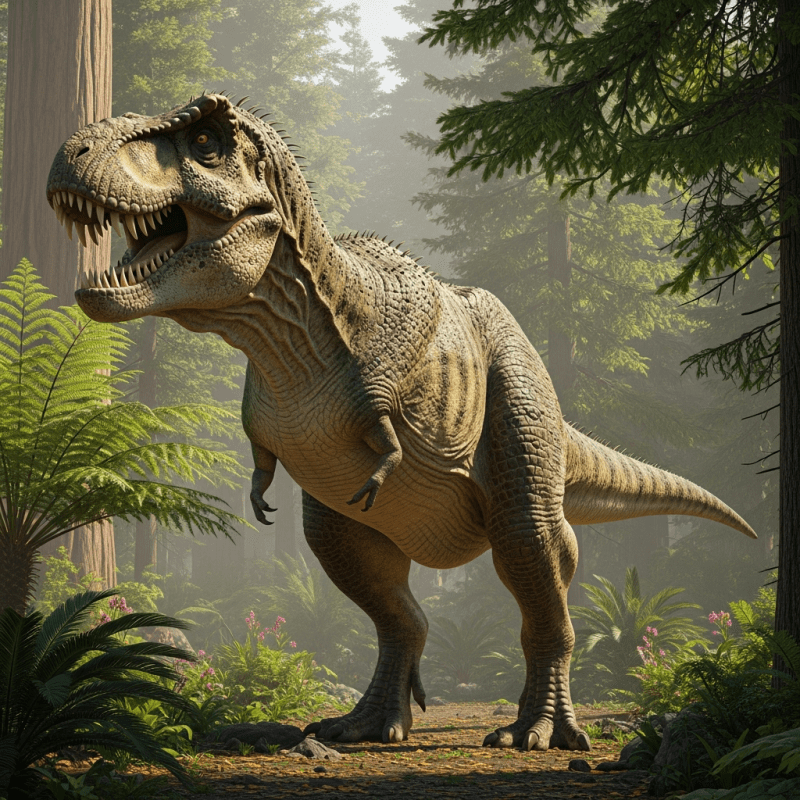
Soft cotton tee, unisex sizes
Buy ShirtTyrannosaurus rex stands as a symbol of prehistoric power and mystery, dominating films, literature, and museum halls. Its likeness appears in countless movies, documentaries, and merchandise, making it the quintessential dinosaur in popular imagination. T. rex’s enduring presence in education and entertainment has shaped our collective understanding of dinosaurs and continues to inspire fascination across generations.
Tyrannosaurus rex lived during the Late Cretaceous period, approximately 68 to 66 million years ago, just before the mass extinction that ended the age of dinosaurs.

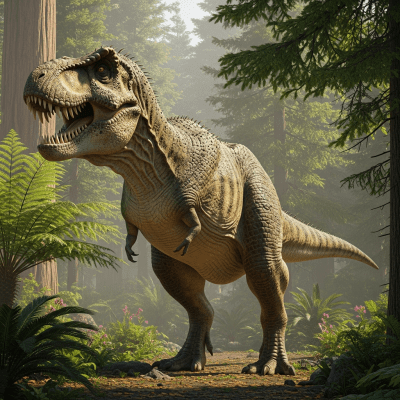
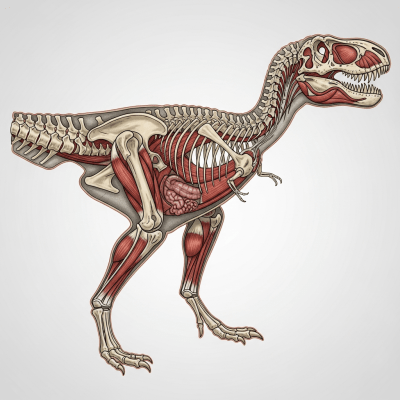
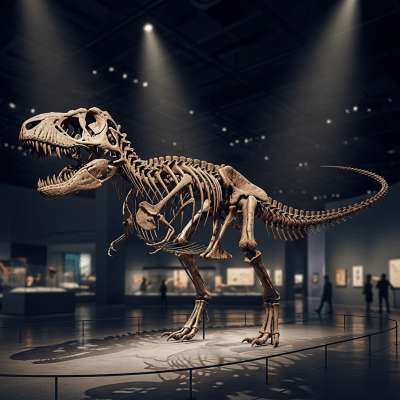
The first T. rex fossils were discovered in 1902 in Montana’s Hell Creek Formation. Since then, numerous specimens have been unearthed in North America, particularly in the Hell Creek, Lance, and Scollard formations. The holotype, AMNH 5027, is housed at the American Museum of Natural History. T. rex’s extensive fossil record, including nearly complete skeletons and skulls, has made it one of the best-studied dinosaurs in paleontology.
Tyrannosaurus rex inhabited floodplains and subtropical environments in what is now western North America. Its fossils are concentrated in regions such as Montana, South Dakota, Wyoming, Colorado, and Alberta, Canada, indicating a wide distribution across ancient river valleys and forests during the Late Cretaceous.
T. rex was a carnivore, equipped with powerful jaws and serrated teeth ideal for hunting and consuming large prey. Its bone-crushing bite allowed it to feed on both flesh and bone, and it may have scavenged as well as hunted, making it a versatile predator in its ecosystem.
Juvenile Tyrannosaurus rex grew rapidly, reaching adult size in about 20 years. Growth studies suggest a period of accelerated development during adolescence, followed by slower growth as adults. While lifespan estimates vary, mature individuals likely lived for several decades. Details of reproduction and nesting remain largely speculative due to limited fossil evidence.
Tyrannosaurus rex, along with all non-avian dinosaurs, vanished during the mass extinction event at the end of the Cretaceous, around 66 million years ago. The leading theory attributes this extinction to a catastrophic asteroid impact, which triggered global climate changes, disrupted food chains, and led to the demise of the dinosaurs.
Tyrannosaurus rex is a cornerstone of paleontological research, offering insights into dinosaur anatomy, evolution, and behavior. Its well-preserved fossils have helped scientists understand growth rates, biomechanics, and predator-prey dynamics. T. rex also plays a vital role in evolutionary studies, illustrating the diversity and adaptability of theropod dinosaurs.