Iguanodon
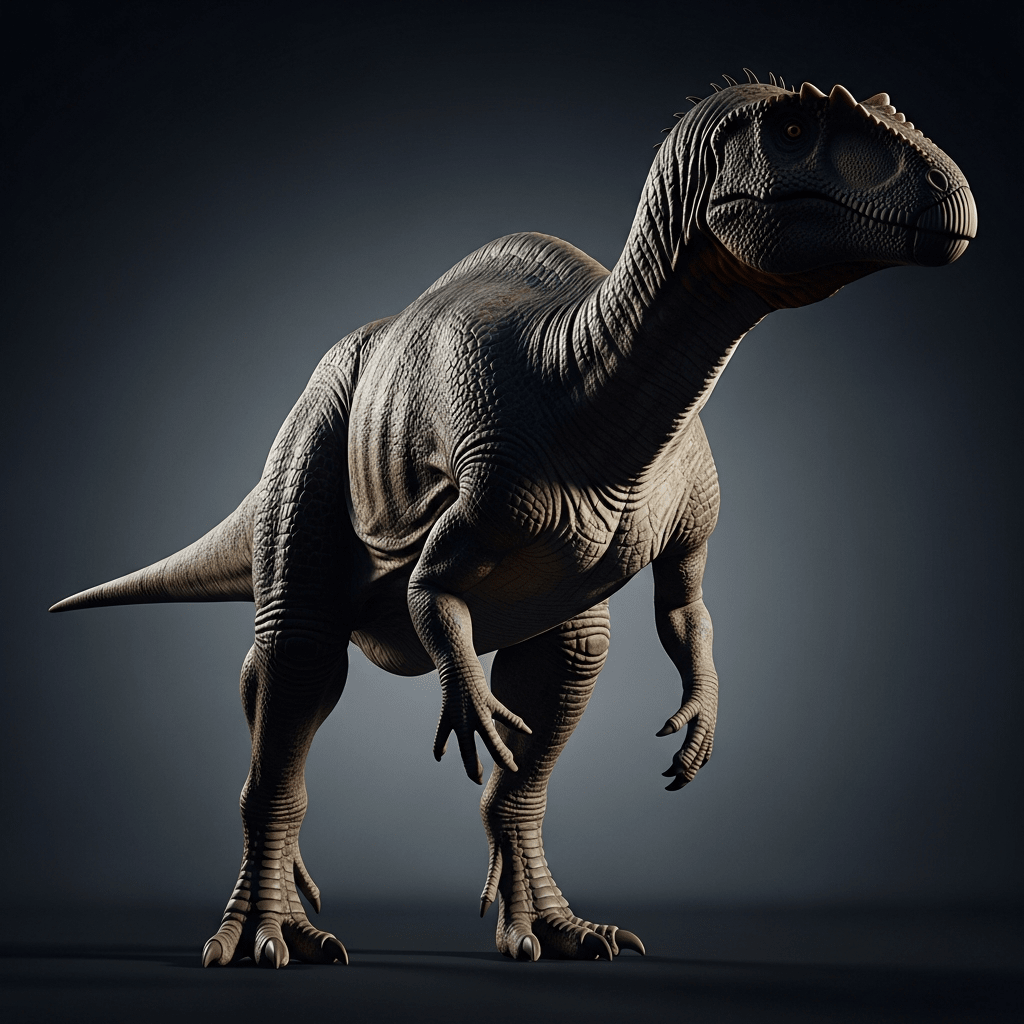
Iguanodon is a large, herbivorous dinosaur from the Early Cretaceous, instantly recognized by its robust build and iconic thumb spikes.
Iguanodon is a large, herbivorous dinosaur from the Early Cretaceous, instantly recognized by its robust build and iconic thumb spikes.
Iguanodon was first unearthed in 1822 in Sussex, England by Mary Ann Mantell, with its formal scientific description published by Gideon Mantell in 1825. The earliest remains were fragmentary, but the discovery of more complete fossils in Bernissart, Belgium, established Iguanodon bernissartensis as the type species. Its origins trace back to the lush landscapes of Early Cretaceous Europe, making it one of the earliest dinosaurs to be scientifically recognized and a cornerstone of paleontological history.
Iguanodon belongs to the clade Ornithopoda within the order Ornithischia, a major branch of Dinosauria. This group is characterized by herbivorous diets and bird-like pelvic structures. Iguanodon is closely related to other basal ornithopods and is considered a precursor to the duck-billed hadrosaurids, bridging evolutionary gaps within the dinosaur lineage.
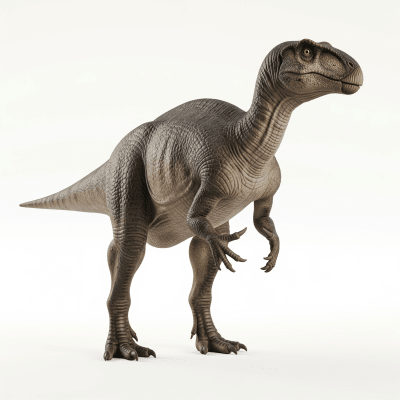
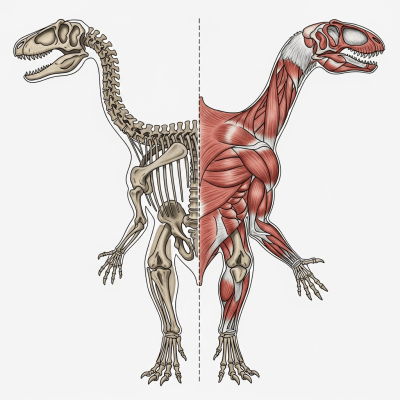
With a length of 10–13 meters and weighing up to 5 metric tons, Iguanodon was a formidable presence. Its body was built for strength, featuring a beaked mouth packed with dental batteries for grinding tough plants. The most striking feature is its conical thumb spike, likely used for defense or foraging. Iguanodon could walk both on two legs and on all fours, with robust forelimbs and powerful hindlimbs. Skin impressions suggest a scaly texture, though its coloration remains a mystery.
Iguanodon was primarily a bipedal herbivore but could shift to quadrupedal movement when needed. Its thumb spike may have served as a deterrent against predators or as a tool for accessing food. While it has no direct utility to humans, Iguanodon fossils are invaluable for scientific research, education, and museum displays, helping to illuminate the ecology and behavior of Early Cretaceous dinosaurs.
Bring this kind into your world illustrated posters, mugs, and shirts.
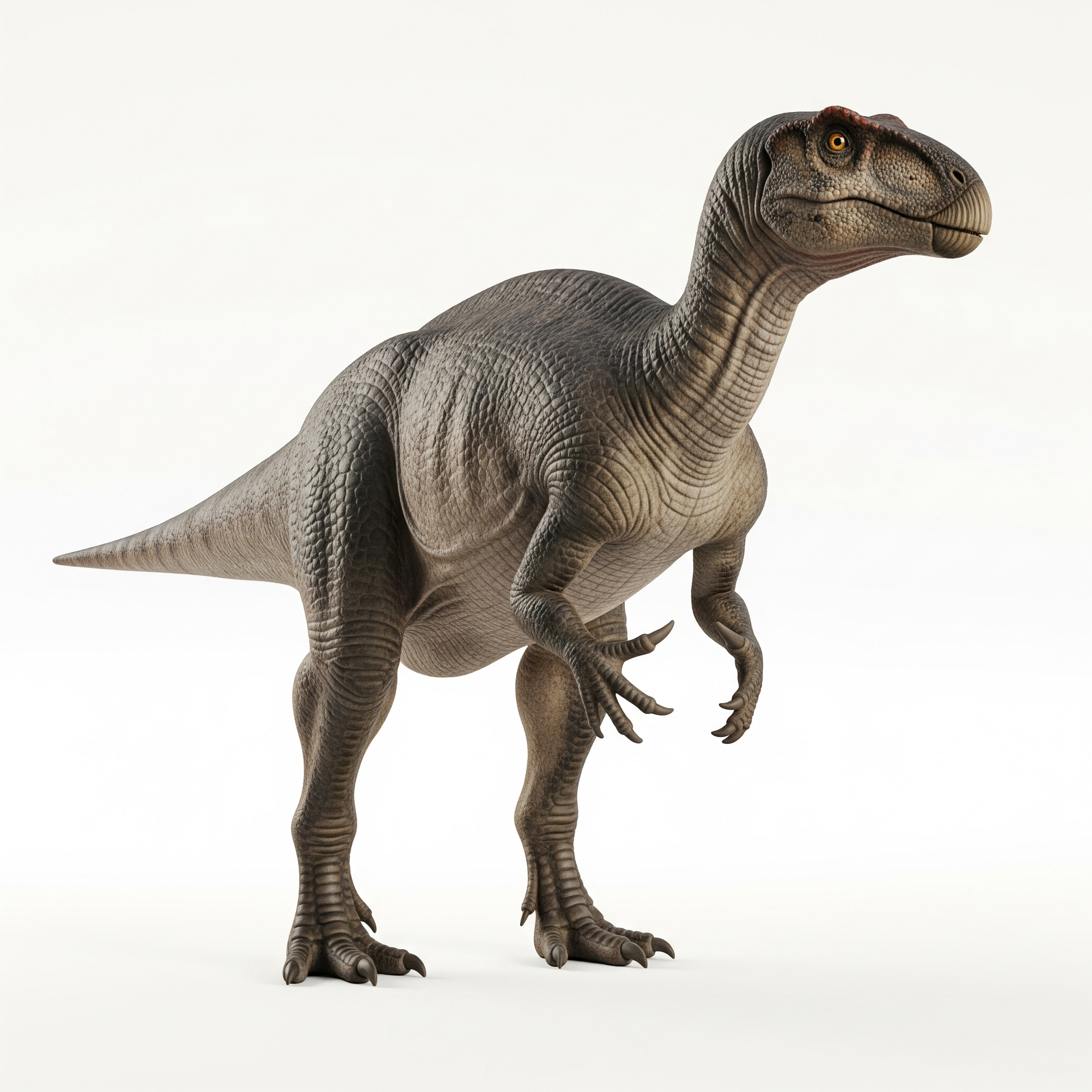
Archival print, museum-grade paper
Buy Poster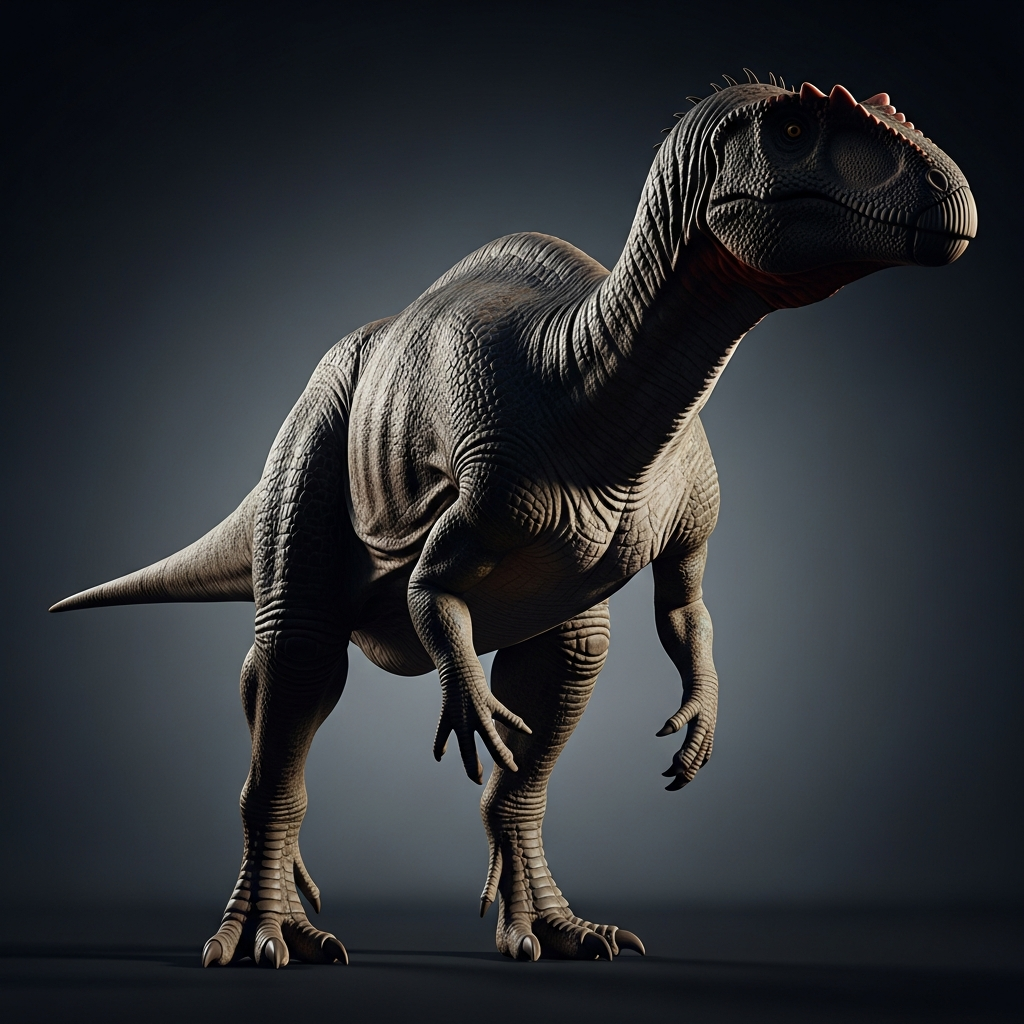
Stoneware mug, dishwasher safe
Buy Mug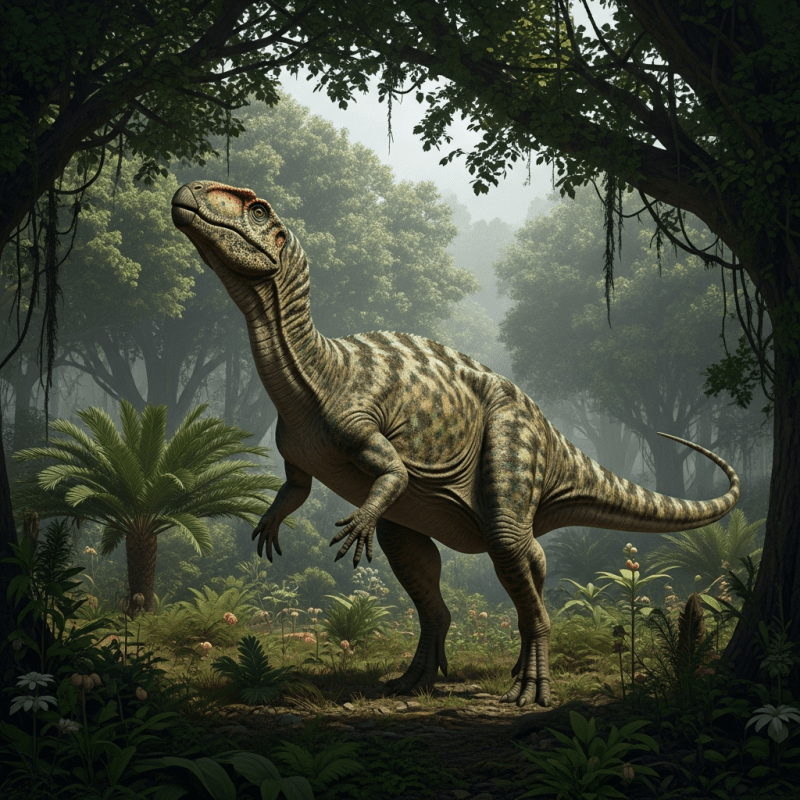
Soft cotton tee, unisex sizes
Buy ShirtIguanodon holds a special place in the public imagination as one of the first dinosaurs ever described. It is a staple of museum exhibits and frequently appears in literature, documentaries, and educational materials. Its recognizable thumb spike and historic discovery have made it an enduring symbol of prehistoric life, inspiring generations to explore the mysteries of Earth’s distant past.
Iguanodon lived during the Early Cretaceous period, approximately 126–113 million years ago, a time when dinosaurs flourished in diverse environments across Europe and North Africa.
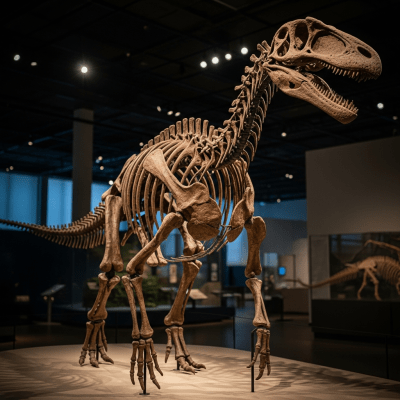
The first Iguanodon fossils were discovered in Sussex, England in 1822, marking a milestone in paleontology. Later, spectacular finds in Bernissart, Belgium revealed dozens of nearly complete skeletons, allowing scientists to reconstruct its anatomy and lifestyle. Additional remains have been found in Germany, Spain, and North Africa, making Iguanodon one of the best-known dinosaurs from the Early Cretaceous.
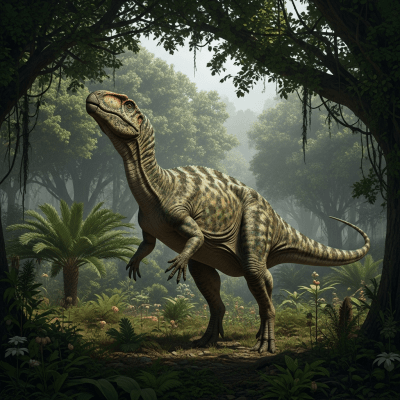
Iguanodon inhabited lush floodplains and forested regions of what is now Europe and North Africa. Its fossils have been unearthed in Belgium, England, Germany, Spain, and fragmentarily in North Africa, suggesting a wide distribution across temperate Cretaceous landscapes.
As a dedicated herbivore, Iguanodon fed on tough, fibrous plants. Its beaked mouth and tightly packed dental batteries enabled it to efficiently grind vegetation, making it well-adapted to the flora of Early Cretaceous environments.
Iguanodon exhibited relatively rapid growth compared to earlier ornithopods, reaching adult size within a few years. Juveniles likely experienced significant changes in posture and limb proportions as they matured, transitioning from more bipedal to increasingly quadrupedal movement with age.
Iguanodon, like many other non-avian dinosaurs, disappeared by the end of the Cretaceous. While the exact cause for its extinction is debated, broader patterns point to dramatic environmental changes, including climate shifts and possible asteroid impacts, that ended the reign of dinosaurs around 66 million years ago.
Iguanodon is a cornerstone of paleontology, providing crucial insights into dinosaur evolution, anatomy, and behavior. Its well-preserved fossils have helped scientists understand the transition from primitive ornithopods to more advanced forms and have shaped the development of dinosaur classification and research methods.