Euoplocephalus
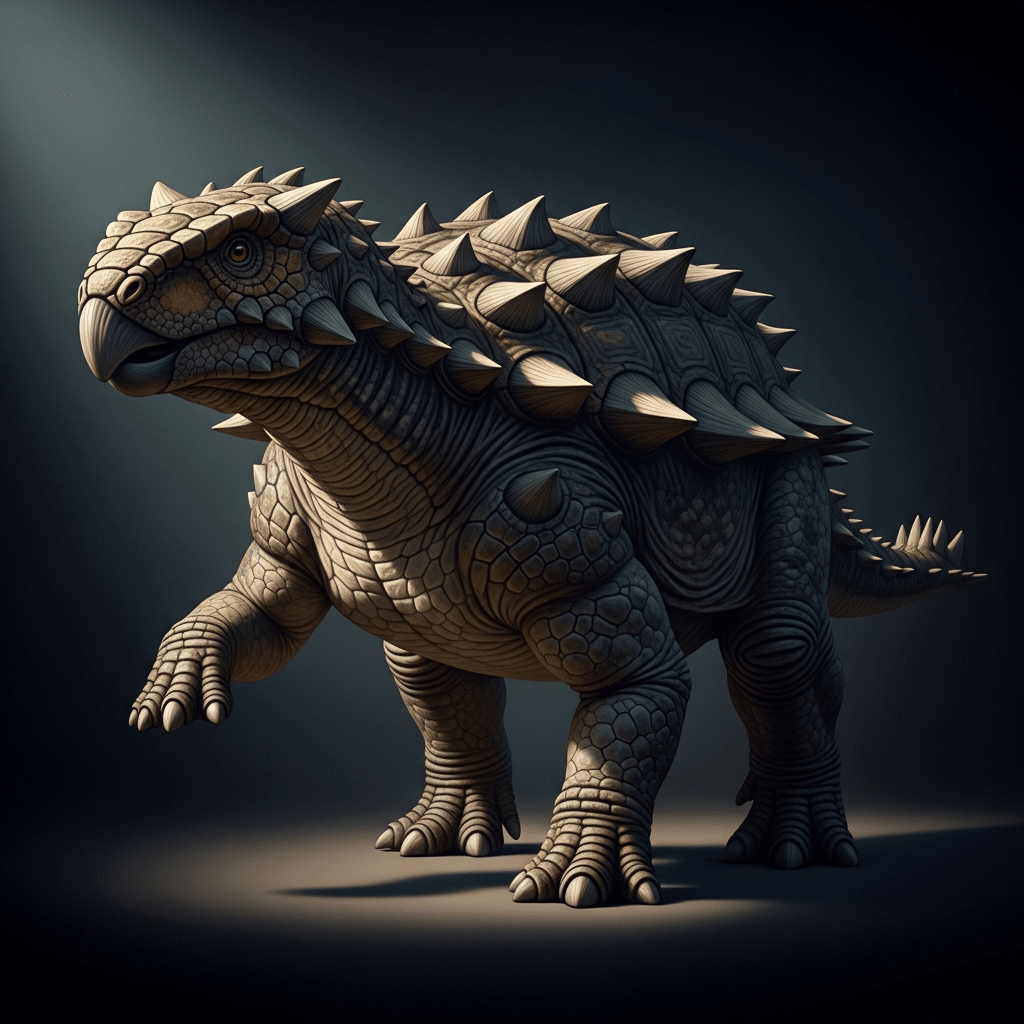
Euoplocephalus is a large, heavily armored ankylosaurid dinosaur from the Late Cretaceous of North America, renowned for its formidable body armor and iconic bony tail club.
Euoplocephalus is a large, heavily armored ankylosaurid dinosaur from the Late Cretaceous of North America, renowned for its formidable body armor and iconic bony tail club.
Euoplocephalus was first described in 1910 by Canadian paleontologist Lawrence M. Lambe, based on fossils unearthed in Alberta, Canada. The holotype specimen, CMN 0210, was found in the Dinosaur Park Formation, dating to the Campanian stage of the Late Cretaceous—approximately 76 to 70 million years ago. Its name, meaning "well-armored head," reflects its distinctive cranial protection and robust defensive adaptations.
Euoplocephalus belongs to the clade Dinosauria, order Ornithischia, suborder Ankylosauria, and family Ankylosauridae. As an ankylosaurid, it is part of a group of herbivorous dinosaurs characterized by extensive body armor and specialized defensive features, including a tail club. This places Euoplocephalus among the most iconic armored dinosaurs of the Mesozoic Era.
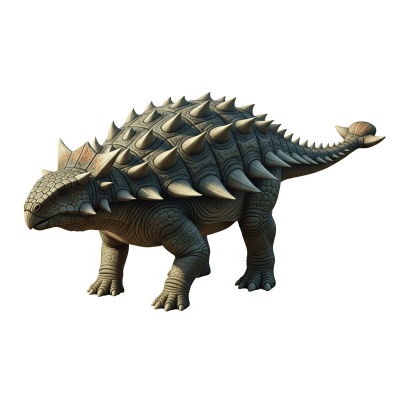
Euoplocephalus was a massive, quadrupedal dinosaur measuring up to 7 meters in length and weighing as much as 2.5 metric tons. Its body was enveloped in bony osteoderms—large, fused plates and smaller nodules—creating a nearly impenetrable shield. The skull was broad and low, with a beaked mouth suited for cropping vegetation. Its tail ended in a distinctive bony club, and the limbs were short, powerful, and robust, supporting its armored bulk. While its skin texture is unknown, reconstructions often depict a mottled, earthy coloration reminiscent of modern reptiles.
Euoplocephalus is thought to have been a solitary or loosely social herbivore. Its heavy armor and tail club served as defense against predators and possibly in contests with other ankylosaurs. Due to its massive build, it likely moved slowly and relied on passive protection rather than speed or agility. Fossil evidence suggests slow growth rates and a long lifespan. Today, its fossils are highly valued for scientific study and are prominently displayed in museums, captivating public interest and fueling educational outreach.
Bring this kind into your world illustrated posters, mugs, and shirts.
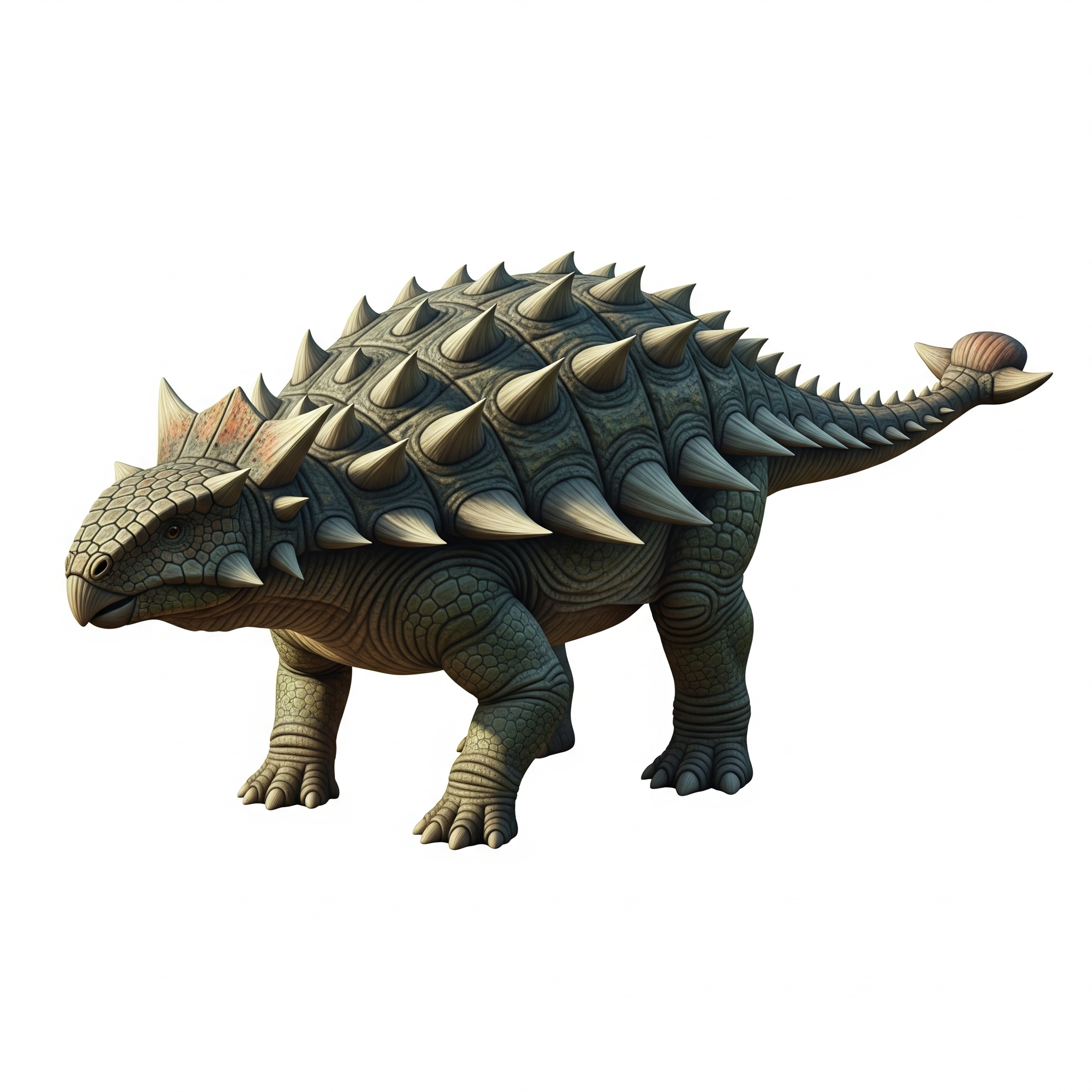
Archival print, museum-grade paper
Buy Poster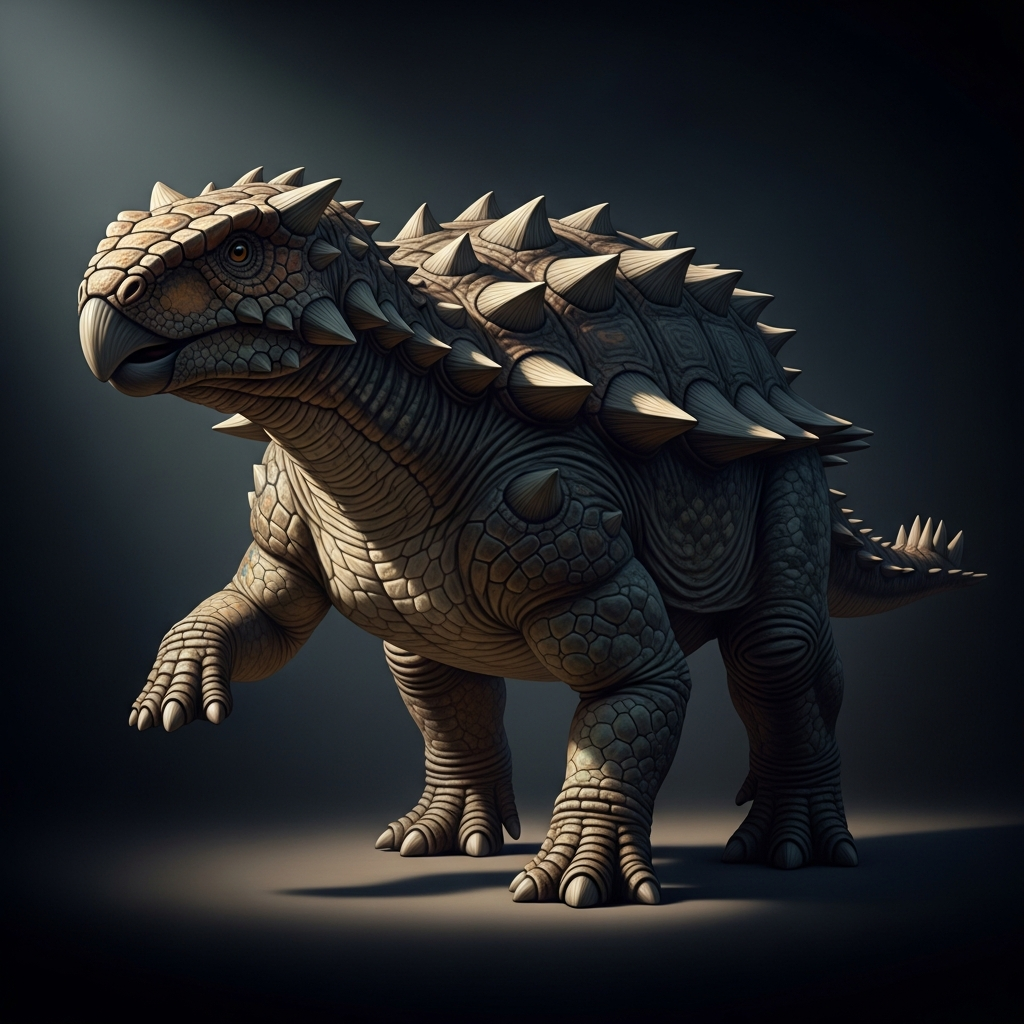
Stoneware mug, dishwasher safe
Buy Mug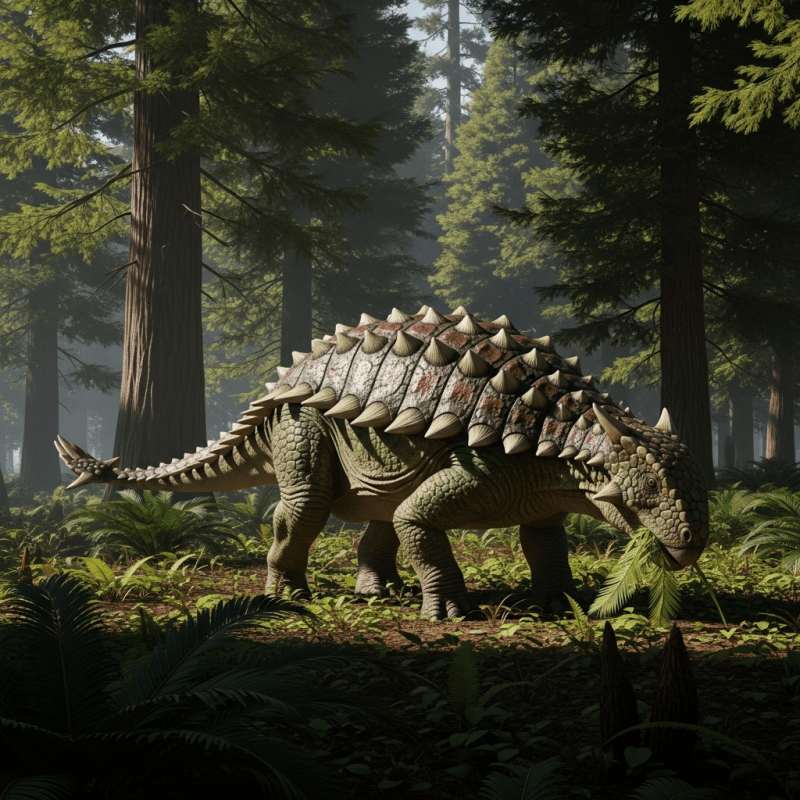
Soft cotton tee, unisex sizes
Buy ShirtEuoplocephalus holds a prominent place in paleontological art, educational materials, and museum exhibits, often representing the archetype of armored dinosaurs. Its striking appearance and defensive adaptations have made it a favorite in media portrayals and children's literature, contributing to public fascination with prehistoric life. Mounted skeletons of Euoplocephalus are featured in renowned institutions such as the Royal Tyrrell Museum and the American Museum of Natural History, inspiring generations of dinosaur enthusiasts.
Euoplocephalus lived during the Late Cretaceous period, specifically the Campanian stage, approximately 76 to 70 million years ago—a time when dinosaurs flourished across the globe.
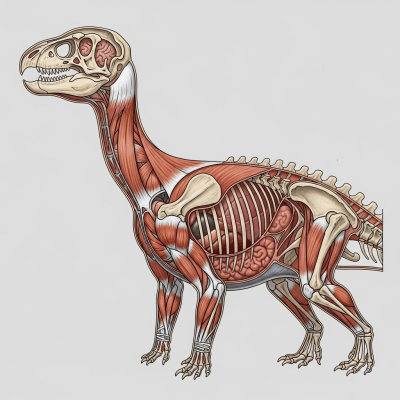
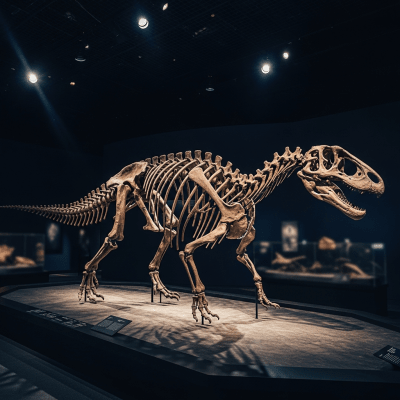
The first Euoplocephalus fossils were discovered in Alberta, Canada, within the Dinosaur Park Formation. The holotype specimen, CMN 0210, resides at the Canadian Museum of Nature. Additional fossils have been found in Montana, USA, particularly in the Two Medicine Formation. Numerous well-preserved skeletons have provided detailed insights into its anatomy, making Euoplocephalus one of the best-documented ankylosaurs in the fossil record.
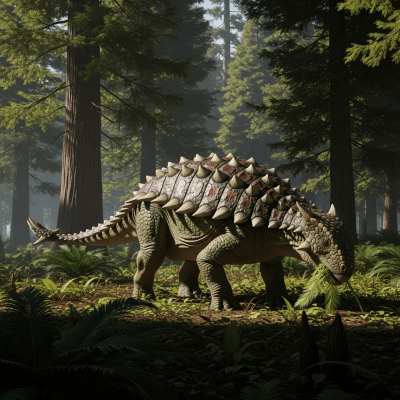
Euoplocephalus inhabited floodplains and riverine environments in what is now Alberta and Montana during the Late Cretaceous. These regions were lush and supported diverse plant life, offering ample food for large herbivores. Its fossils are primarily associated with the Dinosaur Park and Two Medicine Formations, indicating a distribution limited to western North America.
As a dedicated herbivore, Euoplocephalus fed on low-growing plants, using its beaked mouth to crop vegetation. Its broad, low skull and robust jaws were adapted for processing tough plant material, and its body structure suggests it grazed close to the ground. The absence of specialized teeth for chewing indicates it likely swallowed food in large chunks.
Bone histology studies suggest Euoplocephalus experienced slow growth rates and could reach a long lifespan. Juveniles likely grew steadily as their armor developed, with osteoderms forming progressively over time. While details of reproduction and nesting remain uncertain, its robust build and defensive adaptations would have provided protection throughout its life stages.
Euoplocephalus, like all non-avian dinosaurs, disappeared during the mass extinction event at the end of the Cretaceous period, around 66 million years ago. This event is widely attributed to a combination of catastrophic asteroid impact and volcanic activity, which dramatically altered global climates and ecosystems, leading to the extinction of most dinosaur lineages.
Euoplocephalus is a cornerstone genus for understanding ankylosaur evolution, anatomy, and paleobiology. Its abundance of well-preserved fossils has enabled detailed studies of armored dinosaur morphology, defensive adaptations, and growth patterns. Research on Euoplocephalus informs broader discussions in paleontology regarding dinosaur diversity, ecological roles, and evolutionary responses to predation.