Corythosaurus
Corythosaurus is a crested, duck-billed dinosaur famed for its tall, helmet-like cranial crest and well-preserved fossils that illuminate the lives of Late Cretaceous herbivores.
Corythosaurus is a crested, duck-billed dinosaur famed for its tall, helmet-like cranial crest and well-preserved fossils that illuminate the lives of Late Cretaceous herbivores.
First described in 1914 by Barnum Brown, Corythosaurus originated from fossil discoveries along Alberta’s Red Deer River in Canada. The holotype specimen, AMNH 5240, is housed at the American Museum of Natural History. Its name, meaning "helmet lizard," reflects the striking crest that defines the genus. Corythosaurus thrived in North America during the Late Cretaceous, sharing its habitat with other lambeosaurines.
Corythosaurus belongs to the clade Dinosauria, order Ornithischia, family Hadrosauridae, and subfamily Lambeosaurinae. As a hadrosaurid, it is closely related to genera such as Lambeosaurus and Hypacrosaurus. Its place within Lambeosaurinae is marked by the elaborate cranial crest, a trait common to this group of herbivorous dinosaurs.
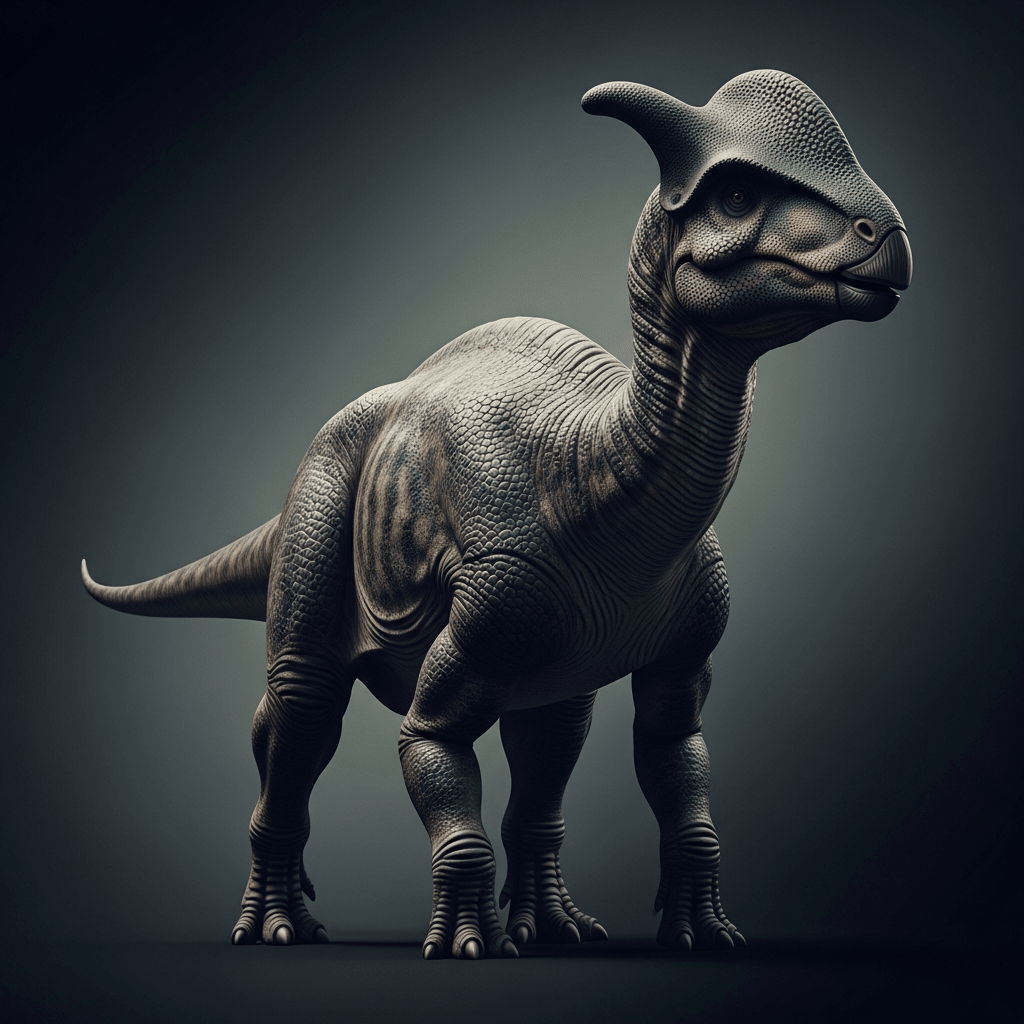
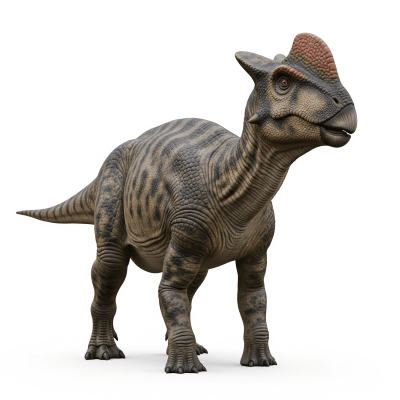
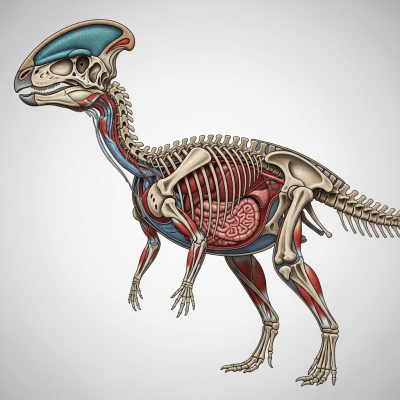
With a body stretching up to 9 meters (30 feet) and weighing 3–4 tons, Corythosaurus was a formidable presence. Its most distinctive feature is the tall, hollow, helmet-like crest atop its skull, likely used for sound resonance and display. The broad, duck-like bill housed dental batteries ideal for grinding tough plant material, while robust limbs allowed both bipedal and quadrupedal movement. Fossilized skin impressions reveal a scaled texture, possibly patterned for camouflage or visual signaling.
Corythosaurus was a social herbivore, inferred to communicate vocally and visually using its crest. The hollow structure of the crest may have amplified calls for group coordination or mating displays. It could walk or run, adapting its posture to different activities. While extinct, its fossils serve as valuable educational and scientific resources, helping researchers and the public understand dinosaur behavior and ecology.
Bring this kind into your world illustrated posters, mugs, and shirts.
Archival print, museum-grade paper
Buy Poster
Stoneware mug, dishwasher safe
Buy Mug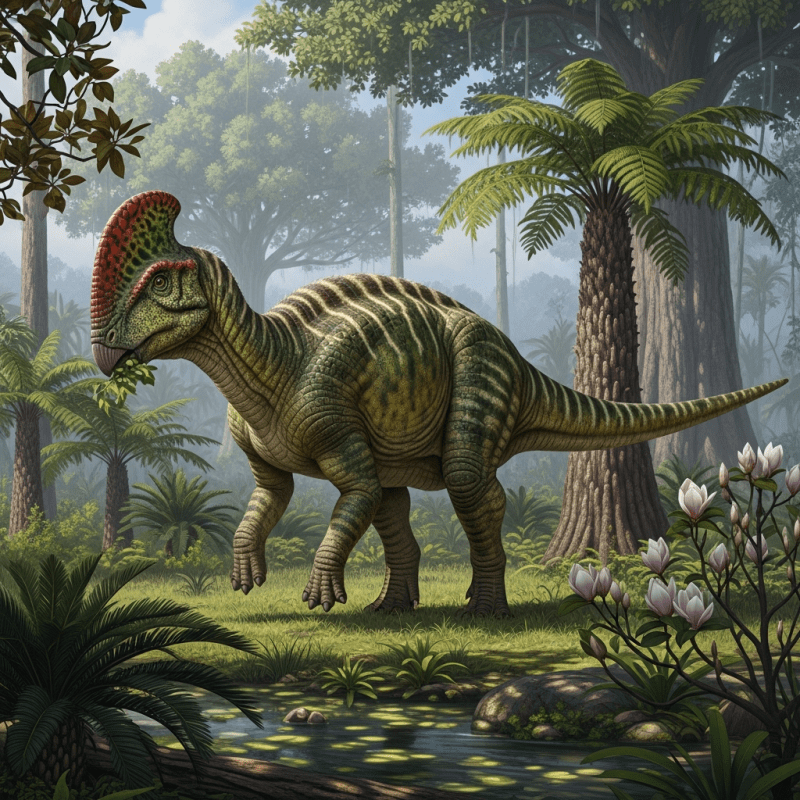
Soft cotton tee, unisex sizes
Buy ShirtCorythosaurus has captured the public imagination through museum exhibits, educational materials, and popular media. Its striking crest and well-preserved fossils make it a favorite in dinosaur books, documentaries, and merchandise. The genus plays a key role in illustrating dinosaur diversity and the complexity of prehistoric ecosystems, fostering curiosity and learning worldwide.
Corythosaurus lived during the Late Cretaceous period, approximately 77–75 million years ago, a time when dinosaurs flourished across the globe.
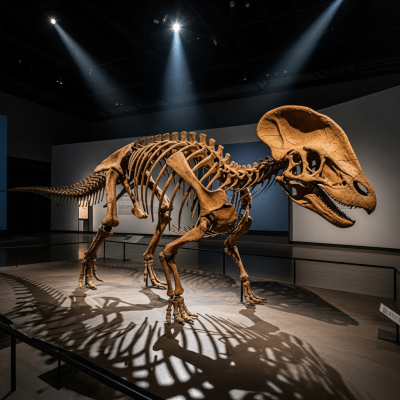
Major discoveries of Corythosaurus fossils have occurred in the Red Deer River area of Alberta, Canada. The holotype specimen, AMNH 5240, is housed at the American Museum of Natural History. These fossils are notable for their exceptional preservation, including detailed skeletal remains and skin impressions, which have greatly advanced our understanding of hadrosaur anatomy and behavior.
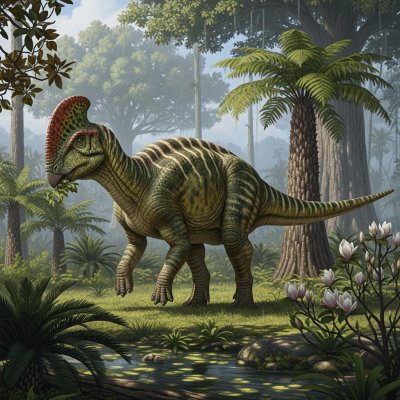
Corythosaurus inhabited lush floodplains and river valleys in what is now western North America, particularly Alberta, Canada. These environments were rich in vegetation, supporting large herds of herbivorous dinosaurs. The genus is known primarily from Canadian deposits, with closely related lambeosaurines found in similar regions.
As a dedicated herbivore, Corythosaurus consumed a variety of tough, fibrous plants. Its broad, duck-like bill and complex dental batteries were perfectly adapted for grinding and processing vegetation. Feeding likely occurred both on low-lying plants and taller foliage, thanks to its flexible neck and posture.
Juvenile Corythosaurus grew rapidly, with crest development intensifying as individuals matured. The size and complexity of the crest increased with age, possibly playing a role in social hierarchy or mating displays. Life history studies suggest a relatively fast growth rate, typical of hadrosaurids, though precise lifespan estimates remain uncertain.
Corythosaurus, like all non-avian dinosaurs, disappeared during the mass extinction event at the end of the Cretaceous period, around 66 million years ago. The leading theories attribute this extinction to catastrophic environmental changes, including asteroid impact and volcanic activity, which disrupted global ecosystems.
Corythosaurus is a cornerstone of hadrosaur research, offering rare insights into dinosaur anatomy, growth, and behavior. Its fossils have informed studies on vocalization, social interaction, and evolutionary relationships within Lambeosaurinae. The genus is frequently cited in paleontological literature and serves as a model for understanding the diversity and adaptation of herbivorous dinosaurs in the Late Cretaceous.