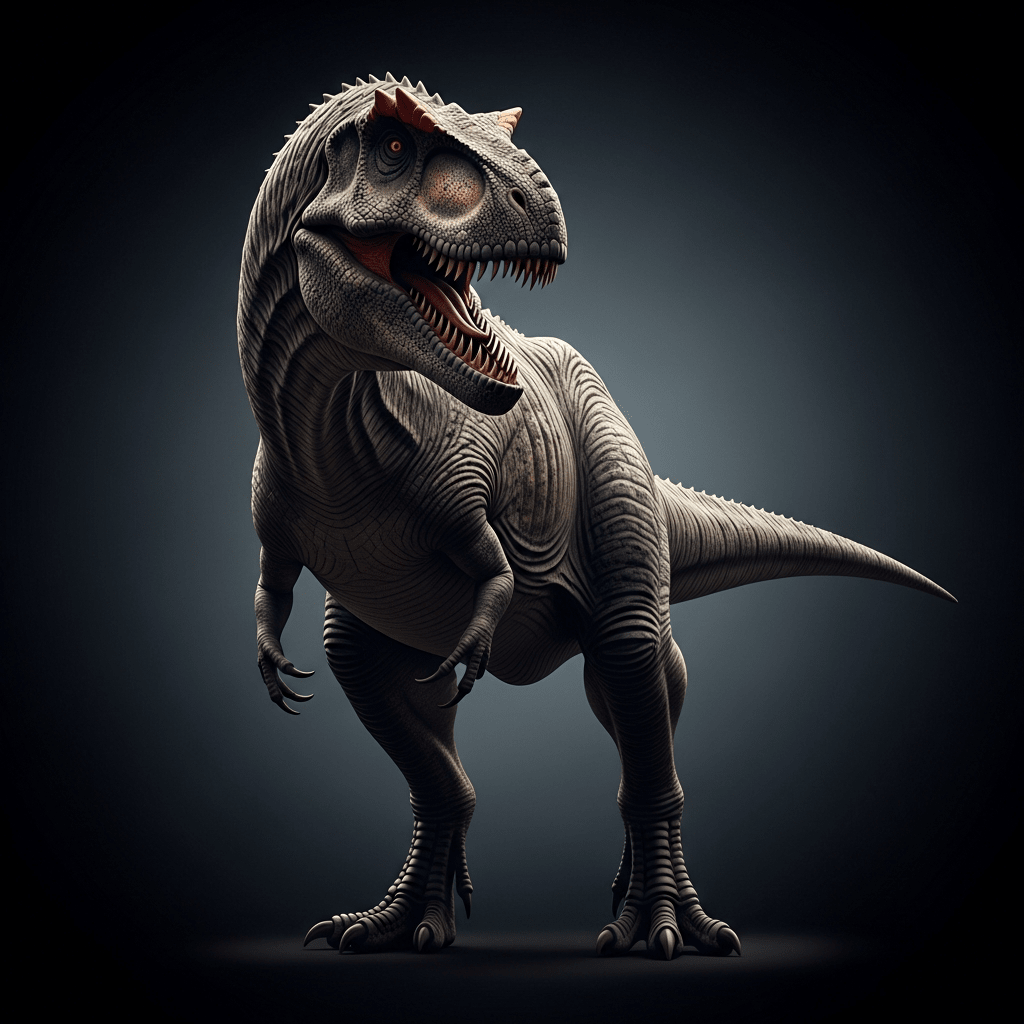
Giganotosaurus
Giganotosaurus is a colossal carnivorous dinosaur from the Late Cretaceous of South America, renowned for its massive skull, powerful jaws, and status as one of the largest terrestrial predators ever to walk the Earth.
Giganotosaurus is a colossal carnivorous dinosaur from the Late Cretaceous of South America, renowned for its massive skull, powerful jaws, and status as one of the largest terrestrial predators ever to walk the Earth.
Giganotosaurus was unearthed in the Candeleros Formation near Villa El Chocón, Neuquén Province, Patagonia, Argentina. Its fossils were discovered in 1993 and formally described by paleontologists Rodolfo Coria and Leonardo Salgado in 1995. The holotype specimen, MUCPv-CH1, resides at the Museo Carmen Funes in Plaza Huincul. The genus name, meaning "giant southern lizard," honors both its immense size and its South American roots, while the species name, carolinii, commemorates its discoverer, Rubén D. Carolini.
Giganotosaurus belongs to the clade Dinosauria, within the order Saurischia and family Carcharodontosauridae. As a theropod, it shares its lineage with other large carnivorous dinosaurs, though it is phylogenetically distinct from the famous Tyrannosaurus rex. Its classification reflects evolutionary relationships based on skeletal anatomy and fossil evidence, positioning Giganotosaurus among the apex predators of the Cretaceous period.
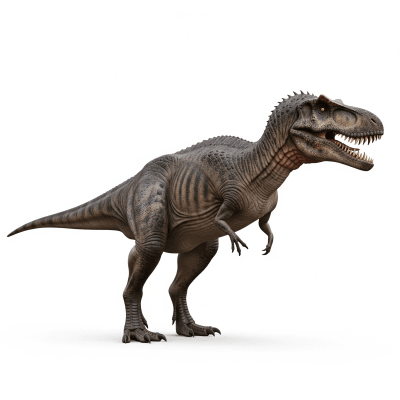
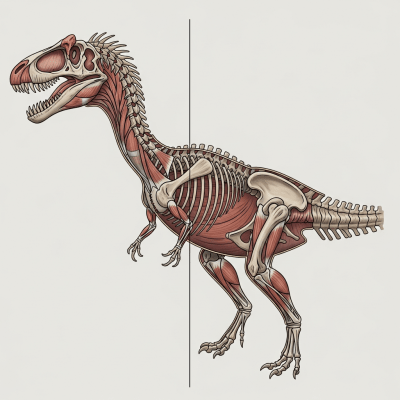
Giganotosaurus was a bipedal giant, stretching up to 13 meters (43 feet) in length and weighing as much as 8 metric tons. Its skull alone measured up to 1.8 meters (5.9 feet), equipped with sharp, serrated teeth ideal for slicing flesh. The dinosaur's body was elongated, with a muscular neck and tail built for strength and agility. Its forelimbs, though shorter than its hind legs, were robust and ended in three-fingered hands. No skin impressions have been found, so its coloration and texture remain unknown, but its sheer size and formidable jaws made it a striking presence in its ancient ecosystem.
As an apex predator, Giganotosaurus was adapted for active hunting, likely preying on large herbivorous dinosaurs. Its anatomical features suggest speed and power, though there is no direct evidence of social behavior, nesting, or parental care. In modern times, Giganotosaurus fossils are invaluable for scientific research and education, and life-sized reconstructions captivate museum visitors and dinosaur enthusiasts worldwide.
Bring this kind into your world illustrated posters, mugs, and shirts.
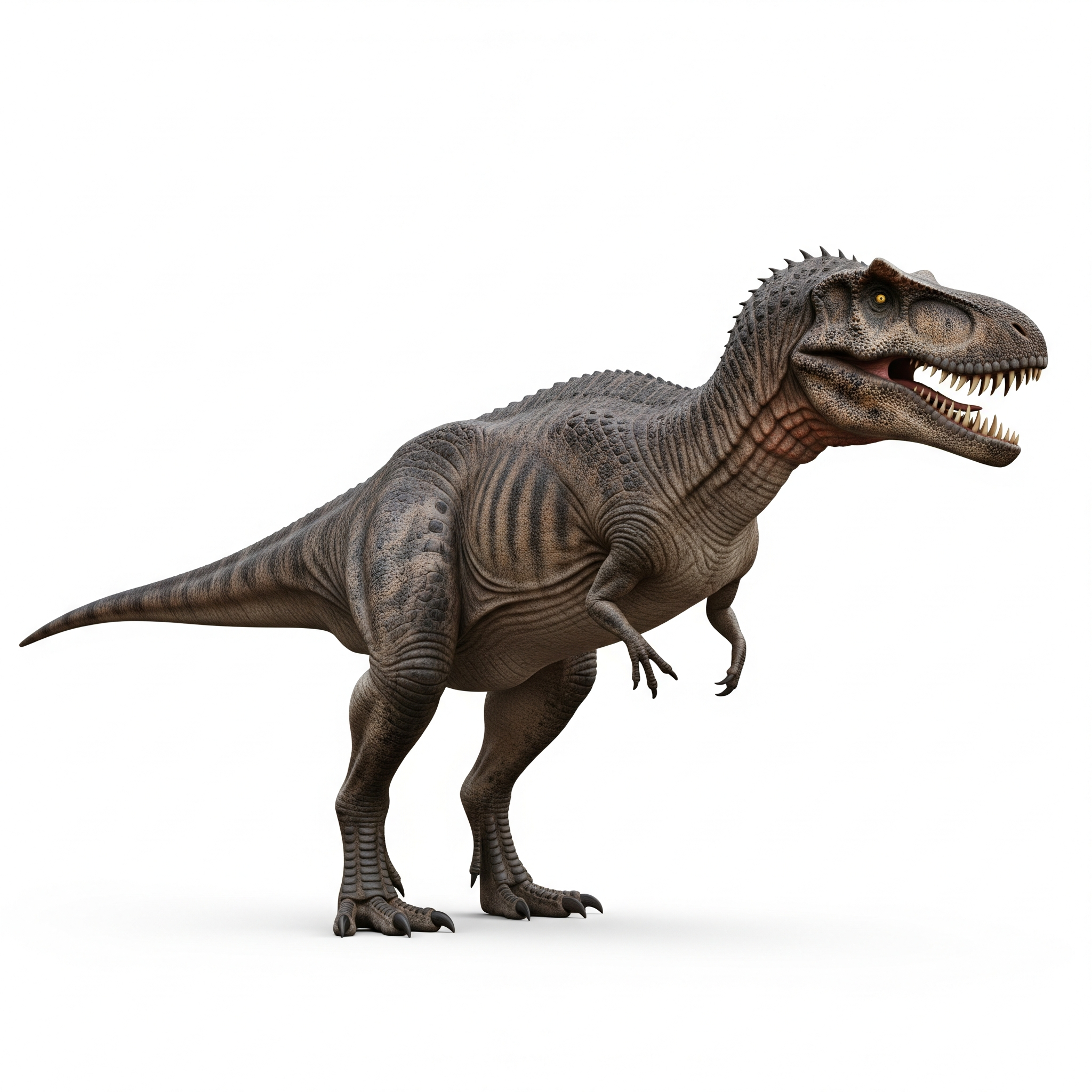
Archival print, museum-grade paper
Buy Poster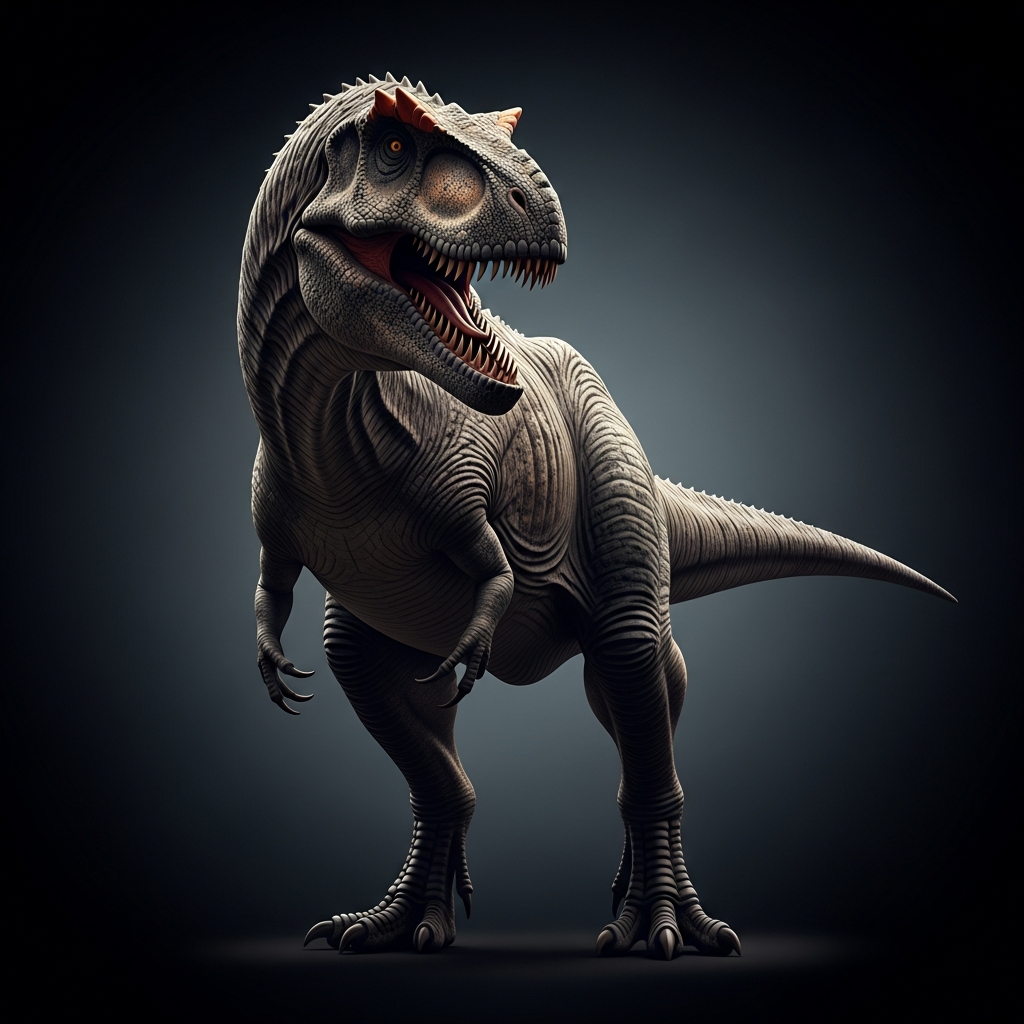
Stoneware mug, dishwasher safe
Buy Mug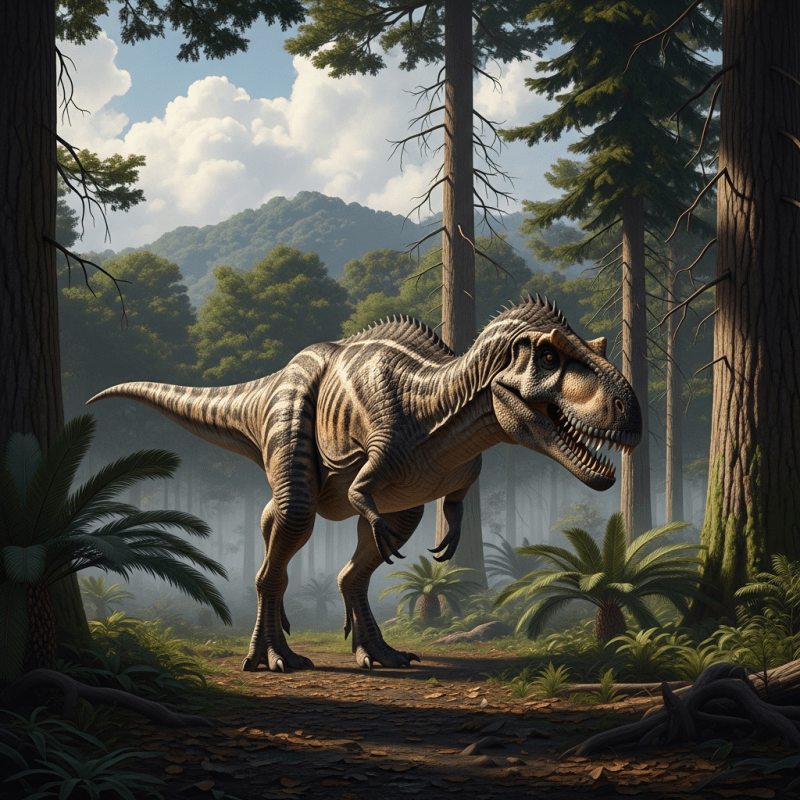
Soft cotton tee, unisex sizes
Buy ShirtGiganotosaurus has become an icon in paleontology and popular culture, featured in museum exhibits, documentaries, and educational materials. Its impressive size and predatory nature have made it a favorite subject in media, often depicted alongside or in rivalry with Tyrannosaurus rex. Replicas and models of Giganotosaurus contribute to public fascination with prehistoric life, inspiring curiosity and learning across generations.
Giganotosaurus lived during the Late Cretaceous, a period spanning approximately 100 to 66 million years ago, when dinosaurs flourished as the dominant terrestrial vertebrates.
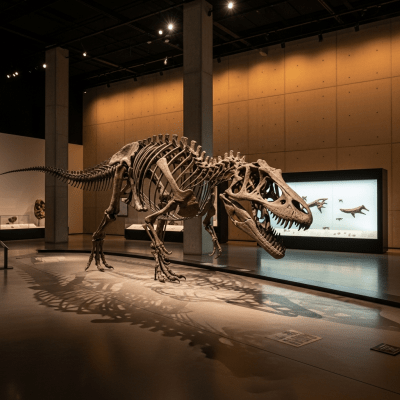
The first Giganotosaurus fossils were discovered in 1993 in Patagonia, Argentina, within the Candeleros Formation. The holotype specimen, MUCPv-CH1, is preserved at the Museo Carmen Funes. Its discovery by Rubén D. Carolini and description by Coria & Salgado in 1995 marked a milestone in South American paleontology, revealing the presence of giant carcharodontosaurids and reshaping understanding of prehistoric ecosystems in the region.
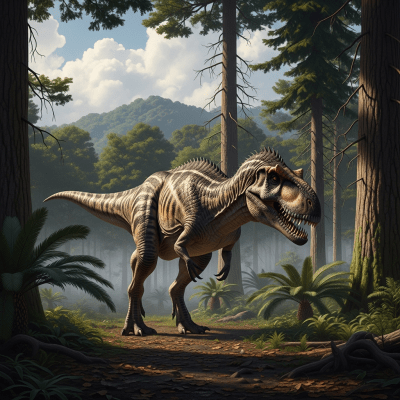
Giganotosaurus inhabited the ancient floodplains and forests of what is now Patagonia, Argentina. The region's warm climate and diverse plant life supported a rich array of herbivorous dinosaurs, providing ample prey for this apex predator. Fossil evidence suggests Giganotosaurus was endemic to South America, with no confirmed finds outside the continent.
As a carnivore, Giganotosaurus was equipped with sharp, serrated teeth and powerful jaws for slicing through flesh. Its size and strength enabled it to hunt large herbivorous dinosaurs, likely employing ambush or pursuit tactics. The robust skull and muscular neck suggest it could deliver formidable bites, making it one of the most fearsome predators of its time.
Bone histology indicates that Giganotosaurus experienced rapid growth to reach its massive adult size. Details of its life cycle, including nesting habits, juvenile development, and lifespan, remain largely unknown due to limited fossil evidence. No direct signs of parental care or social behavior have been documented.
Giganotosaurus, like all non-avian dinosaurs, became extinct at the end of the Cretaceous period, around 66 million years ago. The prevailing theory attributes this mass extinction to a catastrophic asteroid impact, which triggered dramatic climate changes and ecosystem collapse, eradicating the dinosaurs and reshaping life on Earth.
The discovery of Giganotosaurus has greatly enriched paleontological knowledge of South American theropods and the diversity of apex predators during the Cretaceous. Its fossils provide crucial insights into evolutionary relationships, biomechanics, and the ecological dynamics of prehistoric ecosystems. Giganotosaurus remains a focal point for research, education, and public engagement in the study of dinosaurs.