Microraptor
Microraptor is a small, feathered dinosaur from the Early Cretaceous, renowned for its unique four-winged anatomy and its pivotal role in illuminating the evolution of flight among dinosaurs.
Microraptor is a small, feathered dinosaur from the Early Cretaceous, renowned for its unique four-winged anatomy and its pivotal role in illuminating the evolution of flight among dinosaurs.
Microraptor was first described in 2000 by Xu Xing and colleagues, following the discovery of exceptionally well-preserved fossils in the Jiufotang Formation of Liaoning Province, China. The holotype specimen, IVPP V 12330, is housed at the Institute of Vertebrate Paleontology and Paleoanthropology in Beijing. These discoveries have positioned Microraptor as one of the most informative non-avian dinosaurs for studying feather structure and early flight adaptations.
Microraptor belongs to the clade Dinosauria, within the order Saurischia and family Dromaeosauridae. This places it among agile, feathered theropods closely related to genera such as Sinornithosaurus and Velociraptor. Its classification is based on anatomical features, including its bird-like skull, curved claws, and distinctive feather arrangement, which collectively highlight its evolutionary proximity to early birds.
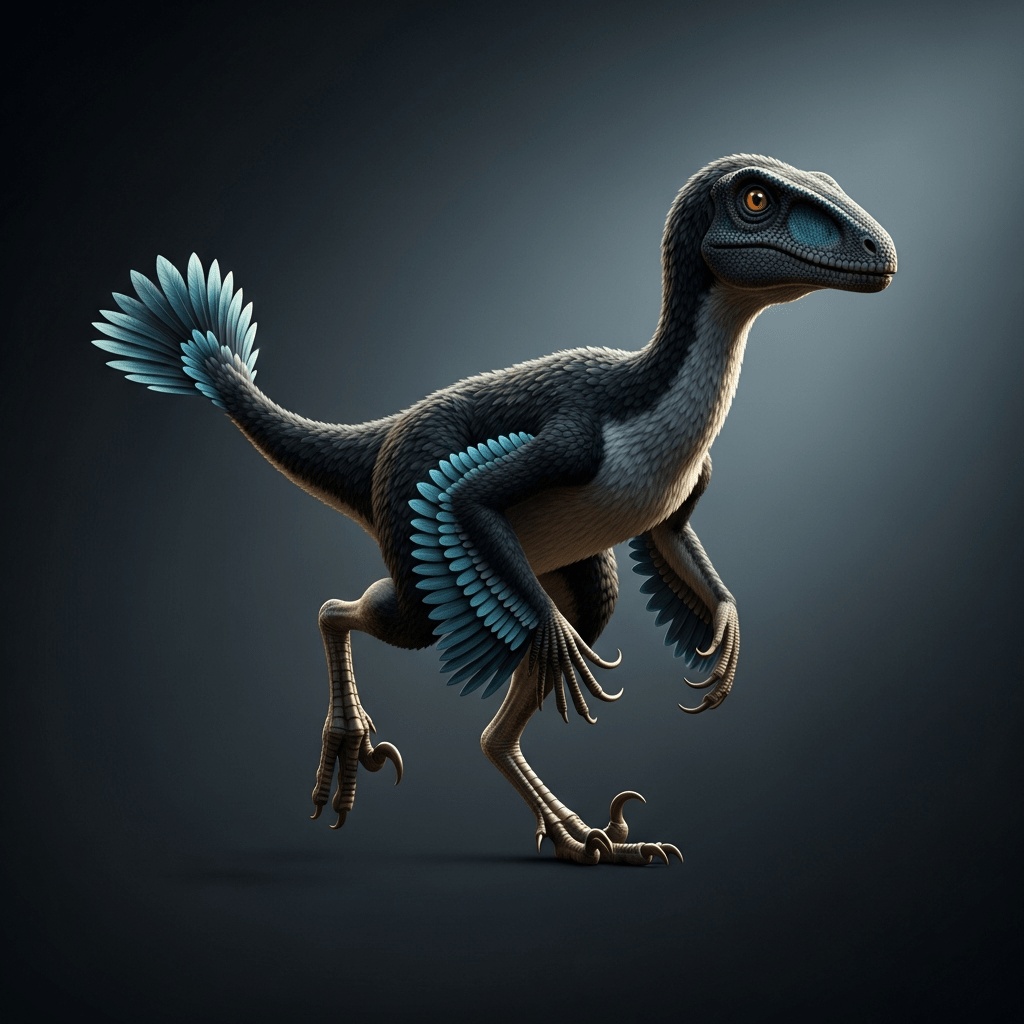
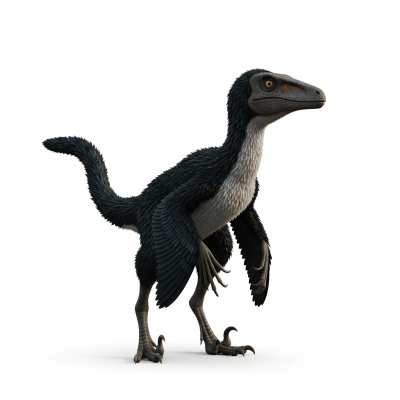
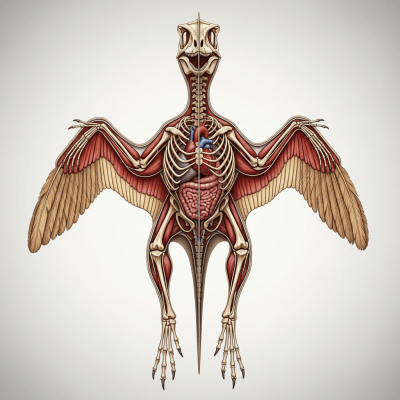
Microraptor was diminutive, measuring about 77 cm long and weighing roughly 1 kg. Its most striking feature is the presence of long, iridescent black feathers on both its arms and legs, forming four aerodynamic surfaces—earning it the nickname "four-winged dinosaur." A fan of feathers adorned its tail, while its lightweight skeleton, flexible shoulder girdle, and curved claws suggest adaptations for climbing and gliding. The overall impression is of a sleek, bird-like creature shimmering with complex plumage.
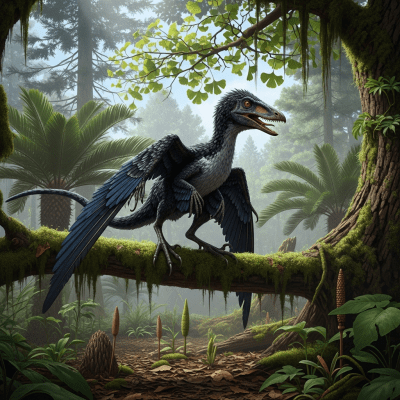
Microraptor is inferred to have been an agile climber and glider, using its four feathered limbs to navigate forested environments. Its sharp teeth and lightweight build indicate a carnivorous diet, likely consisting of small vertebrates and insects. Rapid juvenile growth is suggested by bone histology. While extinct, Microraptor's fossils are highly valued for research and museum display, serving as a touchstone for studies of feather evolution and flight origins.
Bring this kind into your world illustrated posters, mugs, and shirts.
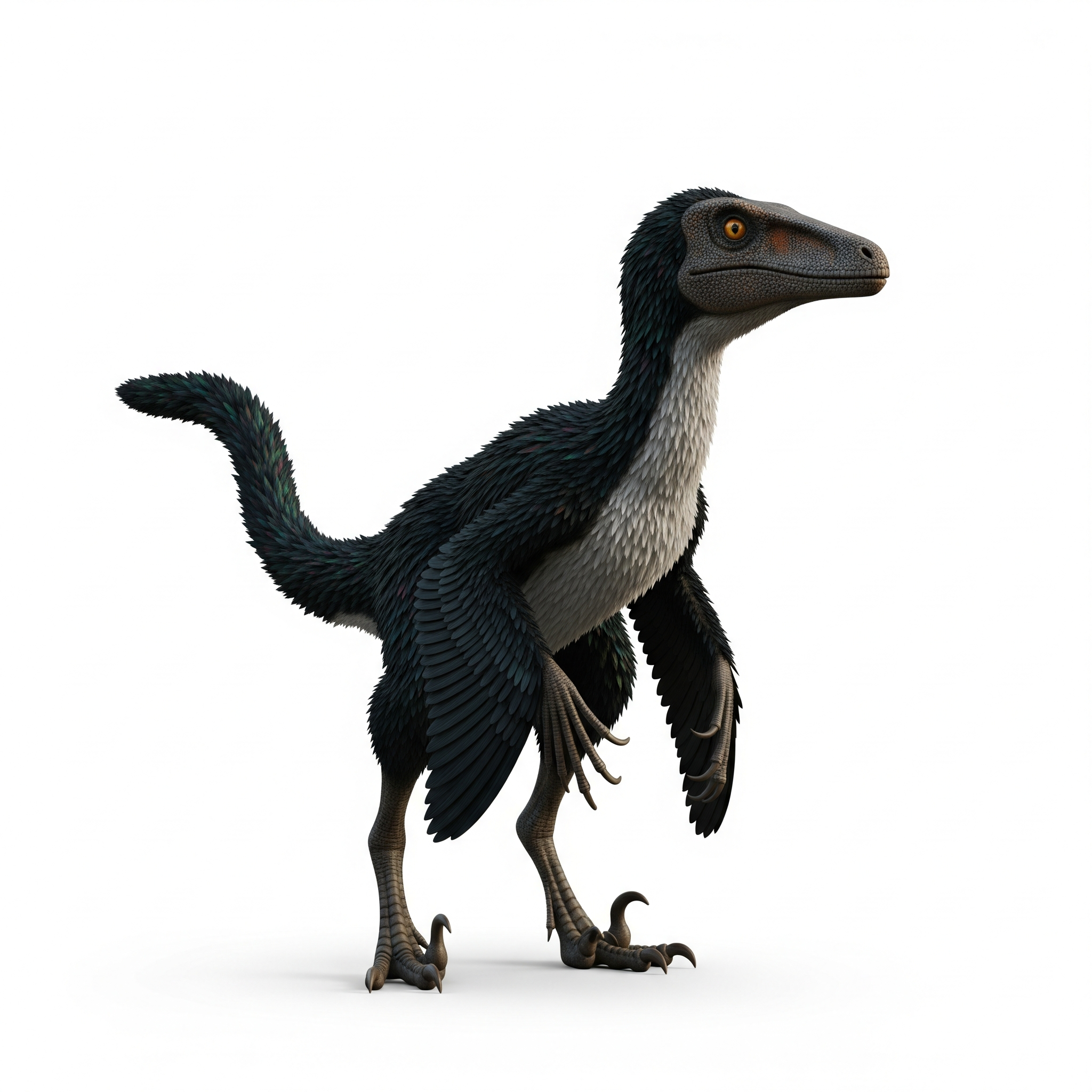
Archival print, museum-grade paper
Buy Poster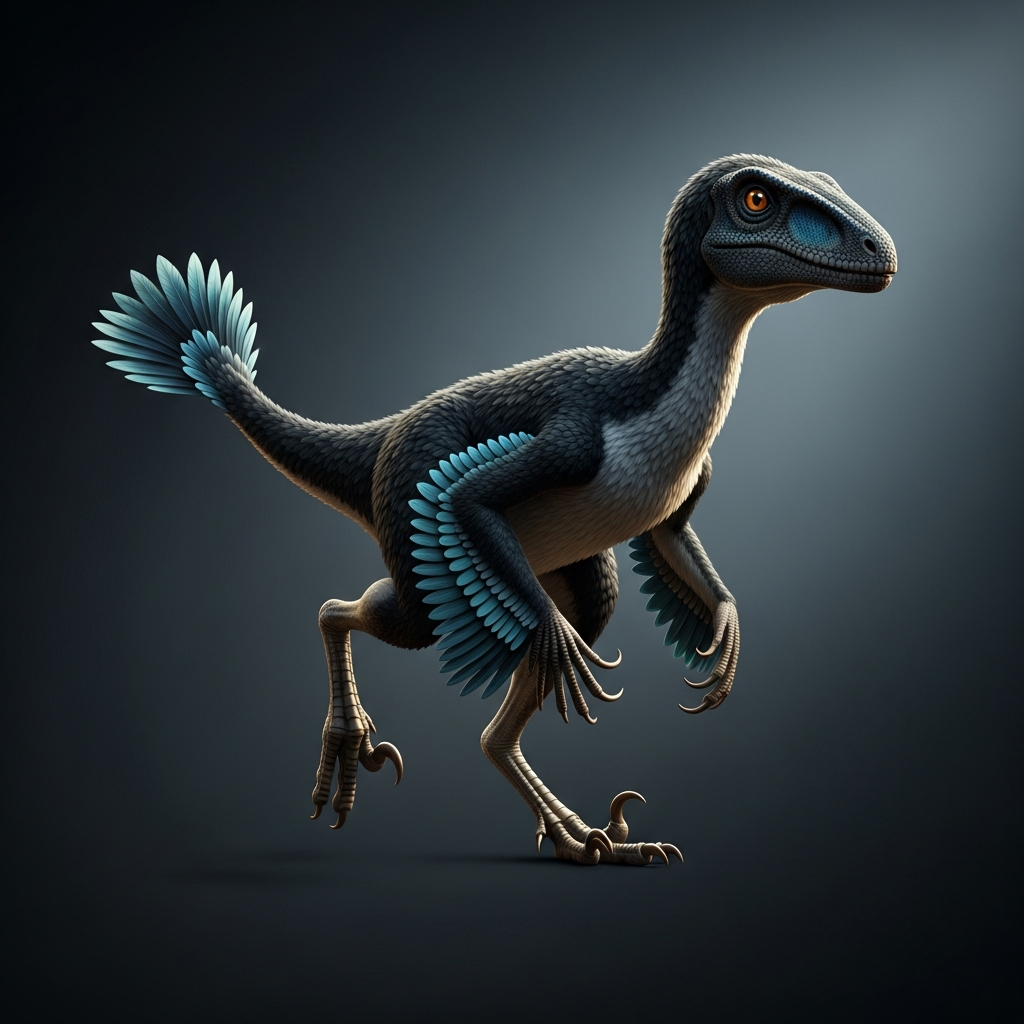
Stoneware mug, dishwasher safe
Buy Mug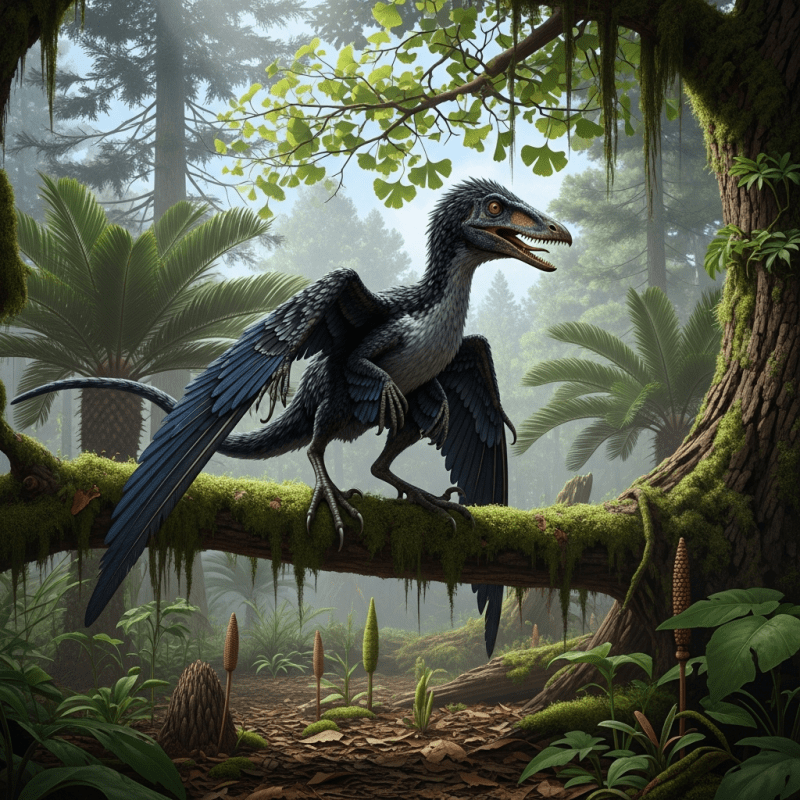
Soft cotton tee, unisex sizes
Buy ShirtMicroraptor has become an icon in paleontology, frequently featured in museums, educational materials, and scientific outreach. Its four-winged design has captivated public imagination, offering a vivid illustration of the evolutionary link between dinosaurs and birds. Reconstructions and replicas are popular in exhibitions, underscoring its role in shaping our understanding of prehistoric life and the origins of avian flight.
Microraptor lived during the Early Cretaceous period, approximately 120 million years ago—a time when feathered dinosaurs flourished and the first birds were emerging.
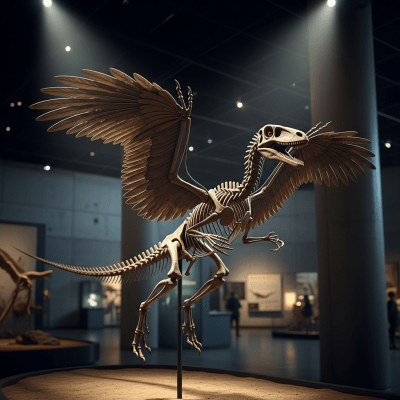
The first Microraptor fossils were unearthed in the Jiufotang Formation of Liaoning Province, China, and described in 2000. The holotype specimen, IVPP V 12330, is curated at the Institute of Vertebrate Paleontology and Paleoanthropology in Beijing. These fossils are renowned for their exceptional preservation, revealing fine feather structures and providing a wealth of anatomical detail for scientific study.
Microraptor inhabited the forested landscapes of what is now northeastern China. The region's ancient environment was rich in trees and undergrowth, offering ample opportunities for climbing and gliding. All confirmed fossil finds are restricted to Liaoning Province, indicating a localized distribution within Early Cretaceous Asia.
Microraptor was a carnivore, equipped with sharp teeth and a lightweight skull suited for catching small vertebrates and insects. Its climbing and gliding abilities would have aided in hunting prey among the trees and forest floor, reflecting a dynamic and opportunistic feeding strategy.
Bone histology studies reveal that Microraptor experienced rapid juvenile growth, a trait common among small theropods. While its full lifespan remains uncertain, these growth patterns suggest a swift transition from hatchling to adult, likely supporting an active lifestyle in a competitive ecosystem.
Microraptor, like all non-avian dinosaurs, became extinct by the end of the Cretaceous period. The prevailing theory attributes this mass extinction to catastrophic environmental changes, including asteroid impact and volcanic activity, which dramatically altered global ecosystems and led to the disappearance of most dinosaur lineages.
Microraptor is a cornerstone in paleontological research, offering direct evidence of complex feather structures and the evolutionary steps toward avian flight. Its fossils have reshaped scientific understanding of the relationship between dinosaurs and birds, and continue to inform studies in anatomy, functional morphology, and evolutionary biology.