Jersey Giant
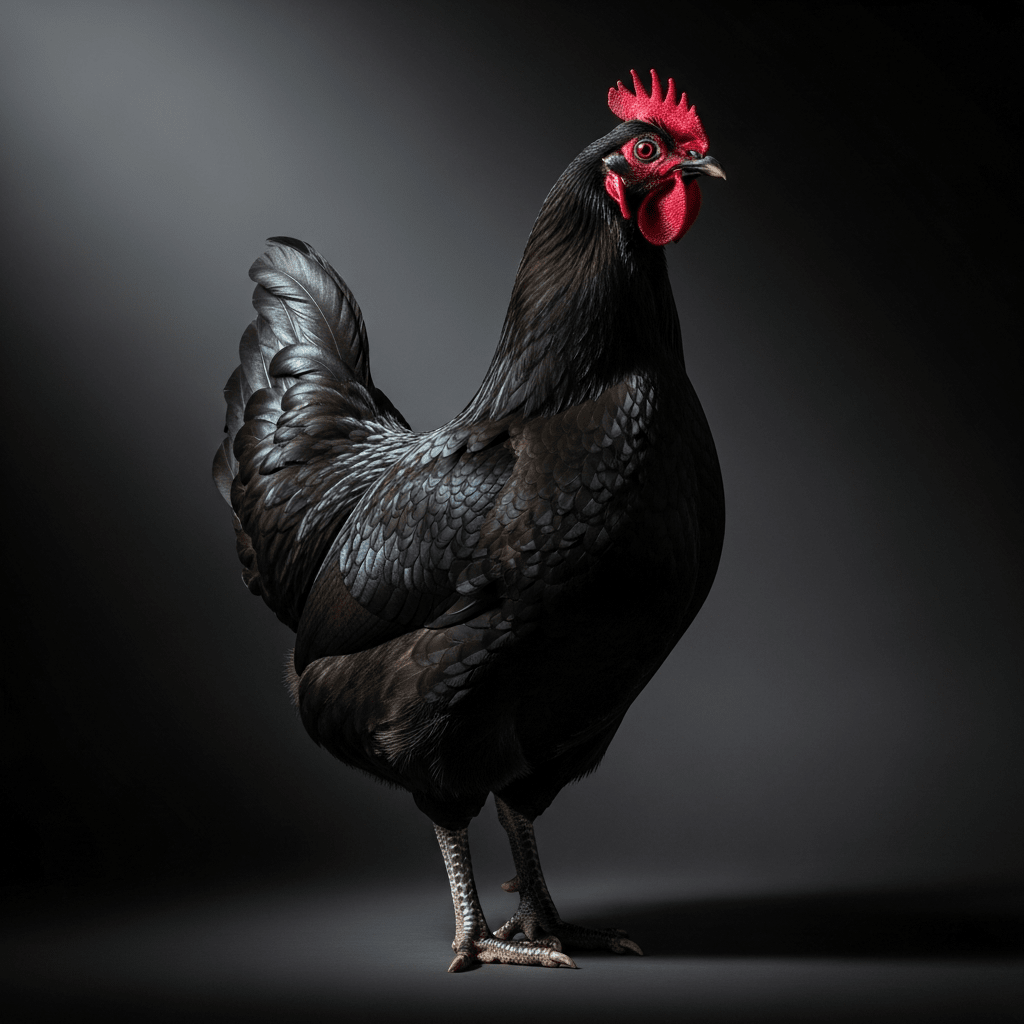
The Jersey Giant is the largest American chicken breed, celebrated for its impressive size and versatility as a dual-purpose bird prized for both meat and eggs.
The Jersey Giant is the largest American chicken breed, celebrated for its impressive size and versatility as a dual-purpose bird prized for both meat and eggs.
Originating in Burlington County, New Jersey, between 1870 and 1890, the Jersey Giant was developed by John and Thomas Black. By crossing Black Java, Black Langshan, and Dark Brahma chickens, they aimed to create a robust breed that could rival turkeys as a meat source. The breed gained official recognition from the American Poultry Association in the early 20th century, solidifying its place in American poultry heritage.
Classified within the domestic chicken species Gallus gallus domesticus, the Jersey Giant stands out as a large, dual-purpose breed. It fits among heritage breeds recognized for both meat production and moderate egg-laying capabilities, bridging the gap between specialized broilers and layers.
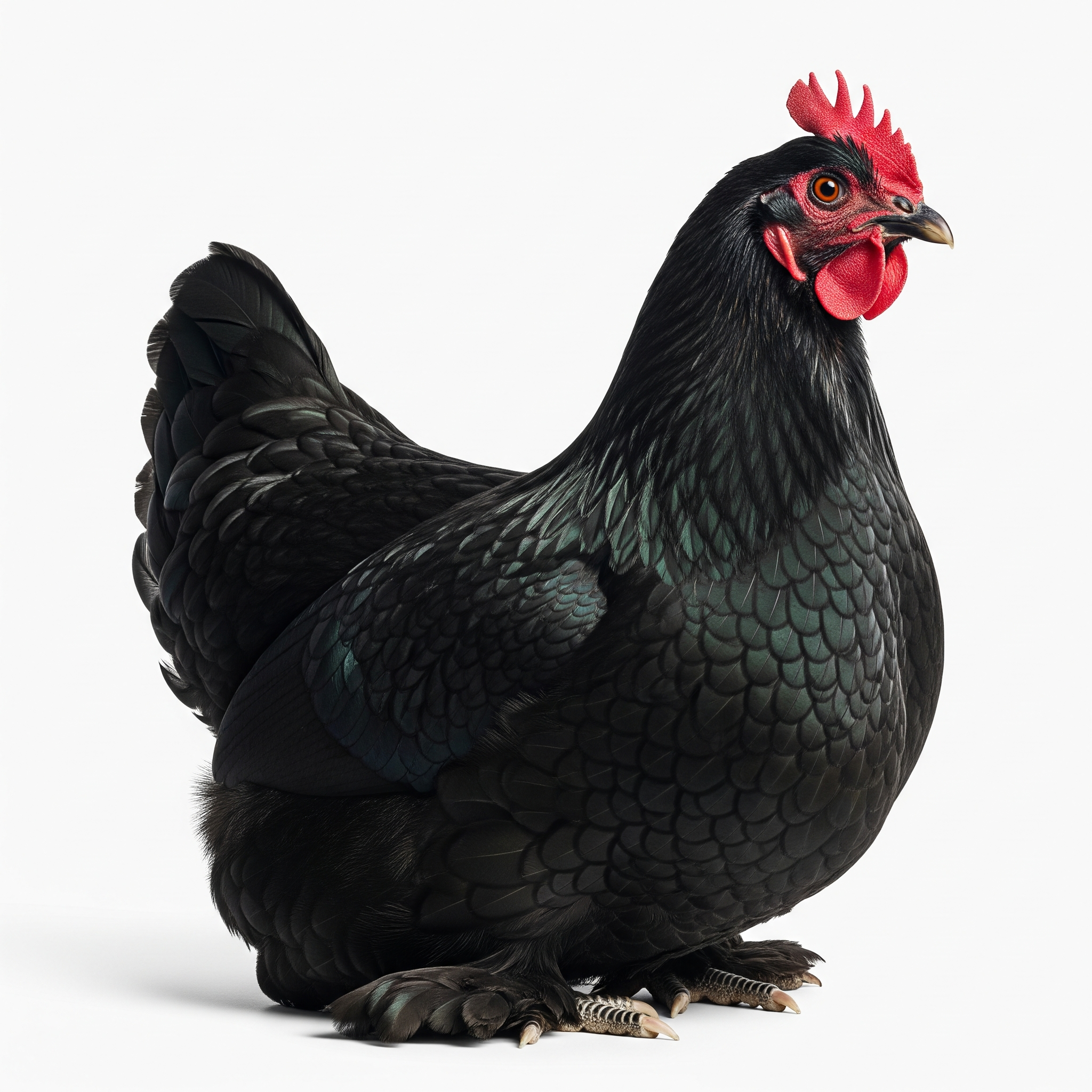
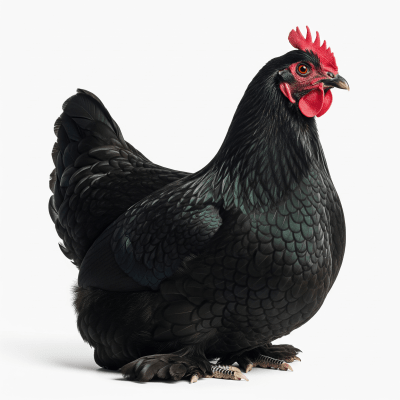
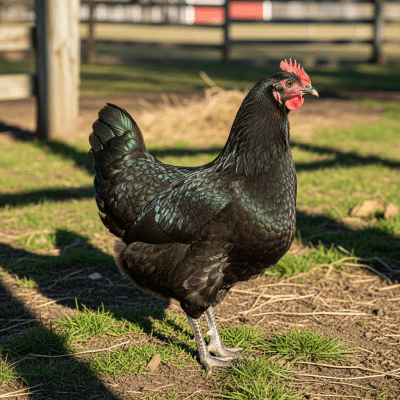
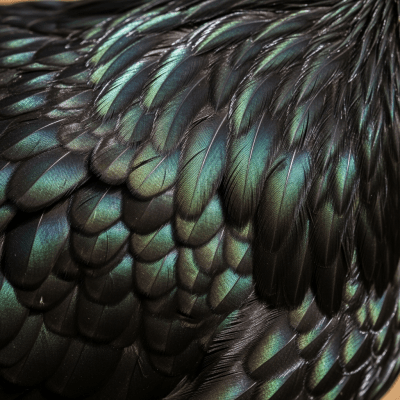
Jersey Giants are notable for their broad, deep bodies and long backs supported by substantial bone structure. Males typically weigh around 6.35 kg (14 lbs), females about 4.95 kg (11 lbs). They exhibit a medium-sized single comb, red wattles and earlobes, and clean legs without feathering. Plumage colors include striking Black with a green sheen, White, and Blue varieties. Leg color varies by plumage: black for Black, willow for Blue, and yellow for White.
Known for their calm and docile temperament, Jersey Giants are hardy birds adaptable to diverse climates. They grow slowly, reaching market weight between six and eight months, and are valued for their good foraging ability. While they produce a moderate number of large brown eggs annually (150–200), they rarely exhibit broodiness. Their slower growth and higher feed needs require patient management compared to commercial broilers.
Bring this kind into your world illustrated posters, mugs, and shirts.
Archival print, museum-grade paper
Buy Poster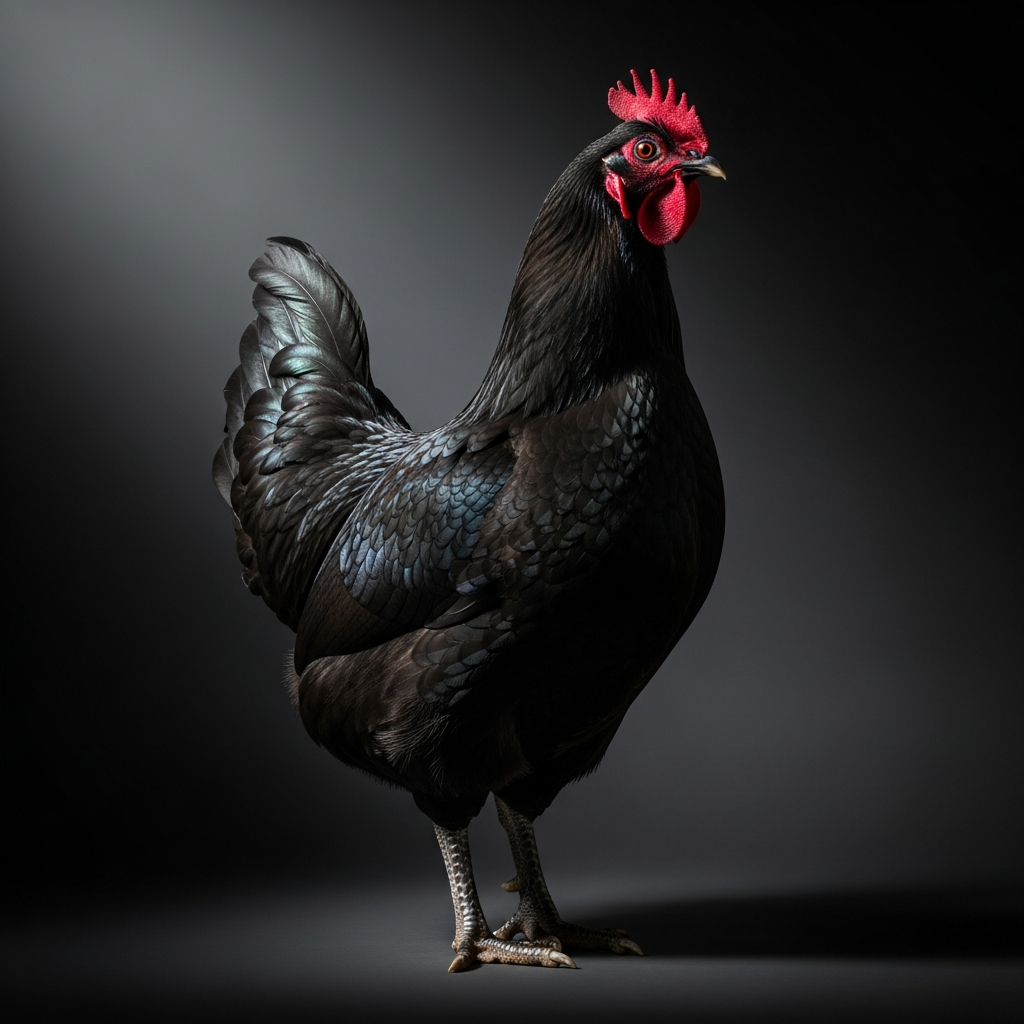
Stoneware mug, dishwasher safe
Buy Mug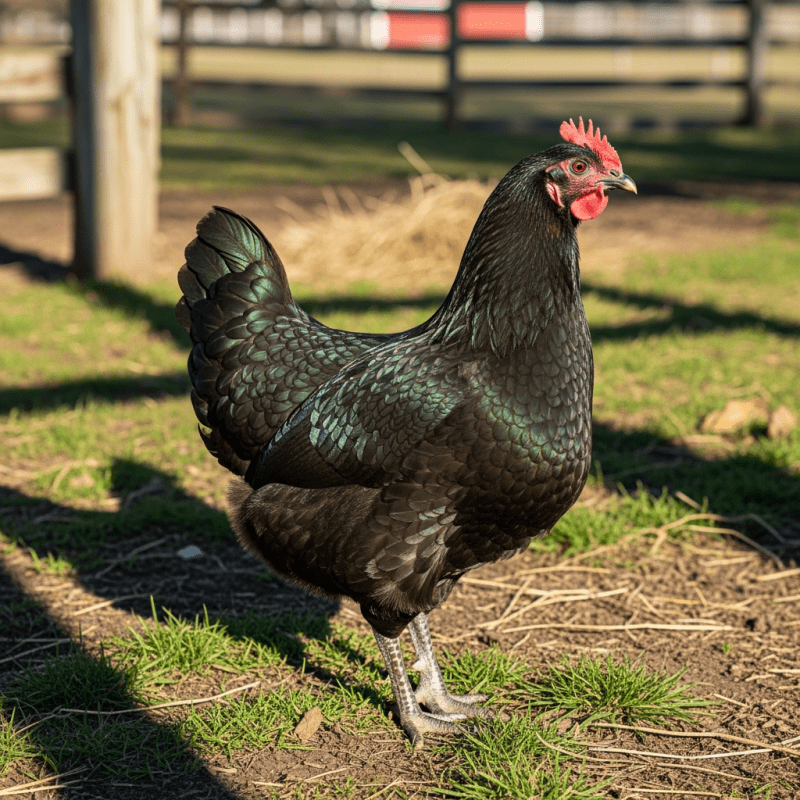
Soft cotton tee, unisex sizes
Buy ShirtThe Jersey Giant holds a respected place in American poultry culture as a heritage breed developed to meet a unique agricultural need. Its stature and history have made it a favorite among small-scale and heritage poultry enthusiasts, often showcased in exhibitions that celebrate traditional breeds and sustainable farming practices.
The Jersey Giant breed is primarily divided into three recognized color varieties: Black, White, and Blue. Each variety is distinguished by plumage color and corresponding leg color—black legs for the Black variety, willow legs for Blue, and yellow legs for White. These varieties are all formally recognized by major poultry authorities such as the American Poultry Association.
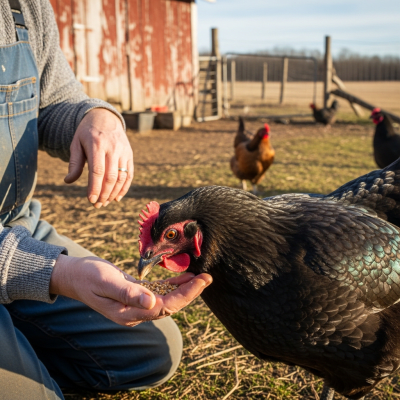

Raising Jersey Giants requires consideration of their large size and slower growth rate. They thrive best in spacious housing with ample room to move. Their hardy nature allows adaptation to various climates, but adequate ventilation and protection from extreme weather remain important. Feed requirements are higher than for smaller breeds, reflecting their substantial frame and slower maturation. Good foraging opportunities benefit their health and reduce feed costs. Regular health monitoring is advised, although they do not have breed-specific disease vulnerabilities.
Bred primarily for meat, Jersey Giants provide tender and flavorful meat well suited for roasting. Their slower growth compared to commercial broilers results in a richer texture and taste, favored by heritage poultry enthusiasts. While they also lay eggs, their primary culinary role remains as a substantial meat bird. They are occasionally kept for exhibition, where their impressive size and stature are showcased.
Although commercial demand for Jersey Giants has declined in favor of faster-growing hybrid broilers, the breed remains valued in small-scale and heritage poultry circles. Conservation efforts focus on maintaining genetic diversity and promoting sustainable farming practices. The Jersey Giant is recognized by organizations such as the Livestock Conservancy, which supports preservation of heritage breeds to ensure their continued viability.