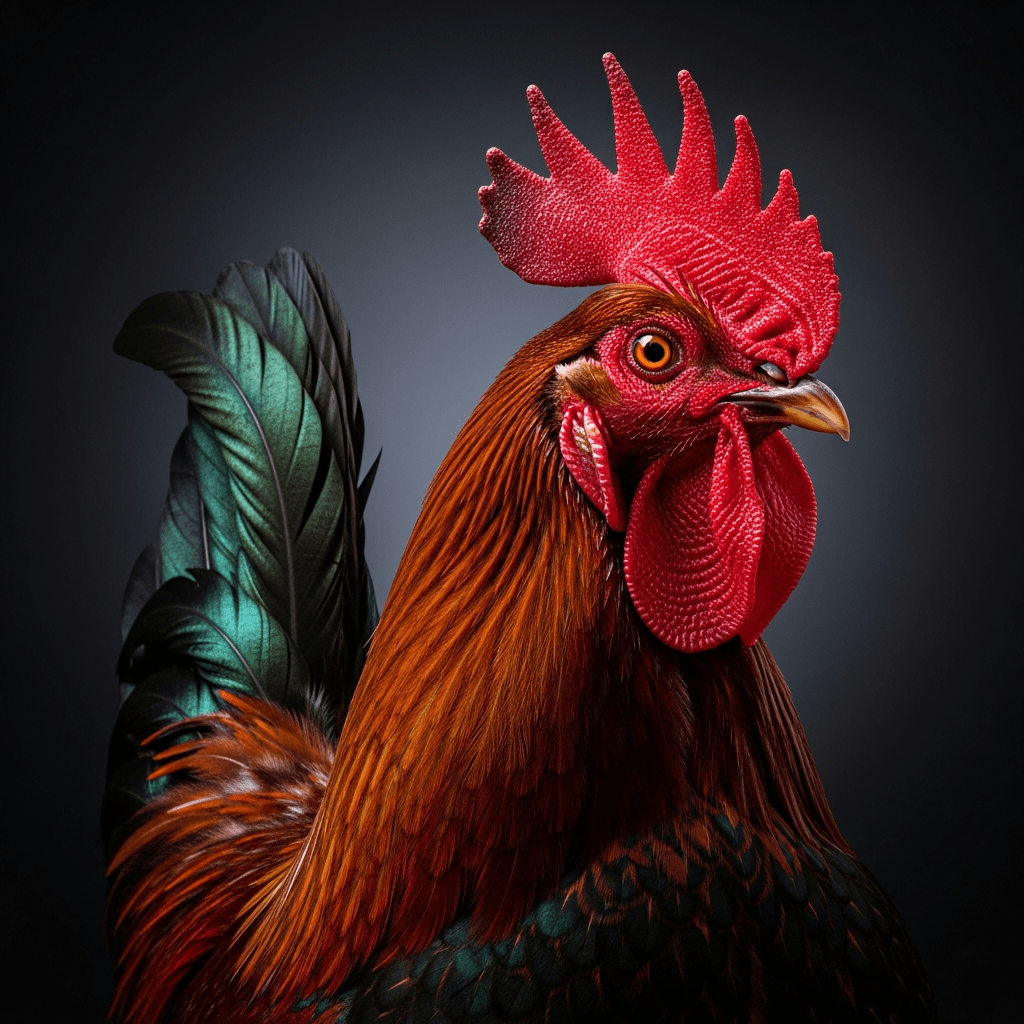
Redcap
The Redcap is a British heritage chicken breed known for its strikingly large rose comb and versatile dual-purpose use in both egg and meat production.
The Redcap is a British heritage chicken breed known for its strikingly large rose comb and versatile dual-purpose use in both egg and meat production.
Originating in Derbyshire, England, during the early 19th century, the Redcap developed as a regional landrace from local farmyard chickens. Its lineage likely includes influences from imported breeds such as the Hamburg and Dorking, though no single breeder is credited with its creation. The breed has long been associated with rural English farmsteads and is recognized by the British Poultry Standards and the Poultry Club of Great Britain.
The Redcap fits within the domesticated chicken species Gallus gallus domesticus as a distinct British heritage breed. It is classified as a dual-purpose breed valued for both egg laying and meat, and is recognized by major poultry authorities in the UK.
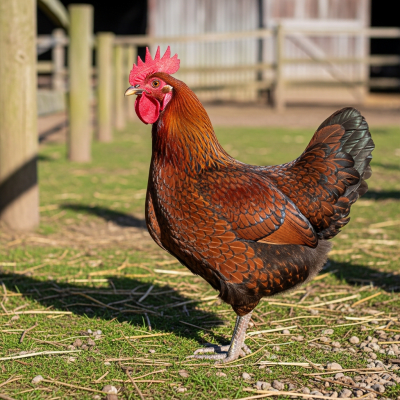
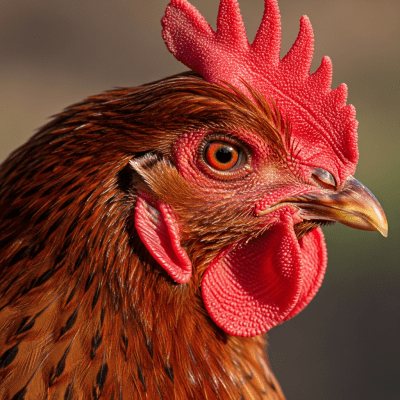
Redcaps are medium to large chickens, with males weighing around 3.5 kg and females about 3 kg. Their most distinctive feature is an exceptionally large rose comb that ends in a prominent spike, far larger than that of other rose-combed breeds. Their plumage typically displays a rich mahogany or deep red color with black-tipped feathers, creating a mottled effect. They have slate blue or dark legs and white skin, contributing to their classic and robust appearance.
Known for an active temperament, Redcaps are hardy birds well-suited to free-range and heritage farming systems. They are good foragers and display moderate resistance to cold, although their large combs can be vulnerable to frostbite. Their growth rate is average, maturing more slowly than commercial hybrids, which aligns with their traditional farming role.
Bring this kind into your world illustrated posters, mugs, and shirts.
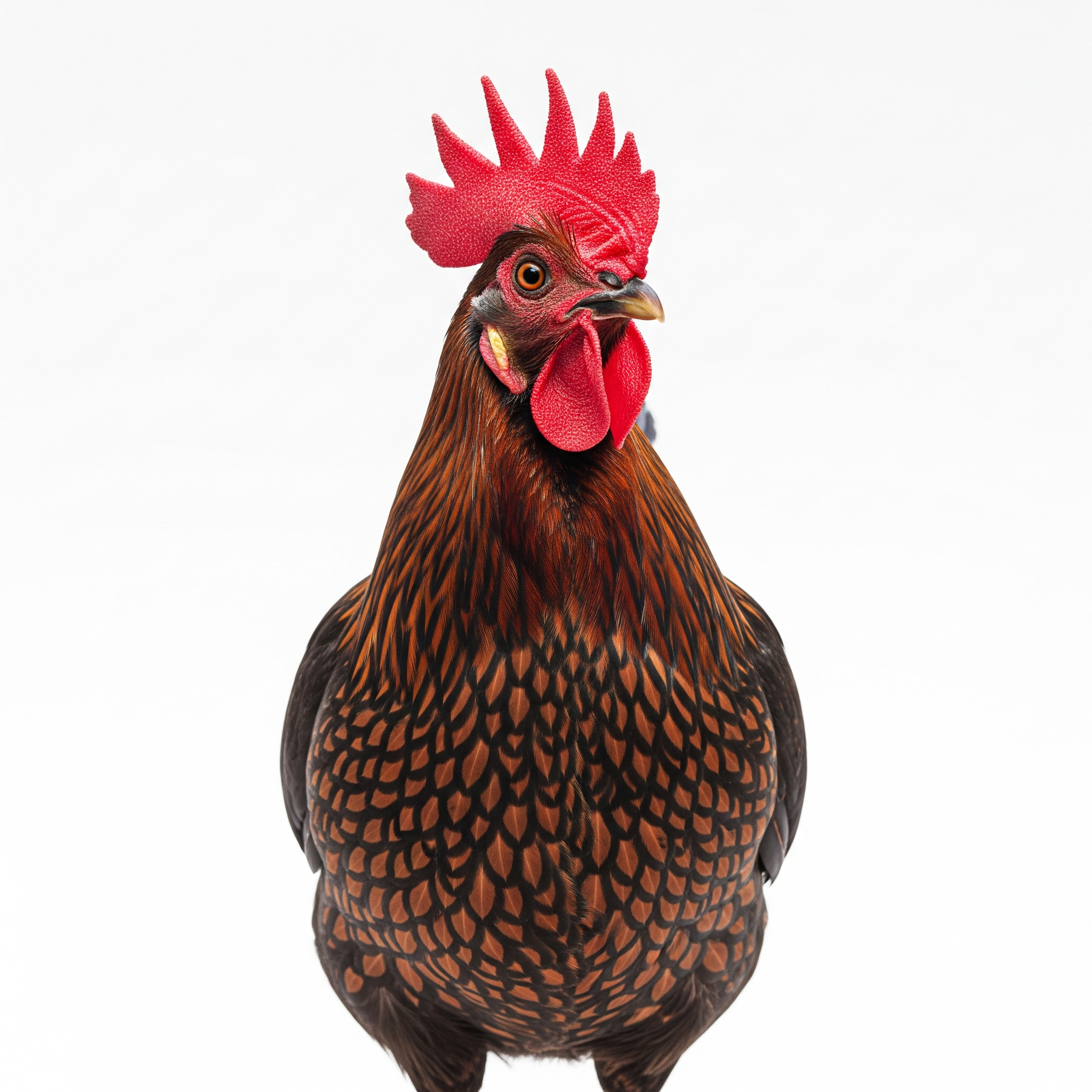
Archival print, museum-grade paper
Buy Poster
Stoneware mug, dishwasher safe
Buy Mug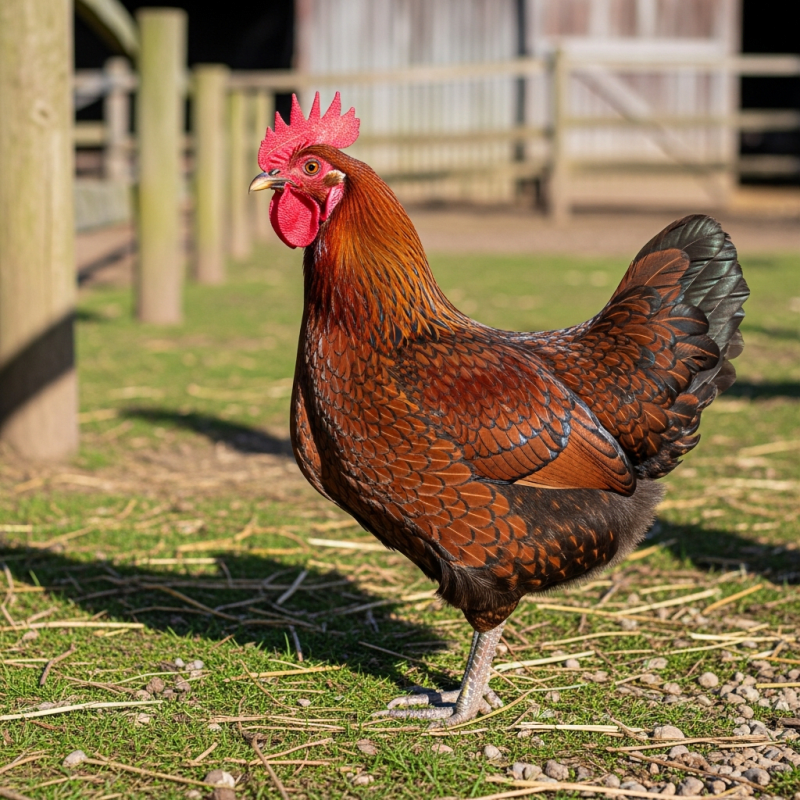
Soft cotton tee, unisex sizes
Buy ShirtThe Redcap holds cultural value as a symbol of British rural heritage, especially in Derbyshire and surrounding counties. Its distinctive appearance and historical presence have made it a favorite among poultry enthusiasts and exhibitors, preserving a link to traditional English farming practices and countryside life.
The Redcap is a singular breed without widely recognized varieties or sub-breeds. It is sometimes referred to as the Derbyshire Redcap or English Redcap, reflecting its regional roots, but no major regional variants have been documented.
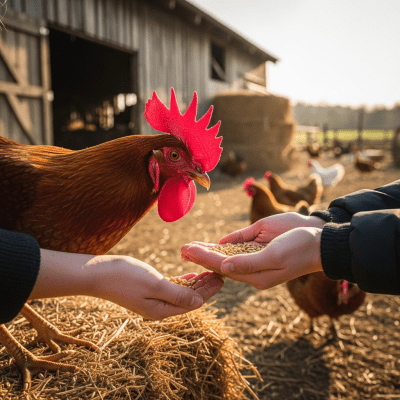

Redcaps thrive best in free-range or heritage farming systems where their active nature and foraging ability can be fully expressed. Care should be taken during cold weather to protect their large rose combs from frostbite. Their moderate growth rate and dual-purpose nature make them suitable for smallholder farms focused on sustainable and traditional poultry keeping.
Valued as a dual-purpose breed, Redcaps provide medium-sized white eggs and flavorful, firm meat. While not common in large-scale commercial production, their meat is appreciated in traditional British dishes, and their eggs are favored by smallholders and heritage breed enthusiasts.
The Redcap is considered a heritage breed with limited commercial presence, primarily maintained by smallholders and poultry enthusiasts. While formal conservation status details are scarce, its inclusion in British poultry standards and ongoing interest in heritage breeds support efforts to preserve its genetic lineage and cultural legacy.