Delaware
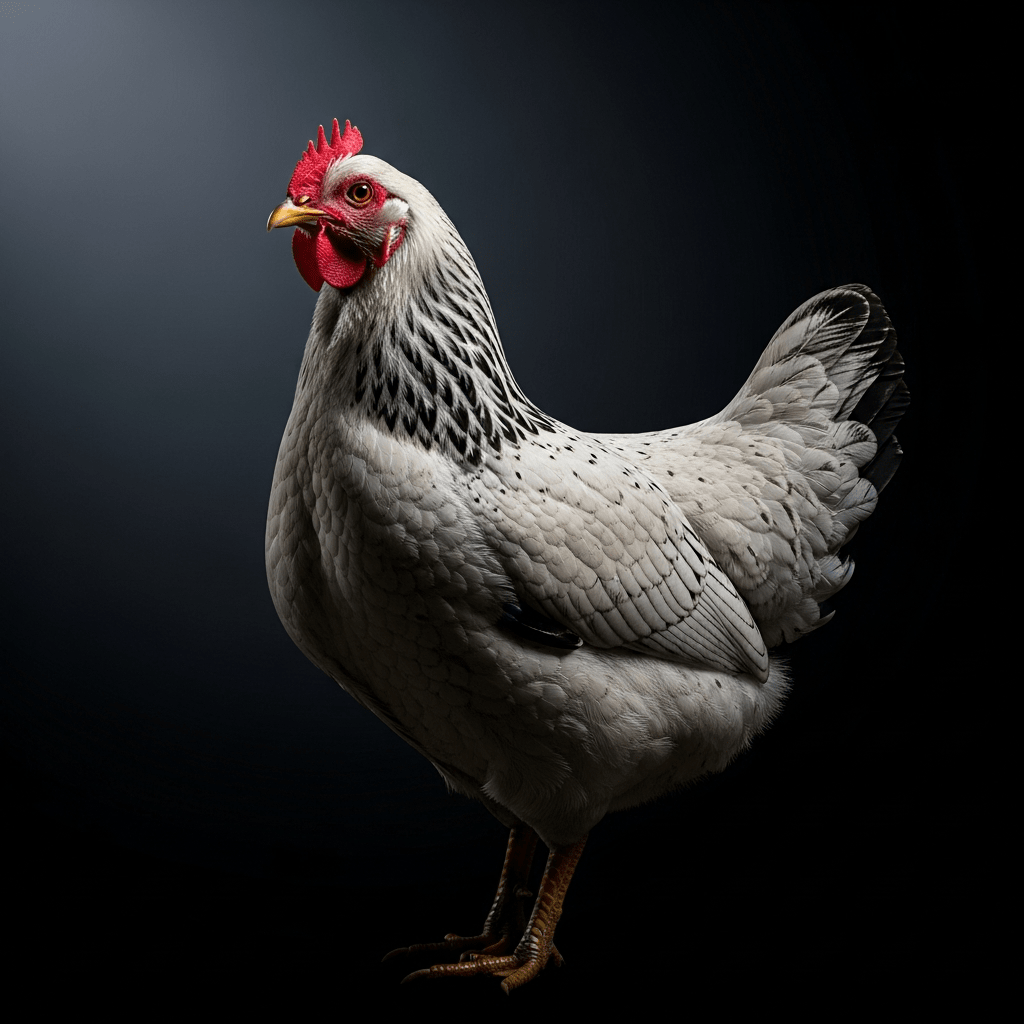
The Delaware is an American dual-purpose chicken breed known for its rapid growth, distinctive white plumage with black barring, and balanced suitability for both meat and egg production.
The Delaware is an American dual-purpose chicken breed known for its rapid growth, distinctive white plumage with black barring, and balanced suitability for both meat and egg production.
Developed in the mid-20th century by George Ellis in Delaware, USA, the Delaware breed originated from crosses between Barred Plymouth Rock males and New Hampshire females. It was created to produce a superior broiler-type bird and gained formal recognition by the American Poultry Association in 1952.
The Delaware fits within the domestic chicken species as a dual-purpose breed, valued for both meat and egg production. It descends primarily from Barred Plymouth Rock and New Hampshire breeds, placing it among American heritage breeds recognized for balanced utility.
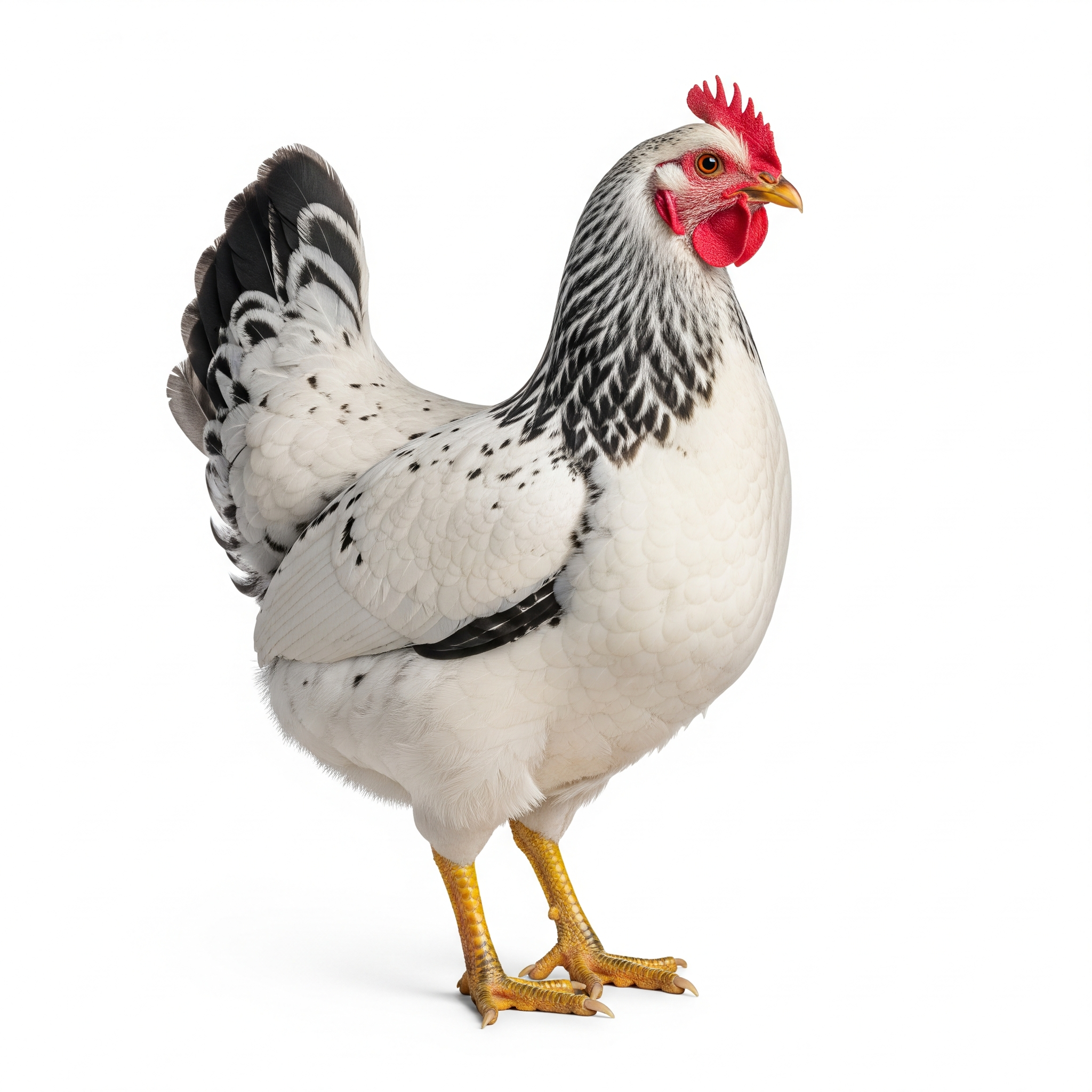
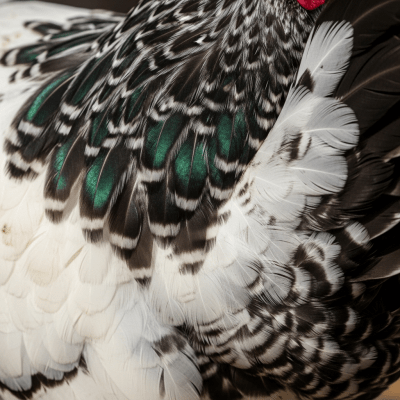
Delaware chickens are medium to large birds, with males weighing around 3.9 kg and females about 2.9 kg. Their plumage is predominantly white, accented by striking black barring on the neck hackles, tail, and wing tips. They feature a medium-sized single comb, complemented by red wattles and earlobes, giving them a clean yet distinctive look.
Known for rapid growth and early maturity, Delawares exhibit a calm temperament and are hardy, adapting well to various climates. They are productive layers, typically producing between 180 and 260 large brown eggs annually, while also providing flavorful, tender meat with good carcass yield. This versatility makes them popular for both small-scale farming and exhibition.
Bring this kind into your world illustrated posters, mugs, and shirts.
Archival print, museum-grade paper
Buy Poster
Stoneware mug, dishwasher safe
Buy Mug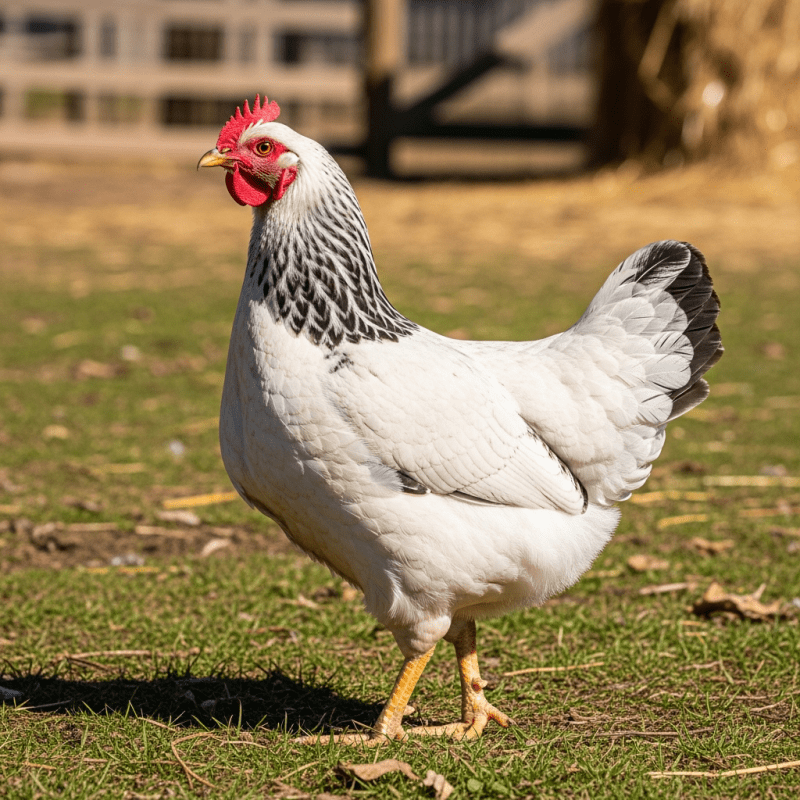
Soft cotton tee, unisex sizes
Buy ShirtWhile primarily valued for their agricultural traits, Delawares hold cultural significance as a heritage American breed. Occasionally called the "Delaware Blue Hen" in reference to the state symbol, they are cherished by poultry enthusiasts and heritage breed conservationists, often showcased in poultry exhibitions.
The Delaware breed is recognized as a single, distinct variety without formally documented sub-varieties or regional strains. It stands apart for its unique plumage pattern and balanced dual-purpose traits within the American heritage chicken breeds.

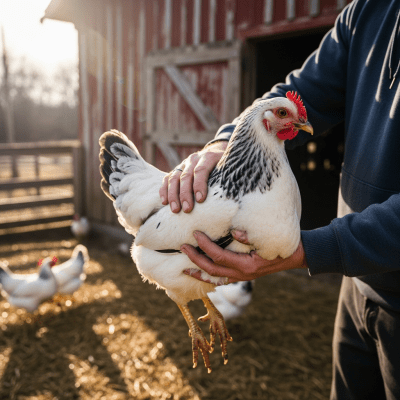

Delawares thrive under a range of farming systems, from backyard flocks to small-scale commercial operations. They require standard poultry care, including balanced nutrition and shelter, and benefit from environments that allow for moderate foraging. Their hardiness and calm disposition make them suitable for novice keepers, though no special disease resistance measures are noted beyond typical poultry management.
Delaware chickens provide flavorful, tender meat prized for its quality and good carcass yield, making them excellent for roasting and other traditional preparations. Their large brown eggs are favored for both household consumption and small commercial markets, reflecting the breed’s dual-purpose versatility.
While once a cornerstone of the broiler industry, the Delaware breed has been largely supplanted by commercial hybrids but remains maintained by heritage breed enthusiasts and conservation groups. Its status is considered stable though less common, with ongoing efforts to preserve its genetic lineage and promote its agricultural and historical value.