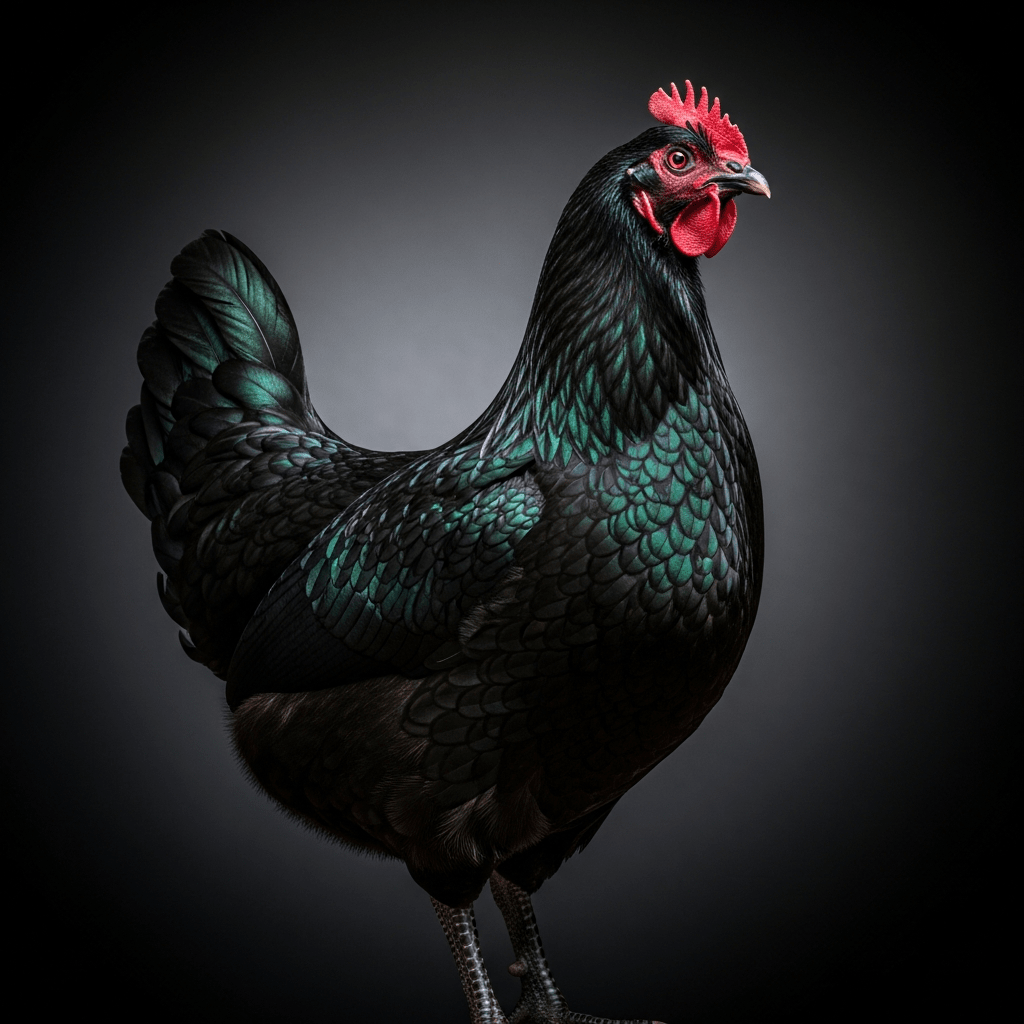
Australorp
The Australorp is a distinguished Australian chicken breed celebrated worldwide for its glossy black plumage, calm temperament, and outstanding egg-laying prowess.
The Australorp is a distinguished Australian chicken breed celebrated worldwide for its glossy black plumage, calm temperament, and outstanding egg-laying prowess.
Developed in Australia during the early 20th century, the Australorp emerged through selective breeding of Black Orpingtons imported from England, with genetic influences from Rhode Island Reds, Minorcas, White Leghorns, and Langshans. Australian poultry breeders standardized the breed, which gained official recognition by major poultry authorities around the 1920s.
As a breed within the domestic chicken species Gallus gallus domesticus, the Australorp is classified as a dual-purpose breed valued for both egg production and meat. It is recognized by authoritative bodies such as the Australian Poultry Standards, American Poultry Association, and the Poultry Club of Great Britain.
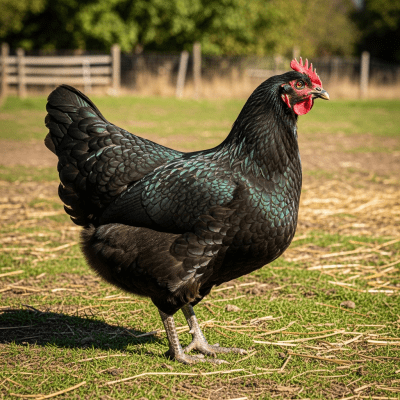
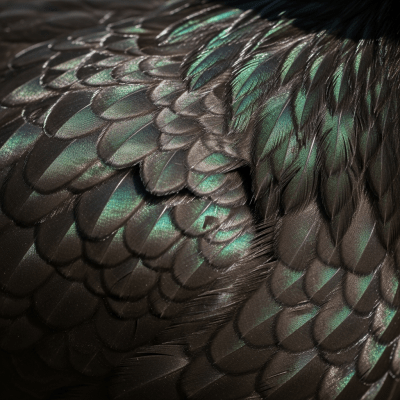
Australorps are medium to large chickens with lustrous black plumage that shimmers with a greenish sheen. They have a single upright comb, dark eyes, black legs, and white skin beneath their feathers. The breed also exists in blue and white varieties in Australia, though black remains the most common internationally.
Known for their calm and docile nature, Australorps adapt well to backyard and commercial settings alike. They grow rapidly with high feed efficiency and thrive in both hot and cold climates. Their primary use is for prolific egg production, typically laying 250 to 300 large, light brown eggs annually, with record hens producing nearly one egg per day.
Bring this kind into your world illustrated posters, mugs, and shirts.
Archival print, museum-grade paper
Buy Poster
Stoneware mug, dishwasher safe
Buy Mug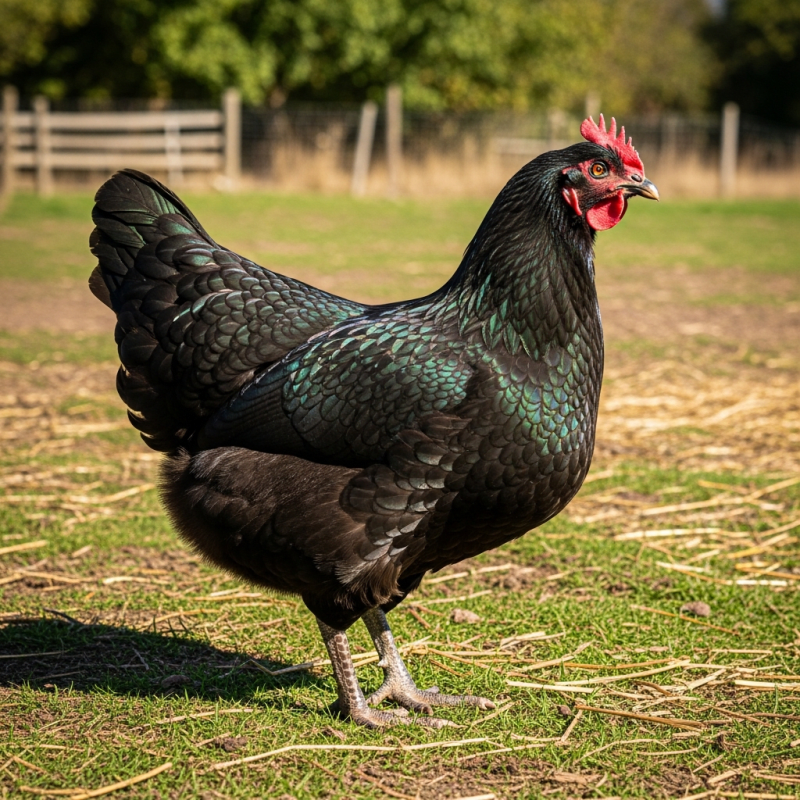
Soft cotton tee, unisex sizes
Buy ShirtThe Australorp holds a respected place in poultry culture, symbolizing Australian breeding success and utility. Its attractive plumage and balanced form make it a popular choice in poultry exhibitions across Australia, the United States, and the United Kingdom, reflecting both agricultural heritage and ornamental appeal.
The Australorp breed includes several color varieties, with black being the most prevalent internationally. In Australia, blue and white varieties are also recognized, though these are less common. Bantam Australorp varieties exist but are rare. Regional standards may vary slightly in accepted colors and minor physical traits.

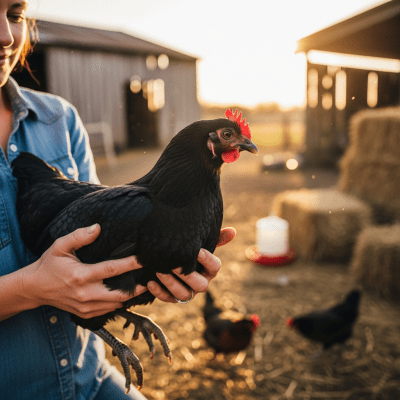

Australorps thrive in diverse farming systems, including backyard, commercial, and free-range setups. They require balanced nutrition to support their rapid growth and high egg production. Their hardy nature allows them to tolerate both hot and cold climates, and their docile temperament eases handling. Regular health checks and clean housing help maintain their robust condition.
While Australorps are primarily valued for their egg-laying capabilities, their meat is also of good quality—tender with a mild flavor—making them suitable for table use. They are not typically bred as broilers but provide a reliable source of both eggs and meat for small-scale and commercial producers.
The Australorp is not considered endangered and maintains a stable population worldwide due to its popularity and adaptability. Conservation efforts focus on preserving its genetic integrity and promoting heritage breed awareness, supported by poultry organizations in Australia, North America, and Europe.