
Chantecler
The Chantecler is a Canadian chicken breed renowned for its exceptional cold-hardiness and dual-purpose utility, prized for both meat and egg production.
The Chantecler is a Canadian chicken breed renowned for its exceptional cold-hardiness and dual-purpose utility, prized for both meat and egg production.
Developed in Quebec, Canada, during the early 20th century, the Chantecler was created by Brother Wilfrid Chatelain at the Abbey of Notre-Dame du Lac starting in 1907, with formal recognition in 1918. It was bred specifically to thrive in harsh northern climates by crossing White Leghorn, Rhode Island Red, White Plymouth Rock, White Wyandotte, and Cornish breeds. Later, the Partridge Chantecler variety emerged in the 1930s at the University of Alberta through crosses involving Partridge Wyandotte, Partridge Cochin, Dark Cornish, and Rhode Island Red.
The Chantecler fits within the domestic chicken species as a large dual-purpose breed, valued for both egg laying and meat production. It is recognized by major poultry authorities such as the American Poultry Association and is distinguished by unique traits suited to cold climates.
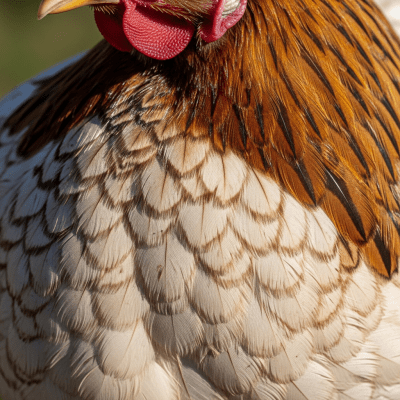
Chanteclers are large, robust birds with a broad, well-fleshed body. They feature a distinctive small cushion comb and tiny wattles, adaptations that reduce frostbite risk in cold weather. Their plumage comes primarily in white—the original variety—and partridge, a later recognized color. Males typically weigh about 3.9 kg (8.5 lbs), while females average 2.9 kg (6.5 lbs).
This breed exhibits a docile temperament and adapts well to both confinement and free-range environments. It grows rapidly with efficient feed conversion and produces a moderate annual yield of 200 to 220 brown eggs. The Chantecler’s remarkable cold-hardiness makes it especially suited for northern farming conditions, though it is less tolerant of heat.
Bring this kind into your world illustrated posters, mugs, and shirts.
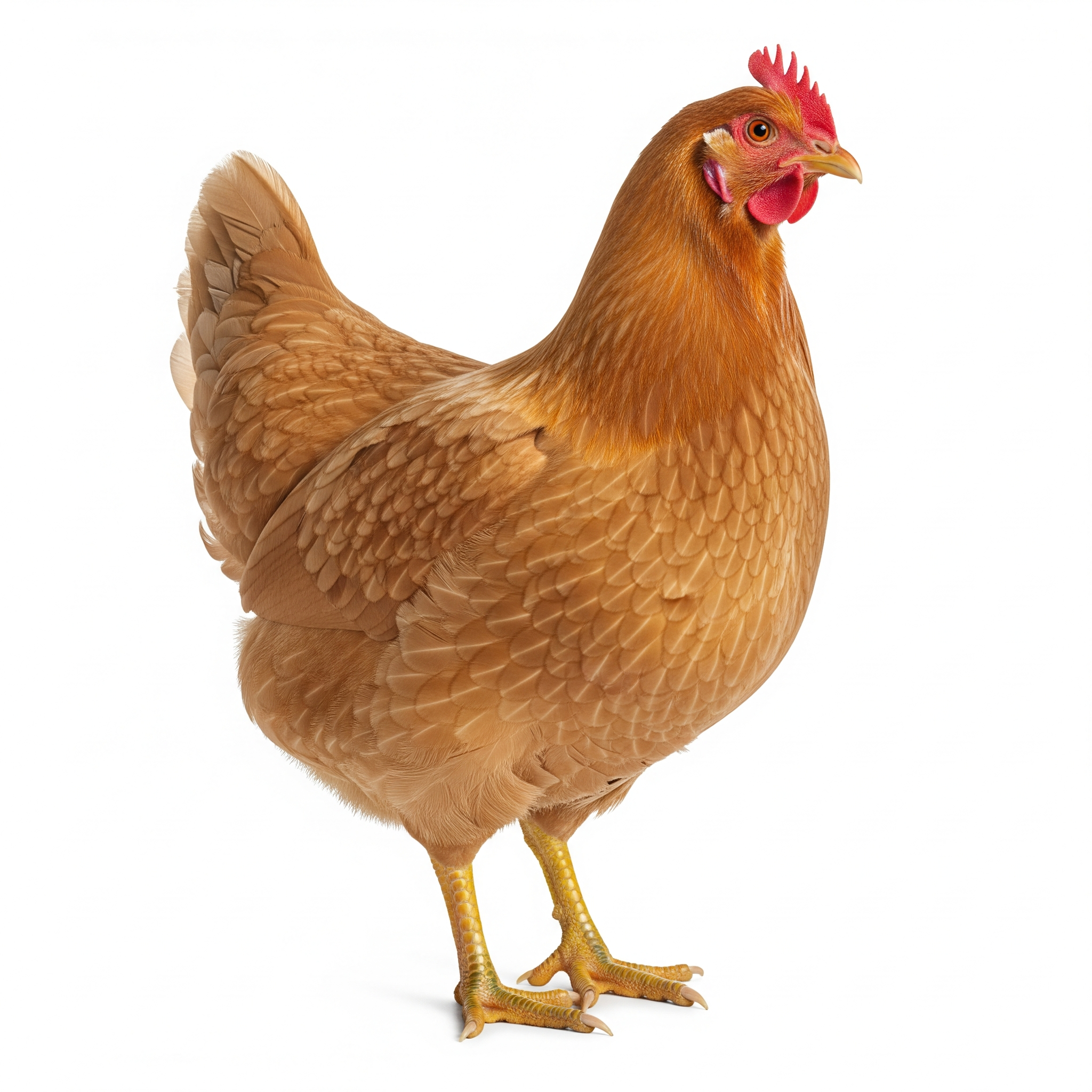
Archival print, museum-grade paper
Buy Poster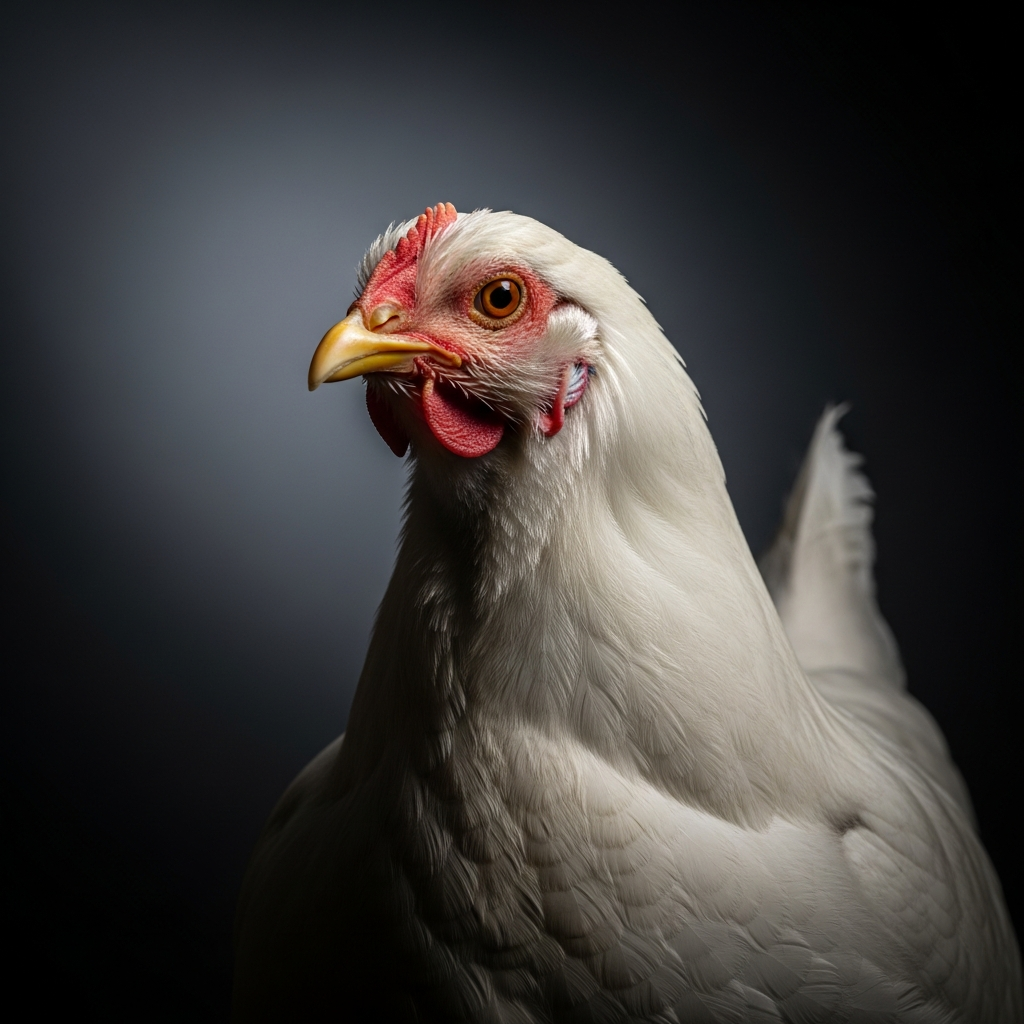
Stoneware mug, dishwasher safe
Buy Mug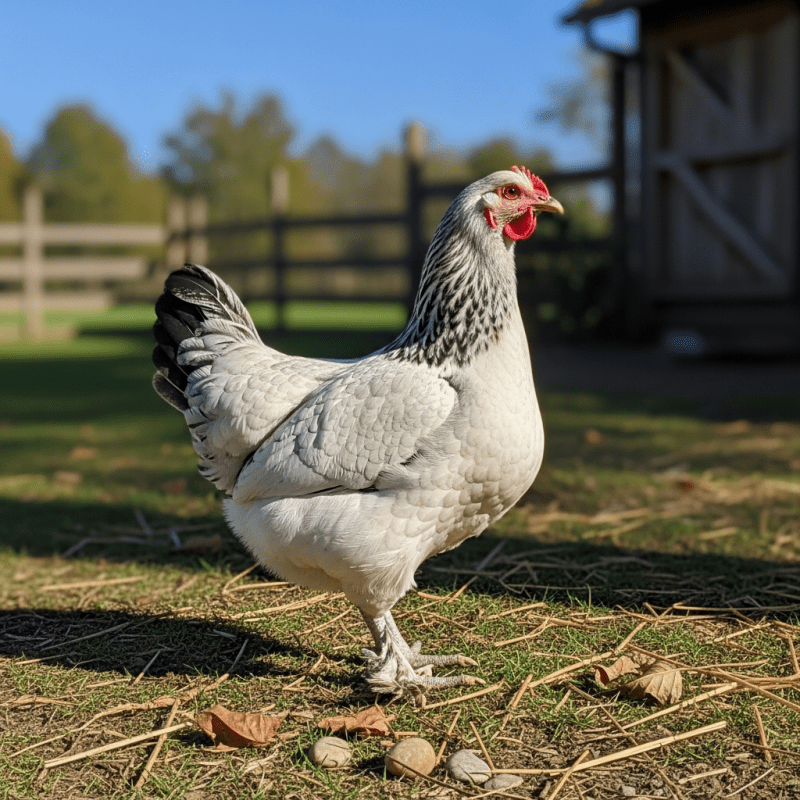
Soft cotton tee, unisex sizes
Buy ShirtAs one of the few chicken breeds originating in Canada, the Chantecler holds a special place in Canadian agricultural heritage. It symbolizes innovation in adapting poultry to challenging climates and is celebrated among heritage poultry enthusiasts. Both the White and Partridge varieties are also exhibited in poultry shows, reflecting their cultural and aesthetic value.
The Chantecler breed includes two primary varieties: the original White Chantecler and the Partridge Chantecler. The White variety was the first developed and remains the most common, while the Partridge variety was introduced later in the 1930s through selective crosses at the University of Alberta. Both varieties share the breed’s hallmark cold-hardiness and dual-purpose traits.


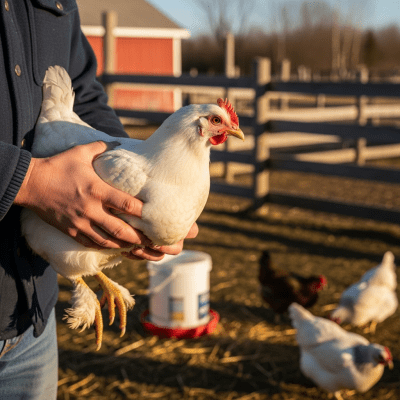

Chanteclers are well-suited to smallholder and heritage poultry farming systems, thriving in both free-range and confined setups. Their docile nature facilitates easy handling. Optimal care includes protection from excessive heat, given their lower heat tolerance, and providing adequate shelter during cold weather despite their hardiness. Their rapid growth and good feed efficiency make them economical to raise, with no specific disease vulnerabilities beyond general poultry health considerations.
As a dual-purpose breed, the Chantecler serves both the egg and meat markets. Its large, well-muscled carcass offers quality meat suitable for table use, while its steady production of brown eggs supports small-scale egg sales. Though not widely commercialized, it remains popular among heritage poultry enthusiasts and in regions where cold-hardiness is essential.
The Chantecler is considered a heritage breed with a stable but limited population, primarily maintained by smallholders and poultry enthusiasts. Conservation efforts focus on preserving its unique genetic traits and cold-hardiness, with recognition from organizations like the Livestock Conservancy supporting its continued stewardship. It is not currently classified as endangered but benefits from ongoing heritage breed promotion.