Buckeye
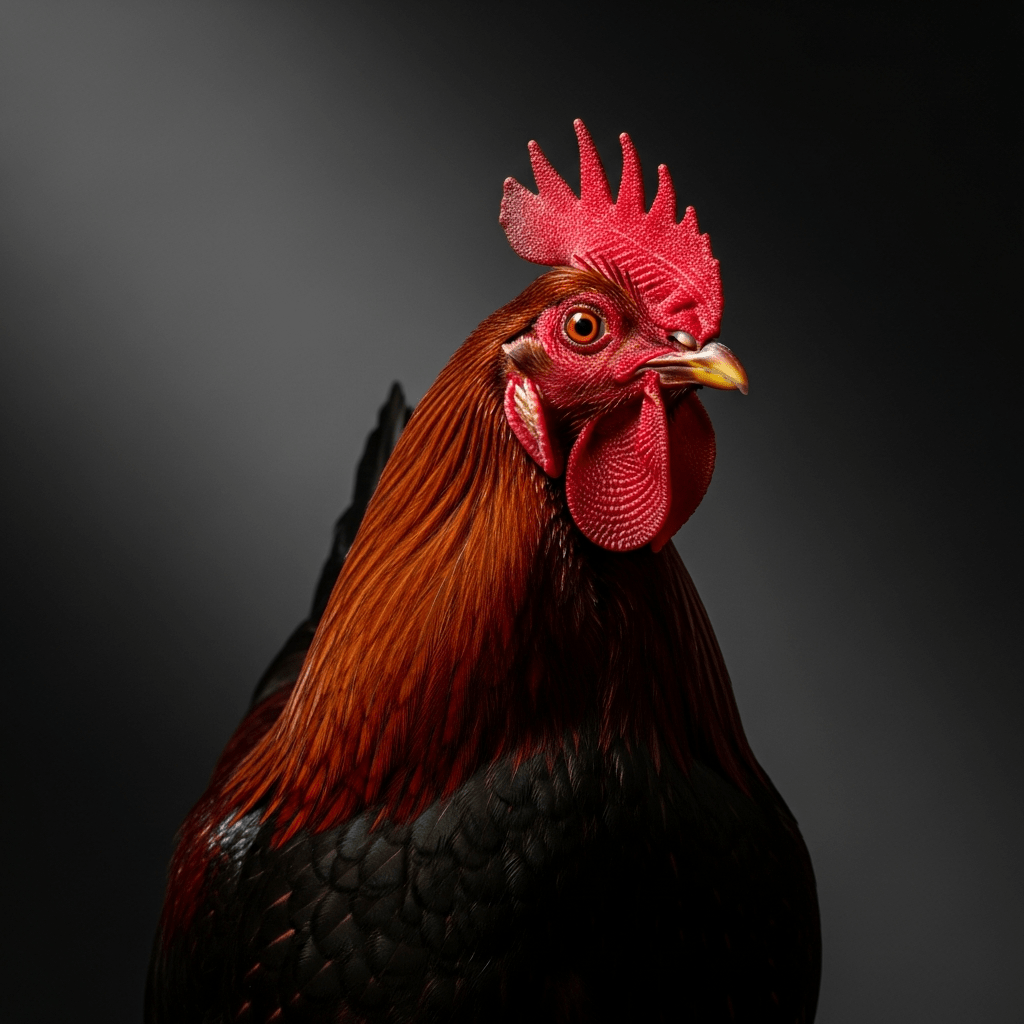
The Buckeye is a distinctive American dual-purpose chicken breed known for its deep mahogany plumage and hardy pea comb, prized for both meat and egg production.
The Buckeye is a distinctive American dual-purpose chicken breed known for its deep mahogany plumage and hardy pea comb, prized for both meat and egg production.
Developed in 1896 in Ohio by Mrs. Nettie Metcalf, the Buckeye breed arose from crossing Barred Plymouth Rocks, Buff Cochins, and black-breasted red game fowl. It holds the unique distinction of being the only American chicken breed created by a woman and was officially recognized by the American Poultry Association in 1904.
The Buckeye fits within the domesticated chicken species Gallus gallus domesticus as a recognized breed valued for its dual-purpose utility, combining traits suitable for both egg laying and meat production.
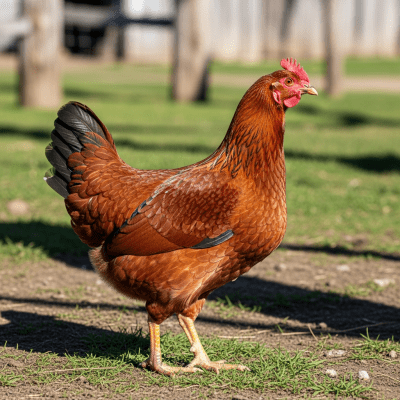
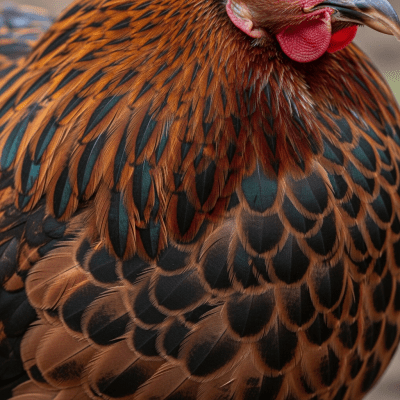
Buckeyes are medium to large chickens with a broad, muscular build and a well-rounded breast carried horizontally. Their plumage is a rich, deep mahogany red, complemented by yellow skin and legs. The breed’s hallmark is its distinctive pea comb, which offers excellent frostbite resistance. Additional features include reddish-bay eyes and a horn-colored beak.
Known for their active temperament, Buckeyes are hardy birds well-suited to cold climates. They are active foragers adaptable to both free-range and confined environments. Their moderate growth rate and balanced egg production make them valuable for small-scale farmers seeking a reliable dual-purpose breed.
Bring this kind into your world illustrated posters, mugs, and shirts.
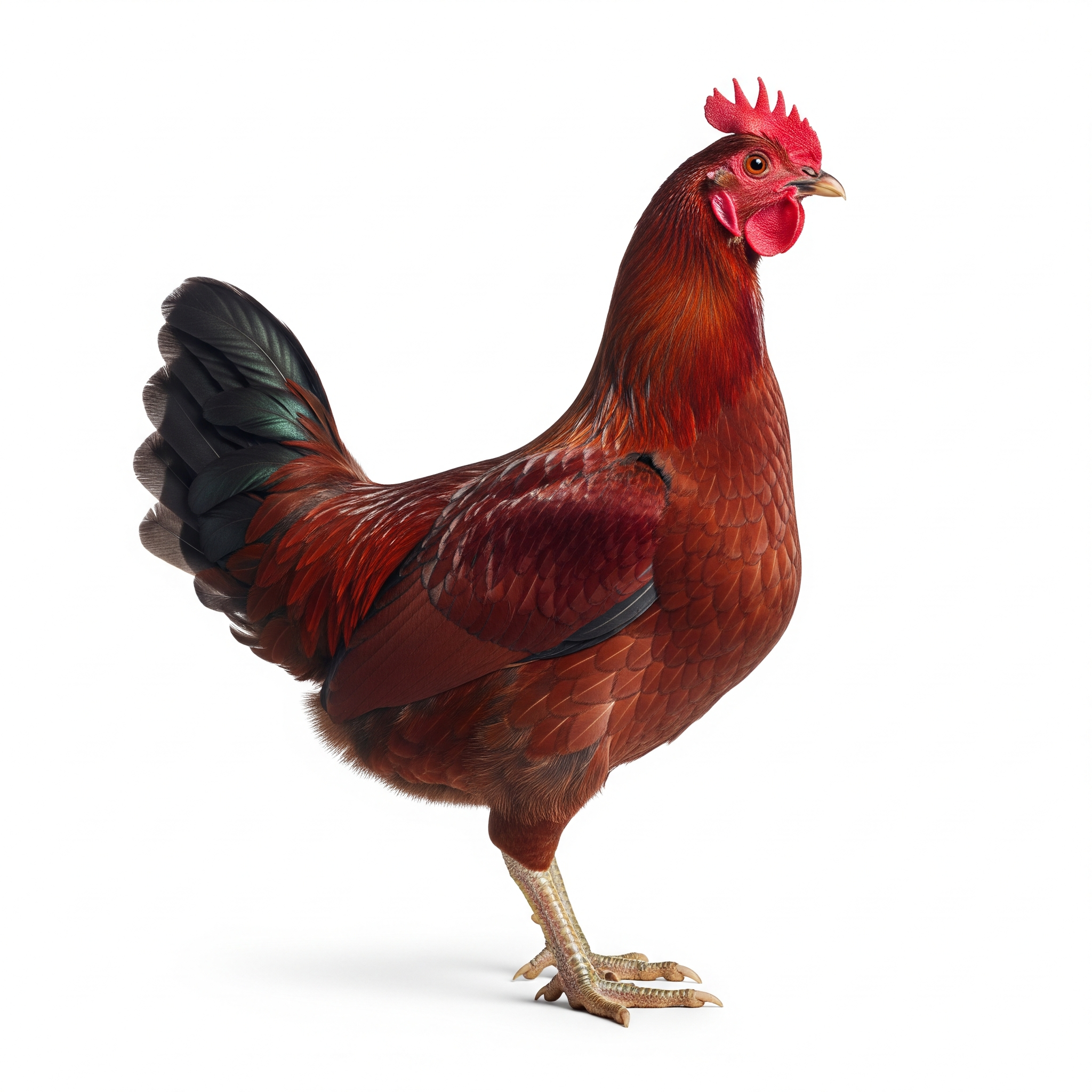
Archival print, museum-grade paper
Buy Poster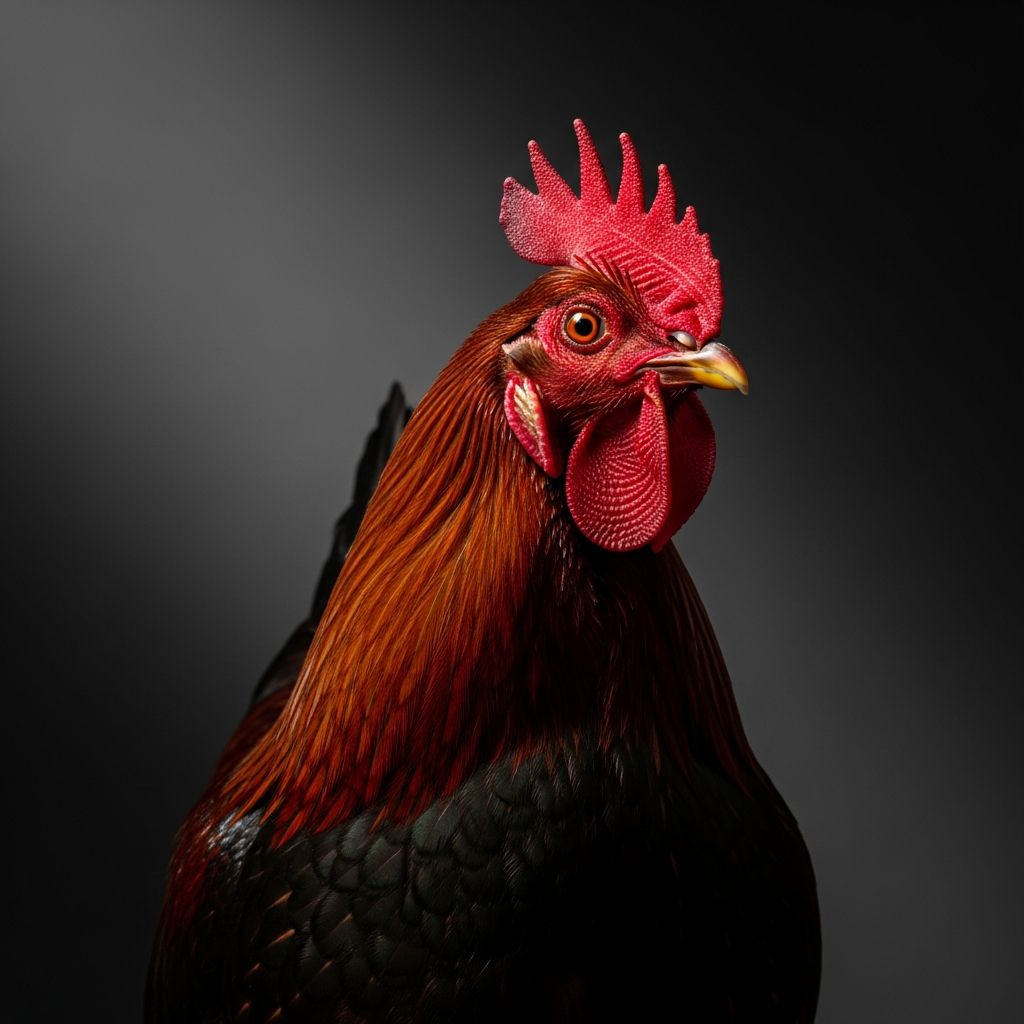
Stoneware mug, dishwasher safe
Buy Mug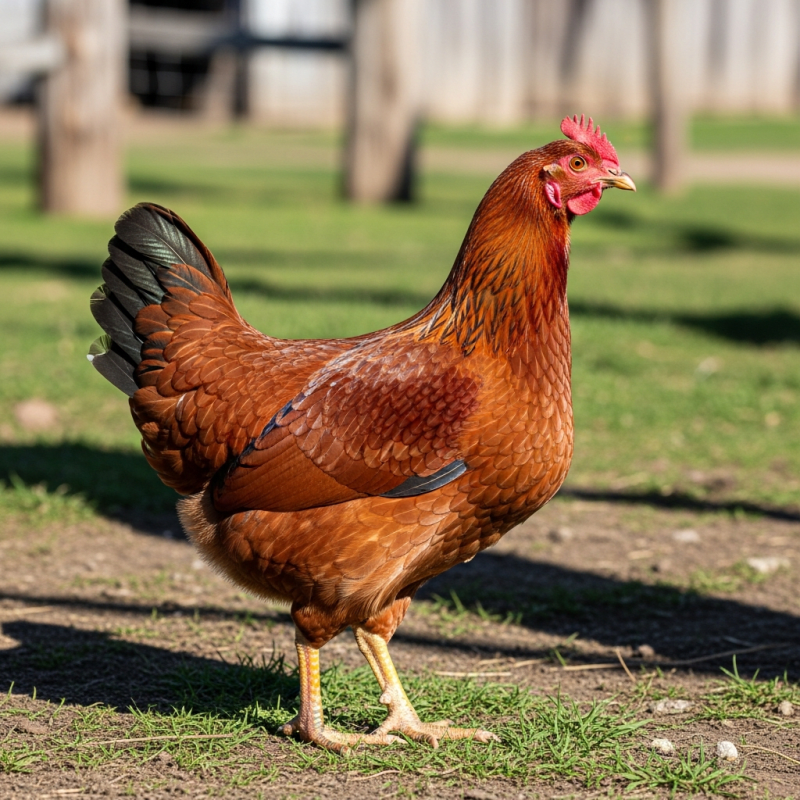
Soft cotton tee, unisex sizes
Buy ShirtThe Buckeye breed holds cultural importance as a symbol of Ohio’s agricultural heritage and as a testament to female contribution in poultry breeding. Its unique origin story and enduring presence among heritage poultry enthusiasts underscore its role beyond mere utility.
The Buckeye breed is recognized primarily in its standard form, characterized by its deep mahogany plumage and pea comb. While occasionally called "Buckeye Red" informally, no distinct varieties or regional strains are formally acknowledged.

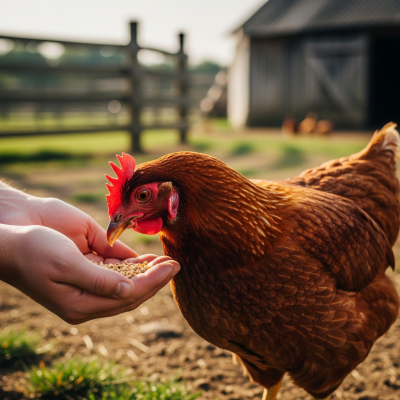

Buckeyes thrive in diverse farming systems, including free-range and confinement setups. Their hardiness and active foraging ability reduce feeding costs and improve adaptability. They require standard poultry care with attention to shelter from extreme weather, though their pea comb offers natural protection against frostbite. Regular health monitoring is advised, but the breed shows no known specific vulnerabilities.
Buckeyes provide flavorful, firm meat prized in traditional table preparations. Their medium brown eggs suit household consumption and small-scale commercial markets. Though not common in large-scale industrial farming, they remain popular among small farms and heritage poultry keepers for both culinary and exhibition purposes.
While not classified as endangered, the Buckeye is considered a heritage breed with a relatively limited population. Conservation efforts focus on maintaining its genetic diversity through small farm stewardship and heritage poultry programs, ensuring its continued presence as a unique American breed.