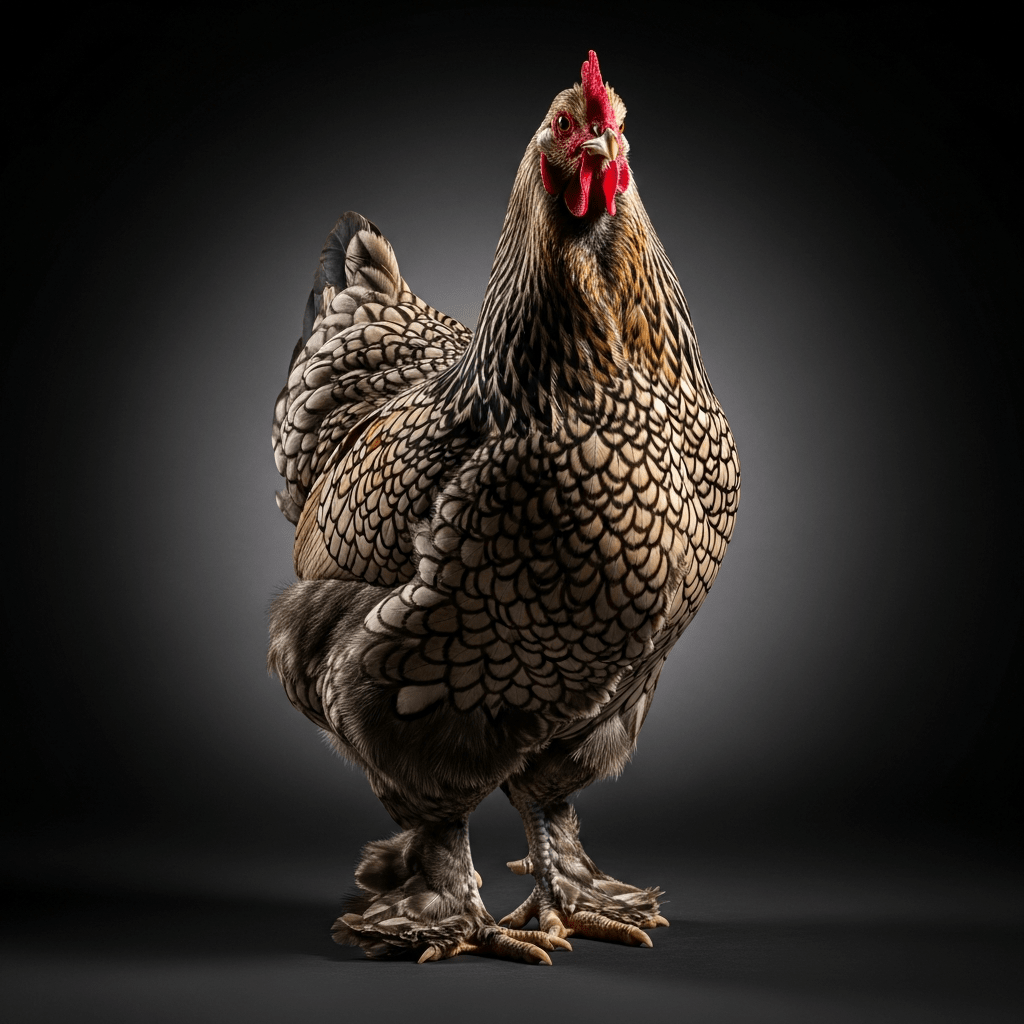
Brahma
The Brahma is a large, dual-purpose chicken breed celebrated for its impressive size, feathered legs, and calm, docile temperament.
The Brahma is a large, dual-purpose chicken breed celebrated for its impressive size, feathered legs, and calm, docile temperament.
Developed in the United States during the mid-19th century, the Brahma originated from crossbreeding imported birds from Shanghai, China, with Chittagong fowl from India. This blend of Asian ancestry, primarily the Shanghai and Gray Chittagong chickens, gave rise to its distinctive physical traits. The breed gained formal recognition by the American Poultry Association in 1874, emerging through the collective efforts of American poultry enthusiasts rather than a single breeder.
Classified within the domesticated chicken species Gallus gallus domesticus, the Brahma is recognized as a large, dual-purpose breed valued for both meat and egg production. It fits into the broader category of heritage breeds noted for their size, feathered legs, and calm disposition, and is acknowledged by major poultry authorities worldwide.
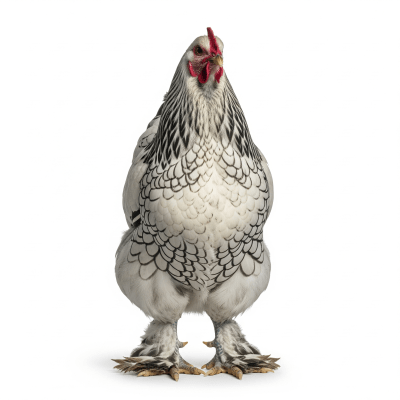
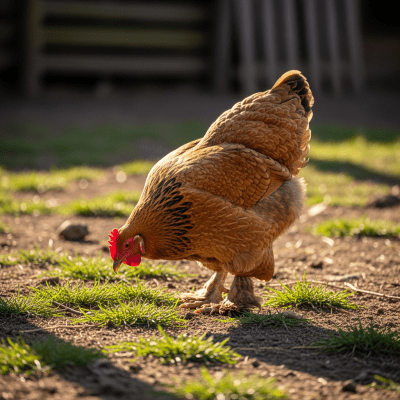
Brahmas are among the largest chicken breeds, with males weighing around 5.5 kg and females about 4.5 kg. They possess broad bodies, deep breasts, and a robust, upright carriage. Their legs and toes are heavily feathered, complementing their distinctive pea comb. Recognized plumage varieties include Light (white with black hackles and tail), Dark (black and silver penciled), and Buff (golden buff with black markings). Both skin and leg color are yellow, enhancing their striking appearance.
Known for their calm and docile temperament, Brahmas are well-suited for backyard flocks and exhibition purposes. They mature at a moderate pace, slower than commercial broilers, and are hardy in cold climates thanks to their size and dense feathering. Their dual-purpose nature makes them valuable for both meat and egg production, laying 140 to 180 medium to large brown eggs annually, often maintaining good laying through winter months.
Bring this kind into your world illustrated posters, mugs, and shirts.
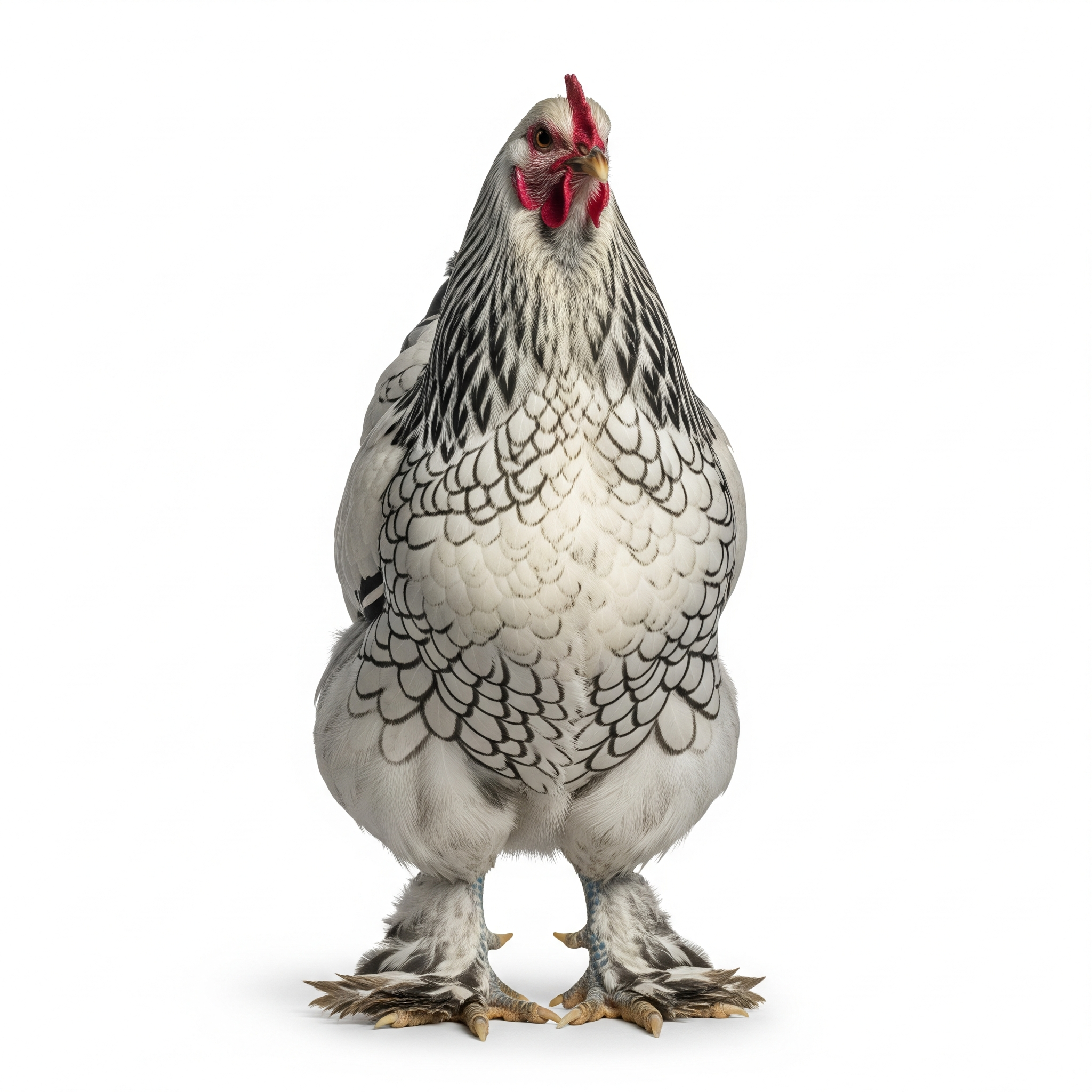
Archival print, museum-grade paper
Buy Poster
Stoneware mug, dishwasher safe
Buy Mug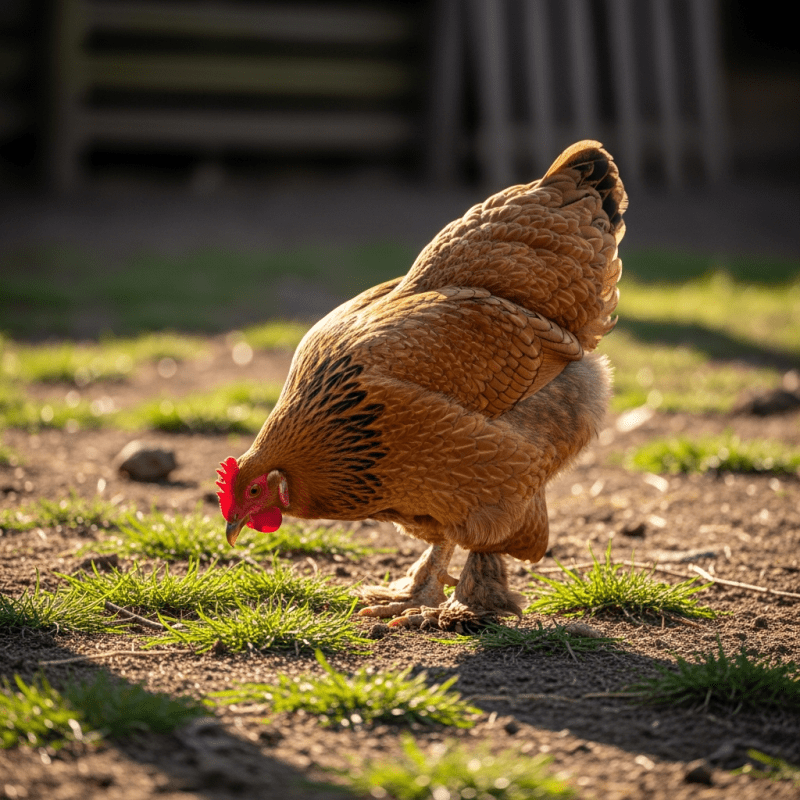
Soft cotton tee, unisex sizes
Buy ShirtOften referred to colloquially as the "King of Chickens" in the United States, the Brahma holds a notable place in poultry exhibitions and heritage breed circles. Its impressive stature and feathered elegance have made it a favorite among breeders and enthusiasts, symbolizing both historical American poultry development and the enduring legacy of Asian breed influences.
The Brahma breed includes three main recognized color varieties: Light, featuring a white body with black hackles and tail; Dark, characterized by black and silver penciled plumage; and Buff, displaying a golden buff body with black markings. These varieties are consistent across regions, with some local preferences but no significant regional variants. Historically, the breed has also been associated with the names "Shanghai" and "Gray Chittagong," reflecting its ancestral roots.
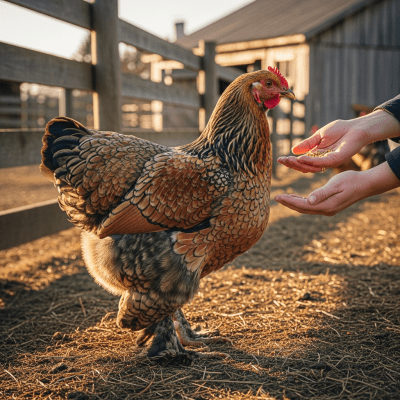


Raising Brahmas requires attention to their feathered legs, which can accumulate mud and are susceptible to frostbite in damp or cold environments. They thrive in backyard and exhibition settings, tolerating confinement well. Their moderate growth rate means they mature more slowly than commercial broilers, so patience is needed for meat production. Providing dry, clean bedding and shelter from harsh weather helps maintain their health and feather condition. Their docile nature makes them easy to handle and integrate into mixed flocks.
Brahmas have historically been prized for their large carcasses and fine-textured meat, making them a favored meat breed in the United States during the 19th and early 20th centuries. While less common in commercial meat production today, they remain valued by smallholders for quality meat and steady egg production. Their eggs are medium to large, brown, and known for consistent laying even in colder months, adding to their culinary appeal.
Though no longer dominant in commercial poultry, the Brahma breed is well-established among heritage and exhibition breeders worldwide. It is recognized by major poultry authorities including the American Poultry Association and British Poultry Standards. While not currently listed as endangered, maintaining Brahma populations supports genetic diversity and preserves a breed with significant historical and cultural value.