Sumatra
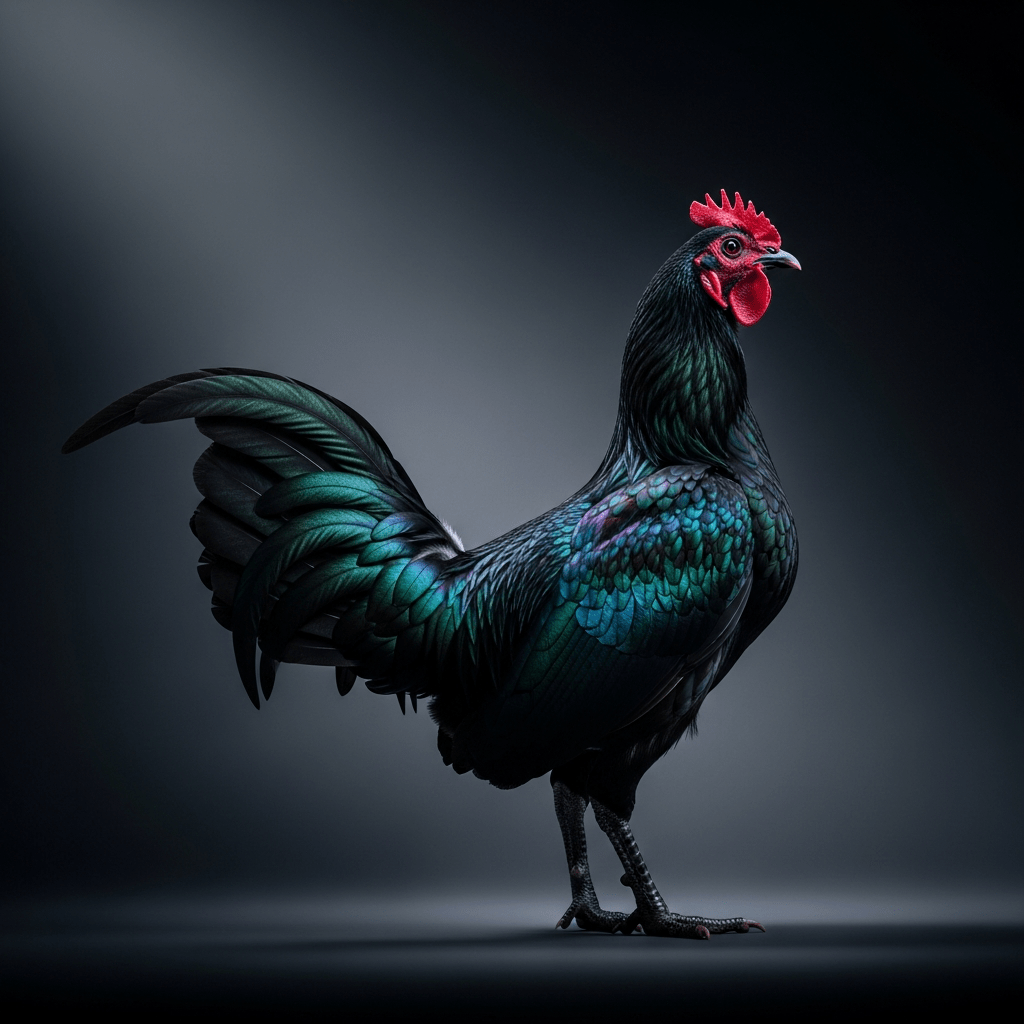
The Sumatra is a medium-sized ornamental chicken breed from Indonesia, celebrated for its striking black plumage with a green sheen and exceptionally long tail feathers.
The Sumatra is a medium-sized ornamental chicken breed from Indonesia, celebrated for its striking black plumage with a green sheen and exceptionally long tail feathers.
Originating from the island of Sumatra in Indonesia during the mid-19th century, the Sumatra breed was established from indigenous junglefowl populations, possibly including Gallus gallus and local long-tailed fowl. It was introduced to the United States and Europe around 1847–1850, gaining formal recognition by the American Poultry Association in 1883. Rather than being developed by specific breeders, the breed arose from wild-caught stock native to the region.
The Sumatra belongs to the broader domesticated chicken species, Gallus gallus domesticus, classified primarily as an ornamental breed. It is distinct within the taxonomy for its unique appearance and exhibition focus, setting it apart from commercial meat or egg-laying types.
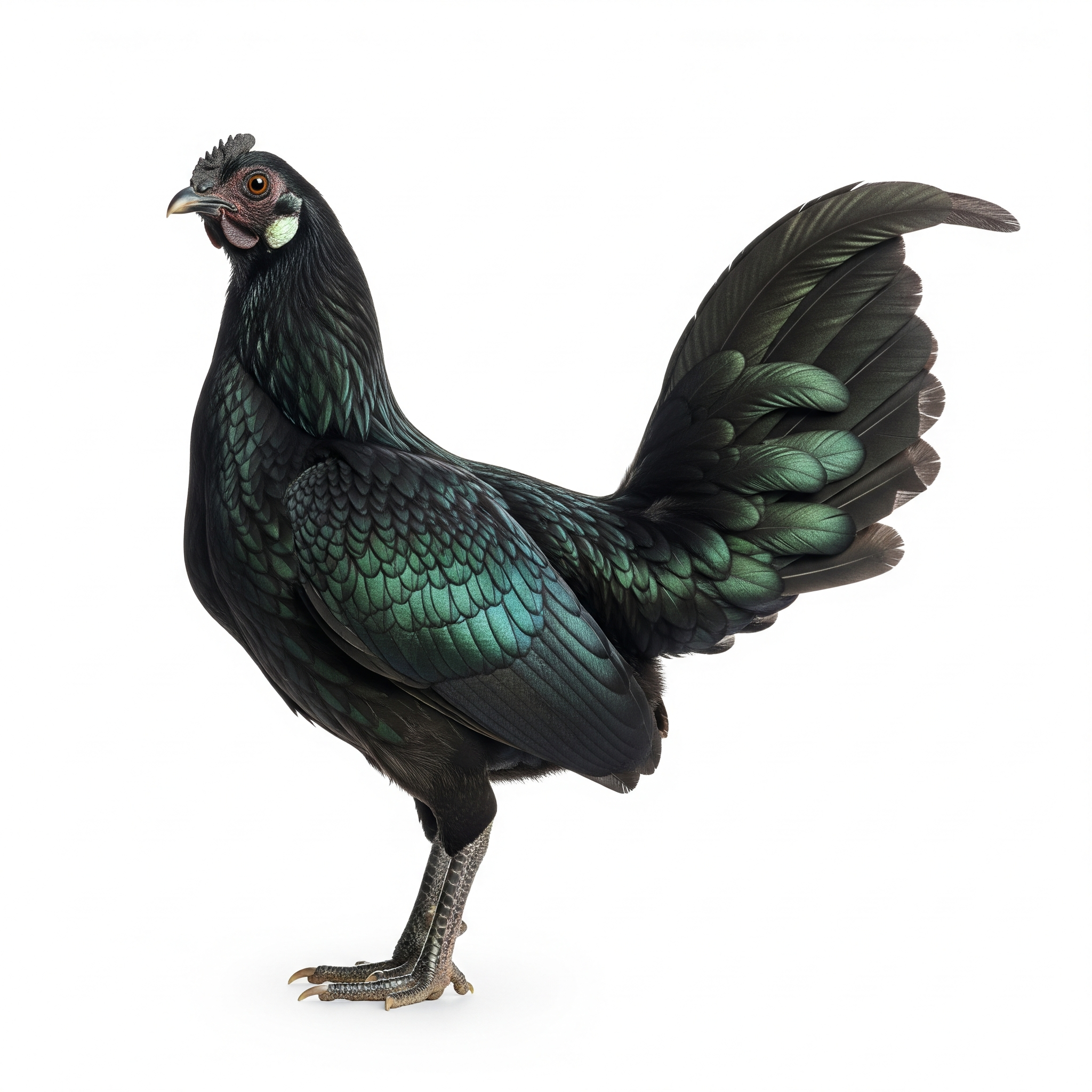
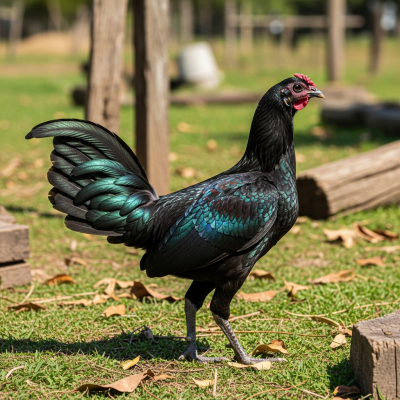
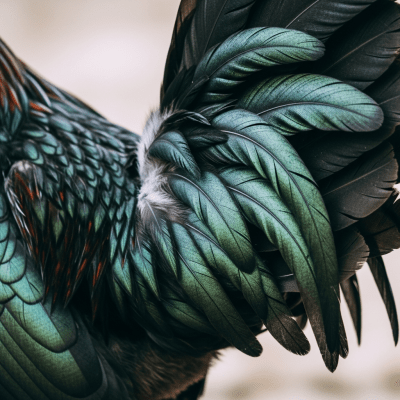
Sumatra chickens are medium-sized, with males weighing around 2.5 kg and females about 2.0 kg. They feature lustrous black feathers with a vivid green iridescence and possess exceptionally long, flowing tail feathers often exceeding 60 cm in males. Their comb is small and pea-shaped, complemented by a dark face and black or dark slate legs. A rare trait among chickens, Sumatras have multiple spurs on each leg, enhancing their distinctive silhouette.
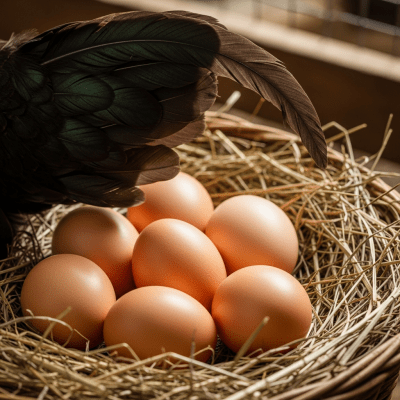
Known for their active and flighty temperament, Sumatra chickens retain several feral behaviors such as strong roosting and foraging instincts. They are hardy in warm climates but vulnerable to cold due to their light build and minimal comb. Their slow growth rate and modest egg production—typically 100 to 120 small white eggs annually—make them unsuitable for commercial farming, with their primary role being ornamental and exhibition purposes.
Bring this kind into your world illustrated posters, mugs, and shirts.
Archival print, museum-grade paper
Buy Poster
Stoneware mug, dishwasher safe
Buy Mug
Soft cotton tee, unisex sizes
Buy ShirtThe Sumatra breed holds cultural value as a living emblem of Indonesian avian biodiversity. Historically, some strains were used in cockfighting in Indonesia, though this practice is uncommon elsewhere. Today, the breed is cherished by poultry enthusiasts worldwide for its heritage and unique aesthetic, often showcased in exhibitions and poultry shows.
The Sumatra breed is primarily recognized in its black variety, noted for its glossy green sheen. While blue and white varieties have been documented, they lack universal acceptance and formal recognition. Alternate names include Sumatran Longtail, Sumatran Game, and locally in Indonesia, Ayam Sumatra. The breed’s classification remains focused on ornamental traits rather than functional varieties.
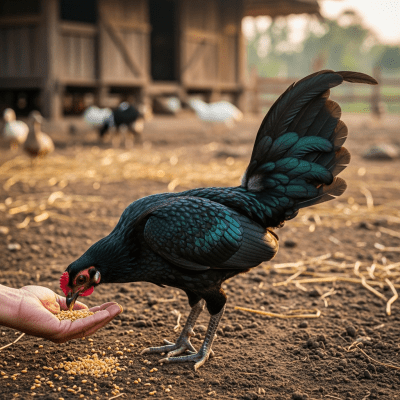
Sumatra chickens thrive best in warm climates where their light build and minimal comb pose less risk of frostbite. They require ample space to accommodate their active and flighty nature, along with opportunities for foraging, which they do strongly. Due to their slow growth and low egg production, they are best suited for hobbyists and exhibition breeders rather than commercial farming. Protection from cold and predators is essential, and disease resistance data is limited, so attentive care is advised.
Sumatra chickens are rarely used for culinary purposes due to their small size and low meat yield. Their meat quality is considered average, and eggs are small and infrequently produced. Historically, some Indonesian strains were involved in cockfighting rather than food production. Today, their culinary role is minimal, with the breed valued chiefly for ornamental and exhibition purposes.
The Sumatra breed is recognized by major poultry authorities such as the American Poultry Association and British Poultry Standards, underscoring its heritage significance. While not classified as endangered, it remains a rare ornamental breed with limited commercial use. Conservation efforts focus on maintaining its unique genetic traits and promoting its presence in poultry exhibitions to preserve this distinctive lineage.