Ancona
The Ancona is a Mediterranean chicken breed celebrated for its striking mottled black-and-white plumage and exceptional egg-laying productivity.
The Ancona is a Mediterranean chicken breed celebrated for its striking mottled black-and-white plumage and exceptional egg-laying productivity.
Originating in Italy's Marche region during the mid-19th century, the Ancona was developed from local Leghorn-type chickens. It was imported to England around 1851 and further refined by breeders such as Cobb and Harrison. The breed gained formal recognition by the British Poultry Standards in 1888 and by the American Poultry Association in 1898.
The Ancona belongs to the domestic chicken species Gallus gallus domesticus and is classified as a medium-sized Mediterranean breed primarily valued for egg production. It fits within the broader category of egg-laying poultry breeds and is recognized by major poultry authorities in both Europe and North America.
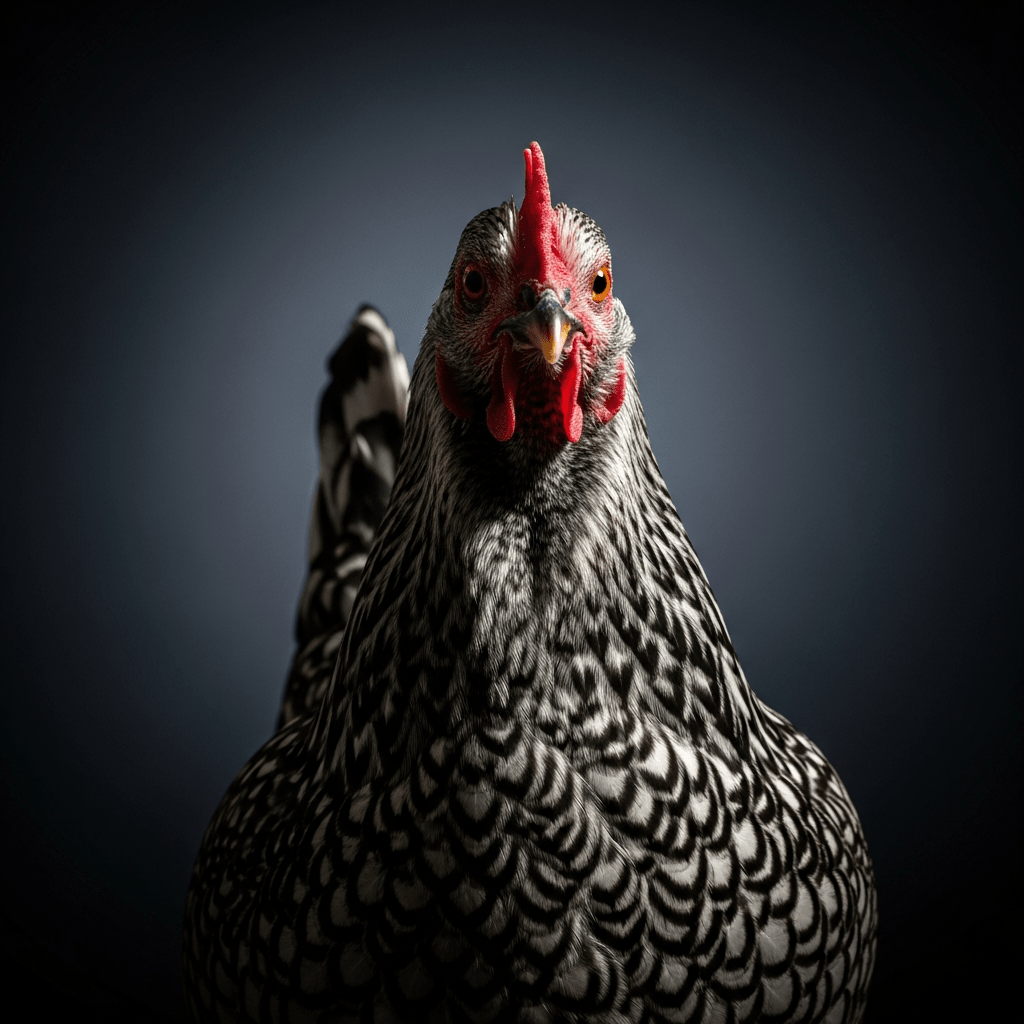
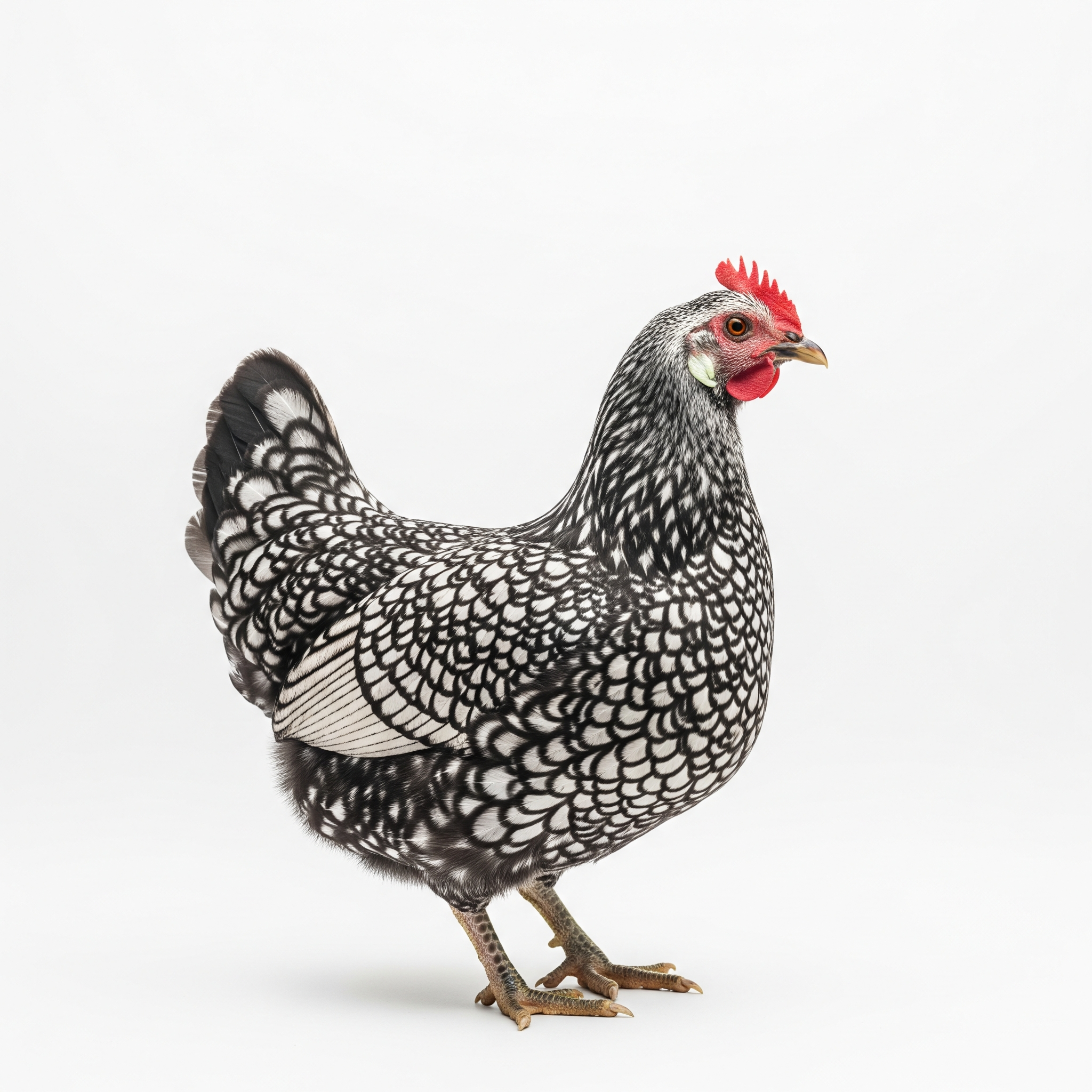
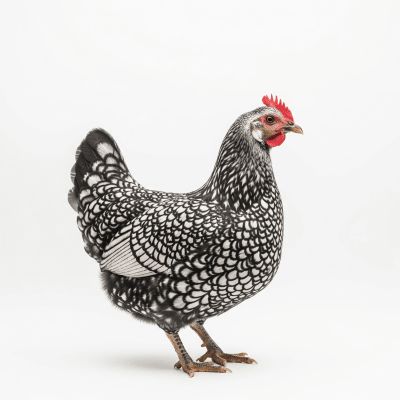
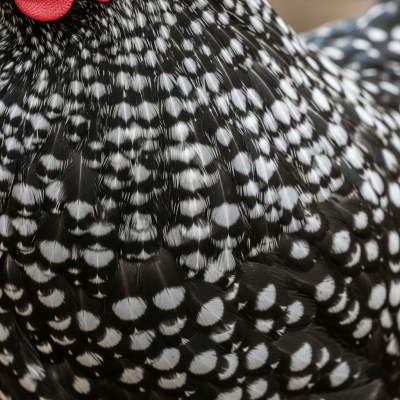
Anconas are medium-sized birds with males weighing about 2.6 kg and females around 2.1 kg. Their distinctive glossy black feathers are tipped with white, creating a mottled pattern that is both elegant and eye-catching. They have yellow legs mottled with black, orange-red eyes, and a yellow beak marked with black. Both single and rose comb types are recognized, varying by region.
Known for their alert and active nature, Anconas possess strong foraging instincts that make them well-suited to free-range environments. They are hardy birds, adaptable to various climates with good disease resistance. Hens are prolific layers, producing over 180 white eggs annually, while broodiness is rare. Their flighty temperament means secure fencing is advisable.
Bring this kind into your world illustrated posters, mugs, and shirts.
Archival print, museum-grade paper
Buy Poster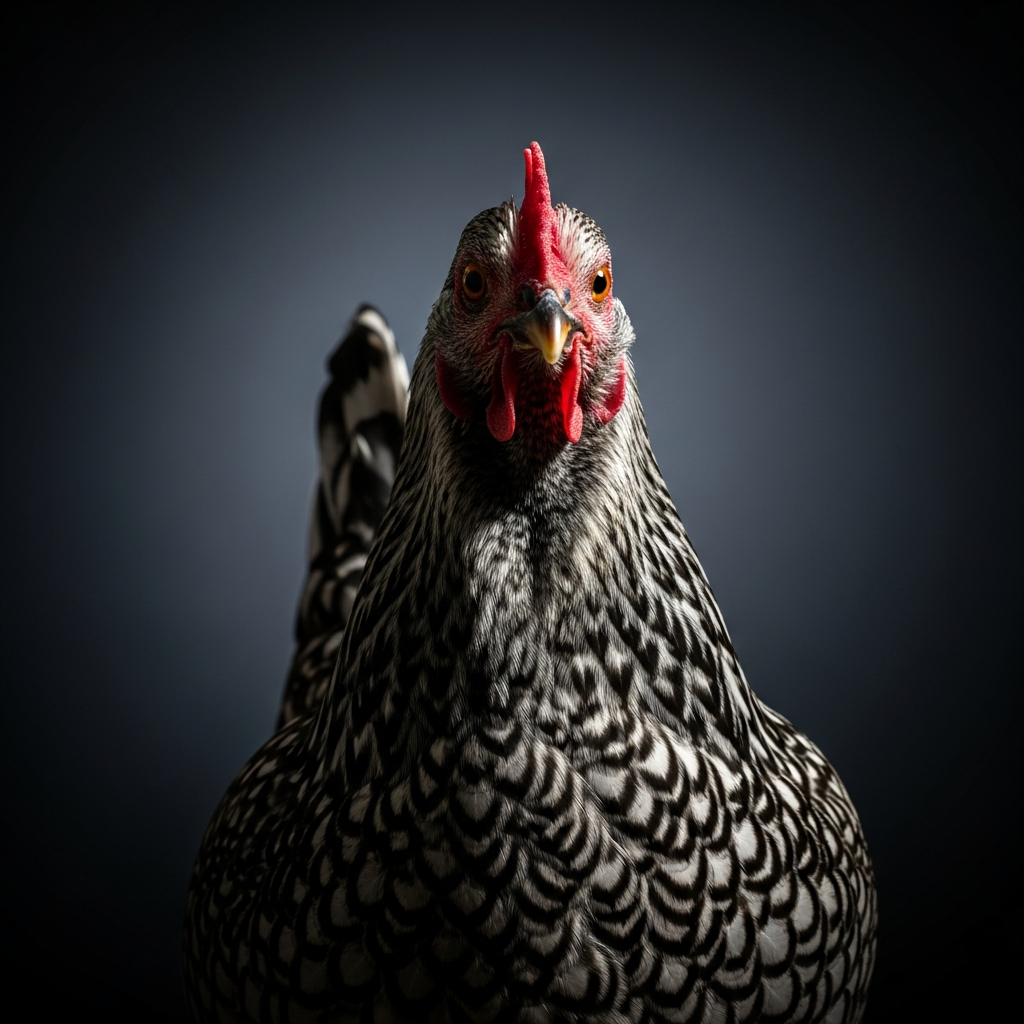
Stoneware mug, dishwasher safe
Buy Mug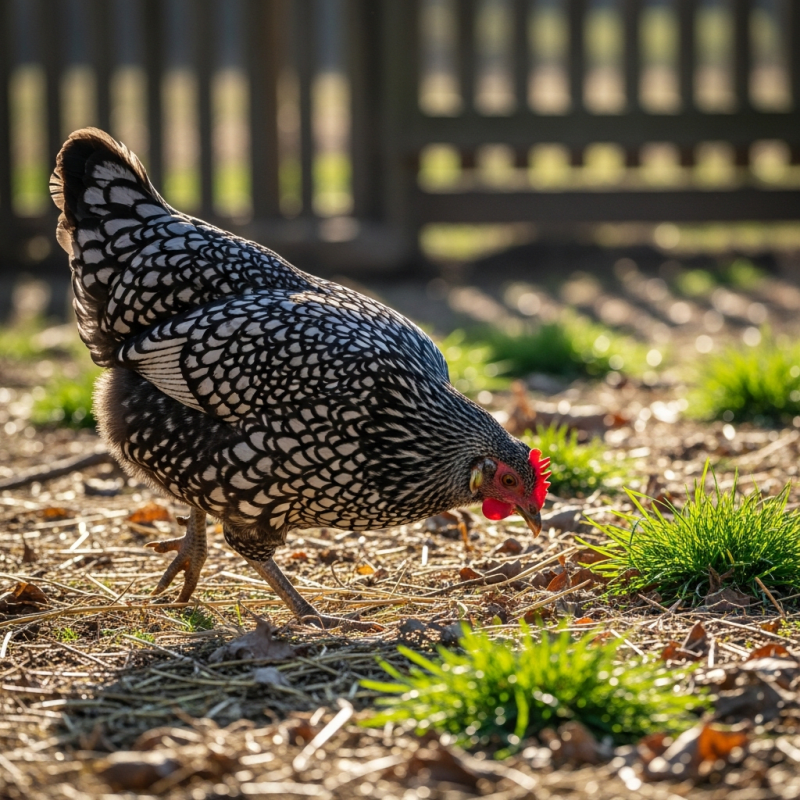
Soft cotton tee, unisex sizes
Buy ShirtThe Ancona holds a valued place among smallholders and backyard poultry enthusiasts, admired both for its productivity and ornamental appearance. It is also a frequent participant in poultry exhibitions, especially in the UK and US, where both single and rose comb varieties are showcased, reflecting its cultural appreciation in poultry-keeping circles.
The Ancona breed includes both single and rose comb varieties, with the rose comb more prevalent in the UK and the single comb standard in the US. While regional strains may show slight differences in plumage pattern and comb type, the breed is generally uniform in its mottled black-and-white appearance. Historically, it was once known as the "Mottled Leghorn," though this name is now obsolete.
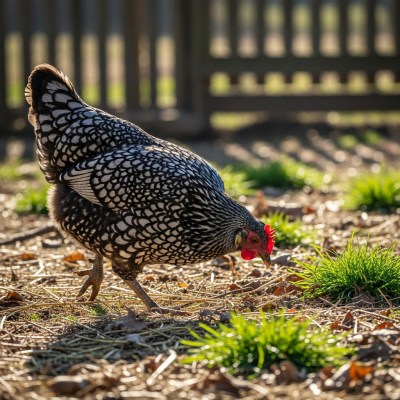
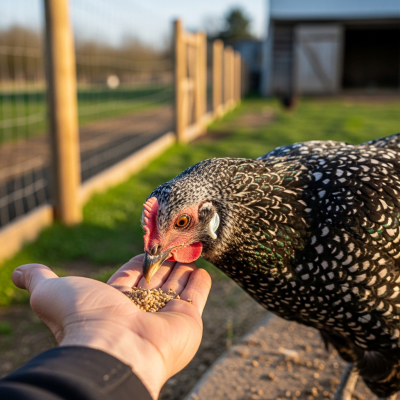

Anconas thrive best in free-range or backyard farming systems where their strong foraging instincts can be exercised. They require secure fencing due to their flighty nature. The breed is hardy across varied climates and shows good resistance to common poultry diseases. Regular provision of balanced feed, clean water, and shelter will support their prolific egg production and overall health.
Primarily valued for egg production, Anconas lay abundant medium-to-large white eggs favored by smallholders and backyard keepers. Their lightweight build results in modest meat yield, and they are not typically raised for commercial meat production. Their eggs and meat are appreciated in home and artisanal culinary contexts rather than large-scale commercial markets.
The Ancona is not currently considered at risk and enjoys stable popularity among small-scale poultry keepers and enthusiasts. Conservation efforts focus on maintaining breed standards and regional varieties, particularly through poultry clubs and breed societies in the UK and US. Its recognized status by major poultry authorities supports ongoing preservation and promotion.