Sebright
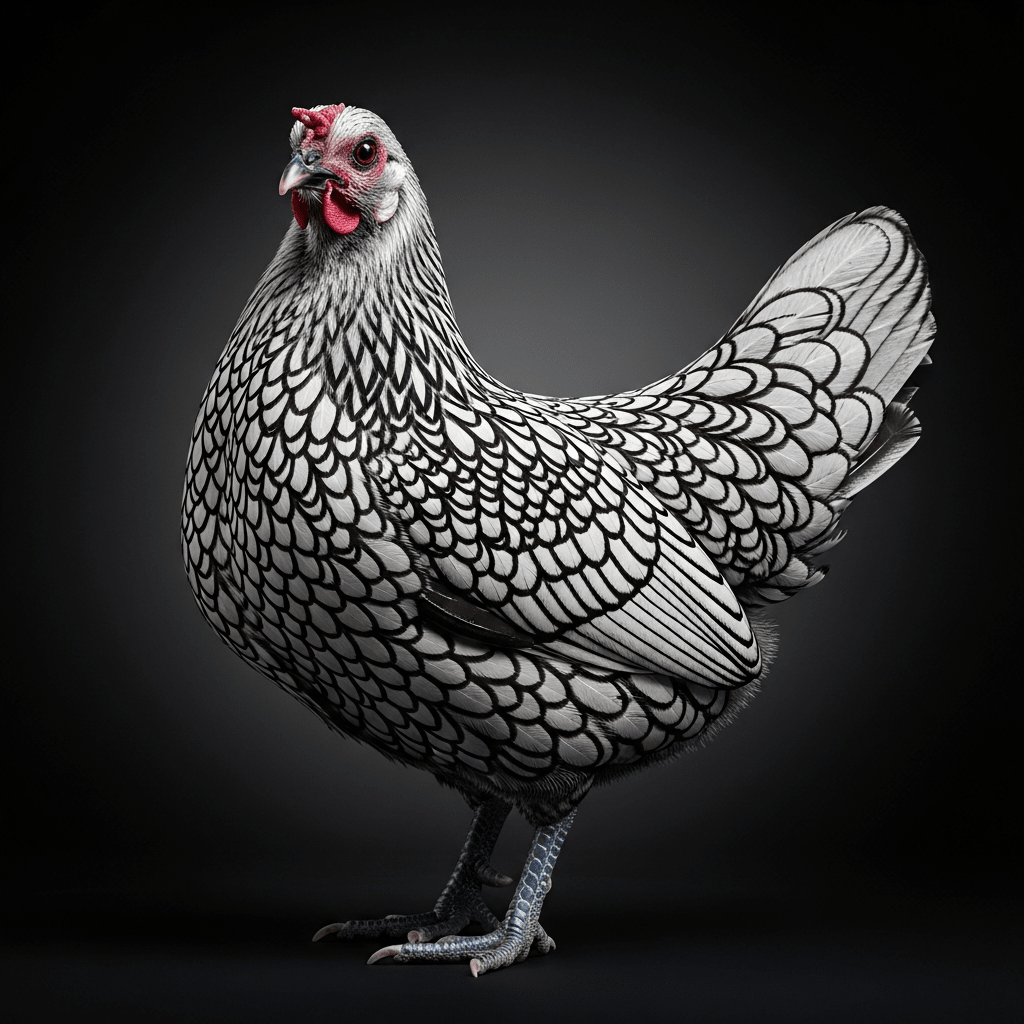
The Sebright is a British true bantam breed celebrated for its striking laced plumage and elegant, upright posture, making it one of the most distinguished ornamental chickens in poultry history.
The Sebright is a British true bantam breed celebrated for its striking laced plumage and elegant, upright posture, making it one of the most distinguished ornamental chickens in poultry history.
Originating in early 19th century England, the Sebright was developed by Sir John Saunders Sebright around 1800–1810. This breed emerged through selective crossing of various bantam breeds, including Nankin and possibly Polish and Hamburg, to create its unique laced feather pattern and compact size. It stands out as a true bantam with no large fowl counterpart.
The Sebright belongs to the bantam category within the domestic chicken taxonomy, classified as a true bantam breed. It is recognized primarily as an ornamental breed, distinct from meat or egg production types, and is acknowledged by major poultry authorities such as the American Poultry Association and the Poultry Club of Great Britain.
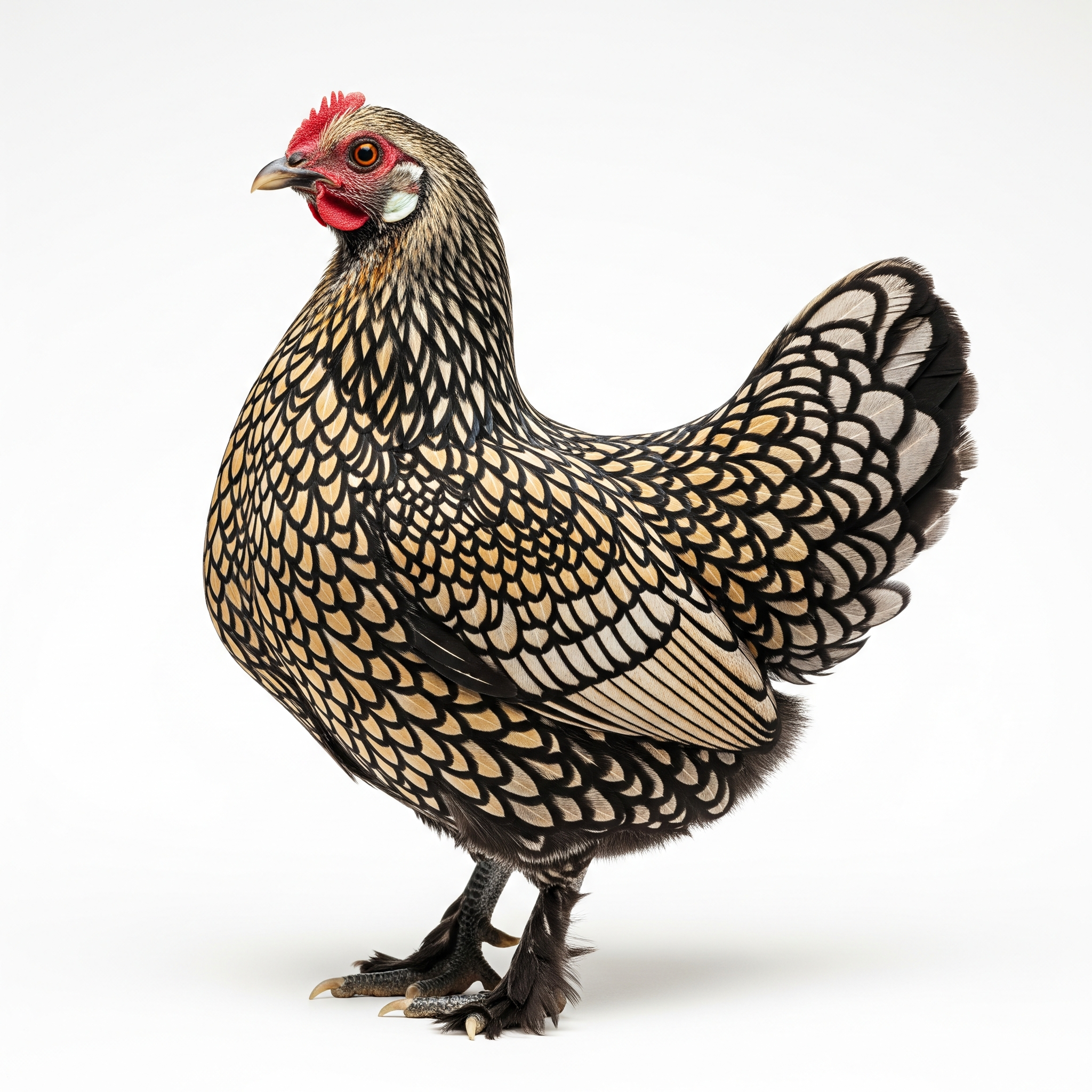
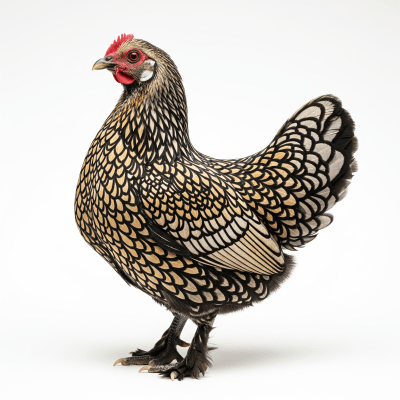
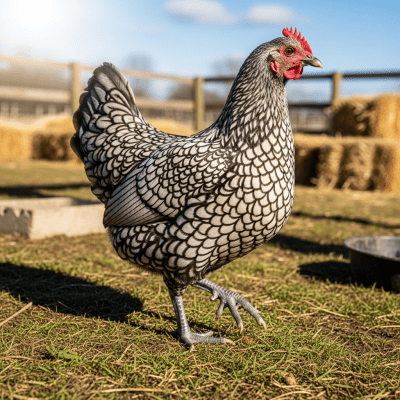
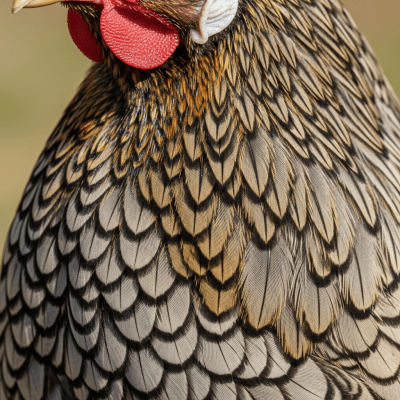
Characterized by its diminutive size and striking appearance, the Sebright features a short back, prominent breast, and large, rounded wings held low. Both males and females display hen-feathering, lacking the typical male sickle and hackle feathers. Its plumage is uniquely laced, with each feather edged in contrasting gold or silver. The breed carries a rose-shaped comb and slate blue legs, all contributing to its refined and delicate look.
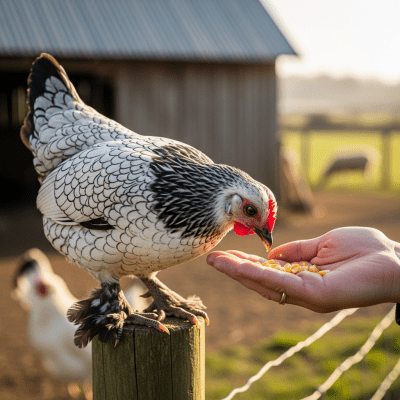
Active, alert, and somewhat flighty, Sebrights require secure housing due to their lively nature. They are primarily kept for ornamental and exhibition purposes rather than for egg or meat production. Their egg-laying is sparse, producing small white or tinted eggs infrequently. Due to their small size and feathering, they are vulnerable to cold weather and Marek’s disease.
Bring this kind into your world illustrated posters, mugs, and shirts.
Archival print, museum-grade paper
Buy Poster
Stoneware mug, dishwasher safe
Buy Mug
Soft cotton tee, unisex sizes
Buy ShirtThe Sebright holds a cherished place in poultry shows and ornamental bird collections, symbolizing heritage and refined breeding. Its development by Sir John Saunders Sebright and continued recognition by prestigious poultry organizations highlight its historical and cultural importance within British and international poultry communities.
The Sebright breed includes two recognized color varieties: Gold Sebright and Silver Sebright. Both varieties share the same distinctive laced feather pattern and physical traits, differing only in the contrasting colors of their plumage.

Due to their small size and delicate nature, Sebrights require secure, draft-free housing to protect them from cold weather and predators. They benefit from attentive care to mitigate their susceptibility to Marek’s disease. Their active temperament means they need space to move, though flightiness demands enclosed runs or aviaries to prevent escape. Sebrights are best kept by enthusiasts focused on ornamental or exhibition purposes rather than commercial farming.
Primarily ornamental, Sebrights are rarely used for culinary purposes. Their small size and low meat yield make them unsuitable for commercial meat production, and their infrequent egg laying limits culinary use. They are valued chiefly for their aesthetic and heritage qualities.
The Sebright is recognized by major poultry organizations and maintained by dedicated breeders, but its small population and specialized ornamental use mean conservation efforts focus on preserving genetic diversity and breed standards. While not critically endangered, ongoing care is essential to sustain this historic bantam breed.